Echoes of Shelter: The Prehistoric Cave vs. The Evolving Stone Structure
The human imperative for shelter is as ancient as humanity itself. From the dawn of our species, the need to protect ourselves from the elements, predators, and the vagaries of weather has driven innovation. Two of the earliest and most enduring forms of human-made or adapted shelter are the prehistoric cave and the nascent stone structure. While both offered refuge, they represent fundamentally different approaches to harnessing the environment for security and comfort. This comparative study delves into the distinct characteristics, advantages, disadvantages, and the evolutionary trajectory of these foundational dwelling types. Understanding their differences not only illuminates the ingenuity of early humans but also provides a crucial lens through which to view the subsequent development of architecture and human settlement.
The debate between prehistoric cave shelters and early stone structures highlights the evolution of human ingenuity in adapting to environmental challenges. While cave shelters provided natural protection and resources, the development of stone structures marked a significant advancement in architectural techniques and societal organization. For a deeper understanding of how ancient civilizations harnessed advanced knowledge and adapted their living conditions, you can explore the article at Unlocking Ancient Wisdom: Harnessing Advanced Knowledge.
The Natural Fortress: Understanding the Cave Dwelling
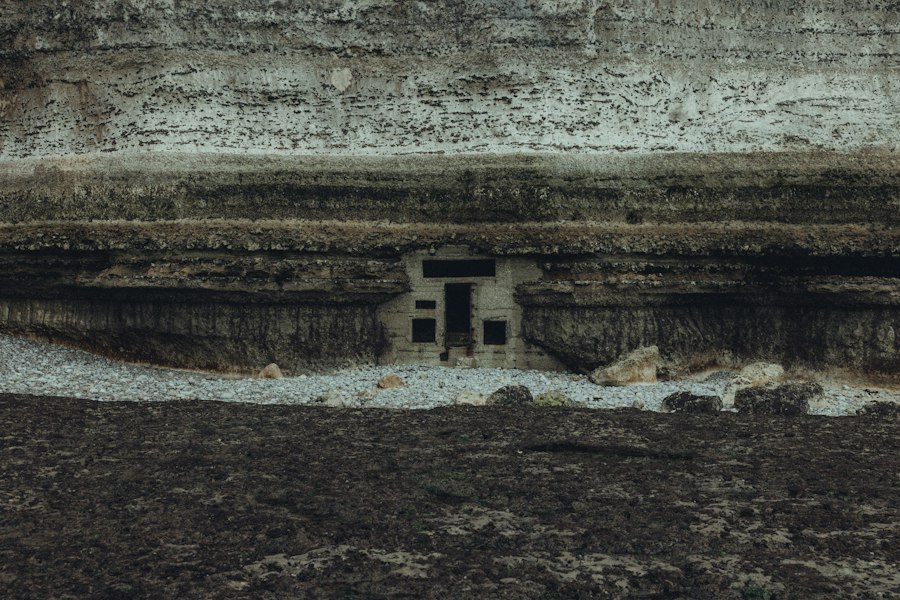
The cave, in its primal form, was not so much built as it was discovered and adapted. It offered a pre-existing solution to the fundamental need for shelter, a ready-made sanctuary carved by geological forces over millennia. This section explores the intrinsic qualities of caves that made them attractive to early hominids and the ways in which they were utilized, modified, and ultimately superseded by more deliberate constructions.
Natural Advantages and Initial Occupancy
Caves, by their very nature, possess a suite of inherent advantages. Their geological formation often provides robust protection from wind and rain, a significant improvement over open-air campsites. The earth itself acts as a thermal regulator, offering a degree of insulation against both extreme heat and cold. In many regions, caves provided a consistent temperature year-round, requiring less energy expenditure for heating or cooling. Furthermore, their naturally defensible entrances, often narrow and easily guarded, offered a crucial advantage against predators. Early hominids likely gravitated towards caves that were readily accessible, offered good visibility of the surrounding landscape, and were located near vital resources such as water and game. The discovery of fire within caves, evident in archaeological layers, marked a pivotal moment in their utilization, transforming them from mere shelters to dynamic living spaces. The smoke from fires, while contributing to soot deposits, also served the practical purpose of deterring insects and possibly disinfecting the living space.
Modification and Social Dynamics within Caves
While caves were natural structures, their inhabitants were not passive occupants. Archaeological evidence reveals a degree of modification and adaptation to enhance their suitability as dwellings. The floor of a cave might be leveled or cleared of debris. In deeper recesses, hearths were established, serving as centers for cooking, warmth, and social gathering. Evidence of tool manufacture, such as knapped stone artifacts, often found in association with hearths, suggests that caves also functioned as workshops. The spatial arrangement within a cave could reflect social organization. Different areas might have been designated for sleeping, food preparation, storage, or even for specific activities. The presence of multiple hearths or distinct activity zones can suggest larger group sizes or more complex social structures. The artistic endeavors found on cave walls, such as the renowned paintings of Lascaux and Chauvet, point to the symbolic and cultural significance of these spaces, extending their role beyond mere physical shelter to encompass spiritual and artistic expression. These painted caves, in particular, transcend the functional, hinting at a deep connection between humans, their environment, and their nascent belief systems.
Limitations and the Drive for Expansion
Despite their advantages, caves were not without their limitations. Their size and shape were dictated by natural geological processes, which might not always align with the growing needs of a human population. The availability of suitable caves was often geographically constrained, limiting settlement expansion. Furthermore, caves offered limited control over ventilation, and accumulated smoke could render living spaces unhealthy over prolonged periods. The inherent dampness of some caves could also be a problem. As human societies grew larger and more complex, the need for more adaptable and controllable living spaces became apparent. The inherent fixed nature of a cave, while offering security, also represented a barrier to outward growth and the development of more sophisticated living arrangements. This inherent limitation would ultimately pave the way for the deliberate construction of artificial shelters.
The Genesis of Deliberate Construction: The Early Stone Structure

The transition from cave dwelling to the construction of artificial shelters marked a profound shift in human agency. It signified a move from adapting to the environment to actively shaping it to meet specific needs. The early stone structure, while rudimentary by modern standards, represented a monumental leap in human ingenuity and the development of technological capabilities. This section examines the origins, materials, and formative characteristics of these early built environments.
From Natural Materials to Intentional Design
The earliest artificial shelters were likely ephemeral, constructed from readily available organic materials such as branches, leaves, and animal hides. However, the development of more durable structures, particularly those utilizing stone, represented a significant step towards permanence and environmental control. The impetus for stone construction likely arose from a desire for greater security, more predictable thermal performance, and the ability to create larger, more organized living spaces than caves often allowed. The use of stone was a logical progression, given its abundance in many landscapes and its inherent durability. Early stone structures were not necessarily grand edifices; they were often simple, functional constructions designed to provide basic protection.
Construction Techniques and Material Sourcing
The construction of early stone structures varied widely depending on the available resources and the technological capabilities of the people. In areas with abundant loose stones, simple dry-stone techniques might have been employed, where stones were carefully stacked without mortar. This method required a significant understanding of load-bearing principles and the ability to select and position stones for maximum stability. In other regions, more sophisticated methods might have involved quarrying and shaping larger stones, though this was likely a later development. Mortar, made from materials like clay or lime, would have been a crucial innovation, allowing for stronger and more stable constructions. The sourcing of materials itself would have been a significant undertaking, requiring planning, labor, and knowledge of the local geology. The selection of appropriate stone types, considering their strength, durability, and ease of working, would have been paramount.
Spatial Organization and Social Significance
Early stone structures, unlike the often amorphous interiors of caves, allowed for a more deliberate spatial organization. Walls could define specific rooms or functional areas, creating a sense of privacy and order. The layout of these structures could reflect social hierarchies, with larger or more prominently situated dwellings belonging to individuals or families of higher status. The construction of permanent or semi-permanent structures also signaled a commitment to a particular location, suggesting the development of more settled or semi-nomadic lifestyles. These structures were not merely shelters; they became the focal points of communities, places where families lived, worked, and socialized. The communal effort required to construct these structures could also have fostered social cohesion and the development of shared responsibilities.
A Spectrum of Shelter: Comparing Cave Dwellings and Stone Structures
While both cave dwellings and early stone structures provided essential refuge, their fundamental differences lie in their origins, adaptability, and the degree of human intervention involved. This section draws a direct comparison, highlighting their respective strengths and weaknesses across various aspects of shelter provision.
Environmental Interaction and Control
Caves, as natural formations, offered a passively controlled environment. Their thermal properties were largely a given, dictated by the surrounding geology and depth. Human intervention was limited to managing the internal climate through fire and by modifying the immediate entrance. Stone structures, on the other hand, represented an active engagement with the environment. Their construction allowed for deliberate control over ventilation, sunlight exposure, and insulation. Builders could choose orientations to maximize passive solar heating or minimize exposure to prevailing winds. The ability to modify and maintain a stone structure offered a greater degree of predictability and comfort compared to the inherent limitations of a natural cave. The construction itself allowed for the creation of openings like windows and doors, further enhancing environmental control.
Durability, Maintenance, and Longevity
The durability of a cave dwelling is intrinsically linked to the geological stability of the rock formation. While many caves have endured for millennia, they are susceptible to erosion, geological shifts, and natural disasters. Maintenance of a cave dwelling was generally minimal, primarily focused on managing the interior space. Stone structures, while also susceptible to environmental degradation, offered a different set of durability challenges. The integrity of the mortar, the stability of the stonework, and the management of water ingress were crucial for their longevity. However, the inherent strength of stone, when properly applied, could lead to remarkably long-lasting structures. The ability to repair and reinforce a stone structure offered a proactive approach to preservation that was not possible with a natural cave.
Resource Utilization and Human Effort
The primary resource for cave dwelling was the existing natural formation. Human effort was concentrated on adaptation and utilization. For stone structures, the resource acquisition was a far more labor-intensive process, involving quarrying, transporting, and shaping materials. This demanded a greater investment of human energy, organizational skills, and technological know-how. The construction of even simple stone structures would have required the coordinated efforts of multiple individuals or groups, fostering the development of specialized roles and communal labor practices. The transition to stone construction therefore reflects a growing capacity for collective action and resource management.
Adaptability and Growth Potential
Caves, by their fixed nature, offered limited scope for expansion or adaptation to changing needs. Doubling the living space within a cave was often impossible without significant excavation, which was rarely undertaken. Stone structures, conversely, offered a far greater potential for growth and adaptation. As families or communities expanded, additional rooms or entire new structures could be added. The modular nature of built construction allowed for a more flexible response to demographic changes and evolving social requirements. This adaptability was a crucial factor in the long-term success and proliferation of settled human communities.
The debate between prehistoric cave shelters and early stone structures highlights the ingenuity of ancient humans in adapting to their environments. While cave shelters provided immediate protection and resources, the development of stone structures marked a significant advancement in architectural techniques and community organization. For a fascinating exploration of ancient engineering, you can read about the remarkable Persian qanat system, which showcases another aspect of early human innovation in managing water resources effectively. This article can be found here.
The Evolutionary Trajectory: From Cave to Kiln and Beyond
| Aspect | Prehistoric Cave Shelter | Stone Structure |
|---|---|---|
| Material | Natural rock formations | Cut and stacked stones |
| Construction Time | Instant (natural formation) | Weeks to months (manual building) |
| Durability | High (natural rock) | Very high (engineered) |
| Protection from Elements | Good (rock overhangs) | Excellent (enclosed walls and roof) |
| Thermal Insulation | Moderate (rock temperature stable) | Good (thick stone walls) |
| Mobility | Fixed location | Fixed location |
| Human Modification | Minimal (carvings, hearths) | Extensive (designed layout) |
| Typical Use | Temporary shelter, habitation | Permanent dwelling, storage |
| Historical Period | Paleolithic to Neolithic | Neolithic onwards |
| Examples | Lascaux Cave (France), Altamira (Spain) | Skara Brae (Scotland), Çatalhöyük (Turkey) |
The comparison between cave dwellings and early stone structures is not merely an academic exercise; it traces a fundamental evolutionary path in human settlement. The limitations of the former spurred the innovations that led to the latter, and this process of innovation did not cease. This section examines the broader implications of this transition and the subsequent developments it enabled.
The Legacy of Cave Art and Early Shelters
The legacy of cave dwellings extends beyond their role as physical shelters. The stunning cave art found in various parts of the world provides invaluable insights into the cognitive and symbolic capacities of our ancestors. These paintings, often found in the deepest recesses of caves, suggest that these spaces held profound cultural and perhaps spiritual significance, transcending their purely utilitarian function. The development of early stone structures, in parallel, began to establish the principles of constructed space and intentional design that would underpin all future architecture. The foundations of urbanism, with its organized layouts and dedicated structures, can be traced back to these early attempts to create stable and predictable living environments.
Technological Advancements Fueled by Shelter Needs
The need to build more sophisticated shelters drove significant technological advancements. The development of tools for quarrying, shaping, and lifting stone, the understanding of structural mechanics, and the innovation of binding agents like mortar all stemmed from the imperative to create more robust and comfortable dwellings. The mastery of fire, crucial for both cave living and early construction (for firing pottery or later for smelting metals), was a foundational technology. The demands of shelter construction also likely fostered advancements in social organization, division of labor, and long-distance trade for acquiring specific materials.
The Foundation for Future Human Habitation
The transition from caves to stone structures laid the groundwork for the vast array of human habitations that have followed. It established the concept of the built environment as a controllable and adaptable space, distinct from the natural world. This paved the way for the development of increasingly complex architectural forms, from simple huts to monumental temples and eventually to the sprawling metropolises of today. The principles of load-bearing, spatial organization, and environmental control that were first explored in these early structures continue to inform architectural design and urban planning. The human drive to create secure and comfortable living spaces, first answered by the natural sanctuary of the cave, and then by the deliberate effort of constructing stone shelters, remains a constant throughout human history.
Broader Societal Impacts: Settlement, Community, and Identity
The choice and evolution of shelter have profound and far-reaching consequences for human societies, influencing everything from settlement patterns to the very formation of cultural identity. The shift from the transient or semi-permanent nature of cave dwelling to the enduring presence of stone structures marked a significant turning point in how humans organized themselves and interacted with their world.
From Nomadic Existence to Sedentary Lifestyles
The inherent limitations of caves, while offering protection, were often not conducive to large-scale, permanent settlements. While some caves might have been occupied for extended periods, they generally favored more mobile or semi-nomadic lifestyles, allowing groups to follow game or seasonal resources. The construction of durable stone structures, however, fundamentally altered this dynamic. These built environments represented a significant investment of labor and resources, making abandonment less likely. They facilitated the development of sedentary lifestyles, where communities could establish permanent homes, cultivate land, and develop specialized crafts and social structures. This transition from nomadic to sedentary existence is one of the most significant transformations in human history, with profound implications for agriculture, population growth, and the development of complex societies.
The Formation of Communities and Social Cohesion
The construction and habitation of stone structures played a vital role in fostering community and social cohesion. The shared endeavor of building these dwellings, the pooling of resources, and the collective effort required for their maintenance would have strengthened social bonds. Within these structures, families and groups could live and work together, establishing routines and shared traditions. The spatial organization within these structures, whether simple or complex, could also reflect and reinforce social hierarchies and kinship ties. The enduring nature of these settlements provided a stable backdrop for the development of shared cultural practices, rituals, and a collective sense of identity that was intrinsically linked to the physical location and the structures that defined it.
The Emergence of Territoriality and Identity
The establishment of permanent or semi-permanent settlements, marked by the construction of stone structures, also contributed to the emergence of territoriality and a stronger sense of group identity. These built environments were physically claimed and defended, distinguishing the territory of one group from another. The ownership and inheritance of these structures, and the lands associated with them, would have become increasingly important. This sense of belonging to a particular place, defined by the tangible evidence of human construction, would have fostered a stronger collective identity. The stories, myths, and traditions associated with these ancestral homes would have further solidified this identity, creating a deep-seated connection to the land and the structures that housed their ancestors. The very act of building, of leaving a lasting mark on the landscape, transformed human existence from a transient passage through the environment to a rooted and enduring presence within it.