The Dawn of Outerwear: Nature’s First Wardrobe
In the frigid embrace of prehistoric winters, survival was a paramount concern for early humans. The biting winds, snow-laden landscapes, and sub-zero temperatures demanded ingenious solutions to maintain body heat and protect against the elements. While elaborate clothing as we understand it today was a distant dream, the necessity of warmth fostered the development of rudimentary yet highly effective garments. The most crucial of these, born directly from the natural world, were the fur coats. These were not mere fashion statements; they were essential tools for life, woven from the very fabric of the environment to ensure the continuation of the species. The reliance on animal hides and furs marked the dawn of outerwear, a testament to the adaptive prowess of our ancestors and their deep understanding of the natural world.
Early Hominin Adaptations and Environmental Pressures
The evolutionary journey of hominins took them across diverse and often challenging environments. As they migrated out of Africa and into colder climates, the lack of natural body hair, a trait that provided insulation for many mammals, became a significant disadvantage. This environmental pressure was a powerful selective force, favoring those who could devise ways to compensate for their sparse fur. The development of tool use, particularly sharp stone tools, provided the initial means to exploit animal resources. It is highly probable that even before sophisticated sewing techniques, early hominins were using animal skins for basic protection, perhaps by simply draping them over their bodies or tying them loosely. The discovery of fire, a monumental achievement, offered another layer of warmth, but effective clothing remained indispensable for mobility and sustained exposure to the cold. The changing climate patterns throughout the Pleistocene epoch, characterized by cycles of glaciation and interglacial periods, further amplified the need for robust insulation. These fluctuations meant that hominins frequently encountered environments where temperatures plummeted, making the acquisition and utilization of animal furs a critical factor in their survival and expansion.
The First Garments: Simplicity and Functionality
The earliest forms of prehistoric clothing were dictated by the available materials and the most basic needs of protection. Animal hides, fresh from the hunt, would have been the primary resource. Initially, these likely served as simple wraps or cloaks. The natural curvature of the hide would have been adapted to fit the body, secured with basic knots or thongs made from sinew or plant fibers. There was no concept of tailoring or complex garment construction in these early stages. The focus was purely on utility: coverage and insulation. The rough, untanned hides would have provided some protection from wind and a limited degree of warmth. As stone tool technology advanced, the ability to scrape hides clean and make them more pliable improved, making them more comfortable and effective as protective coverings. The development of rudimentary needles, fashioned from bone or ivory and used with sinew for thread, would have represented a significant leap forward, allowing for the creation of more fitted garments and the joining of multiple pieces of hide.
Prehistoric clothing played a crucial role in the survival of early humans, particularly during harsh winter months when warmth was essential. Fur coats, made from the pelts of animals hunted for food, provided insulation against the cold and were a testament to the resourcefulness of our ancestors. For a deeper understanding of how ancient practices influence modern challenges, you can explore the article on global issues and their historical context in “Fragile States: The Global Challenge” available at this link.
Harnessing the Power of Pelts: The Ubiquity of Fur
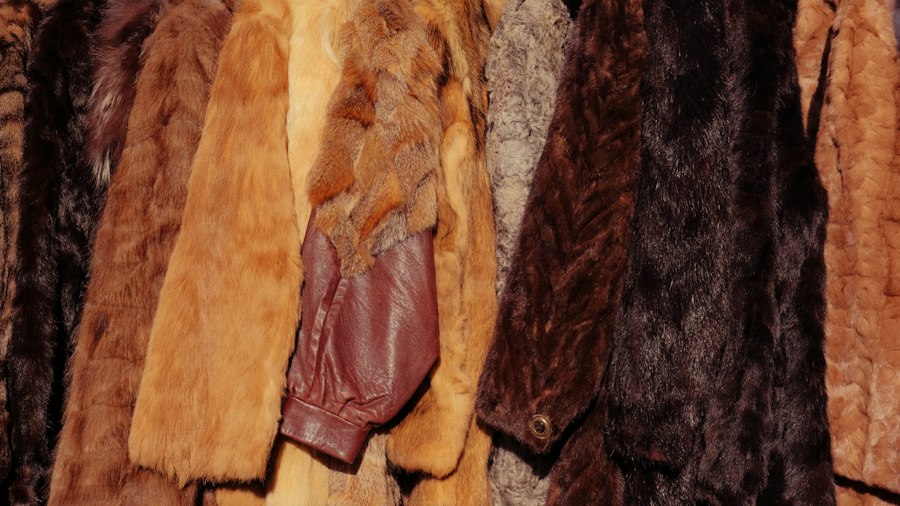
The success of prehistoric humans in colder regions was intrinsically linked to their ability to effectively utilize animal furs. The thick, insulating pelts of animals like mammoths, woolly rhinoceroses, cave bears, and various large ungulates provided the perfect defense against the harsh realities of glacial winters. These were not simply hides; they were complex, multi-layered natural insulators. The dense undercoat of fine hairs trapped air, creating a thermal barrier, while the longer guard hairs shed water and wind. Early humans learned to select specific animal furs based on their insulating properties, the thickness of their pelts, and their availability in their hunting territories. This knowledge was crucial for survival, passed down through generations, and formed the bedrock of their material culture. The sheer abundance of large game animals during the Pleistocene, coupled with the hominins’ growing proficiency in hunting them, ensured a consistent supply of this vital resource.
Selecting the Ideal Insulators: A Prehistoric Guide to Fur
The choice of animal for its fur was not arbitrary. Prehistoric peoples, through trial and error and keen observation, developed a nuanced understanding of which pelts offered the best protection. For extreme cold, the fur of larger, arctic-adapted animals was highly prized. Mammoth fur, with its incredibly dense and long guard hairs and thick woolly undercoat, was likely a top-tier material. Similarly, the pelts of woolly rhinoceroses would have provided substantial warmth. For slightly less extreme conditions or for specific garment types, furs from cave bears, wolves, and various species of deer and bison would have been valuable. The thickness of the hide itself also played a role; thicker hides offered greater durability and a more substantial barrier against the elements. Furthermore, the natural oils present in some furs would have provided a degree of water resistance, crucial for preventing chilling from snow and ice. The process of preparing these hides was likely laborious, involving scraping away flesh and fat, and then tanning or curing them to prevent decay and enhance flexibility.
The Art of Hide Preparation: From Raw Material to Ready Wear
Transforming a freshly hunted animal carcass into wearable clothing was a multifaceted process that required specialized knowledge and tools. Once the animal was skinned, the raw hide was likely stretched and secured, often on wooden frames or across natural features, to prevent shrinkage. The process of scraping was paramount, using sharpened stone tools like scrapers and knives to meticulously remove all traces of flesh, fat, and the epidermal layer. This was a painstaking task, essential for preventing rot and for creating a cleaner, more pliable surface.
Following the scraping, the hides would have undergone various forms of curing or tanning to stabilize them. While sophisticated chemical tanning methods were unknown, early humans likely employed more rudimentary techniques. Smoking hides over a fire, for instance, would have helped preserve them and impart a degree of water resistance. Another method might have involved rubbing animal brains into the hide. Brains contain natural emulsifiers that help break down connective tissues and make the leather softer and more supple. The process of working the hide repeatedly, stretching and flexing it, would also have helped to soften it and prevent it from becoming brittle once dry. The final stages might have involved further scraping or even rubbing with natural abrasents to achieve a smoother finish. The exact techniques would have varied depending on the animal, the available resources, and the specific environmental conditions.
Crafting the Winter Wardrobe: From Draping to Stitching

The evolution of clothing construction in prehistoric times mirrored the development of tool technology and an increasing understanding of how to manipulate materials. From simple draped hides, early humans progressed to more sophisticated methods of garment creation, incorporating stitching and rudimentary tailoring to create more functional and form-fitting apparel. This allowed for better insulation, increased mobility, and a greater range of clothing types suitable for different activities and weather conditions. The ability to join pieces of hide together significantly expanded the possibilities for garment design, moving beyond the limitations of a single animal skin.
Prehistoric clothing played a crucial role in the survival of early humans, especially during harsh winter conditions. The use of animal hides and furs for warmth is well-documented, showcasing the ingenuity of our ancestors in adapting to their environment. For a deeper understanding of how early humans migrated and adapted to extreme climates, you can explore this insightful article on prehistoric human migration to Antarctica. The evolution of clothing not only reflects the practical needs of survival but also highlights the cultural significance of materials used in crafting garments. To learn more about this fascinating topic, visit prehistoric human migration to Antarctica.
The Emergence of Basic Garment Designs: Beyond the Blanket
As tool use advanced, so too did the ability to shape and join animal hides. The most basic forms of crafted clothing would have likely involved modifying a single large skin. For example, a rectangular hide could have been folded and secured at the shoulders and sides to create a simple tunic or cloak. Holes could have been punched for the head and arms. As stitching capabilities improved, so did the complexity of these designs. The development of bone needles and sinew thread allowed for the creation of seams, enabling the joining of multiple pieces of hide to form more tailored garments.
The most common and effective garment for winter warmth was likely a type of tunic or a double-layered coat. This would have involved cutting and sewing pieces of furred hide together to create a fitted body and sleeves. The fur would have been worn facing inwards, directly against the skin, to maximize its insulating properties. An outer layer of treated hide, perhaps less furred or even made of a tougher, water-resistant material, could have been added for further protection against wind and moisture. Trousers or leg coverings, fashioned from sewn hides, would have been essential for protecting the legs from the cold and snow. Footwear, consisting of simple moccasins or boots made from thick animal hides, were also crucial for preventing frostbite and allowing for movement over snow and ice. The focus remained on practicality and survival, with designs evolving to offer the greatest thermal efficiency and protection.
The Needle and Sinew: Revolutionizing Garment Construction
The advent of the bone needle, a tool likely developed during the Middle Paleolithic period, marked a turning point in the history of clothing. These finely crafted implements, often made from the long bones of animals or the antlers of deer, were sharpened to a point at one end and had an eye at the other for threading. Paired with sinew, the strong, fibrous connective tissue found in animal tendons, these needles enabled early humans to stitch hides together with remarkable strength and durability.
Sinew, once dried and then pounded or shredded, could be separated into fine threads that were both strong and flexible. This natural thread, when pulled through pre-punched holes or slits in the animal hides, created secure seams that were less likely to tear than simple knots or lashings. This technological leap allowed for the creation of garments that fit the human form more closely, providing a superior level of insulation by minimizing drafts. It enabled the construction of complex garments like trousers, fitted tunics, and multi-piece cloaks. The ability to mend and reinforce existing garments also extended their lifespan, a crucial consideration in a resource-scarce environment. The needle and sinew essentially provided the prehistoric seamstress with the means to tailor their clothing for optimal warmth and functionality.
Beyond the Winter Chill: Additional Uses and Cultural Significance
While the primary driver for the development and use of fur coats was undoubtedly survival against the cold, animal hides and furs played a broader role in prehistoric life. They were not just practical necessities; they also held cultural significance, likely influencing social structures, spiritual beliefs, and artistic expression. The resources provided by successful hunts were not just for warmth but were integral to the entire way of life of these early human populations. The acquisition of large game was a communal effort, fostering cooperation and reinforcing social bonds.
Preserving Meat and Storing Resources
Beyond their use as clothing, animal hides played a vital role in the preservation and storage of food. After butchering a large animal, the hide could be used as a natural container for meat. It could be carefully cleaned and then used to wrap and store portions of the carcass, protecting it from scavengers and insects. In areas where it was difficult to keep meat fresh, especially during warmer interglacial periods, methods of drying or curing meat, often wrapped in hides, would have been employed. The hides themselves, once tanned or cured, could also be used for other purposes, such as lining shelters, creating rudimentary beds, or even as a material for crafting other tools and objects. Their versatility made them an indispensable resource for a wide range of survival needs.
Symbolism, Ritual, and Social Status
While direct evidence is scarce due to the ephemeral nature of organic materials, it is highly probable that furs and hides held symbolic meaning in prehistoric societies. The skins of powerful or revered animals might have been worn during important ceremonies or by individuals of high status, conferring upon them the perceived attributes of the animal. Shamanic practices, if they existed in recognizable forms, likely incorporated animal skins and furs in their regalia, connecting practitioners with the spirit world. The quality and type of fur, the intricacy of the craftsmanship, and the rarity of certain pelts could have all served as indicators of wealth, skill, and social standing within a community. The act of hunting and successfully acquiring the hides of large game would have been a significant achievement, likely celebrated and recognized within the social fabric. The enduring power of animal imagery in prehistoric art, such as cave paintings, suggests a deep spiritual and cultural connection to the animal world, a connection that would have undoubtedly extended to the materials derived from these creatures.
The development of fur coats for winter warmth and survival represents a pivotal moment in human history. It showcases the ingenuity, adaptability, and deep connection early humans had with their environment. These early garments were far more than mere coverings; they were essential tools that enabled our ancestors to thrive in some of the harshest conditions on Earth, paving the way for future innovation and the eventual development of more complex societies. The legacy of these “nature’s first wardrobe” continues to resonate, reminding us of the fundamental relationship between humanity and the natural world.

20,000 Years Ago | The Coldest Journey in Human History
FAQs
1. What materials were commonly used to make prehistoric clothing?
Prehistoric clothing was typically made from natural materials such as animal hides, fur, and plant fibers like wool and linen.
2. How did prehistoric people stay warm during winter without modern clothing technology?
Prehistoric people stayed warm during winter by wearing multiple layers of clothing made from insulating materials like fur and hides. They also used techniques like layering and wrapping to trap heat close to the body.
3. Were fur coats a common type of clothing in prehistoric times?
Yes, fur coats were a common type of clothing in prehistoric times, especially during winter. Fur provided excellent insulation and protection against the cold weather.
4. Did prehistoric people decorate their clothing with any embellishments?
Yes, prehistoric people often decorated their clothing with various embellishments such as beads, shells, feathers, and animal teeth. These decorations served both functional and aesthetic purposes.
5. How did prehistoric people acquire fur for making clothing?
Prehistoric people acquired fur for making clothing by hunting animals for their hides and fur. They would then tan and process the fur to make it suitable for clothing construction.