
The rhythm of ancient life, dictated by the subtle shifts of seasons and the ever-present need for sustenance, often led early human communities to seek refuge and resources in strategically advantageous locations. Among these, the sheltered sides of rocky outcrops and cliff faces emerge as recurring themes in the archaeological record. These elevated, naturally defensible positions offered a unique combination of protection from predators, a vantage point for spotting game and potential threats, and proximity to vital resources. Rather than living exposed on open plains or dense forests, prehistoric peoples frequently established their camps and gathering grounds on these seemingly inhospitable ledges, finding them to be surprisingly rich environments.
The selection of such a locale was rarely accidental. It involved a sophisticated understanding of the local geography, the behavior of animals, and the seasonal availability of plants. The sheer verticality of a cliff face, for instance, presented a natural barrier against large carnivores, a significant concern for vulnerable hominin groups. Furthermore, the elevated perspective afforded by these positions allowed for early detection of approaching dangers, be they predators or rival human groups, granting precious time for evasion or defense. Beyond mere safety, these outcrops were often biological hotspots, attracting a diverse array of flora and fauna that provided essential food and raw materials.
The Strategic Advantages of Elevated Dwellings
The decision to inhabit the sides of rocky outcrops was a calculated one, rooted in a deep understanding of survival necessities. These natural fortresses offered a multifaceted approach to mitigating risks and maximizing opportunities for resource acquisition, fundamentally shaping the daily lives and long-term viability of prehistoric communities. The very act of choosing such a dwelling spoke to a discerning eye for environmental cues and a pragmatic approach to resource management.
Natural Defenses Against Predation
Prehistoric life was fraught with peril, and the threat of predation from large carnivores was a constant companion. Rocky outcrops, with their sheer cliffs and limited access points, provided a formidable natural defense. The elevated positions made it exceedingly difficult for predators like lions, hyenas, or saber-toothed cats to reach human settlements, offering a significant layer of security. Families could rest and sleep with a reduced sense of vulnerability, allowing for greater energy conservation and social cohesion. This elevated sanctuary was not merely a passive deterrent; it was an active component of survival, freeing up cognitive and physical resources that would otherwise be consumed by constant vigilance.
The narrow entrances or ledges of these outcrops could be easily guarded. A small number of individuals could effectively deter a much larger predatory force. Furthermore, the visual advantage from such heights allowed early detection of approaching animals, providing ample warning to retreat to safer, more enclosed areas within the outcrop or to prepare for defense. This proactive approach to predator avoidance was crucial for the survival of infants, the elderly, and the infirm, who were more vulnerable in open environments. The psychological impact of such security cannot be overstated, likely contributing to the formation of stronger social bonds and a greater sense of community.
Enhanced Visibility and Reconnaissance
Beyond protection, the elevated vantage point of outcrop sides offered unparalleled visibility of the surrounding landscape. This served a dual purpose: observing game animals for hunting and monitoring the movements of potential threats. Hunters could spend less time searching for prey and more time tracking and strategizing. The ability to scan vast expanses of terrain allowed them to identify herds of herbivores, their migratory patterns, and their current locations, increasing hunting success rates. This knowledge of animal behavior, gained through consistent observation from these elevated perches, was a critical survival skill.
Moreover, this enhanced visibility was vital for early warning systems. Observing the dust plumes kicked up by distant herds or the telltale signs of approaching predators allowed communities to prepare. They could gather children and valuables, reinforce defensive positions, or even orchestrate an early retreat. The strategic value of such reconnaissance cannot be underestimated in a world where surprise could mean death. This continuous monitoring of the environment fostered a deep connection with the land and its inhabitants, informing decision-making regarding resource exploitation and settlement patterns.
Proximity to Scarce Water Sources
While not always directly on the outcrop itself, the strategic positioning often placed these communities in close proximity to vital water sources. These could be springs emerging from rock faces, seasonal pools collected in depressions, or rivers and streams at the base of the cliffs. Access to fresh water was, and remains, paramount for survival. Living on an outcrop allowed for controlled access to these essential resources, often at a safe distance from the immediate dangers of the water’s edge.
The ability to observe water sources from a distance also provided an advantage. They could see when other animals were coming to drink, presenting hunting opportunities or allowing for avoidance of potential conflicts. The knowledge of ephemeral water sources, those that appear only after rains, would have been particularly valuable, and inhabitants of outcrops would have been well-positioned to observe and exploit these fleeting resources. This close relationship with water sources, facilitated by their elevated dwelling, reinforced the interconnectedness of their environment and their dependence on its careful management.
Prehistoric communities often sought refuge on the safe sides of outcrops, where they gathered essential resources such as food, water, and materials for shelter. These natural formations provided not only protection from predators but also strategic vantage points for observing their surroundings. Understanding the dynamics of such communities can shed light on their social structures and survival strategies. For further insights into how environmental factors influence societal organization, you can read about the implications of political fragmentation in this related article: The Impact of Political Fragmentation.
Resource Gathering and Exploitation from Sheltered Ledges
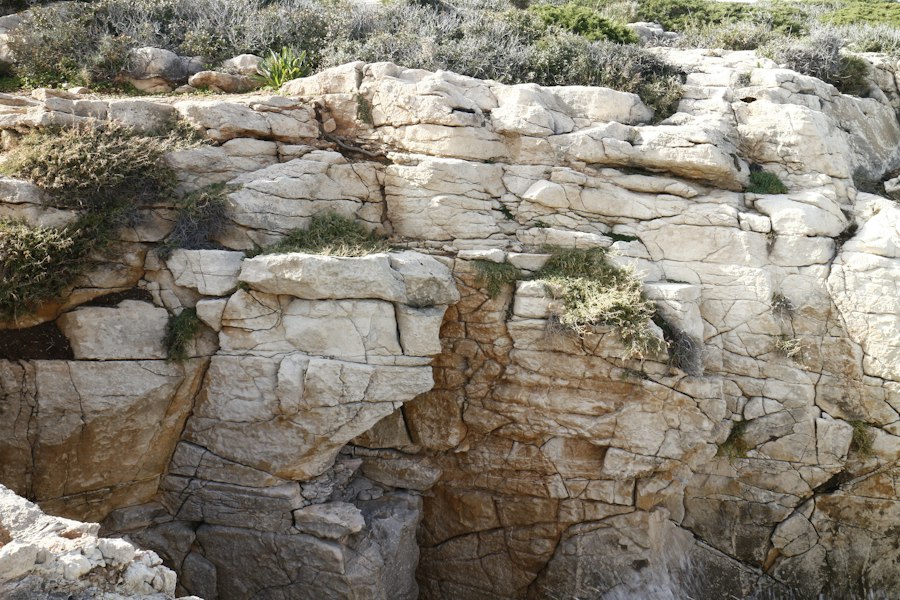
The sides of rocky outcrops were not just places of refuge; they were also active centers of resource procurement. The unique microclimates and geological features of these locations often fostered specific plant and animal communities, providing a diverse larder for prehistoric gatherers and hunters. The ingenuity of these ancient peoples in utilizing their surroundings is evident in the archaeological evidence of their activities.
Abundant Flora and Edible Plants
The sheltered sides of outcrops often presented ideal conditions for the growth of a variety of edible plants. Protected from harsh winds and extreme temperatures, these ledges could support a richer and more diverse flora than surrounding open areas. Archaeologists have found evidence of gathered fruits, seeds, roots, and medicinal herbs in the vicinity of ancient outcrop settlements. These plants provided crucial carbohydrates, vitamins, and minerals, complementing a diet heavily reliant on hunted game.
The careful selection of plants was a learned skill passed down through generations. Knowledge of which plants were edible, when they ripened, and how to process them for consumption was essential. The proximity of these resources to their sheltered dwellings made gathering expeditions efficient and less risky. Furthermore, the vertical aspect of the landscape may have offered access to plants that were less accessible to ground-dwelling animals, creating a unique niche for human exploitation. The study of pollen and phytoliths in ancient sites often reveals the dietary staples derived from these unique microenvironments.
Hunting Opportunities and Animal Trails
The strategic positioning of outcrop settlements often allowed for the exploitation of animal trails that passed below or near the cliffs. These trails served as natural highways for game animals, and by observing them from their elevated positions, hunters could anticipate the movements of their prey. Furthermore, the outcrops themselves could sometimes act as natural traps, funneling animals into specific areas where they could be more easily hunted.
The rocky terrain also provided opportunities for hunting smaller game, such as birds nesting in cliffs, reptiles, and smaller mammals that inhabited the crevices and ledges. The ability to safely access these areas, often through carefully negotiated routes, highlights the adaptability and skill of prehistoric peoples. The presence of animal bones in and around outcrop sites, often bearing cut marks indicative of butchery, provides tangible evidence of these hunting activities. The analysis of these bones can reveal dietary preferences, hunting strategies, and the types of animals targeted.
Access to Raw Materials for Tools and Shelter
Beyond food, rocky outcrops provided essential raw materials for toolmaking and shelter construction. Flint, chert, and other stone types, crucial for crafting sharp tools and weapons, were often found in geological formations associated with cliffs and escarpments. The ability to quarry these materials directly from their living sites reduced the need for extensive foraging expeditions and ensured a consistent supply of essential resources.
Furthermore, the natural overhangs and shallow caves found within rocky outcrops provided immediate shelter, reducing the labor and time required to construct more permanent dwellings. While these natural shelters might have been augmented with branches, hides, and other materials, their foundational security was a significant advantage. The presence of discarded stone tools, debitage from tool manufacturing, and evidence of hearths within these sheltered areas paints a picture of industrious communities actively utilizing their environment for both immediate needs and long-term survival.
The Social and Cultural Implications of Outcrop Living
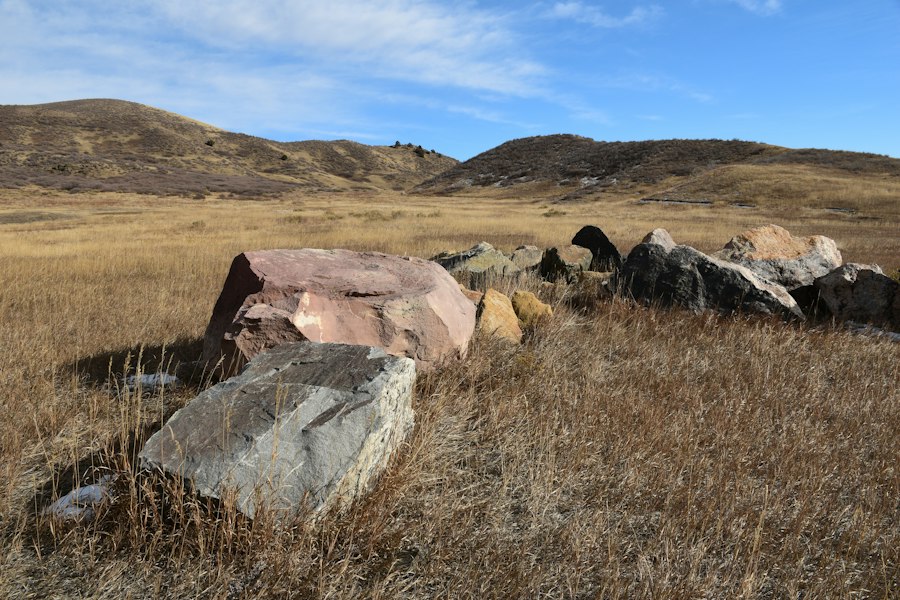
Living in close proximity within the sheltered confines of rocky outcrops fostered a unique social and cultural environment. The shared reliance on the natural defenses and resources of these locations likely contributed to strong communal bonds, specialized roles within the group, and the development of shared cultural practices. The physical constraints and advantages of their dwellings directly influenced their social structures and their worldview.
Fostering Strong Communal Bonds
The shared experience of living in a vulnerable yet protected environment likely fostered strong communal bonds. The necessity of cooperation for defense, resource gathering, and childcare would have been paramount. The confined living spaces of outcrop shelters would have encouraged close social interaction, leading to the development of intricate kinship networks and social hierarchies. The shared knowledge of the landscape, the dangers, and the resources would have been a common currency, strengthening their collective identity.
The shared tasks of hunting, gathering, and maintaining the settlement would have reinforced a sense of interdependence. The elders, with their accumulated knowledge of the environment and survival strategies, would have held positions of respect and authority. The communal aspects of life on an outcrop, from shared meals to communal defense, would have created a robust social fabric that was essential for the long-term survival and success of the group. The archaeological evidence of shared hearths and communal activity areas supports this notion of close-knit communities.
Development of Specialized Roles and Skills
The demanding nature of survival in a prehistoric environment, coupled with the specific challenges and opportunities presented by outcrop living, likely led to the development of specialized roles within communities. Certain individuals might have excelled in hunting, while others focused on plant gathering, toolmaking, or the care of the young and infirm. The elevated living sites might have also necessitated specialized skills for navigating the terrain and accessing resources.
The need for efficient resource exploitation from their immediate surroundings could have also driven specialization. For instance, individuals adept at rock climbing or navigating narrow ledges would have been invaluable for accessing specific plant species or hunting birds. The communal nature of these settlements would have provided a platform for teaching and passing on these specialized skills to younger generations, ensuring the continuity of essential knowledge and expertise within the group. This division of labor, however informal, would have increased the overall efficiency and resilience of the community.
Transmission of Knowledge and Cultural Practices
The confined nature of outcrop settlements, with their shared living spaces and communal activities, provided an ideal environment for the transmission of knowledge and cultural practices. Stories, myths, and practical skills would have been passed down through oral traditions, often around shared hearths. The unique challenges and triumphs of outcrop living would have undoubtedly shaped their belief systems, their rituals, and their understanding of the world.
The creation of art or symbolic representations, often found in rock shelters, may have served as a means of recording historical events, sharing spiritual beliefs, or teaching younger generations about their heritage. The very act of choosing and maintaining these settlements, and the knowledge required to do so, represents a significant cultural inheritance. The continuous occupation of these sites over long periods suggests a successful transmission of the knowledge necessary to thrive in such a specific and demanding environment.
Evidence from the Archaeological Record
The story of prehistoric communities gathering food and resources from safe outcrop sides is not speculative; it is indelibly etched in the archaeological record. Excavations at numerous sites across the globe reveal clear patterns of human habitation, resource exploitation, and cultural development linked to these elevated locales. The interpretation of artifacts, ecofacts, and architectural remnants provides compelling evidence for these ancient survival strategies.
Occupation Layers and Stratigraphy
The layered deposits found within caves, rock shelters, and on ledges of outcrops provide a chronological framework for understanding human occupation. Archaeological excavations reveal distinct occupation layers, each representing a period of settlement. Within these layers, archaeologists find evidence of hearths, discarded tools, animal bones, and plant remains, all indicative of human activity. The consistent presence of these materials in outcrop settings across diverse geographical regions strongly suggests a common adaptive strategy.
The depth and density of these occupation layers often indicate the duration and intensity of settlement. In some cases, outcrops have been continuously inhabited for thousands of years, testifying to their enduring value as safe and resource-rich locations. The study of stratigraphy allows researchers to reconstruct the sequence of events, track changes in resource use, and understand the evolution of settlement patterns over time.
Lithic Assemblages and Tool Use
The production and use of stone tools, known as lithic assemblages, are a ubiquitous feature of prehistoric archaeological sites. Outcrop settlements are no exception. Excavations frequently uncover a wealth of chipped stone tools, such as scrapers, awls, projectile points, and handaxes, along with the debitage – the waste material produced during tool manufacture. The presence of quarry sites for lithic raw materials in close proximity to outcrop settlements further strengthens the link between these locations and tool production.
The types of tools found often reflect the specific activities undertaken at the site. For example, a high concentration of projectile points might indicate a focus on hunting, while the presence of grinding stones could suggest the processing of plant matter. The sophistication and diversity of lithic assemblages found at outcrop sites demonstrate the technical skills and resourcefulness of prehistoric peoples.
Faunal and Floral Remains as Dietary Indicators
The analysis of animal bones (faunal remains) and plant matter (floral remains) recovered from outcrop sites provides invaluable insights into the diet and subsistence strategies of these ancient communities. The types of animal bones found, such as those of deer, wild cattle, or smaller mammals, indicate the animals that were hunted and consumed. The presence of cut marks on these bones provides direct evidence of butchery and processing.
Similarly, the identification of plant remains, such as seeds, nuts, and roots, reveals the types of plants that were gathered and eaten. The study of pollen and phytoliths can further reconstruct the paleoenvironment and the plant communities that were available. Together, faunal and floral evidence paints a detailed picture of the prehistoric diet, highlighting the reliance on both animal protein and plant-based foods, often gathered from the diverse microhabitats associated with outcrop environments.
Prehistoric communities often gathered essential resources from the safe sides of outcrops, utilizing the natural protection these formations provided against predators and harsh weather. These locations were not only strategic for foraging but also served as gathering spots for social interaction and the sharing of knowledge. For a deeper understanding of how communities evolve and adapt over time, you might find it interesting to explore the article on the evolution of trade agreements, which highlights the importance of cooperation and resource management in shaping societies. You can read more about it in this related article.
The Enduring Legacy of Cliff-Dwelling Ancestors
| Resource Type | Description | Purpose/Use | Example Items |
|---|---|---|---|
| Edible Plants | Wild fruits, nuts, seeds, and tubers found near outcrop safe sides | Food source for sustenance | Berries, acorns, wild onions, roots |
| Medicinal Herbs | Plants with healing properties growing in sheltered areas | Treatment of wounds and illnesses | Willow bark, yarrow, mint |
| Water Sources | Natural springs or collected rainwater near outcrop bases | Drinking and cooking | Freshwater pools, dew collection |
| Raw Materials | Stones, flint, and minerals found in crevices and sheltered spots | Tool making and construction | Flint nodules, chert, quartz |
| Animal Resources | Small game and insects attracted to sheltered microhabitats | Food and materials (e.g., hides, bones) | Rodents, birds, insects |
| Firewood and Shelter Materials | Dry twigs, leaves, and bark collected from protected areas | Fuel for fire and building shelters | Dry branches, grasses, bark strips |
The legacy of prehistoric communities who chose to gather their sustenance and find refuge on the sides of rocky outcrops is a testament to human adaptability and ingenuity. Their strategic choices, informed by a deep understanding of their environment, allowed them to thrive in challenging landscapes. The archaeological evidence continues to unveil the remarkable resilience and resourcefulness of our ancient ancestors.
The study of these cliff-dwelling communities offers crucial lessons for understanding early human migration, social organization, and technological development. It highlights the complex interplay between humans and their environment, demonstrating how a deep appreciation for ecological niches could be harnessed for survival and prosperity. These elevated homesteads, once dynamic centers of human activity, continue to whisper stories of our past, reminding us of the enduring power of strategic thinking and the fundamental human drive to find safety and sustenance.
The persistent exploration and interpretation of these ancient sites contribute to a richer and more nuanced understanding of human evolution. They challenge romanticized notions of our ancestors living solely in open plains or deep forests, revealing a more complex picture of their settlement choices and their intricate relationships with the natural world. The safe haven of the outcrop, seemingly stark and unforgiving to modern eyes, was for them a vibrant larder and a secure sanctuary, a testament to their profound connection with the Earth and their unparalleled ability to find life in its most unexpected corners. The ongoing work of archaeologists and paleoanthropologists promises to continue shedding light on the fascinating lives of these cliff-dwelling ancestors, further enriching our understanding of the human journey.

Life 20,000 Years Ago | When an Ice Age Wildfire Traps Your Primitive Family
FAQs
What types of resources did prehistoric communities gather from outcrops?
Prehistoric communities often gathered a variety of resources from outcrops, including minerals, stones for tool-making, and edible plants. They would collect flint or quartz for creating sharp tools and weapons, as well as gather berries, nuts, and other vegetation that grew in the safer areas around these geological formations.
Why were outcrops considered safe gathering spots?
Outcrops were considered safe gathering spots because they provided natural protection from predators and harsh weather conditions. The elevated terrain often allowed for better visibility of the surrounding area, enabling communities to spot potential dangers while foraging for resources.
How did prehistoric communities utilize the stones gathered from outcrops?
The stones gathered from outcrops were primarily used for tool-making. Prehistoric people would chip away at these stones to create sharp edges for knives, scrapers, and projectile points. These tools were essential for hunting, processing food, and crafting other necessary items for survival.
What role did the location of outcrops play in prehistoric settlement patterns?
The location of outcrops played a significant role in prehistoric settlement patterns as communities often established their camps nearby. The availability of resources, such as water, food, and raw materials for tools, influenced their decision to settle in these areas, leading to more permanent or semi-permanent habitation.
Did prehistoric communities have specific techniques for gathering from outcrops?
Yes, prehistoric communities likely developed specific techniques for gathering from outcrops. They would have used knowledge of the terrain to identify the best times and methods for collecting resources, such as using tools to extract stones or foraging for plants during their peak seasons. This knowledge was likely passed down through generations, enhancing their efficiency in resource gathering.