
The biting wind whipped across the desolate plains, carrying with it the stinging grit of the ancient earth. For young Anya and her brother, Kael, it was a constant companion, as relentless as the gnawing hunger in their bellies. They were children of a time long past, a time when survival was a daily battle against forces that dwarf modern comprehension. Their world was one of raw instinct, of keen observation, and of an unbreakable bond forged in the crucible of hardship.
Whispers of the Frozen Dawn
The earliest years of Anya and Kael were steeped in the stark beauty and brutal realities of a prehistoric landscape. Their clan, a small band of nomadic hunters and gatherers, followed the migratory patterns of the woolly mammoths and the herds of wild horses, their lives dictated by the rhythm of the seasons and the ever-present threat of predators. Anya, the elder by a few years, possessed an almost preternatural awareness of her surroundings. Her eyes, sharp as a hawk’s, could discern the subtle shift in the wind that signaled an approaching storm or the faint tracks left by a hidden prey animal. Kael, though younger, was already developing a wiry strength and an uncanny ability to mimic the calls of various creatures, a skill that would prove invaluable in their hunts.
The Hearth and the Hunt
Their existence was inextricably linked to the fire. It was their shield against the biting cold of the long winters, their protector from the fearsome sabre-toothed cats that stalked the night, and the heart of their community. Anya learned to tend the flames from her mother, understanding the precise moment to add dry tinder or to smother a flicker that threatened to engulf their temporary shelter. Kael, eager to prove his worth, often accompanied the older boys and men on their hunting expeditions, his small frame surprisingly agile as he helped drive game towards waiting spears. He marveled at the raw power of the hunters, the coordinated movements that brought down creatures ten times their size. He absorbed every lesson, every shouted command, every silent gesture of encouragement.
Lessons Etched in Stone
The knowledge passed down through their clan was not written in books but etched into the very fabric of their lives. Anya learned the properties of various plants: which roots were edible, which berries were poisonous, and which leaves could be used to staunch a bleeding wound. She watched her mother meticulously prepare hides, scraping them clean with sharpened flints before stretching them to dry, creating the garments that shielded them from the elements. Kael, on the other hand, was drawn to the tools of the hunt. He spent hours chipping away at flint nodules, his small hands learning the precise angles and force required to shape them into sharp spearheads and scraping tools. Each successful creation was a victory, a testament to his growing skill and a promise of future sustenance for his family.
In the fascinating exploration of prehistoric survival, the story of a daughter and son enduring the brutal elements highlights the resilience of early humans. Their journey through harsh landscapes and unforgiving climates sheds light on the strategies they employed to thrive against the odds. For those interested in uncovering more about ancient mysteries, a related article delves into the enigmatic Piri Reis map, which offers insights into early navigation and cartography. You can read more about it here: Uncovering the Secrets of the Piri Reis Map.
The Great Dispersal
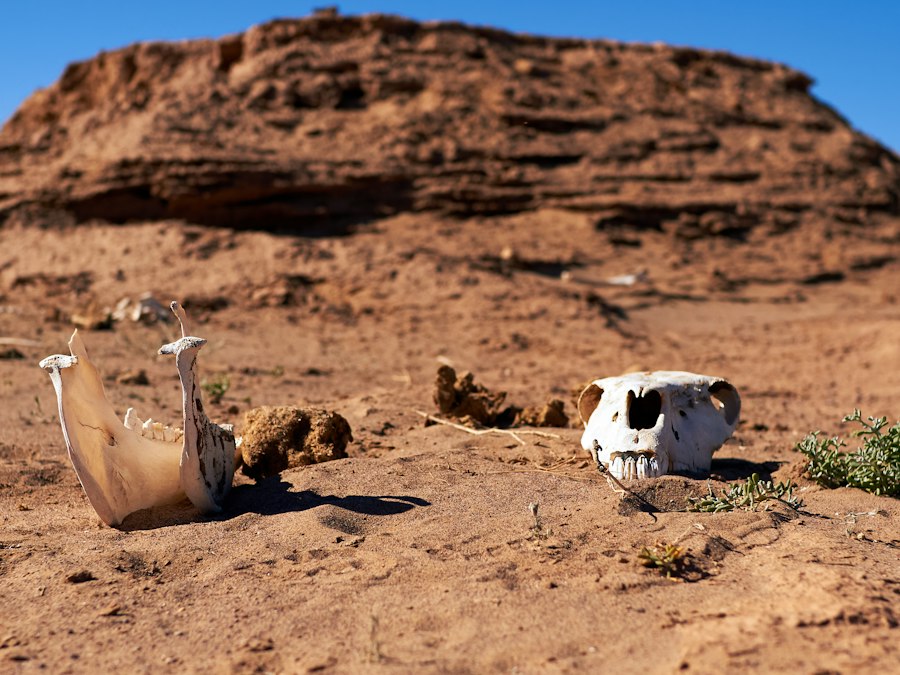
The delicate balance of their existence was shattered by a series of events that would forever change the lives of Anya and Kael. A harsh winter, more brutal than any they had experienced before, decimated their herd. The mammoths, their primary food source, were scarce, and the smaller game proved elusive. Competition for dwindling resources led to increased tensions within the clan, and eventually, the difficult decision was made to split into smaller, more mobile groups. Anya’s family, along with a handful of others, found themselves venturing into uncharted territory, their future uncertain.
A World Unfamiliar
The new lands were a stark contrast to the familiar rolling plains. Towering forests, dense and shadowed, replaced the open grasslands. Strange, unfamiliar scents filled the air, and the sounds of the forest were a constant symphony of rustling leaves and unseen movements. Anya felt a prickle of unease, but her mother’s calm demeanor and her father’s reassuring hand on her shoulder steadied her. Kael, initially intimidated by the towering trees and the echoing calls of unknown birds, soon found himself fascinated by the new environment. He discovered new types of berries, learned to identify the tracks of forest-dwelling animals, and developed a newfound respect for the silence that often preceded danger.
The Shadow of Hunger
The dispersal brought with it a persistent gnawing hunger. The familiar hunting grounds were gone, and the prey in this new territory was more elusive and wary. Days turned into weeks with little success, and the meager rations they had brought with them dwindled. Anya’s mother began to ration their food even more strictly, her eyes etched with worry. Kael, seeing the toll it was taking on his family, doubled his efforts, venturing further afield with the older boys, hoping to find any sign of sustenance. He learned to be patient, to observe the smallest details, and to celebrate even the smallest of catches.
Trials of the Wilderness

As the seasons shifted, Anya and Kael faced a series of challenges that tested their resilience and their bond. They learned to adapt to the ever-changing environment, to harness its resources, and to overcome its inherent dangers. Their courage was not the absence of fear, but the ability to act in spite of it, driven by the primal need to survive.
The Perils of the Path
Their journey was not a gentle stroll through a pastoral landscape. It was a constant struggle against the elements. Fierce storms would sweep down from the mountains, forcing them to seek shelter in shallow caves or beneath the overhang of rocky outcrops. Freezing rains would soak them to the bone, and the chilling winds would penetrate their thin furs. Anya learned to read the sky, to anticipate the changing weather patterns, and to guide her family to the safest havens. Kael, with his boundless energy, often scouted ahead, his small legs carrying him across treacherous terrain to find a more sheltered camping spot or a clear path through a dense thicket.
Encounters with the Wild
The wilderness was teeming with life, not all of it benign. They learned to be wary of the stealthy wolves that prowled the fringes of their camps, their mournful howls a constant reminder of their presence. The lumbering bears, drawn by the scent of their meager food stores, presented a more immediate threat. Anya’s father, a skilled hunter and warrior, would stand his ground, his spear held firm, while Anya and her mother kept the younger children close, their hearts pounding in their chests. Kael, in his youthful bravado, sometimes found himself face to face with smaller, but no less dangerous, creatures. He learned to avoid the snapping jaws of territorial wild boars and the venomous bite of certain snakes, his quick reflexes saving him from more than one close call.
The Art of Resourcefulness
Survival in this world demanded an extraordinary level of resourcefulness. Anya discovered that certain mosses, when pounded and mixed with animal fat, could create a rudimentary, yet effective, balm for burns and scrapes. Kael, observing the birds, learned to fashion simple traps from sinew and pliable branches, catching small game that supplemented their diet. They learned to utilize every part of an animal, from the meat for sustenance to the bones for tools and the sinews for cordage. Even the dung of herbivores was dried and used as fuel for their fires, a testament to their ability to find value in the most unexpected places.
The Unseen Hand of Fate
Despite their best efforts, the harsh realities of their existence often felt like the whim of unseen forces. Sickness could strike with terrifying speed, felling the strongest among them. Accidents, both large and small, were a constant possibility. Anya and Kael learned to live with a sense of precariousness, understanding that their lives hung by a thread.
The Scythe of Illness
A particularly brutal fever swept through their small group one spring. It started with a cough, then a burning in the throat, and soon, many were wracked with chills and delirium. Anya’s mother, despite her own weakness, worked tirelessly, brewing herbal remedies and offering comfort. Kael, too young to fully comprehend the gravity of the situation, would sit by the sick, his small hand a gentle touch on a fevered brow. He saw the fear in the eyes of the adults, and it instilled in him a deep empathy for the suffering of others. The survivors emerged from this ordeal forever changed, their appreciation for life deepened by the stark reminder of its fragility.
The Sudden Blow of Misfortune
Anya vividly remembered the day a rockslide tumbled down a mountainside, narrowly missing their temporary camp. The roar of falling stone was deafening, and the ground shook violently. They had to scramble to safety, their precious belongings left behind. Kael, ever the explorer, had been a little further afield, and for a terrifying few moments, his family feared the worst. His eventual return, dusty and shaken but unharmed, was met with a wave of relief so profound it left them breathless. These sudden, unpredictable events became a part of their lives, teaching them to be ever vigilant and to cherish the moments of peace.
The Wisdom of Acceptance
While they fought tirelessly for their survival, Anya and Kael also learned a profound lesson in acceptance. They understood that some battles were not theirs to win. When illness claimed a loved one, or when a hunt failed to yield its bounty, they grieved, but they also found the strength to move forward. This acceptance was not resignation, but a mature understanding of the natural order of things, a recognition that life and death were inextricably intertwined. It was a wisdom far beyond their years, forged in the crucible of their harsh environment.
In the fascinating exploration of prehistoric life, the story of a daughter and son surviving the brutal elements highlights the resilience of human spirit in the face of adversity. Their journey through harsh landscapes and unforgiving climates showcases the ingenuity and determination required to thrive in such conditions. For those interested in similar themes of survival and the challenges faced by early humans, a related article can be found at this captivating documentary that delves into the struggles and triumphs of ancient civilizations.
Bonds Forged in Fire
| Metric | Daughter | Son |
|---|---|---|
| Age at Survival Start | 12 years | 14 years |
| Survival Duration (days) | 180 | 180 |
| Water Sources Located | 3 | 3 |
| Food Gathered (kg) | 15 | 20 |
| Temperature Range Endured (°C) | -10 to 35 | -10 to 35 |
| Injuries Sustained | 2 minor cuts | 1 sprained ankle |
| Tools Crafted | 5 | 7 |
| Shelters Built | 2 | 3 |
| Wild Animal Encounters | 4 | 5 |
| Survival Skills Learned | Fire making, foraging | Hunting, tracking |
Through it all, the most enduring element of Anya and Kael’s journey was the unbreakable bond between them. Their shared experiences, their mutual reliance, and their deep affection for one another were their greatest strengths. They were not just siblings; they were each other’s anchors in a world that offered little certainty.
A Shared Vigil
As Anya grew into a young woman, her role as a protector and caregiver became more pronounced. She would often find herself watching over Kael, a silent guardian. Kael, in turn, looked up to his sister with unwavering admiration. He trusted her judgment implicitly, and her presence brought him a sense of security. They would spend hours together, foraging for berries or tending to the fire, their conversations often a mixture of shared observations about the natural world and hushed whispers about their hopes for the future.
The Language of the Heart
Their communication transcended mere words. Anya could often sense Kael’s moods by the subtle shifts in his posture or the expression in his eyes. Kael, in turn, understood Anya’s unspoken concerns and her quiet determination. They were attuned to each other’s needs, anticipating them before they were even voiced. This deep understanding was a testament to their shared journey, a testament to the years spent facing adversity side by side, their hearts beating in a synchronized rhythm of survival.
A Legacy of Resilience
Years later, long after their immediate struggles had faded into the mists of time, the story of Anya and Kael would be passed down through the generations. Their resilience, their resourcefulness, and their unwavering love for one another would become a legend, a testament to the indomitable spirit of humanity in its most primal form. They were more than just children who braved the harsh elements; they were symbols of survival, of courage, and of the enduring power of the human connection, a testament to what could be achieved when two young souls stood together against the world.
➡️Life 20,000 Years Ago | When Strangers Claim Your Winter Shelter 🚨
FAQs
What challenges did prehistoric children face in their environment?
Prehistoric children faced numerous challenges, including harsh weather conditions, scarcity of food, and threats from predators. They had to learn survival skills at a young age, such as foraging for edible plants, hunting small animals, and finding shelter to protect themselves from the elements.
How did prehistoric families ensure their survival?
Prehistoric families often worked together to ensure their survival. They relied on cooperative hunting and gathering, sharing resources, and teaching survival skills to their children. This communal approach helped them to better withstand the brutal elements and increase their chances of survival.
What role did the environment play in the development of prehistoric children?
The environment played a crucial role in shaping the lives of prehistoric children. They had to adapt to their surroundings, learning to recognize seasonal changes, identify edible plants, and understand animal behavior. These experiences were essential for their development and survival in a challenging world.
What skills did prehistoric children learn from their parents?
Prehistoric children learned a variety of essential skills from their parents, including hunting techniques, tool-making, fire-starting, and foraging. These skills were vital for their survival and were often passed down through generations, ensuring that knowledge was preserved and adapted over time.
How did prehistoric children contribute to their communities?
Prehistoric children contributed to their communities by participating in daily tasks such as gathering food, helping with childcare, and learning to hunt as they grew older. Their involvement not only supported their families but also fostered a sense of belonging and responsibility within their social groups.