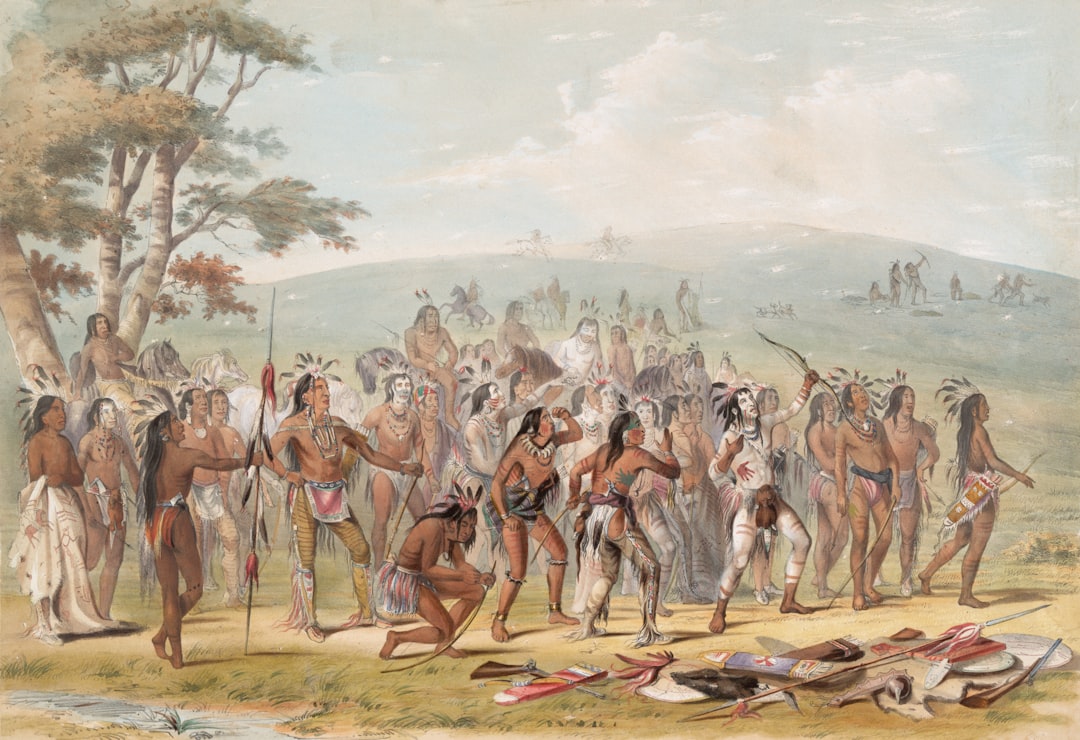
The story of prehistoric economies is not one of bustling marketplaces or intricate financial instruments, but rather a testament to the ingenuity and resilience of early humans in their relentless pursuit of survival. For millennia, before the advent of agriculture, complex societies, or even written records, our ancestors navigated a world teeming with both opportunity and peril. Their economies, though rudimentary by modern standards, were sophisticated systems of resource acquisition, distribution, and social cooperation, meticulously honed through generations of observation, adaptation, and innovation. Understanding these early economic strategies provides a profound insight into the evolutionary trajectory of human behavior and lays the foundation for our own complex economic systems.
The bedrock of the prehistoric economy was undoubtedly the acquisition of food and essential resources through direct engagement with the natural world. This was a daily, often hourly, challenge, demanding a keen understanding of ecological patterns, animal behavior, and plant properties. The life of early humans was intrinsically tied to the cycles of nature, dictating their movements, social structures, and technological development.
The Art of Foraging: A Delicate Balance with Nature
Foraging, the practice of gathering wild plants, fruits, nuts, seeds, and roots, formed a crucial and often primary component of the prehistoric diet. This was not a passive activity; it required extensive knowledge passed down through generations. Early humans possessed an intimate understanding of local flora, knowing which plants were edible, which were medicinal,, and, critically, which were poisonous. They learned to identify the optimal times for harvesting, understanding the seasonal availability of different resources. This knowledge was not static; it was continuously refined through trial and error and shared within the community.
Seasonal Cycles and Resource Diversity
The success of foraging was heavily dependent on understanding and exploiting seasonal cycles. Different plants ripen at different times of the year, and their nutritional content varies. A skilled forager would map out a mental landscape of resource availability, anticipating the bounty of spring berries, the richness of summer fruits, and the sustaining power of autumn nuts. This required observation of plant growth patterns, weather phenomena, and the subtle environmental cues that signaled a change in seasons. The diversity of available plants was also crucial for a balanced diet. Relying on a single food source would have been precarious, making early humans adept at identifying and utilizing a wide array of edible species to ensure nutritional adequacy and mitigate the risks of scarcity.
The Role of Tools in Foraging
While foraging might seem to rely solely on human hands and knowledge, the development of simple tools played a significant role. Digging sticks, often sharpened at one end, were invaluable for unearthing edible roots and tubers. Containers, likely made from woven plant fibers, gourds, or animal hides, were essential for transporting gathered food. Even the development of sharpened stones for cutting and scraping aided in the preparation of plant materials, making them more digestible or extracting specific nutrients. These tools, though basic, represent early forms of capital investment, as they increased the efficiency and yield of foraging efforts.
The Thrill and Peril of the Hunt: A Communal Endeavor
Hunting, while perhaps more dramatic and dangerous, provided a vital source of protein, fat, and other essential nutrients in the prehistoric diet. It was a complex undertaking that required planning, cooperation, and a deep understanding of animal behavior. The scale of the hunt could range from small game to large, formidable creatures, each presenting its own set of challenges and rewards.
Strategies for Success: From Individual Stalking to Coordinated Drives
Hunting strategies varied depending on the prey. Chasing down smaller animals like rabbits or birds might have been undertaken by individuals or small groups, relying on stealth and speed. For larger game, such as deer, bison, or mammoths, coordinated group hunts were essential. These hunts may have involved using natural features like cliffs or ravines to funnel prey, or employing fire to scare animals towards prepared traps or ambushes. The development of projectile weapons, such as spears with sharpened stone points and later bows and arrows, revolutionized hunting, allowing for more effective and safer engagement with prey from a distance.
The Importance of Communal Effort and Knowledge Sharing
The success of large-scale hunts was inextricably linked to communal effort. This necessitated a high degree of social cohesion and effective communication. Members of the group would have had distinct roles, from scouts who tracked prey to those responsible for driving the herd or setting up traps. The knowledge of animal migration patterns, feeding grounds, and breeding habits was a communal asset, passed down through oral tradition and shared experiences. The risks associated with hunting – injury or even death – also fostered a sense of interdependence; a successful hunt benefited everyone in the group, and the care of the injured was a collective responsibility.
The study of prehistoric economy reveals fascinating insights into how early humans managed resources and traded goods long before the advent of written language. For a deeper understanding of the technological advancements that may have influenced these early economic systems, you can explore the article on ancient inventions and the potential conspiracy surrounding them. This article provides a compelling perspective on how innovations shaped prehistoric societies and their economies. To read more, visit Uncovering Ancient Inventions: The Conspiracy to Hide Technological Advancements.
The Evolution of Tools and Technology: Enhancing Survival and Efficiency
The development of tools and technology was not merely about convenience; it was a crucial determinant of survival and the engine of economic advancement in the prehistoric era. Each innovation, no matter how simple, represented an increase in a group’s capacity to acquire resources, process them, and protect themselves from their environment. The trajectory of tool development reflects a growing mastery over the natural world.
Stone Tools: The First Industrial Revolution
The Paleolithic era is often characterized by the widespread use and evolution of stone tools. These were the first examples of human-made technology, shaping every aspect of prehistoric life. From the earliest choppers and handaxes to more refined blades and points, the mastery of stone knapping was a vital skill.
Lithic Technology: Shaping the Prehistoric World
The process of creating stone tools, known as lithic technology, involved striking one stone (a hammerstone) against another (a core) to detach flakes. Different types of stone, such as flint, obsidian, and chert, were preferred for their conchoidal fracture properties, which allowed for the creation of sharp edges. The development of more sophisticated techniques, like pressure flaking, allowed for finer retouching and the creation of more specialized tools.
Specialization of Tools: Beyond Basic Cutting
Over time, stone tools became increasingly specialized. Handaxes, versatile tools used for a range of tasks including butchering, digging, and chopping, were followed by a wider array of implements. Scrapers, used for cleaning hides and preparing materials, arrowheads and spear points for hunting, and awls for piercing materials, all demonstrate a growing understanding of specific needs and the development of tailored solutions. These specialized tools significantly increased the efficiency of various economic activities.
The Control of Fire: A Transformative Discovery
The mastery of fire was a monumental achievement, with profound economic and social implications. It extended the boundaries of human activity, provided warmth and protection, and revolutionized food preparation.
Benefits of Fire: Beyond Simple Warmth
Fire provided essential warmth, allowing humans to survive in colder climates and extend their active hours beyond daylight. It offered crucial protection from predators, deterring nocturnal animals. However, the most significant economic impact of fire was its role in food preparation. Cooking rendered many plants more digestible and nutritious, breaking down tough fibers and releasing vital nutrients. It also killed harmful bacteria and parasites, making food safer to consume. This increased the available food resources and improved overall health.
Fire as a Tool: Hunting and Land Management
Fire was also a tool for hunting and potentially for early forms of land management. Controlled burns could be used to drive game towards hunters or to clear undergrowth, encouraging the growth of desirable plants and attracting herbivores. This suggests an early, albeit rudimentary, understanding of ecological manipulation for economic benefit.
The Emergence of Social Structures and Exchange

As early human groups grew and their subsistence strategies became more complex, so too did their social structures and the ways in which resources were shared and exchanged. While barter, as we understand it, was likely not a formal practice, the principles of reciprocity and exchange were fundamental to survival and the development of intergroup relationships.
Reciprocity and Mutual Aid: The Glue of Prehistoric Societies
The concept of reciprocity, the giving and receiving of goods or services, was likely a cornerstone of prehistoric economies. In small, kin-based groups, sharing food and resources was not just an act of kindness but a necessary strategy for survival. If one individual or family had a successful hunt or gathered a particularly abundant harvest, they would share their surplus with others who were less fortunate. This created a safety net, ensuring that no one starved and that the group as a whole remained strong.
The Role of Kinship and Obligation
Kinship ties played a crucial role in defining these reciprocal relationships. Obligations to family members were paramount, and these obligations extended to shared resources and collective labor. The strength of these kinship bonds fostered trust and a sense of collective responsibility, underpinning the cooperative hunting and gathering efforts.
The Ethics of Sharing: Building Trust and Security
The act of sharing fostered a culture of trust and security within groups. Knowing that your needs would be met, even during times of hardship, allowed individuals to focus on other tasks and contribute to the collective good. This social contract, though unwritten, was essential for the long-term viability of prehistoric communities.
Early Forms of Exchange: Beyond Immediate Needs
While direct reciprocity within a group was fundamental, evidence suggests that exchange also occurred between different groups, albeit often in a more informal and ritualistic manner. This exchange was not solely about immediate survival needs but also about access to valuable resources and the formation of social alliances.
Trade Networks and the Movement of Valued Materials
The discovery of certain materials, such as obsidian for tools, specific types of stone for weapons, or shells and animal teeth for adornment, in locations far from their origin, indicates the existence of early trade networks. These networks likely operated through networks of travelers who exchanged goods over long distances. The prestige associated with certain exotic items also played a role, suggesting an early form of status signaling through material possessions.
The Significance of Gift-Giving and Social Bonding
Much of this intergroup exchange likely took the form of gift-giving. While a gift might appear to be a one-way transfer, it often carried implicit obligations for future reciprocation. This practice served to strengthen social bonds, create alliances, and facilitate the movement of valuable resources. The exchange of gifts could be part of larger ceremonies or gatherings, further solidifying relationships between groups.
Social Stratification and Early Forms of Ownership

While prehistoric societies are often characterized as egalitarian, evidence suggests that nascent forms of social stratification and concepts of ownership began to emerge, particularly as resource acquisition and exchange became more complex. These were not the rigid class systems of later eras, but rather subtle distinctions in status and access to resources.
The Emergence of Leadership and Influence
In any group endeavor, particularly those involving coordination like large hunts or migration, individuals with certain skills or qualities would naturally rise to positions of influence. These might be the most skilled hunters, the most knowledgeable foragers, or individuals with strong communicative abilities. While not formal rulers, these influential individuals likely held sway in decision-making and resource allocation.
Skills and Knowledge as Social Capital
The accumulation of specialized skills and knowledge, whether in toolmaking, hunting, or understanding the environment, would have conferred social capital upon individuals. These individuals might have enjoyed greater respect, access to better resources, or a more prominent role in decision-making processes. This suggests a meritocratic element within early societies.
The Accumulation of Valuable Resources
While outright private property was likely rare, the accumulation of certain valuable resources could have contributed to social distinctions. This might have included a disproportionate share of high-quality tools, rare materials obtained through trade, or even a more secure and abundant food supply. These accumulations, though modest, could have provided an advantage and potentially established a hereditary element over time.
Early Concepts of Ownership: Within Bounds
The concept of ownership in prehistoric times was likely more fluid and context-dependent than the rigid definitions we have today. While individuals might have had personal tools or possessions they used daily, the idea of exclusive, permanent ownership of land or large resources was probably less prevalent in mobile foraging societies.
Personal Possessions and Tools
Individuals likely had a strong sense of personal ownership over their tools and personal adornments. These were extensions of themselves and vital for their daily survival. The careful preservation and maintenance of these items suggest a degree of personal attachment and a desire to retain them.
Communal Resources and Temporary Claims
Land and major food sources, such as hunting grounds or fruit-bearing trees, were likely viewed as communal resources, accessible to all members of the group. However, there might have been temporary claims or preferential access based on factors like immediate need, the ability to defend or utilize the resource, or established social status. The concept of “owning” a hunting territory, for instance, might have been more about an established right to utilize it based on tradition and group affiliation rather than exclusive dominion.
The study of prehistoric economy reveals fascinating insights into how early humans organized their resources and trade systems. For a deeper understanding of how conflict can influence economic structures, you might find it interesting to explore an article discussing the escalating tensions in the Ukraine border conflict, which highlights the complexities of modern economic interactions. You can read more about it here.
The Legacy of Prehistoric Economies: Shaping Human Civilization
| Time Period | Economic Activity | Tools/Technology |
|---|---|---|
| Paleolithic Age | Hunting and gathering | Stone tools, fire |
| Neolithic Age | Agriculture, domestication of animals | Plows, irrigation systems |
| Bronze Age | Trade, metalworking | Bronze tools, pottery wheels |
The economic strategies and adaptations of early humans, though seemingly simple, laid the groundwork for all subsequent human economic development. The principles of resource management, cooperation, technological innovation, and social exchange forged in the crucible of prehistoric survival continue to resonate in our modern world.
Innovation as a Driving Force: The Dawn of Progress
The relentless need to survive in challenging environments spurred perpetual innovation. From the development of the first stone tools to the mastery of fire and the eventual emergence of agriculture, each step represented a significant leap forward in human capacity. This inherent drive to improve and adapt is a fundamental characteristic of our species, rooted in these early economic struggles.
The Cycle of Problem-Solving and Advancement
Prehistoric economies operated on a continuous cycle of problem-solving. Faced with environmental challenges, resource scarcity, or threats from predators, our ancestors devised solutions through ingenuity and adaptation. These solutions, in turn, created new opportunities and necessitated further innovation, driving a relentless march of progress.
The Foundation for Future Economic Systems
The fundamental principles of production, distribution, and consumption, even in their most basic forms, were established during the prehistoric era. The development of specialized labor, the importance of trade and reciprocity, and the early inklings of social organization all provide the conceptual building blocks for more complex economic systems that would emerge in later epochs.
The Social and Cultural Roots of Economics
The prehistoric economy was not merely about material sustenance; it was deeply intertwined with social structures, cultural practices, and a shared understanding of the world. The need for cooperation fostered strong social bonds, while the sharing of knowledge and resources shaped cultural norms and traditions.
The Interplay of Economic and Social Evolution
Understanding prehistoric economies highlights the inseparable link between economic and social evolution. As groups developed more effective ways to acquire resources, their social structures adapted to support these new capabilities. Conversely, changes in social organization, such as increased cooperation, could lead to greater economic success.
A Foundation for Understanding Human Behavior
The study of prehistoric economies offers a unique window into the evolutionary roots of human behavior. Our innate drives for cooperation, innovation, and reciprocal exchange, so crucial for survival in our distant past, continue to shape our economic decisions and social interactions today. It reminds us that our complex economic systems are built upon a foundation of ancient strategies, finely tuned by millennia of adaptation for the most fundamental of human endeavors: survival.

How Volcanic Glass Solved a 10,000-Year-Old Mystery
FAQs
What is prehistoric economy?
Prehistoric economy refers to the economic systems and activities of human societies before the development of written records. This period is typically divided into the Paleolithic, Mesolithic, and Neolithic eras.
What were the main sources of prehistoric economy?
The main sources of prehistoric economy were hunting, gathering, fishing, and later, agriculture. These activities provided the necessary resources for survival and the development of early human societies.
How did prehistoric economies function?
Prehistoric economies functioned through a combination of subsistence activities such as hunting, gathering, and fishing, as well as the development of trade and exchange networks. These activities allowed for the distribution of resources and goods among different groups.
What tools and technologies were used in prehistoric economies?
In prehistoric economies, early humans used tools such as stone axes, spears, and later, agricultural implements like plows and sickles. These tools and technologies were essential for hunting, gathering, and agricultural activities.
What impact did prehistoric economies have on the development of human societies?
The development of prehistoric economies laid the foundation for the growth of human societies, the establishment of settlements, and the eventual development of more complex economic systems. It also led to the emergence of social hierarchies and the specialization of labor.