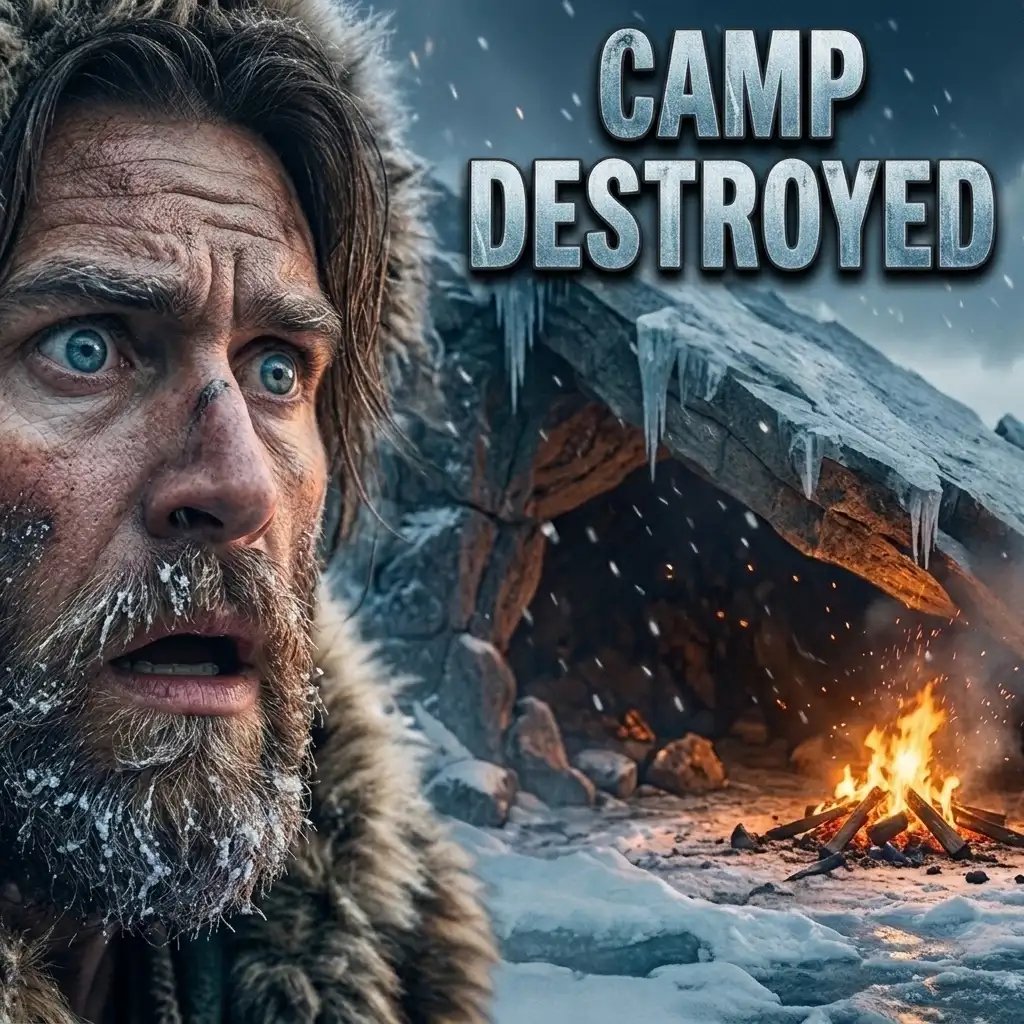
The flickering firelight cast dancing shadows on the rough-hewn cave walls, illuminating the weary faces of a small family unit. They were Homo erectus, or perhaps an early Neanderthal band, living in a world far removed from modern comforts and predictability. Survival was a constant, gnawing concern, a daily battle against hunger, predators, and the unforgiving elements. Yet, within this harsh crucible, intricate family dynamics played out, forged in the fires of necessity and strengthened by the primal bonds of kinship. This was a world where cooperation wasn’t a choice, but a lifeline, and where the strength of the group, and by extension, the family, was the only shield against extinction.
The Perilous Landscape of Prehistoric Existence
Life for early humans was a precarious tightrope walk. The Pleistocene epoch, a period of dramatic climatic shifts and megafauna, presented a formidable challenge. Resources were scarce and unpredictable, forcing constant movement and adaptation. This environment shaped not only their physical traits but also their social structures, emphasizing communal living and mutual dependence as crucial elements for survival. The very fabric of their existence was woven from the threads of risk and reward, where a successful hunt meant sustenance for weeks, while a failed one could spell starvation. The constant threat of predators, from saber-toothed cats to pack-hunting wolves, meant that vigilance was paramount, and the safety of the young was an ever-present worry.
Scarcity and the Drive for Sustenance
The primary driver of prehistoric family life was the relentless pursuit of food. Foraging for edible plants, roots, and berries, alongside hunting game, formed the core of their daily activities. This was not the domain of lone individuals; it was a collective endeavor. Adult males and females likely collaborated in the hunt, with different skill sets contributing to the overall success. Women might have focused on identifying edible flora and preparing food, while men, perhaps with the aid of rudimentary tools, tackled larger prey. The successful procurement of food directly impacted the survival of the entire family unit, from the youngest infant to the most elderly member. This shared responsibility instilled a deep understanding of interdependence, where individual effort was directly tied to the well-being of all. The knowledge of where and when to find sustenance was passed down through generations, a vital form of cultural transmission that ensured the continuation of the family line.
Environmental Hostilities and Shelter
Beyond the immediate need for food, prehistoric families contended with a hostile natural environment. Extreme temperatures, powerful storms, and the ever-present threat of natural disasters like landslides or floods demanded constant adaptation. Caves and rock shelters provided crucial protection from the elements, offering a sense of security and a communal space for the family to gather. The selection and maintenance of these shelters were likely shared responsibilities, with individuals contributing to making them more habitable and defensible. The ability to find or create suitable shelter was a testament to their resourcefulness and their understanding of the landscape. The knowledge of which shelters offered the best protection from prevailing winds, rainfall, and predators was a precious piece of accumulated wisdom, guarded and passed down. The fire, a relatively late but revolutionary development, transformed these shelters from mere refuges into warm, well-lit centers of communal life, offering protection not only from the cold but also from nocturnal predators.
The Specter of Predators and Defense Strategies
The presence of dangerous predators was a constant, palpable threat. Saber-toothed cats, cave bears, and packs of wolves posed a significant danger, especially to the vulnerable – the young, the old, and the injured. This shared threat fostered strong defensive strategies within the family unit. Vigilance was a learned behavior, with adults constantly scanning their surroundings and actively teaching younger members to recognize danger signals. The formation of a close-knit group, often consisting of multiple related families, offered a collective defense. Alarm calls, coordinated movements, and the use of rudimentary weapons like sharpened sticks or stones would have been employed to ward off attackers. The denizens of the night were particularly feared, and the safety of the sleeping group was paramount, with sentinels likely taking turns to maintain watch. The success of these defense strategies directly translated to the survival of the family, making group cohesion and mutual protection non-negotiable.
In exploring the complexities of prehistoric family dynamics under extreme stress, one can gain valuable insights from the article “Unearthed: The Lost Tech They Hid,” which delves into the technological advancements and social structures of ancient societies. The article highlights how these innovations may have influenced familial relationships and survival strategies during challenging times. For a deeper understanding of how stressors shaped family interactions in prehistoric contexts, you can read the article here: Unearthed: The Lost Tech They Hid.
The Unseen Threads of Kinship: Roles and Responsibilities

Within the harsh realities of prehistoric life, the family unit served as the primary social and emotional anchor. While societal structures were undoubtedly simpler than modern ones, the bonds of kinship were crucial for nurturing, protection, and the transmission of essential survival skills. The allocation of roles within the family, though not rigidly defined by gender in the way later societies would be, was likely influenced by age, physical capabilities, and learned expertise. This division of labor, however, was always in service of the collective good, ensuring the survival and prosperity of the entire unit.
The Pervasive Influence of the Matriarchal Figure
Evidence suggests that the mother, or a senior female, often played a central role in prehistoric family dynamics. Her primary responsibility was the nurturing and protection of the young, a task that required immense dedication and skill in a world filled with peril. She would have been responsible for the early stages of childcare, ensuring the infants were fed, kept warm, and shielded from immediate dangers. Beyond direct childcare, she likely held a wealth of knowledge regarding edible plants, medicinal herbs, and the subtle signs of impending weather changes. Her wisdom was invaluable, and her guidance could mean the difference between life and death for the entire family. The concept of a “grandmother hypothesis” suggests that older females, having passed their reproductive years, contributed significantly to the survival of their grandchildren by providing childcare and knowledge, thereby increasing the reproductive success of their offspring. This suggests a deep-seated, perhaps biologically influenced, reverence for experienced females within the family structure.
The Role of the Father and Male Protectors
Fathers and other adult males likely bore the primary responsibility for hunting, defense, and providing broader protection for the family unit. This did not necessarily mean they were detached from childcare; rather, their roles complemented those of the females. They were the providers of meat, a vital source of protein, and the front-line defenders against predators. Their physical strength and hunting prowess were essential for the family’s sustenance and security. The transmission of hunting techniques, tool-making skills, and knowledge of the terrain would have been a crucial part of their role in educating the younger males, ensuring the continuation of these vital survival skills. While direct nurturing might have been less pronounced than that of the females, their presence and protective instincts were undoubtedly a cornerstone of family stability and survival.
The Intergenerational Tapestry of Knowledge Sharing
Prehistoric families were not isolated units; they were part of a larger network, and the intergenerational transfer of knowledge was paramount. The oldest members of the family, even those less physically capable, held a repository of accumulated wisdom. They possessed knowledge of animal migration patterns, the best locations for foraging, the medicinal properties of plants, and the history of their territory – the dangerous areas to avoid, the successful hunting grounds. This knowledge was passed down through oral tradition, through observation, and through direct instruction. Children learned by watching, by participating, and by listening to the stories and advice of their elders. This intergenerational exchange was not merely about passing down facts; it was about instilling values, teaching social norms, and ensuring the continuity of their cultural heritage. The collective memory of the elders was a vital asset, a living library that guided the younger generations.
The Crucible of Conflict and Cooperation

While the primary driver was survival, the close proximity and intense pressures of prehistoric family life undoubtedly led to both conflict and cooperation. Competition for limited resources, differing opinions on strategies, and the inherent challenges of living in close quarters could have sparked disagreements. However, the overwhelming need for collective action in the face of external threats likely fostered strong cooperative tendencies, eclipsing the impact of internal strife. The ability to resolve disputes and to work harmoniously was as vital for survival as any hunting skill.
Navigating Scarcity: The Politics of Sharing
The unequal distribution of resources, particularly food, could have been a source of tension within the family. While outright hoarding might have been detrimental to the group, there were likely subtle dynamics at play regarding who received the choicest cuts or the largest portions. Decisions about sharing likely involved a complex interplay of need, status, and the perceived contribution of each individual. The sick, the injured, the very young, and pregnant females would have been prioritized, demonstrating a form of innate altruism and a long-term investment in the future of the family. The success of the hunt was a shared victory, and its spoils were distributed with an understanding that everyone’s survival depended on the collective benefit. Even in times of severe scarcity, the emphasis would have been on equitable distribution, preventing internal fragmentation.
The Unspoken Language of Support and Protection
Beyond the practicalities of resource sharing, prehistoric families relied on a deeply ingrained system of mutual support and protection. This manifested in myriad ways, from the physical reassurance offered to a frightened child to the collective effort to defend a vulnerable member. When an individual was injured or ill, the entire family would likely rally to their aid, providing comfort, assisting with their needs, and ensuring they remained safe. The emotional bonds formed through shared experiences of fear, joy, and loss would have been incredibly strong, fostering a sense of belonging and collective responsibility. This unspoken language of support was a vital component of their resilience, allowing them to weather the storms of life together. The presence of a supportive network was a buffer against the psychological toll of constant stress, providing a sense of security and reducing individual anxiety.
Resolving Discord: The Primal Need for Unity
While the image of prehistoric humans is often one of aggression, the reality within a stable family unit likely involved mechanisms for resolving conflict, albeit perhaps through non-verbal cues and displays of submission or dominance. Overt aggression that threatened the stability of the group would have been detrimental. Instead, disputes might have been settled through ritualized displays, avoidance, or the intervention of a dominant, respected individual. The ultimate goal was always the preservation of the family unit, and the need for unity in the face of external dangers would have provided a powerful incentive to suppress or resolve internal disagreements. The consequences of unchecked conflict could have been dire, leading to ostracism or even expulsion, a virtual death sentence in such a challenging environment.
The Legacy of Childhood: Innocence Amidst Hardship
The experience of childhood in prehistoric times was vastly different from the protected, prolonged adolescence of the modern world. Children were integrated into the family’s survival activities from a young age, learning by doing and contributing to the collective effort as soon as they were able. Yet, this did not negate the fundamental need for nurturing, play, and the development of social bonds. The learning process was experiential, a constant immersion in the realities of their world.
The Accelerated Path to Adulthood
Prehistoric children were not afforded the luxury of a lengthy period of play and education detached from the demands of survival. From a very young age, they were expected to participate in simple tasks, whether it was gathering small items, helping to carry water, or looking after younger siblings. This accelerated path to adulthood meant that they quickly acquired the skills necessary for their own survival and the contribution to the family’s well-being. Play, when it occurred, was likely interspersed with practical learning, mirroring the activities of the adults. A game of “hunting” with sticks, for instance, would have served both as recreation and as an early introduction to the fundamental skills of their society.
The Formation of Early Social Bonds and Alliances
The family unit was the primary social sphere for prehistoric children, and their early interactions shaped their understanding of social dynamics. They learned to communicate, to cooperate, and to negotiate within the confines of the family. Siblings, cousins, and other related children would have formed their own playgroups, developing early alliances and rivalries that mirrored the broader social structure. These early relationships were crucial for their social development, teaching them the nuances of group living and the importance of empathy and understanding. The bonds formed during childhood would often carry through into adulthood, strengthening the overall cohesion of the extended family or community.
Play as a Primal Tool for Skill Development
While the concept of “play” as a purely recreational activity might not have been fully formed, the activities of prehistoric children undoubtedly served as a vital means of skill development. Through imitation and practice, they honed their fine and gross motor skills, their observational abilities, and their problem-solving capacities. Games involving chasing, climbing, and throwing would have prepared them for the physical demands of hunting and gathering. Learning to identify edible plants through pretend foraging or understanding the behavior of animals by observing their games were all part of this immersive learning process. Play was not a diversion from the serious business of survival; it was an integral part of the preparation for it.
In exploring the complexities of prehistoric family dynamics under extreme stress, it is fascinating to consider how early humans might have navigated challenges similar to those faced by modern societies. A related article discusses the impact of climate change on contemporary family structures as communities are forced to adapt to displacement and resource scarcity. This piece highlights the parallels between past and present struggles, illustrating how environmental factors can strain familial bonds. For more insights on this pressing issue, you can read the article on climate refugees and their experiences of displacement here.
The Enduring Strength of the Family Unit
| Metric | Description | Observed Impact | Source/Method |
|---|---|---|---|
| Group Size | Average number of individuals per family unit | Reduced from 8-12 to 4-6 under extreme stress | Archaeological site population analysis |
| Resource Sharing | Frequency of food and tool sharing among family members | Increased by 35% during periods of scarcity | Isotopic analysis of bone chemistry |
| Child Mortality Rate | Percentage of children not surviving past age 5 | Rose from 20% to 45% during environmental stress | Osteological examination of juvenile remains |
| Division of Labor | Changes in task allocation between genders and ages | More flexible roles, with children assisting adults | Wear pattern analysis on tools and bones |
| Migration Frequency | Number of relocations per decade | Increased from 1 to 3 moves per decade | Settlement pattern studies |
| Social Cohesion | Indicators of cooperation and conflict within groups | Higher cooperation, lower intra-group violence | Analysis of trauma marks and burial practices |
In the grand narrative of human evolution, the family unit stands as a testament to the enduring power of kinship and cooperation. In the face of unimaginable challenges, these small, tightly knit groups managed not only to survive but to thrive, laying the foundation for the complex societies that followed. The bonds forged in the crucible of prehistoric life, strengthened by shared struggle and mutual dependence, proved to be an evolutionary advantage, ensuring the continuation of their species.
Resilience in the Face of Adversity
The family unit provided an unparalleled level of resilience. When individual members faltered, the collective strength of the group compensated. The support network within the family allowed individuals to take risks, knowing that there was a safety net of protection and sustenance. This resilience enabled early humans to adapt to diverse environments, to overcome periods of scarcity, and to persevere through the constant threats of a dangerous world. The shared knowledge, the collaborative efforts, and the emotional bonds all contributed to an extraordinary capacity for overcoming adversity.
The Foundation of Social Complexity
The dynamics within prehistoric families were the bedrock upon which more complex social structures were built. The principles of cooperation, resource sharing, and intergenerational knowledge transfer, honed within the family, were scaled up to form kin groups, clans, and eventually, larger communities. The early lessons learned in the intimate setting of the family provided the essential social blueprints for navigating the challenges of collective living. The success of these family units was a testament to their inherent social intelligence and their capacity for forming lasting, functional relationships.
A Primal Blueprint for Human Connection
Ultimately, the study of prehistoric family dynamics offers a profound insight into the fundamental nature of human connection. It reveals that the drive for belonging, for mutual support, and for the nurturing of offspring are not merely cultural constructs but deeply ingrained evolutionary imperatives. The extreme stress of their environment served to amplify these primal needs, demonstrating that even in the most challenging circumstances, the strength of family bonds is a powerful force for survival and for the perpetuation of the human spirit. The echoes of these early family bonds can still be felt today, reminding us of the enduring importance of kinship in our own lives.