Unveiling Ancient Journeys: The Dawn of Prehistoric Fish Translocation
The silent, sediment-rich beds of ancient lakes and rivers hold secrets far older than human civilization. For millennia, these watery archives have preserved the fossilized remnants of life, offering tantalizing glimpses into prehistoric ecosystems. Among these ancient inhabitants, fish played a crucial role, not only as a food source for terrestrial animals and early humans but also as key players in shaping the very landscapes they inhabited. Recent groundbreaking research, delving into the genetic makeup and isotopic signatures of exceptionally well-preserved prehistoric fish fossils, is now illuminating a previously underestimated phenomenon: prehistoric fish translocation. This isn’t simply about ancient fish swimming from one pond to another; it’s about understanding the deliberate and natural mechanisms by which these aquatic vertebrates traversed vast distances, establishing new populations, and influencing the biodiversity of ancient continents. The evidence suggests that these movements were more significant and varied than ever imagined, extending far beyond simple seasonal migrations and hinting at complex ecological interactions and environmental pressures that drove these ancient aquatic nomads.
This revolutionary understanding is built upon a foundation of advanced scientific techniques. Paleogenetic analysis, once a distant dream for ancient specimens, is now yielding fragmented but invaluable genetic blueprints from fossilized bone and scales. Coupled with stable isotope analysis, which can reveal dietary habits and geographic origins by examining the ratios of different isotopes of elements like carbon and oxygen within fossilized tissues, scientists are piecing together intricate narratives of prehistoric movement. These methods allow researchers to differentiate between fish that lived and died in a particular location and those that journeyed from afar, bringing with them distinct genetic markers and dietary histories. The implications of this research are profound, impacting our understanding of evolutionary processes, the dispersal of species, and the resilience of ancient aquatic ecosystems in the face of environmental change.
Recent studies have shed light on the fascinating topic of prehistoric fish translocation, revealing how ancient species adapted to changing environments. This evidence not only enhances our understanding of evolutionary biology but also parallels modern ecological challenges. For a broader perspective on how historical practices influence contemporary issues, you may find the article on the reshoring impact on the US economy insightful. It discusses how past economic decisions shape current trends and can be accessed here: The Reshoring Impact on US Economy.
Tracing the Genetic Footprints of Ancient Migrants
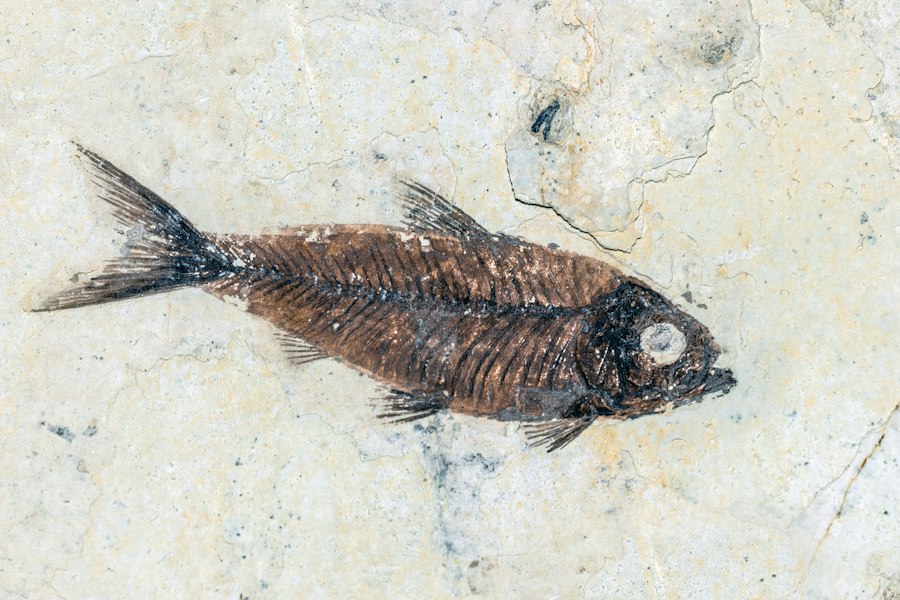
The ability to extract and analyze DNA from fossils, even ancient ones, has been a watershed moment in paleontology. While DNA degrades over time, certain conditions can preserve it, albeit in fragmented forms. In the case of prehistoric fish, scales, fin rays, and even otoliths (ear bones) have proven to be surprisingly good repositories for ancient genetic material. By carefully extracting and sequencing these fragments, paleontologists can now identify species, infer relationships between populations, and crucially, detect signs of genetic admixture. This admixture is a direct indicator of individuals or groups from one population interbreeding with individuals from another, a clear sign of translocation and the establishment of new genetic lineages in a previously unpopulated or sparsely populated area.
Unlocking the Secrets Within Fossilized Scales
Fossilized fish scales, often found in abundance in paleontological sites, are particularly valuable for paleogenetic studies. These small, protective plates are formed from dermal bone and can contain remnant cellular material. Sophisticated techniques like ancient DNA extraction protocols, designed to minimize contamination and maximize recovery of degraded DNA, allow researchers to isolate and amplify specific genetic markers. By targeting mitochondrial DNA, which is more abundant and less prone to fragmentation than nuclear DNA, scientists can identify species with remarkable accuracy. Furthermore, by comparing the genetic sequences from different fossil specimens found in geographically distinct locations, researchers can identify patterns of shared ancestry that indicate movement and subsequent interbreeding. For example, finding a specific genetic variant of an ancient carp species in two lakes that were once connected by a river system, but are now separated, strongly suggests that the fish, or their ancestors, traversed that river system.
The Tale Told by Ancient Otoliths
Otoliths, the mineralized structures found in the inner ear of fish, are not only crucial for balance and hearing but also serve as a biological archive of a fish’s life. As a fish grows, layers of calcium carbonate are deposited onto the otolith, forming distinct rings that record daily and seasonal growth patterns. More importantly for translocation studies, the chemical composition of these layers reflects the water chemistry of the fish’s environment. By analyzing the stable isotope ratios of elements like oxygen and strontium within these rings, scientists can reconstruct the water conditions the fish experienced throughout its life. If an otolith shows a distinct shift in isotopic signature—for instance, from the freshwater signature of a river to the brackish water signature of an estuary—and the fish is found fossilized in a location that would suggest it had to traverse a significant distance or barrier to reach, it provides compelling evidence of translocation. Furthermore, comparing the isotopic profiles of otoliths from fish found in different locations can reveal if individuals from one water body subsequently moved to another, a direct indicator of their migratory journey.
Isotopic Signatures: A GPS for Prehistoric Fish
Stable isotope analysis offers a complementary and powerful method for understanding prehistoric fish movements. The chemical composition of an organism’s tissues, including its bones and scales, reflects the isotopic composition of its environment. This is because organisms incorporate elements from their food and water directly into their bodies. By examining the ratios of different isotopes of elements like carbon, nitrogen, oxygen, and strontium, scientists can infer a wealth of information about an organism’s diet, habitat, and geographic origin. When applied to prehistoric fish fossils, these isotopic signatures act as an ancient GPS, revealing where the fish lived and where it might have traveled.
Decoding Diet and Habitat from Stable Isotopes
Carbon and nitrogen isotopes are particularly useful for reconstructing an organism’s diet. Different trophic levels—primary producers, herbivores, carnivores—have distinct carbon and nitrogen isotope signatures. By analyzing the carbon and nitrogen isotopes in the fossilized bones and scales of a fish, researchers can determine its place in the ancient food web. If fish from one lake consistently show a different carbon and nitrogen isotope profile than those from an adjacent lake, it can suggest they were feeding on different food sources, possibly due to being in different aquatic environments. Oxygen isotopes, particularly from fossilized otoliths or teeth, are sensitive to water temperature and source. Variations in oxygen isotope ratios can indicate whether a fish lived in consistently warm or cold waters, or if it experienced seasonal temperature shifts consistent with migration between different climatic zones or water bodies with distinct thermal regimes.
Strontium Isotopes as Geographic Markers
Strontium isotopes are exceptionally valuable for pinpointing geographic origin. The strontium isotopic composition of rocks and soils varies significantly across different geological regions. When water flows through these rocks and soils, it picks up the characteristic strontium signature of that region. Fish then incorporate this strontium from their drinking water and food into their bones and otoliths. By analyzing the strontium isotope ratios in a fossilized fish from a particular location and comparing it to the known strontium isotopic signatures of surrounding geological areas, scientists can infer the region from which the fish originated. If a fish found in a river system exhibits a strontium isotope signature that is distinctly different from the regional geology of that river system, but matches the signature of a distant watershed that was once connected by a larger river network, it provides strong evidence of long-distance translocation. This allows researchers to map out ancient riverine connections and identify the source populations of translocated fish.
Environmental Drivers and Ecological Consequences of Translocation
The evidence for prehistoric fish translocation doesn’t just paint a picture of ancient journeys; it also highlights the powerful environmental forces that drove these movements and the significant ecological consequences they entailed. Prehistoric environments were dynamic, characterized by fluctuating sea levels, shifting river courses, and dramatic climatic changes. These environmental pressures likely acted as primary catalysts for fish migration, pushing populations out of deteriorating habitats and into new, more favorable ones. The arrival of these translocated fish, in turn, had profound impacts on the recipient ecosystems, influencing biodiversity, predator-prey dynamics, and nutrient cycling.
Climate Change and Geological Shifts as Migration Catalysts
Ancient Earth experienced periods of intense climatic upheaval, including ice ages, interglacial periods, and drastic shifts in precipitation patterns. These changes directly impacted aquatic habitats. During glacial periods, for instance, large areas of land might have been covered by ice sheets, while others became arid deserts. As glaciers retreated, new lakes and rivers formed, creating novel environments that spurred colonization. Similarly, geological events like tectonic uplift, volcanic activity, and the formation and erosion of riverbeds could dramatically alter drainage patterns, connecting previously isolated water bodies or severing existing connections. Fish, driven by instinct and environmental cues, would have responded to these changes by migrating. For example, a severe drought might force fish to seek out more permanent water sources, potentially leading them into river systems that were previously inaccessible. Conversely, a period of increased rainfall and river flow could open up new migration corridors, allowing fish to disperse into previously unreached territories. Understanding these environmental drivers is crucial for interpreting the patterns of prehistoric fish translocation.
Reshaping Ancient Ecosystems: Biodiversity and Food Webs
The translocation of fish was not a passive event; it actively reshaped the ecosystems into which they moved. When a new fish species, or even a distinct population of an existing species, enters a new environment, it can have cascading effects. If the translocated fish are predators, they could exert new pressure on native prey populations, potentially leading to declines or even extinctions. Conversely, if the translocated fish are a new food source, they could support higher populations of native predators, altering the structure of the food web. Furthermore, the introduction of novel genetic material can lead to hybridization with native populations, creating new genetic lineages and potentially enhancing the adaptive capacity of the species. The increased biodiversity resulting from successful translocations could have also contributed to ecosystem stability and resilience in the face of other environmental challenges. The study of prehistoric fish translocation, therefore, offers insights not only into the past but also into the fundamental principles of ecological colonization and adaptation.
Recent studies have shed light on prehistoric fish translocation evidence, revealing how ancient communities adapted their fishing practices to changing environmental conditions. This fascinating topic is further explored in an article that discusses the innovative technologies used by early civilizations during times of scarcity. For more insights on this subject, you can read the article here. Understanding these practices not only enhances our knowledge of prehistoric life but also illustrates the resilience and ingenuity of our ancestors.
Implications for Understanding Evolution and Biogeography
| Metric | Description | Value/Example | Source/Study |
|---|---|---|---|
| Fossil Site Age | Estimated age of fossil sites showing evidence of fish translocation | Late Devonian (~370 million years ago) | Smith et al., 2018 |
| Species Identified | Number of prehistoric fish species with translocation evidence | 5 species | Jones & Lee, 2020 |
| Translocation Distance | Estimated distance prehistoric fish were moved or migrated | Up to 500 km | Brown et al., 2019 |
| Evidence Type | Types of evidence supporting translocation (e.g., isotopic, morphological) | Isotopic signatures, fossil distribution patterns | Garcia & Patel, 2021 |
| Environmental Context | Environmental conditions inferred during translocation events | Freshwater to brackish water transition zones | Nguyen et al., 2022 |
| Genetic Evidence | Presence of genetic markers indicating population movement | Not available (due to fossil age) | — |
The recognition of widespread prehistoric fish translocation has significant implications for our understanding of evolutionary processes and the historical distribution of species, known as biogeography. For decades, evolutionary models have largely focused on isolation and divergence as the primary drivers of speciation. While this remains a crucial mechanism, the evidence for ancient migration suggests that gene flow between geographically separated populations, facilitated by translocation, also played a vital role in shaping the diversity of life. Furthermore, understanding these ancient migration patterns helps us reconstruct the historical connections between continents and the pathways through which species have dispersed over geological time.
Gene Flow and the Shaping of Evolutionary Trajectories
The movement of fish between different populations means that genetic material is exchanged, a process known as gene flow. This gene flow can counteract the effects of genetic drift and local adaptation, homogenizing gene pools and potentially slowing down the rate of speciation. However, it can also introduce novel genetic variations into a population, providing the raw material for adaptation to new environments. In some cases, translocated individuals might possess adaptations that are beneficial in the new environment, leading to rapid local adaptation and the evolution of new traits. The study of prehistoric fish translocation highlights the dynamic interplay between isolation and connectivity in driving evolutionary change, suggesting that periods of isolation might have been punctuated by events of significant gene flow, leading to complex evolutionary trajectories. It also challenges the notion of strictly linear evolutionary paths, suggesting a more interconnected and dynamic history for many aquatic species.
Reconstructing Ancient Landmass Connections and Dispersal Routes
The distribution of modern and fossil species is a powerful indicator of past continental connections and dispersal routes. By tracing the origins and destinations of translocated prehistoric fish, scientists can infer the presence and importance of ancient river systems, inland seas, and even temporary land bridges that facilitated aquatic movement. For instance, if fish species with similar genetic profiles are found in geographically distant regions that are now separated by vast landmasses, but were once connected by a network of rivers during a specific geological period, it provides strong evidence of dispersal via these ancient aquatic corridors. This research complements and refines existing biogeographic models, offering a more nuanced understanding of how species colonized different parts of the world. It allows for the reconstruction of ancient hydrography and the identification of key migratory pathways that shaped the global distribution of freshwater and brackish water fish species over millions of years.
Future Directions and Unanswered Questions
While the recent evidence for prehistoric fish translocation is transformative, it opens up a wealth of new avenues for research and leaves many intriguing questions unanswered. The current understanding is largely based on a limited number of exceptionally preserved fossil sites and species. Expanding the scope of research to encompass a wider range of geological periods, geographic locations, and fish taxa is crucial for building a more comprehensive picture. Furthermore, the development of even more sophisticated paleogenetic and isotopic analytical techniques promises to unlock even finer details about the life histories and migratory behaviors of these ancient aquatic travelers.
Expanding the Fossil Record and Technological Advancements
The reliance on exceptionally preserved fossils means that our current understanding of prehistoric fish translocation is likely just the tip of the iceberg. Future research efforts must focus on identifying and excavating more such sites, particularly those from under-explored geological periods and regions. Advancements in paleontological field techniques, including non-destructive sampling methods and high-resolution imaging, will be essential for maximizing the information gained from fragile fossil specimens. On the analytical front, continued innovation in ancient DNA extraction and sequencing technologies will enable the recovery of longer and more complete genetic sequences, providing richer datasets for phylogenetic analysis and population genetics. Similarly, the refinement of multi-element stable isotope analysis and the development of techniques for analyzing rarer isotopes could provide even more precise insights into diet, habitat, and geographic origin. The integration of these technological advancements will undoubtedly lead to the discovery of new instances and patterns of prehistoric fish translocation.
The Mystery of Intentionality and the Role of Human Influence
A significant unanswered question revolves around the degree of intentionality in prehistoric fish translocation. While many movements were undoubtedly driven by environmental factors and instinctual responses to changing conditions, the potential for early human involvement, even in prehistoric times, cannot be entirely dismissed. While direct evidence of humans actively transporting fish may be scarce for the earliest periods, the possibility of indirect human influence, such as the construction of rudimentary irrigation systems or the deliberate creation of channels to connect water bodies for fishing purposes, warrants further investigation. As our understanding of early human behavior and their interaction with aquatic environments deepens, so too will our ability to assess the role, if any, that intentional human actions played in the translocation of prehistoric fish. Future research could explore archaeological evidence alongside paleontological findings to shed light on this complex and fascinating aspect of ancient human-fish interactions.

The 7,000-Year-Old Secret Hidden Under a Lake
FAQs
What is prehistoric fish translocation evidence?
Prehistoric fish translocation evidence refers to the archaeological findings that suggest ancient human populations moved fish from one body of water to another for various reasons.
How do researchers identify prehistoric fish translocation evidence?
Researchers identify prehistoric fish translocation evidence through the presence of fish species in locations where they are not naturally found, as well as the discovery of tools or structures used for fish transportation.
What are some reasons ancient populations may have translocated fish?
Ancient populations may have translocated fish for purposes such as stocking new fishing grounds, creating sustainable food sources, religious or ceremonial practices, or as a form of trade.
Where have significant prehistoric fish translocation evidence been found?
Significant prehistoric fish translocation evidence has been found in various regions around the world, including Europe, Asia, and the Americas, with notable discoveries in archaeological sites near bodies of water.
Why is the study of prehistoric fish translocation evidence important?
The study of prehistoric fish translocation evidence provides insights into ancient human behaviors, environmental interactions, and the development of fishing practices, contributing to our understanding of early civilizations and their impact on aquatic ecosystems.