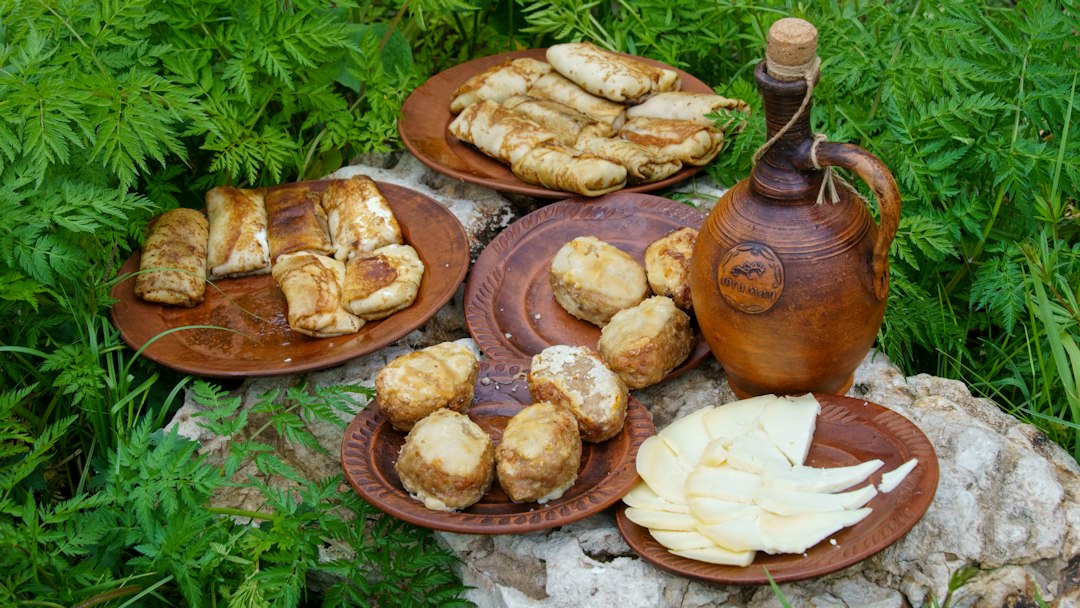
The Unseen Ingenuity: Prehistoric Food Preservation and Sharing Winter Reserves
The harsh realities of prehistoric life demanded an acute understanding of resource management, particularly when it came to food. Survival through the lean winter months, when hunting became more perilous and foraging yielded less, was a constant challenge. Prehistoric communities, far from being primitive in their thinking, developed sophisticated, albeit often overlooked, strategies for preserving food and sharing communal reserves. These practices were not merely about individual sustenance; they were the bedrock of social cohesion and the engine of cultural development, ensuring the survival and prosperity of groups through the year’s most demanding period. The seemingly simple act of storing food for later consumption represented a profound leap in cognitive and organizational abilities, setting the stage for more complex societal structures to emerge. It was a testament to their observation of natural cycles, their ingenuity in adapting to environmental constraints, and their developing understanding of collective responsibility. The success of these early societies was inextricably linked to their ability to anticipate future needs and to cooperate in meeting them.
Prehistoric food preservation techniques were crucial for early human survival, particularly in preparing for the harsh winter months when resources were scarce. By drying, smoking, and fermenting food, our ancestors ensured they had enough reserves to last through the cold season. This practice not only allowed them to maintain a stable food supply but also fostered a sense of community as they shared their winter reserves with one another. For a deeper understanding of how resource management and sharing dynamics have evolved over time, you can explore a related article that discusses the implications of resource allocation in different contexts at this link.
The Fundamentals of Early Food Storage

The earliest forms of food preservation were deeply rooted in the immediate environment and the readily available resources. These methods, though simple by modern standards, were remarkably effective for their time and context. They allowed early humans to extend the availability of food beyond the fleeting moments of harvest or successful hunt, providing a buffer against scarcity and uncertainty. This ability to store food was not just about survival; it represented a significant shift in human behavior, moving from a purely opportunistic foraging strategy to one that incorporated foresight and planning. The development of these techniques marked a crucial step in the evolution of human societies, allowing for greater population densities and the establishment of more permanent settlements.
Natural Cooling and Drying Techniques
The most basic and widely accessible preservation method involved harnessing natural environmental conditions. Exposure to dry air, wind, and sunlight were paramount in preventing spoilage. Meats, particularly from larger game, would be cut into thin strips and laid out in the sun and wind. This dehydration process, though slow, effectively reduced the water content of the meat, making it inhospitable to the bacteria and fungi responsible for decomposition. This practice was likely observed by watching carrion birds and other scavengers, who would often consume exposed animal remains. The effectiveness of sun-drying was amplified by geographic location; arid and semi-arid regions with consistent sunshine and breezes were ideal. The wind acted not only as a drying agent but also as a deterrent to insects that would otherwise infest the drying flesh. Similarly, fruits and berries, when abundant, would be dried to concentrate their sugars and reduce moisture, preserving them for later consumption.
Utilizing Caves and Cold Environments
Caves, with their stable temperatures and protection from the elements, offered a natural refrigerator. Early humans likely discovered the benefit of storing food in these cool, dark environments. The consistent cool air within caves slowed down the metabolic processes of spoilage organisms. Certain types of food, such as roots, tubers, and some fruits, could be stored in these cool conditions for extended periods. In regions with prolonged cold seasons, the natural freezing temperatures provided an even more potent preservation method. Meats could be left exposed to the frost, effectively freezing them solid. This process not only prevented spoilage but also made the meat easier to process and consume later. The discovery of the preservative power of cold was likely an accidental one, observed during periods of extreme cold when food remained edible for longer than usual. The careful observation and retention of such knowledge would have been crucial for survival.
Basic Smoking and Salting Practices
While definitive archaeological evidence for early smoking and salting is scarce and often debated, it is plausible that rudimentary forms of these techniques were employed. The process of smoking food, even if unintentional at first, could have arisen from cooking practices near open fires. The smoke contains antimicrobial compounds that, combined with the drying effect of the heat, would have extended the shelf life of the food. Evidence of fire pits and hearths suggests that controlled burning was a significant part of prehistoric life, and the incidental exposure of food to smoke could have led to the discovery of its preservative qualities. Salting, on the other hand, would have required a more deliberate acquisition of salt, which may not have been readily available in all prehistoric environments. However, salt licks or deposits would have been sought out, and the knowledge of salt’s ability to draw out moisture and inhibit bacterial growth might have emerged through observation of animals and the preservation of certain animal tissues.
The Art and Science of Storing Winter Reserves
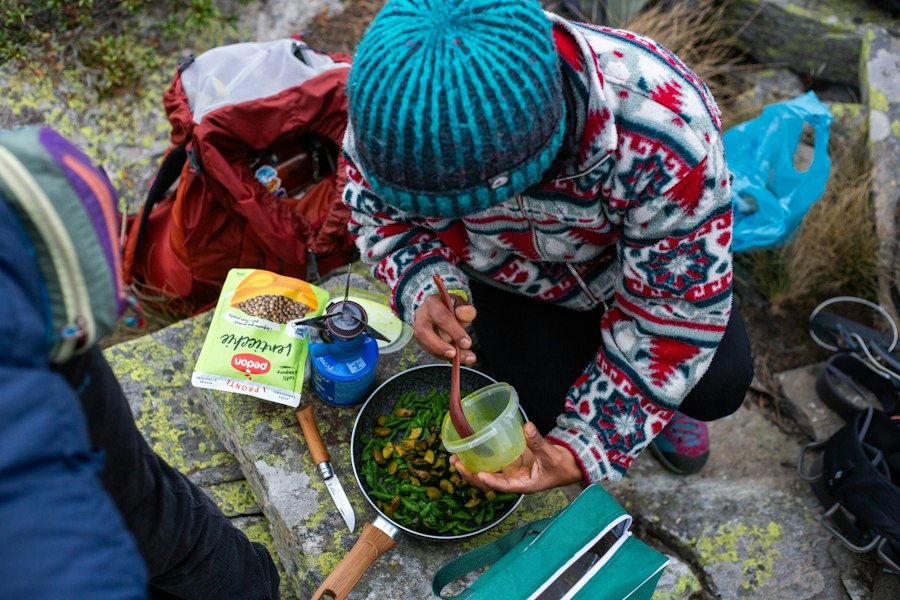
The storage of winter reserves was a critical undertaking, requiring careful selection of food items, appropriate preparation, and secure storage locations. It represented a communal effort, a tangible manifestation of foresight and cooperation essential for the group’s survival through the dormant season. The success of these reserves directly impacted the group’s ability to endure, reproduce, and thrive. This was not a haphazard process but a systematic approach to managing a finite and vital resource. The careful planning and execution of these storage strategies speak volumes about the cognitive capabilities and organizational skills of prehistoric peoples.
Selecting and Processing Harvested Goods
The selection of what to store was a critical decision, influenced by the abundance of certain resources during their peak seasons. Grains, seeds, nuts, and tubers were often dried thoroughly before storage. This meticulous drying process was essential to prevent mold and rot. Archaeological finds of grinding stones and storage pits suggest that the processing of these plant-based foods was a significant activity. Meats, as mentioned, were often dried or smoked. Fish, if available in sufficient quantities, would also be dried or preserved through smoking. The preservation of animal fats was also crucial, as fat provided essential calories and was a stable source of energy that could be stored for extended periods. This careful selection and processing ensured that the stored provisions were not only safe to eat but also nutritionally valuable, providing the necessary energy and nutrients to sustain the group through the winter.
The Importance of Storage Locations
The choice of storage location was as vital as the preparation of the food itself. Dry, cool, and rodent-proof environments were paramount. Underground pits, often lined with stones or packed earth, provided a stable temperature and protected stored goods from temperature fluctuations and pests. These pits could be sealed with lids made of wood, bark, or animal hides, further enhancing their protection. Natural rock shelters or specially constructed above-ground structures, perhaps made of wattle and daub or logs, could also have served as storage facilities. The key was to create an environment that minimized spoilage and protected the precious reserves from pilferage by animals and, potentially, by rival groups. The strategic placement of these storage sites would also have been considered, ensuring accessibility for the community while remaining relatively secure.
Assessing and Managing Reserve Quantities
The ability to assess and manage the quantities of stored food would have been a highly developed skill. Elders or designated individuals likely held the knowledge of how much food was required to sustain the group through a typical winter, taking into account the number of individuals and the expected duration of the lean period. They would have monitored the stored provisions, checking for signs of spoilage and making adjustments as needed. The success of these reserves was a direct reflection of the group’s ability to predict and manage their environment and their own needs. This management also involved an understanding of crop yields and hunting success rates, allowing for adjustments in storage goals from year to year. This data, passed down through generations, formed the basis of their food security strategies.
The Social Dynamics of Sharing Food
The sharing of winter reserves was not just a practical necessity; it was a cornerstone of prehistoric social organization, deeply intertwined with concepts of reciprocity, obligation, and group identity. These sharing practices fostered strong bonds within communities and ensured that no individual or family unit was left to face the harshness of winter alone. The act of sharing was a fundamental expression of communal living and mutual reliance. It was the tangible embodiment of the social contract that bound individuals together for mutual benefit and survival.
Reciprocity and Gift Exchange
The concept of reciprocity was central to prehistoric food sharing. Individuals or families who had contributed more to the communal reserves were likely to receive a greater share, but the principle of “giving and taking” was pervasive. This wasn’t necessarily a direct one-to-one exchange but a more complex system of ongoing mutual obligation. A successful hunter might share a portion of their kill, knowing that at another time, they might rely on the shared grain stores of another. This system created a web of interdependence that strengthened social ties and discouraged hoarding, which could have led to social friction. The reputation of an individual as a reliable contributor and sharer would have been highly valued within the community.
Communal Feasts and Ritualistic Sharing
The sharing of food was often embedded within social and ritualistic contexts. Communal feasts, especially after a successful hunt or harvest, served to reinforce group solidarity and celebrate collective achievements. These events provided an opportunity for the distribution of larger portions of food, often to all members of the group, regardless of their individual contribution to that specific bounty. Ritualistic sharing, perhaps during important seasonal ceremonies, further cemented the importance of collective provision and consumption. These shared meals were more than just sustenance; they were acts of social bonding, reinforcing shared identity and belonging. The sharing of the first fruits of a harvest or the meat from a significant kill would have been particularly poignant events.
Ensuring Vulnerable Members’ Survival
A critical aspect of prehistoric food sharing was the explicit or implicit commitment to ensuring the survival of the most vulnerable members of the community. This included the elderly, the very young, pregnant or lactating mothers, and individuals who were ill or injured. These individuals, who might be less able to contribute directly to food acquisition, were supported by the communal reserves. This practice not only demonstrated compassion and empathy but also recognized the collective responsibility for the well-being of all members, understanding that the strength of the group lay in the health and survival of each individual. This care for the vulnerable was a sophisticated social strategy that ensured the continuity of knowledge and the future of the group.
In the study of prehistoric food preservation, one fascinating aspect is how ancient communities shared their winter reserves to ensure survival during harsh months. This practice not only highlights the ingenuity of early humans in managing resources but also sheds light on their social structures and communal bonds. For a deeper exploration of historical mysteries that intertwine with ancient practices, you might find interest in this article about the enigmatic Queen Maud Land coastline, which delves into the Piri Reis mystery and its implications for understanding past civilizations. You can read more about it here.
The Long-Term Impact on Prehistoric Societies
| Aspect | Method | Description | Effectiveness | Purpose |
|---|---|---|---|---|
| Food Preservation | Drying | Removing moisture from meat, fruits, and vegetables to prevent spoilage | Moderate to High | Extend shelf life for winter consumption |
| Food Preservation | Smoking | Exposing food to smoke to inhibit bacterial growth and add flavor | High | Preserve meat and fish for long-term storage |
| Food Preservation | Fermentation | Using natural bacteria to ferment foods like grains and vegetables | Moderate | Enhance nutritional value and preservation |
| Food Preservation | Cold Storage | Storing food in naturally cold environments such as caves or snow pits | Variable | Slow down spoilage during winter months |
| Sharing Winter Reserves | Communal Storage | Collective storage of preserved food within a community | High | Ensure equitable distribution and survival during scarcity |
| Sharing Winter Reserves | Bartering | Exchanging preserved food for other goods or services | Moderate | Maintain social bonds and resource diversity |
| Sharing Winter Reserves | Gift Giving | Sharing food reserves as gifts to strengthen alliances | Moderate | Build social cohesion and mutual support |
The development and refinement of food preservation and sharing practices had profound and far-reaching consequences for the trajectory of human societies. These seemingly simple survival strategies laid the groundwork for more complex social structures, technological advancements, and the very foundations of civilization. The ability to reliably feed a population beyond the immediate harvest or hunt unlocked a cascade of developmental possibilities.
Enabling Sedentary Lifestyles and Population Growth
The consistent availability of stored food was a primary catalyst for the transition from nomadic hunter-gatherer lifestyles to more sedentary agricultural communities. Knowing that sufficient food would be available through the winter allowed groups to establish permanent settlements, cultivate crops, and domesticate animals. This increased food security supported larger populations, as fewer individuals were needed for constant foraging. The surplus food could sustain a growing population, allowing for specialization of labor beyond basic subsistence needs, paving the way for the development of crafts, art, and more complex social hierarchies.
Fostering Specialization and Innovation
With the burden of daily food acquisition somewhat eased by stored reserves, individuals could begin to specialize in other skills. This led to the development of more sophisticated tools and technologies. For example, the need for better storage containers spurred innovation in pottery and basketry. The processing of preserved foods encouraged advancements in grinding, milling, and cooking techniques. This specialization not only enriched cultural life but also led to a more efficient use of resources and a greater capacity for adaptation to changing environmental conditions. The surplus of food also meant that some individuals could dedicate their time to learning and teaching, transmitting knowledge and skills more effectively.
The Roots of Social Hierarchy and Governance
The management and distribution of substantial food reserves inherently introduced elements of social hierarchy and governance. Individuals or groups responsible for overseeing storage, managing distribution, and organizing communal efforts would have gained significant influence and authority. This could have led to the emergence of chiefs, elders, or specialized roles within the community, laying the foundations for more formal systems of leadership and decision-making. The control and distribution of essential resources, like food, are often central to the development of power structures and societal organization. The successful management of winter stores was a demonstrable measure of a leader’s competence and the group’s collective well-being, further solidifying their position.
In exploring the fascinating practices of prehistoric food preservation, it becomes evident that ancient communities developed ingenious methods to ensure their survival during harsh winters. These early humans often relied on techniques such as drying, smoking, and fermenting to extend the shelf life of their food, allowing them to share winter reserves with their families and tribes. For a deeper understanding of how these survival strategies can be applied in modern times, you might find it interesting to read about contemporary preparedness tips in the article on surviving natural disasters. This resource highlights the importance of planning and resource management, much like our ancestors did. You can check it out here.
Echoes of the Past in Modern Practices
While modern food preservation techniques are vastly more complex and efficient, the fundamental principles and social imperatives that guided prehistoric practices resonate even today. The challenges of food security, the importance of community support, and the ingenuity required to overcome seasonal limitations remain relevant. The historical understanding of these early survival strategies offers valuable insights into the resilience and adaptability of the human spirit.
The Enduring Importance of Food Security
The fundamental human drive to secure enough food to survive, especially through periods of scarcity, has not diminished. Modern concepts of food banks, community-supported agriculture, and national food reserves can be seen as sophisticated descendants of prehistoric communal storage practices. The concern for ensuring that everyone has access to adequate nutrition, particularly during times of crisis, is a direct echo of the prehistoric imperative to share winter reserves and protect the vulnerable. The anxieties surrounding food shortages, whether due to climate change, economic instability, or conflict, highlight the continued importance of foresight and collective action in food management.
The Social Fabric of Sharing
The social aspect of sharing food, from family meals to community potlucks, continues to be a powerful force in binding people together. While the immediate need for survival may be less pressing for many in developed societies, the act of sharing a meal remains a profound expression of connection, generosity, and community. These acts, whether large-scale food drives or simple neighbourly gestures, reinforce social bonds and contribute to a more cohesive and supportive society. The lessons learned from prehistoric sharing practices underscore the intrinsic human need for connection and mutual support, especially during challenging times.
Innovation Rooted in Necessity
The continuous innovation in food preservation and production technologies throughout human history, from the development of refrigeration to advanced packaging methods, is a testament to the enduring legacy of prehistoric ingenuity. The drive to overcome natural limitations and ensure a consistent food supply has always spurred human creativity. Understanding the basic, yet effective, methods employed by our ancestors reminds us that the most impactful innovations often arise from fundamental needs and a deep understanding of the natural world, pushing the boundaries of what is possible to ensure sustenance and well-being for all.

➡️Life 20,000 Years Ago | When Strangers Claim Your Winter Shelter 🚨
FAQs
What methods did prehistoric people use for food preservation?
Prehistoric people employed various methods for food preservation, including drying, smoking, fermenting, and salting. Drying involved removing moisture from food to inhibit bacterial growth, while smoking added flavor and further preserved meats. Fermentation was used for dairy and vegetables, creating products like yogurt and sauerkraut, which could last longer. Salting was another effective method, particularly for fish and meats, as it drew out moisture and created an inhospitable environment for spoilage.
How did prehistoric communities share their winter food reserves?
Prehistoric communities often shared their winter food reserves through communal gatherings and trade. Sharing was essential for survival, especially during harsh winters when food scarcity was common. Groups would come together to pool their resources, ensuring that everyone had access to necessary supplies. Additionally, barter systems were established, where surplus food items could be exchanged for other goods or services, fostering cooperation and social bonds within the community.
What types of food were commonly preserved in prehistoric times?
Commonly preserved foods in prehistoric times included meats (such as fish, game, and poultry), fruits, vegetables, and grains. Meat was often dried or smoked, while fruits and vegetables could be dried or fermented. Grains were typically stored in cool, dry places to prevent spoilage. Nuts and seeds were also collected and stored for winter use, providing essential nutrients during the colder months.
Why was food preservation important for prehistoric societies?
Food preservation was crucial for prehistoric societies as it allowed them to survive during periods of food scarcity, particularly in winter months when fresh food sources were limited. By preserving food, communities could ensure a stable food supply, reduce waste, and maintain nutritional health. This practice also enabled them to plan for seasonal changes and support larger populations, contributing to the development of more complex social structures.
What role did climate play in prehistoric food preservation techniques?
Climate significantly influenced prehistoric food preservation techniques, as different environments offered varying resources and challenges. In colder climates, freezing temperatures naturally preserved food, while in warmer regions, drying and salting were more common due to the risk of spoilage. Seasonal variations also dictated when certain preservation methods were employed, with communities adapting their techniques based on the availability of food and environmental conditions to maximize their winter reserves.