The dawn of humanity was not marked by the neatly tilled fields and domesticated herds we associate with agriculture. For the vast majority of our species’ existence, survival depended on a profound understanding of the natural world, a mastery of opportunistic foraging, and ingenious, albeit rudimentary, methods of food acquisition that predated the revolutionary shift to farming. This era, often referred to as the Paleolithic, or Old Stone Age, was a time of constant movement, of keen observation, and of developing skills that allowed humans to thrive on the bounty of their environments. Before the advent of settled agriculture, which emerged only about 10,000 years ago, humans were hunter-gatherers, their lives intrinsically woven into the cycles of nature. This article delves into the sophisticated techniques employed by these early humans to secure their sustenance, exploring the diverse strategies that sustained our ancestors for millennia.
The Art of the Hunt: Pursuing Mobile Food Sources
The pursuit of animal protein was a cornerstone of prehistoric diets, requiring a blend of physical prowess, intelligence, and collaborative effort. Unlike the predictable yields of later agriculture, hunting involved tracking, ambushing, and subduing mobile prey, from small game to large megafauna. The success of these hunts was not merely a matter of brute force; it was an intricate dance of understanding animal behavior, terrain, and the effective application of tools.
Stalking and Ambush Strategies
Early hominins likely honed their hunting skills through patient observation and strategic placement. Stalking involved moving stealthily, utilizing natural cover to approach unsuspecting prey. This method was particularly effective for smaller, more cautious animals, allowing hunters to get within striking distance before a swift attack. Ambush techniques were often employed in conjunction with environmental features. Hunters might lie in wait near watering holes, game trails, or narrow passes where animals were likely to travel. The element of surprise was paramount, allowing for a quick and decisive strike, minimizing risk to the hunter and increasing the likelihood of a successful kill. The development of rudimentary shelters or blinds, constructed from branches, stones, or even existing rock formations, would have further enhanced these ambush tactics, providing concealment and a tactical advantage.
The Use of Projectile Technology
The development of projectile technology marked a significant leap in hunting efficiency. While thrown spears, likely tipped with sharpened stone or bone, were probably among the earliest advancements, the later introduction of the spear-thrower, or atlatl, revolutionized projectile hunting. The atlatl, a lever used to propel a spear with greater force and accuracy, extended the effective range of hunters, allowing them to target larger and more dangerous animals from a safer distance. Evidence for the use of such tools comes from the discovery of modified bone and antler artifacts that correspond to atlatl components, as well as depictions in cave art suggesting their application in hunting scenes. The ability to incapacitate prey from afar reduced the direct confrontation and the associated dangers, making hunting a more sustainable and less perilous endeavor.
Cooperative Hunting and Pack Dynamics
Hunting large game, especially dangerous animals like mammoths or bison, almost certainly involved cooperative efforts. Coordinating a group of individuals to drive, surround, or corner prey would have been essential for success. Such collaborative hunts would have required sophisticated communication, clear leadership, and a shared understanding of roles and strategies. The social bonds within early human groups would have been crucial for fostering this level of cooperation. Evidence for group hunting can be inferred from the scale of some kills, where the remains of multiple individuals of the same species are found concentrated in a particular area, suggesting a coordinated effort to bring them down. Furthermore, the analysis of skeletal remains from large prey animals has sometimes revealed injuries consistent with being targeted by multiple projectiles or driven into traps, indicating organized group activity.
Exploiting Vulnerabilities and Seasonal Patterns
Effective hunters possessed an intimate knowledge of animal behavior, including their migration routes, breeding seasons, and predictable patterns. Understanding when and where specific animals would be most vulnerable, such as during calving periods or when weakened by harsh weather, would have allowed for more targeted and successful hunts. For instance, focusing on herds that were migrating through predictable passes or were congregated in specific areas during winter months would have been a strategic advantage. This knowledge, passed down through generations, was a form of environmental intelligence that was vital for survival. The seasonal abundance of certain animal populations would have dictated migratory patterns for hunter-gatherer groups, who would follow their food sources across vast territories.
Before the advent of farming, prehistoric food production relied heavily on foraging and hunting, which laid the groundwork for later agricultural practices. An interesting article that explores the evolution of food production and its impact on human societies can be found at this link. This piece delves into how early humans adapted their diets and lifestyles in response to environmental changes, ultimately leading to the development of more complex food systems.
Gathering the Earth’s Bounty: The Diverse World of Foraging
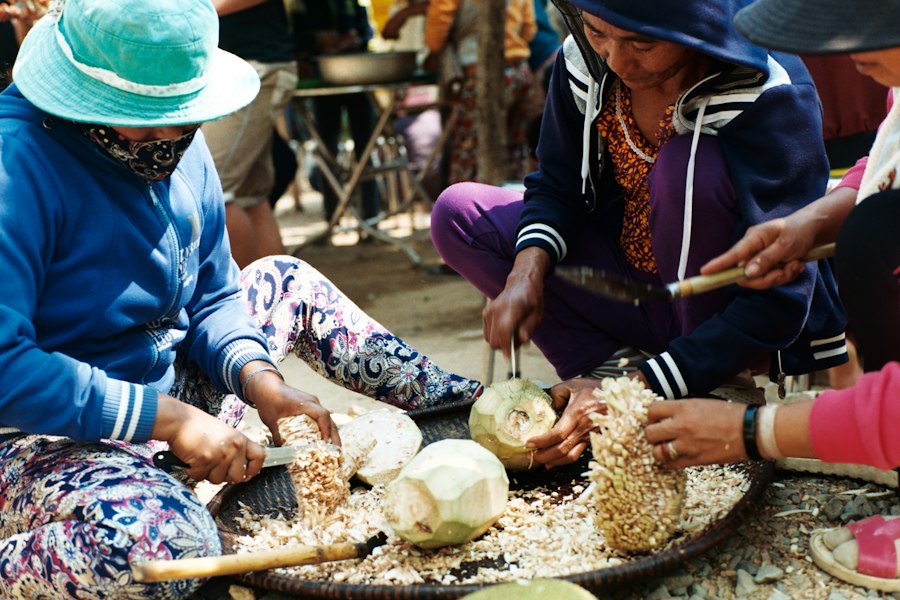
While hunting provided crucial protein, the bulk of the prehistoric diet likely came from plant-based resources. This encompassed a vast array of fruits, nuts, seeds, roots, tubers, and leaves, the collection of which required a deep understanding of local flora and its seasonal availability. Foraging was not a passive activity; it involved knowledge of edible versus poisonous plants, optimal harvesting times, and rudimentary processing techniques to make these resources palatable and digestible.
Identifying Edible Flora: A Master of Botanical Knowledge
The ability to distinguish between edible and toxic plants was a life-or-death skill. Early humans would have learned this through generations of trial and error, carefully observing which plants were consumed by animals and which ones caused adverse reactions. This botanical knowledge would have been incredibly detailed, encompassing not only the identification of species but also the specific parts of the plant that were edible and at what stage of growth. For example, some roots might be edible only after a specific period of maturation or require particular preparation to neutralize toxins. This intimate familiarity with the local vegetation was a testament to the observational prowess and accumulated wisdom of these early peoples.
Seasonal Availability and Resource Management
The cyclical nature of plant growth meant that foraging strategies had to adapt to the changing seasons. Different plants would ripen at different times, and the availability of certain resources would fluctuate throughout the year. This required mobility, with groups moving to areas where specific resources were in season. For example, during the summer months, berries and fruits would be abundant, while autumn would bring a harvest of nuts and seeds. Winter foraging would likely have relied more on stored provisions, roots, and hardy greens. This understanding of seasonal patterns was crucial for ensuring a consistent food supply, preventing periods of starvation. Prehistoric peoples were not simply collecting whatever they found; they were actively managing their foraging efforts based on the predictable rhythms of the natural world.
The Importance of Roots and Tubers
Roots and tubers, often rich in carbohydrates and calories, would have been a vital food source, particularly during leaner times. The collection of these underground edibles required specific tools, such as digging sticks, often made from hardened wood or stone. These tools allowed for the excavation of tubers without damaging them and enabled access to nutrient-rich subterranean stores. Some roots and tubers contain natural toxins that are neutralized by cooking. The development of fire for cooking, therefore, played a critical role in expanding the range of edible plant foods, making previously inedible or unpalatable roots and tubers a viable and important part of the prehistoric diet. The processing of these starchy foods, often involving roasting or boiling, would have made them more digestible and released their energy content.
Harvesting Seeds and Nuts
Seeds and nuts, particularly those that are calorie-dense and can be stored, were highly valued. Harvesting these often involved gathering them from trees, bushes, or on the ground. While many nuts could be consumed raw, others benefited from cracking or grinding. The development of rudimentary grinding stones or anvils and pounding implements, made from stone or bone, would have allowed for the processing of seeds and nuts into flours or pastes. This processing not only made them easier to eat but also allowed for their incorporation into a wider variety of foods. The ability to store seeds and nuts also provided a crucial buffer against seasonal shortages, allowing groups to subsist during times when fresh food was scarce.
Harnessing the Power of Fire: A Culinary and Social Revolution

The control and use of fire represent one of the most transformative technological advancements in human history, with profound implications for food production and consumption. Fire not only provided warmth and protection but also revolutionized the way food was prepared, making it more digestible, safer, and unlocking a wider range of dietary possibilities.
Cooking as a Catalyst for Digestion and Nutrition
The application of heat to food fundamentally altered its nutritional profile and digestibility. Cooking breaks down complex carbohydrates, making them easier for the body to absorb and utilize. It also denatures proteins, improving their availability. Furthermore, cooking kills harmful bacteria and parasites, significantly reducing the risk of foodborne illnesses. This led to a more efficient extraction of nutrients from food, contributing to improved health and potentially supporting the development of larger brains. Early cooking methods likely involved roasting food directly over embers or placing it on hot stones. The discovery of hearths, areas of concentrated ash and charcoal, provides tangible evidence of these early cooking practices.
Expanding the Edible Spectrum
Fire’s ability to neutralize toxins was particularly important for expanding the range of edible plant foods. Many roots, tubers, and even some grains contain compounds that are harmful or indigestible when consumed raw. Cooking, through roasting or boiling, broke down these anti-nutritional factors, rendering these food sources safe and nutritious. This opened up a vast new pantry of food options, allowing prehistoric populations to exploit resources that were previously inaccessible. The development of pottery, though appearing later in prehistory, would have further enhanced cooking capabilities, allowing for more controlled boiling and stewing of food, making even tougher plant materials more palatable.
Preserving and Enhancing Food Qualities
Beyond mere consumption, fire played a role in preserving food. Smoking and drying meats and fish, for example, were techniques that utilized fire and its heat to remove moisture and inhibit bacterial growth, extending the shelf life of these perishable items. This preservation allowed for the storage of food, providing a crucial buffer against periods of scarcity and enabling longer-term survival for nomadic groups. The transformation of raw ingredients through cooking also enhanced their flavor and texture, making meals more appealing and enjoyable. This culinary evolution, driven by the mastery of fire, was not just about sustenance; it was also about the beginnings of culinary art and the social importance of shared meals.
Early Forms of Food Management: Beyond Simple Gathering
While true agriculture was still in the distant future, early humans developed a range of practices that can be considered rudimentary forms of food management. These strategies went beyond simply collecting what nature provided and involved a degree of intentionality in manipulating or influencing their food sources to ensure future availability.
Opportunistic Seed Dispersal and Plant Cultivation
Evidence suggests that early humans may have engaged in passive forms of plant cultivation. By consuming fruits and seeds in one area and then discarding the waste, they inadvertently dispersed seeds, leading to the growth of new plants in their preferred foraging grounds. This unconscious gardening would have enriched their local environments, creating more abundant food sources over time. In some instances, there is speculation that more deliberate actions might have been taken, such as clearing land to encourage the growth of preferred edible plants or transplanting desirable species to more accessible locations. These actions, while not full-scale agriculture, represent an early step towards actively influencing food production.
Management of Animal Populations
Similar to plant management, early humans likely influenced animal populations through their hunting practices. By selectively hunting certain animals or avoiding others, they could indirectly manage herd sizes and distributions. For example, avoiding the hunting of breeding females or young animals would have allowed populations to replenish themselves. Furthermore, the creation of traps or corrals, even if rudimentary, could have been used to concentrate game, making hunting more efficient and potentially influencing the movement and behavior of animal herds. The concept of “tending” or encouraging certain animal populations, even without domestication, could have been an early form of animal husbandry.
Early Forms of Storage and Surplus Management
The ability to store food was crucial for survival, especially during periods of scarcity or when resources were abundant. This could involve a variety of methods, such as drying or smoking meat and fish, or storing nuts and seeds in protected caches. The creation of specialized storage pits or containers, even if simple, would have been essential for preserving these food reserves. The management of a surplus allowed groups to weather lean times and provided a degree of security, reducing reliance on immediate foraging success. This foresight and planning represent a significant step beyond purely opportunistic food acquisition and laid the groundwork for more complex food systems in the future.
In exploring the origins of food production before the advent of farming, one can gain fascinating insights into the dietary practices of prehistoric societies. These early communities relied heavily on foraging and hunting, which laid the groundwork for later agricultural developments. For a deeper understanding of how these ancient methods influenced modern practices, you might find this article on the evolution of food systems particularly enlightening. It discusses various aspects of early food production and its significance in human history. You can read more about it here.
The Dawn of Collaboration and Shared Sustenance
| Metric | Value/Description | Notes |
|---|---|---|
| Time Period | Before ~10,000 years ago | Pre-agriculture era, Paleolithic and Mesolithic periods |
| Primary Food Sources | Wild plants, nuts, seeds, fruits, tubers, hunted animals, fish | Gathering and hunting were main food procurement methods |
| Food Production Techniques | Foraging, hunting, fishing, food processing (e.g., grinding, roasting) | No systematic cultivation or domestication |
| Estimated Caloric Intake from Hunting | 30-50% | Varied by region and season |
| Estimated Caloric Intake from Gathering | 50-70% | Gathered plant foods often provided majority of calories |
| Population Density | Low (1-5 persons per square km) | Limited by food availability and mobility |
| Mobility | Nomadic or semi-nomadic | Followed seasonal availability of resources |
| Tool Use | Stone tools, bone tools, fire | Used for hunting, processing, and cooking food |
The challenges of acquiring food in prehistoric times fostered a strong sense of community and collaboration. The success of hunting large game, the extensive foraging expeditions, and the sharing of knowledge all depended on the cooperative efforts of individuals within a group. This social dimension of food production was as critical as any technological innovation.
The Social Fabric of Food Acquisition
Food acquisition was rarely a solitary endeavor. Whether it was coordinating a hunt, sharing information about foraging locations, or collectively preparing food, collaboration was essential. This social cohesion not only ensured the survival of the group but also played a vital role in the transmission of knowledge and skills from one generation to the next. The sharing of food within the group also reinforced social bonds and promoted a sense of mutual dependence. The ability to rely on others for sustenance and safety would have been a powerful force in shaping early human societies.
The Transfer of Knowledge and Skill
The complex techniques of hunting, foraging, tool-making, and fire management were not innate; they were learned. Elders and experienced individuals played a crucial role in educating younger generations, passing down the accumulated knowledge of generations. This oral tradition of environmental understanding, practical skills, and cultural practices was fundamental to the continued survival of human groups. Cave paintings, though perhaps not directly instructional, may have served as visual aids or mnemonic devices for storytelling and the transmission of important survival information.
The Ritual and Social Significance of Food
Beyond its basic nutritional function, food held significant social and cultural meaning for prehistoric peoples. The sharing of a successful hunt’s bounty or the communal preparation of a meal would have been important social events, strengthening group identity and fostering a sense of belonging. The very act of eating together, sharing the fruits of their labor, would have been a powerful ritual that reinforced the interconnectedness of the group. These shared experiences, centered around food, likely contributed to the development of complex social structures and cultural traditions that characterized early human societies, laying the foundation for the diverse culinary and social practices that would emerge in the millennia to come.

The 7,000-Year-Old Secret Hidden Under a Lake
FAQs
What methods did prehistoric humans use to produce food before farming?
Prehistoric humans relied on hunting, fishing, and gathering wild plants for food. They also practiced rudimentary forms of food cultivation, such as controlled burning to encourage the growth of certain plants.
Did prehistoric humans have a varied diet before the advent of farming?
Yes, prehistoric humans had a varied diet that included a combination of meat from hunting, fish from fishing, and a wide range of wild plants and fruits gathered from their surroundings.
How did prehistoric humans preserve food without the use of modern technology?
Prehistoric humans used various methods to preserve food, such as drying, smoking, and fermenting. These techniques helped them store food for longer periods and survive during times of scarcity.
Were there any social implications of prehistoric food production before farming?
Yes, prehistoric food production played a significant role in shaping social structures. It led to the development of sharing and cooperation within communities, as individuals relied on each other for food resources.
What impact did prehistoric food production have on the environment?
Prehistoric food production practices, such as controlled burning and selective harvesting of plants, had both positive and negative impacts on the environment. While they helped humans obtain food, they also influenced the local ecosystem and biodiversity.