Prehistoric humans, those intrepid ancestors who navigated a world far removed from our modern comforts, were masters of adaptation and possessed an astonishing resilience that allowed them to not only survive but to eventually thrive across diverse and often unforgiving environments. Their story is not one of brute force alone, but of profound behavioral flexibility, innovative tool use, and an intricate understanding of their surroundings. The long span of prehistory, stretching back millions of years, witnessed a constant interplay between environmental pressures and the human capacity to respond, forging a lineage intrinsically linked to its ability to endure and evolve.
The early stages of hominin evolution were shaped by dramatic climatic shifts and the challenges posed by varied ecosystems. From the shifting forests of Africa to the dusty plains and eventually the icy expanses of glacial periods, prehistoric humans were constantly tested. Their very survival hinged on their ability to read and respond to these environmental cues, a process that drove significant biological and behavioral transformations.
The African Cradle: A Genesis of Adaptation
The story of human survival begins in Africa, a continent characterized by its dynamic landscapes and fluctuating climates. Early hominins, such as Australopithecus, likely faced pressures that encouraged bipedalism, a significant adaptation that freed their hands for foraging and carrying. This anatomical shift, born out of the need to navigate open savannas and perhaps conserve energy, was a crucial first step in their evolutionary journey.
Adapting to the Savanna Mosaic
The savanna environment, with its mix of grasslands, scattered trees, and water sources, presented both opportunities and perils. Foraging for edible plants, scavenging for carcasses, and eventually hunting small game became essential skills. The development of rudimentary tools, perhaps sharpened stones used for cutting and scraping, would have been critical in accessing vital nutrients from carcasses and processing plant matter. Small group sizes, characteristic of early hominin populations, likely facilitated efficient foraging and provided a measure of protection against predators.
The Dawn of Fire: A Transformative Force
The mastery of fire, a monumental achievement in prehistory, stands as a testament to early humans’ ingenuity and adaptability. This transformative technology offered a multitude of benefits. It provided warmth, allowing humans to inhabit colder regions and extend their activity into the night, expanding their territorial reach and temporal flexibility.
Protection and Predation
Fire served as a powerful deterrent against nocturnal predators, offering a sanctuary and increasing survival rates. This ability to create a safe space allowed for more relaxed rest and activity, fostering social cohesion and complex behaviors.
Culinary Revolution
The introduction of cooked food revolutionized hominin diet and physiology. Cooking breaks down tough plant fibers, making them more digestible and unlocking a wider range of nutrients. This dietary shift likely contributed to the development of larger brains, as more readily available energy could be devoted to cognitive functions. It also reduced the need for powerful jaws and large teeth, leading to further craniofacial changes.
Social Hub and Knowledge Transmission
Beyond its utilitarian aspects, fire became a focal point for social interaction. Gatherings around the hearth fostered communication, storytelling, and the transmission of knowledge across generations. This shared experience strengthened social bonds and contributed to the development of complex social structures, laying the groundwork for cultural evolution.
Expanding Horizons: Migration and Environmental Challenges
As hominin populations grew and their technological capabilities increased, they began to venture beyond Africa, a testament to their inherent drive for exploration and their burgeoning adaptability. This outward migration brought them into contact with entirely new environments, each presenting a unique set of survival challenges.
Navigating Glacial Epochs
The Pleistocene epoch, characterized by repeated glacial cycles, posed immense challenges for prehistoric humans. As vast ice sheets advanced and retreated, landscapes were drastically altered, forcing populations to adapt to colder climates, scarcer resources, and altered migratory patterns of prey animals.
Clothing and Shelter Innovations
Survival in glacial periods demanded significant advancements in material culture. The development of more sophisticated clothing, fashioned from animal hides and furs, provided essential insulation against the biting cold. Similarly, the construction of more robust shelters, ranging from caves and rock overhangs to constructed dwellings like huts and tents, offered crucial protection from the elements.
Hunting Strategies for a Changing World
The types of prey available shifted with the climate. Prehistoric hunters had to develop new strategies for pursuing large, cold-adapted megafauna like mammoths and woolly rhinoceroses. This likely involved cooperative hunting techniques, the use of more effective projectile weapons such as spears with attached points, and an intimate knowledge of animal behavior and migratory routes.
Resource Management and Foraging Adaptations
In times of scarcity, resourcefulness was paramount. Prehistoric humans had to become adept at identifying and utilizing a wider range of edible plants, including roots, tubers, and berries that could be stored for leaner times. They likely developed sophisticated methods for preserving food, such as drying or smoking, to ensure sustenance through harsh winters or periods of drought.
The Lure of New Terrains: Deserts and Tropical Forests
The migration of humans also led them to explore dramatically different ecosystems, such as arid deserts and dense tropical rainforests. Each offered unique obstacles and required specialized adaptations.
Desert Survival: Water and Shade
In desert environments, the availability of water was the most critical factor. Prehistoric humans learned to locate hidden water sources, such as oases, underground springs, and dew collection. They also developed shelter strategies to escape the intense sun, utilizing natural shade or constructing simple structures. Their foraging practices would have focused on drought-resistant plants and small, mobile desert fauna.
Rainforest Resilience: Navigating the Canopy
Tropical rainforests presented challenges of navigation, humidity, and disease. Prehistoric humans likely developed an understanding of the forest canopy for foraging, utilizing fruits, nuts, and edible insects. They would have also possessed knowledge of medicinal plants for treating ailments common in these environments. The ability to create tools and shelters from readily available forest materials would have been essential.
Prehistoric human survival has always fascinated researchers, particularly in understanding how early humans adapted to their environments. A related article that delves into historical navigation and cartography is titled “Uncovering the Source Documents of the Piri Reis Map.” This article explores the significance of ancient maps in understanding human exploration and survival strategies. For more insights, you can read the article here: Uncovering the Source Documents of the Piri Reis Map.
Behavioral Plasticity: The Architect of Survival
While biological adaptations played a role, it was the remarkable behavioral plasticity of prehistoric humans that truly enabled their survival and proliferation. This flexibility in thought and action allowed them to respond to novel situations, innovate, and transmit learned behaviors that were crucial for group survival.
Toolmaking and Technological Advancements
The development and refinement of tools represent a cornerstone of prehistoric human survival. From simple stone choppers to complex composite tools, each innovation expanded their capabilities and opened up new avenues for resource acquisition and defense.
The Acheulean Handaxe: A Multifunctional Marvel
The Acheulean handaxe, a teardrop-shaped stone tool found across vast geographical regions, stands as an early testament to sophisticated toolmaking. Its symmetrical design and sharp edges made it suitable for a variety of tasks, including butchering animals, shaping wood, and digging for roots. Its widespread distribution suggests a shared cognitive ability and cultural transmission of toolmaking techniques.
The Dawn of Projectile Technology
The invention of projectile weapons, such as spears, darts, and eventually bows and arrows, revolutionized hunting. These tools allowed hunters to engage prey from a safer distance, increasing their success rates and reducing the risk of injury. This advancement also facilitated the exploitation of a wider range of prey animals, including faster and more dangerous species.
Hafting and Composite Tools
The practice of hafting, attaching stone or bone points to wooden shafts, marked a significant leap in tool technology. This allowed for more efficient use of materials and the creation of specialized tools for different purposes. Hafting also enabled the development of composite tools, combining different materials for enhanced functionality.
The Emergence of Specialized Tools
As human societies became more complex, so did their toolkits. Different tasks demanded specialized tools: scrapers for preparing hides, awls for piercing, knives for cutting, and grinding stones for processing grains. This specialization reflects a growing understanding of material properties and an increasing efficiency in resource utilization.
Social Organization and Cooperation
Survival was rarely a solitary endeavor. The ability to cooperate within groups, share resources, and organize for collective tasks was fundamental to prehistoric human success.
Hunting Parties and Resource Sharing
Cooperative hunting, particularly for larger game, was a highly effective strategy that required coordination, communication, and synchronized action. The success of such hunts meant a surplus of food, which was then often shared among the group, ensuring that even those who were less successful foragers benefited. This practice fostered social cohesion and mutual dependence.
Division of Labor and Gender Roles
While the extent and rigidity of division of labor varied across prehistoric societies, evidence suggests a degree of specialization based on age and gender. This could have involved women focusing on collecting plant foods, preparing food, and caring for young children, while men might have been more involved in hunting and toolmaking. These roles, while seemingly distinct, were integral to the overall survival and functioning of the group.
Social Learning and Cultural Transmission
The transmission of knowledge and skills from one generation to the next was, and remains, a vital component of human survival. Children learned by observing adults, through direct instruction, and through participation in group activities. This cultural transmission allowed for the accumulation of knowledge about the environment, toolmaking techniques, social norms, and survival strategies, preventing each generation from having to reinvent the wheel.
Prehistoric human survival has always been a fascinating topic, shedding light on how early humans adapted to their environments and developed essential skills for survival. A related article discusses the remarkable engineering talents found in Mexico, which can be seen as a modern reflection of the ingenuity that has been present throughout human history. You can read more about this intriguing connection in the article here. Understanding these skills helps us appreciate the evolution of human capability from prehistoric times to the present day.
Communication and Symbolic Expression
The development of complex communication, likely beginning with vocalizations and gestures and eventually evolving into more structured language, was crucial for coordinating actions, sharing information, and fostering social bonds. Further evidence of advanced cognitive abilities lies in the emergence of symbolic expression.
Early Art and Symbolism
The appearance of early art, such as cave paintings, engravings, and decorated objects, offers profound insights into the minds of prehistoric humans. These creations suggest a capacity for abstract thought, imagination, and a desire to communicate beyond immediate functional needs. The meaning of these symbols is debated, but they likely served various purposes, including storytelling, ritualistic practices, and the perpetuation of knowledge and beliefs.
The Significance of Narrative
The ability to create and share narratives, whether through oral traditions or visual representations, allowed prehistoric humans to make sense of their world, convey warnings, and celebrate successes. This narrative capacity fostered a shared identity and reinforced social bonds.
Ritual and Belief Systems
The evidence of burial practices, grave goods, and ceremonial sites suggests the development of early belief systems and rituals. These practices may have provided comfort in the face of death, reinforced social hierarchies, and offered a framework for understanding the unknown. The ability to engage in abstract thought and develop belief systems is a hallmark of human resilience and our capacity to find meaning in a challenging existence.
Cognitive Evolution: The Engine of Innovation

Underlying all these adaptations was the gradual evolution of the human brain. Over millions of years, our ancestors’ brains grew larger and more complex, leading to enhanced cognitive abilities that fueled innovation and problem-solving.
Increased Brain Size and Neural Complexity
The trend of increasing brain size, particularly the development of the prefrontal cortex, is a defining feature of human evolution. This expansion provided the neural architecture for more sophisticated cognitive functions such as planning, abstract reasoning, problem-solving, and complex social interaction.
Enhanced Memory and Learning Capabilities
A larger and more complex brain would have supported improved memory formation and retrieval. This enhanced capacity for learning was crucial for remembering the locations of food sources, water, and dangers, as well as for acquiring and retaining complex skills.
Abstract Thought and Foresight
The ability to think abstractly allowed prehistoric humans to conceptualize things they couldn’t directly perceive, such as future needs or potential dangers. This foresight enabled them to plan for the future, such as by storing food or preparing for seasonal changes, increasing their chances of survival.
The Emergence of Language and Abstract Reasoning
The development of something akin to language, even in its earliest forms, was a pivotal moment. It facilitated more complex communication, enabling the sharing of intricate ideas, plans, and warnings. This, combined with the capacity for abstract reasoning, allowed for the development of sophisticated problem-solving strategies.
Symbolic Thought and Its Implications
Symbolic thought, the ability to use one thing to represent another, is a fundamental aspect of human cognition. This capacity underlies language, art, and religion, allowing for the development of abstract concepts and the creation of shared cultural understandings. It enabled humans to move beyond immediate concerns and contemplate broader realities.
The Role of Paleoneurology
Paleoneurology, the study of fossilized brains, provides evidence for the evolutionary trajectory of the hominin brain. By examining cranial endocasts, scientists can infer the size and shape of the brain and the potential development of different brain regions, offering clues about the cognitive abilities of our ancestors.
The Legacy of Resilience: Shaping Our Present
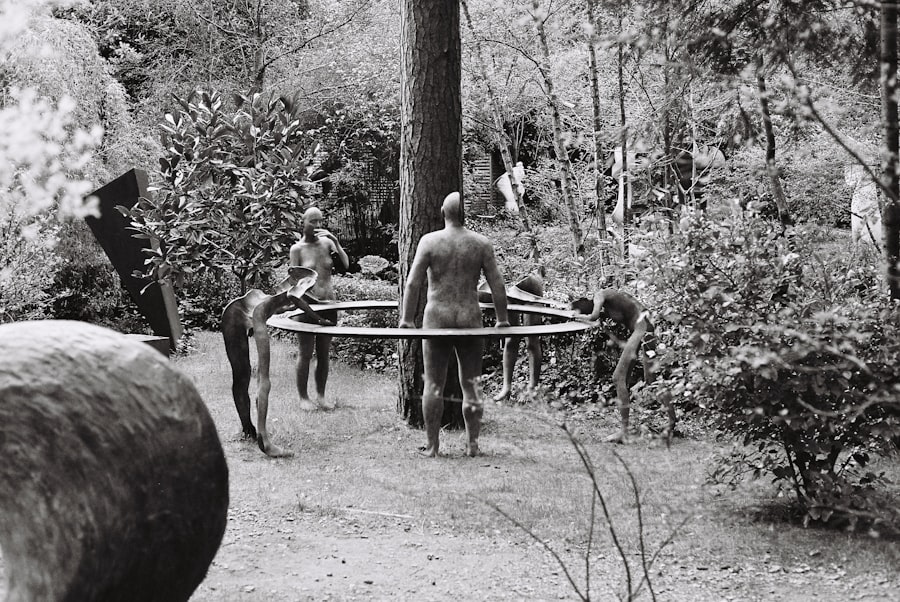
The story of prehistoric human survival is not merely a chronicle of past struggles; it is a testament to the core capacities that define our species. The same adaptability, ingenuity, and resilience that allowed our ancestors to thrive in the face of immense challenges are the very traits that have enabled human civilization to flourish and continue its journey of exploration and adaptation.
Enduring Traits and Modern Challenges
The fundamental human drive to adapt, innovate, and cooperate—forged in the crucible of prehistory—continues to shape our response to contemporary challenges. From climate change and resource scarcity to global pandemics, the spirit of resilience that characterized our ancestors remains vital.
The Interconnectedness of Past and Present
Understanding prehistoric survival provides a crucial context for comprehending our current place in the world. The lessons learned by our ancestors about resource management, social cooperation, and environmental stewardship are more relevant than ever.
Scientific and Technological Advancements
Our modern scientific and technological advancements are, in many ways, an extension of the same innovative spirit that drove our ancestors to invent the first tools. The drive to understand, engineer, and solve problems is an unbroken lineage.
The enduring legacy of prehistoric human survival lies in the remarkable demonstration of our species’ innate capacity to not only endure but to flourish in the face of adversity. Through an intricate dance of biological adaptation and profound behavioral flexibility, our ancestors navigated a world of immense challenges, leaving behind a legacy of resilience that continues to shape our present and inform our future. Their journey reminds us that adaptability, cooperation, and an unwavering commitment to innovation are the cornerstones of survival and the enduring engines of human progress.

When the Ice Age Ended… Everything Changed
FAQs
What were the main challenges for prehistoric humans in terms of survival?
Prehistoric humans faced challenges such as finding food, shelter, and protection from predators. They also had to contend with harsh environmental conditions and natural disasters.
How did prehistoric humans obtain food?
Prehistoric humans obtained food through hunting, gathering, and scavenging. They relied on their knowledge of the environment and the behavior of animals to secure their food supply.
What tools and techniques did prehistoric humans use for survival?
Prehistoric humans used tools such as spears, knives, and fire to aid in hunting, cooking, and protection. They also developed techniques for making clothing, building shelters, and preserving food.
What role did social organization play in prehistoric human survival?
Social organization was crucial for prehistoric human survival as it allowed for cooperation in hunting, gathering, and defense. It also facilitated the sharing of knowledge and resources within the community.
How did prehistoric humans adapt to different environments for survival?
Prehistoric humans adapted to different environments by developing specialized tools, clothing, and shelter to suit their surroundings. They also learned to exploit local resources and adjust their hunting and gathering strategies accordingly.