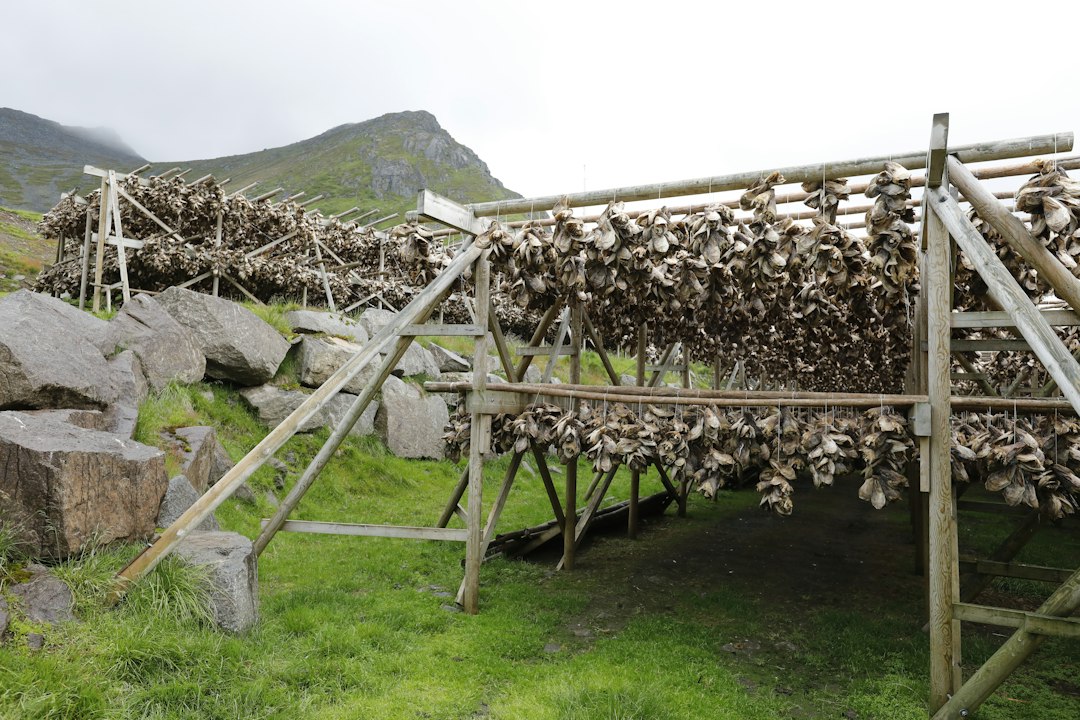
The Echoes of the Hunt: Prehistoric Camps as Markers of Ancient Migrations
The vast tapestry of prehistory, woven with the threads of human endeavor, often reveals its most intricate patterns through the subtle imprints left behind by our ancient ancestors. Among these, the archaeological evidence of prehistoric hunting camps offers a profound window into the lives and movements of early human populations. Far from being mere temporary shelters, these sites served as crucial nodes in complex seasonal migration patterns, dictated by the ebb and flow of natural resources and the predictable journeys of prey animals. Understanding the nature and distribution of these camps allows archaeologists to reconstruct the dynamic strategies employed by prehistoric hunters and gatherers, painting a vivid picture of their intimate connection with the changing landscape. The careful analysis of hearths, tool assemblages, faunal remains, and spatial organization within these camps provides irrefutable evidence of their role as strategic staging grounds, facilitating the exploitation of migratory resources across diverse environments.
Prehistoric hunting camps and seasonal migration patterns have long fascinated archaeologists and historians alike, as they reveal the adaptive strategies of early human societies. For a deeper understanding of how these ancient communities navigated their environments and the significance of their migratory routes, you can explore a related article that discusses various astonishing discoveries in this field. Check out the article here: Unbelievable Maps and Shocking Discoveries.
Locating the Pulse: Identifying Prehistoric Hunting Camps
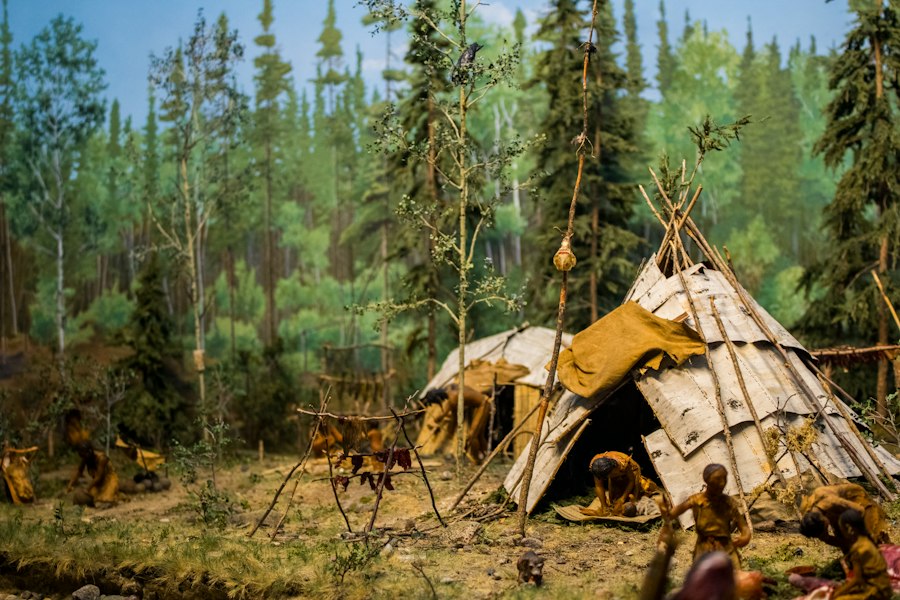
The identification of prehistoric hunting camps is a meticulous process, relying on the convergence of multiple lines of archaeological evidence. These sites are not always as dramatically preserved as permanent settlements, often consisting of ephemeral accumulations of artifacts and features. Archaeologists employ a range of techniques, from systematic surveys to targeted excavations, to uncover these fleeting traces of past human activity. The very nature of a hunting camp, established to exploit transient resources, means it will likely differ in character from a long-term habitation site. The emphasis on immediate needs – shelter, food processing, tool maintenance – shapes the archaeological signature.
The Landscape as a Clue: Site Selection and Environmental Context
The placement of prehistoric hunting camps is rarely arbitrary. Instead, it is a deliberate response to the prevailing environmental conditions and the predictable movements of game. Archaeologists meticulously study the surrounding landscape, considering factors such as water availability, proximity to game trails or watering holes, defensible positions, and access to raw materials for tool production. The geological and paleobotanical evidence of the region provides crucial context, helping to understand the flora and fauna that would have been present during the period of occupation. For instance, a camp located near a river system might indicate a reliance on migratory fish or waterfowl, while a site situated in a mountain pass could point to the exploitation of herd animals moving between summer and winter pastures. The choice of location inherently reflects a deep understanding of ecological rhythms.
Distinguishing Features: Material Culture and Site Structure
The archaeological remnants within a hunting camp often provide the most direct evidence of its function. The presence of numerous stone tools, particularly those associated with butchery and hide processing, is a strong indicator. Projectile points, scrapers, knives, and awls are commonly found. The frequency and types of these tools can speak volumes about the activities that took place. Evidence of fire, in the form of hearths or burnt stone, is another common characteristic, signifying cooking, warmth, and light. The accumulation of faunal remains, often consisting of butchered bones from migratory species, is perhaps the most compelling evidence. The spatial arrangement of these features within the camp can also be informative, revealing patterns of activity and potentially indicating areas for sleeping, food preparation, and tool manufacture. While permanent settlements might exhibit more elaborate architecture and diverse artifact assemblages, hunting camps tend to be characterized by a focus on utilitarian objects and evidence of direct resource exploitation.
The Rhythms of Life: Seasonal Movements and Resource Exploitation
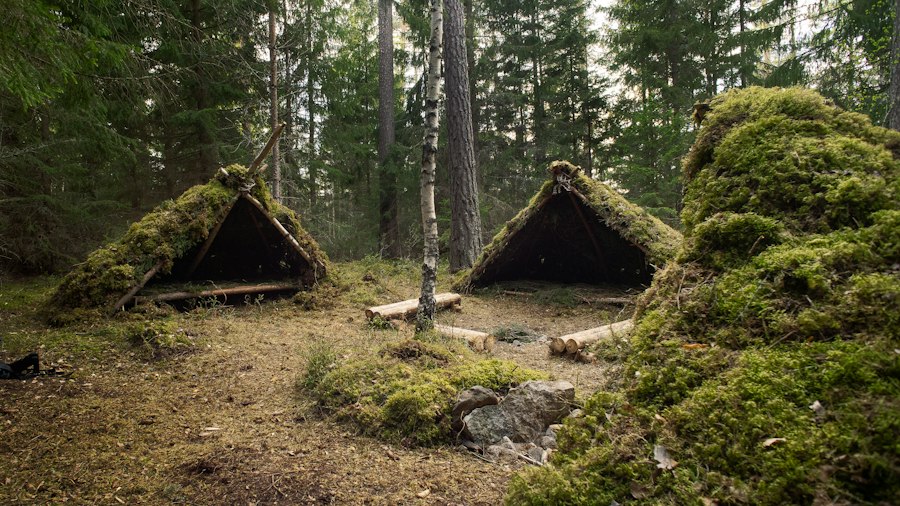
The fundamental driver behind the establishment of prehistoric hunting camps was the need to efficiently exploit resources that were not uniformly available throughout the year. This led to the development of sophisticated seasonal migration patterns, both of humans and the animals they depended upon. These patterns were not static but adapted to the specific ecological zones and the availability of different food sources. The timing of these movements was dictated by the life cycles of plants and animals, ensuring access to the most nutritious and abundant resources at opportune moments.
Following the Herds: The Primary Migration Strategy
For many prehistoric societies, the migration of large herbivore herds was the cornerstone of their subsistence strategies. Mammoth, bison, reindeer, and other gregarious animals undertook predictable annual journeys, driven by the availability of pasture and the need to reach calving grounds or escape harsh weather. Hunting camps were strategically located along these migratory routes, at choke points such as river crossings, narrow valleys, or passes. This allowed hunters to intercept the herds with greater efficiency and predictability. The success of these hunts would have been crucial for the survival of the group, providing not only meat but also hides for clothing and shelter, bones for tools and implements, and sinew for cordage. The archaeological record frequently reveals the remains of these large game animals at hunting camp sites, underscoring their importance.
The Bounty of the Waterways: Aquatic Resources and Seasonal Shifts
Beyond terrestrial game, prehistoric populations also capitalized on the seasonal abundance of aquatic resources. Rivers, lakes, and coastlines offered a rich and often predictable source of food, particularly during specific times of the year. Migratory fish species, such as salmon, would ascend rivers to spawn, presenting a concentrated opportunity for harvesting. Coastal areas might have seen an influx of marine mammals or a seasonal abundance of shellfish. Hunting camps situated near these aquatic environments would have been established to exploit these resources. The types of tools found at these sites, such as fishing nets, harpoons, and specialized bone implements, would reflect the specific aquatic species being targeted. The seasonality of these aquatic migrations is as crucial to understanding camp placement as the movements of land mammals.
The Sweetness of the Season: Gathering and the Complementary Cycle
While hunting was a primary focus, prehistoric economies were rarely solely reliant on meat. The gathering of wild plants, fruits, nuts, and roots also played a vital role in supplementing diets and providing essential nutrients. The availability of these plant resources also exhibited strong seasonal variations. For example, berries ripen in the summer, nuts mature in the autumn, and certain roots are best harvested at specific times. Hunting camps could have served not only as bases for hunting expeditions but also as temporary locations for gathering activities when plant resources were abundant in the surrounding area. This dual exploitation of resources highlights the integrated nature of prehistoric subsistence strategies, where hunting and gathering were often intertwined within a broader seasonal cycle.
The Camp as a Hub: Social and Economic Functions
Prehistoric hunting camps were more than just temporary shelters; they were dynamic hubs of social and economic activity. These sites facilitated not only the acquisition and processing of food but also the exchange of knowledge, the maintenance of social bonds, and the development of specialized skills. The organization and activities within a camp reflect the complex social structures and collaborative efforts necessary for successful prehistoric life.
The Processing Line: From Kill to Sustenance
The successful acquisition of a large animal was only the first step in a complex process of transforming raw resources into sustenance. Hunting camps were the centers for this critical processing phase. Teams of individuals would have been engaged in butchering the carcass, carefully separating the meat, organs, and bones. Hide preparation, a laborious but essential task, would have also taken place within the camp, involving scraping, stretching, and tanning. The efficient processing of game was vital to minimize waste and maximize the utilization of every part of the animal. The archaeological evidence of discarded bone fragments, specialized butchery tools, and remnants of hides all point to these activities occurring within the confines of the camp.
Knowledge Transfer and Skill Development: The Education of the Hunter
Hunting camps served as vital informal educational institutions for prehistoric societies. Younger generations would have learned hunting techniques, tracking skills, and the identification of edible plants and dangerous animals from experienced elders. The sharing of knowledge about animal behavior, weather patterns, and the best locations for resource exploitation was crucial for the survival and success of the group. The communal nature of camp life provided an ideal environment for this intergenerational transfer of knowledge. The discovery of immature tools or learning artifacts at a camp could further support the idea of these sites as centers for skill development.
Social Cohesion and Network Building: Beyond the Immediate Hunt
The shared endeavor of hunting and resource exploitation naturally fostered social cohesion within prehistoric groups. Working together to bring down large prey, processing the kill, and sharing the bounty would have strengthened bonds and reinforced social structures. Hunting camps also likely served as meeting points for different kinship groups or bands, facilitating social interaction, the exchange of information, and potentially even the arrangement of marriages. These interactions would have been essential for maintaining wider social networks, which could have provided support during times of scarcity or conflict. The distribution of artifacts from different regions at a single camp could also hint at such exchange networks.
Prehistoric hunting camps were often strategically located to align with seasonal migration patterns of animals, allowing early humans to optimize their hunting efforts. These camps served as temporary shelters where groups would gather, share resources, and plan their next moves based on the availability of game. For those interested in understanding how ancient technologies influenced these practices, a fascinating article explores the innovative use of solar energy in prehistoric times, shedding light on how early humans harnessed natural resources for survival. You can read more about this intriguing topic in the article on ancient solar furnaces here.
Legacy in Stone and Bone: Archaeological Evidence and Interpretations
| Metric | Description | Example Data | Significance |
|---|---|---|---|
| Camp Duration | Average length of stay at a hunting camp | 2-4 weeks | Indicates temporary settlement patterns |
| Seasonal Occupation | Time of year camps were occupied | Spring and Fall | Reflects migration and resource availability |
| Animal Remains Found | Types and quantities of hunted species | Deer (40%), Bison (30%), Small mammals (30%) | Shows hunting preferences and ecosystem |
| Tool Types | Stone tools used for hunting and processing | Projectile points, scrapers, knives | Indicates technological adaptation |
| Distance Between Camps | Average distance traveled between seasonal camps | 15-30 km | Reflects mobility and migration routes |
| Fire Hearths | Number of hearths found per camp | 3-5 hearths | Indicates group size and social organization |
| Storage Pits | Presence of food storage features | Occasional | Suggests planning for seasonal scarcity |
The enduring legacy of prehistoric hunting camps is etched in the archaeological record, offering invaluable insights into the lives of our distant ancestors. The meticulous excavation and analysis of these sites have allowed researchers to reconstruct not only their subsistence strategies but also their cognitive abilities, social organization, and their profound connection with the natural world. Each artifact, feature, and spatial arrangement contributes a piece to the complex puzzle of prehistoric human behavior.
Dating the Echoes: Chronological Frameworks and Site Lifespans
Establishing accurate chronological frameworks for hunting camps is essential for understanding their role in migration patterns. Radiocarbon dating of organic materials, thermoluminescence dating of burnt ceramics or stones, and relative dating techniques based on artifact typologies all contribute to placing these sites within a specific time period. The lifespan of a hunting camp can vary significantly, from a single, intensive occupation to a site that was revisited seasonally over many generations. Understanding the duration of occupation helps to differentiate between ephemeral hunting blinds and more substantial, seasonally recurring encampments that might have become semi-permanent features in the landscape over time. This temporal dimension is critical for mapping migration routes and identifying recurring patterns of human movement.
Reconstructing Movement: Spatial Analysis and Connectivity
The spatial distribution of hunting camps across a landscape provides a powerful tool for reconstructing prehistoric migration routes. By mapping the locations of known camps and analyzing their proximity to one another, archaeologists can infer the likely pathways taken by ancient peoples. This spatial analysis often involves considering geographical features, such as river valleys, mountain passes, and coastlines, which would have served as natural corridors for movement. The presence of similar artifact types or lithic raw materials at widely separated camps can also suggest interconnectedness and movement along established routes. The study of these spatial relationships allows for the visualization of complex, multi-generational migratory strategies.
The Mind of the Hunter: Cognitive and Behavioral Insights
The study of hunting camps offers a unique glimpse into the cognitive abilities and behavioral strategies of prehistoric humans. The sophisticated planning required to track, hunt, and process large game animals speaks to advanced problem-solving skills and a deep understanding of animal behavior and ecology. The development of specialized tools and techniques demonstrates innovation and adaptation. Furthermore, the cooperative nature of hunting and camp life suggests complex social cognition and the ability to engage in coordinated action. The very act of establishing and utilizing these specialized sites reflects a forward-thinking approach to resource management and survival, highlighting the intelligence and adaptability of our ancient ancestors.
The Enduring Significance: Understanding Our Past Through Hunting Camps
The study of prehistoric hunting camps is far more than an academic pursuit; it is a journey into the fundamental aspects of human existence. These sites, often overlooked in their ephemeral nature, are critical to understanding how our ancestors navigated the world, adapted to its challenges, and shaped their lives around its rhythms. They underscore the deep and enduring relationship between humans and the natural environment, a relationship that continues to influence us today.
Human Ingenuity and Environmental Adaptation: A Timeless Story
Prehistoric hunting camps are powerful testaments to human ingenuity and adaptability. They demonstrate how early humans, with limited technology, were able to thrive in diverse and often challenging environments by developing sophisticated strategies for resource exploitation and by closely observing and responding to the natural world. The successful implementation of seasonal migration patterns, facilitated by the establishment of these strategically placed camps, showcases a profound understanding of ecological cycles and a remarkable ability to live in harmony with nature. This story of adaptation and ingenuity is a fundamental narrative of human evolution.
The Precursor to Modern Resource Management: Lessons from the Past
While the technologies and scales have changed dramatically, the fundamental principles of resource management employed by prehistoric hunters are still relevant today. The careful observation of animal populations, the understanding of seasonal cycles, and the need for sustainable exploitation are all concepts that resonate with modern approaches to conservation and resource management. By studying the successes and failures of prehistoric societies in managing their environments, we can gain valuable insights that can inform our own contemporary challenges. The long-term sustainability of prehistoric hunting strategies, when viewed over millennia, offers a compelling lesson in ecological balance.
A Deeper Connection to Our Origins: Unveiling the Human Story
Ultimately, the study of prehistoric hunting camps allows us to connect more deeply with our own origins. These sites provide tangible links to the lives of our distant ancestors, offering a glimpse into their daily struggles, their triumphs, and their intimate relationship with the planet. By piecing together the evidence from these ancient encampments, we can begin to understand the foundational elements of human culture, social organization, and our enduring capacity for innovation and adaptation. The echoes of the hunt, preserved in stone and bone, continue to speak to us, offering a profound and enduring understanding of the human story.

20,000 Years Ago | The Coldest Journey in Human History
FAQs
What is a prehistoric hunting camp?
A prehistoric hunting camp is a temporary settlement used by ancient hunter-gatherer societies as a base for hunting and gathering activities. These camps were typically located near sources of food and water.
How were prehistoric hunting camps organized?
Prehistoric hunting camps were often organized around a central fire pit for cooking and warmth. They would also have designated areas for sleeping, food storage, and tool making.
What evidence suggests seasonal migration of prehistoric hunter-gatherer groups?
Archaeological evidence such as the presence of different types of tools and animal bones at different sites, as well as the discovery of temporary structures like lean-tos and rock shelters, suggest that prehistoric hunter-gatherer groups engaged in seasonal migration.
Why did prehistoric hunter-gatherer groups engage in seasonal migration?
Prehistoric hunter-gatherer groups engaged in seasonal migration to follow the movement of animals for hunting, to gather seasonal plants and fruits, and to avoid harsh weather conditions in certain regions.
How did prehistoric hunting camps contribute to the survival of ancient societies?
Prehistoric hunting camps provided a stable base for hunting and gathering activities, allowing ancient societies to procure food, resources, and materials necessary for survival. They also facilitated social interaction, skill development, and knowledge sharing among group members.