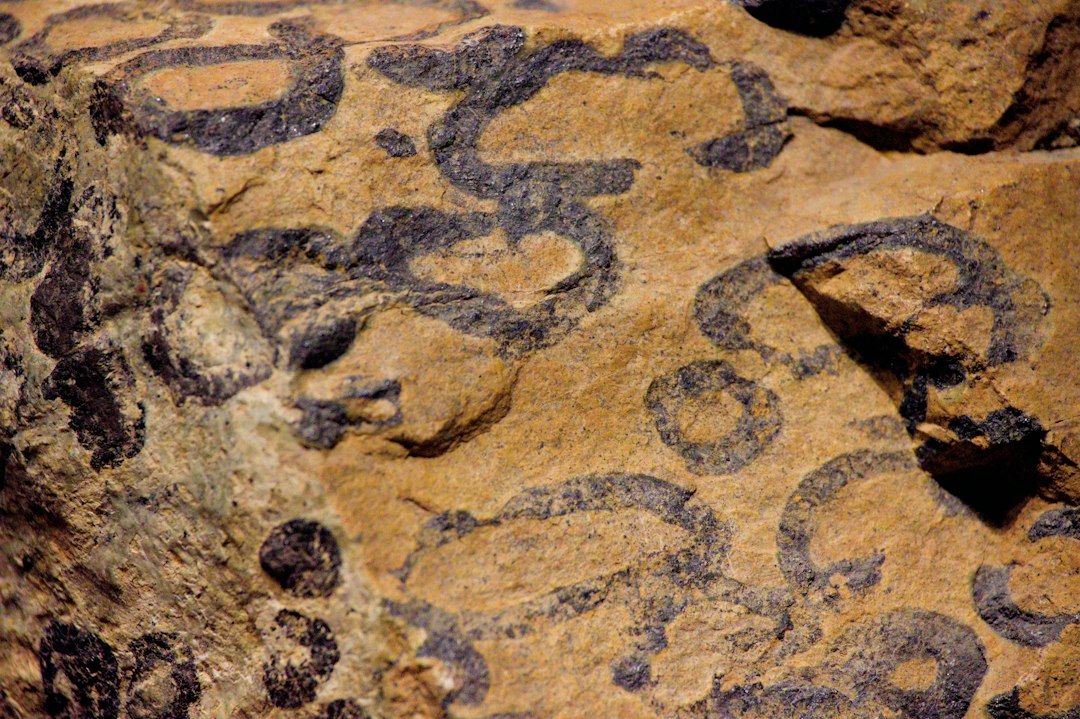
The dim glow of a flickering torch would have cast dancing shadows across the rough-hewn stone walls, illuminating not just the rudimentary shelters of prehistoric communities, but also the deeply ingrained beliefs and practices that shaped their lives. Among these ancient echoes, the sight of thin lines etched onto the roofs of caves and rock shelters would have evoked a profound, visceral response from prehistoric mothers. This was not mere idle doodling; these were intentional marks, imbued with meaning, likely tied to the most fundamental human drives: the survival of their kin and the perpetuation of their lineage. The interpretation of these thin lines, far from being a simple aesthetic observation, offers a window into the complex world of ancient ritual, maternal instinct, and the nascent development of symbolic thought.
Whispers of the Ancestors: The Materiality of Prehistoric Markings
The very act of creating these thin lines on stone roofs speaks volumes about the capabilities and intentions of prehistoric peoples. These markings, often found in sheltered locations, suggest a deliberate and persistent effort. The materials used, whether ochre pigments, charcoal, or incised lines directly into the rock face, were readily available, yet their application was far from haphazard. For a prehistoric mother, observing or participating in the creation of these lines would have been intrinsically linked to her understanding of the world and her place within it. The permanence of stone, contrasted with the fleeting nature of human life, lent these markings a gravitas that would have resonated deeply.
Pigment and Persistence: The Art of Ochre and Charcoal
The most common medium for such markings was ochre, a natural earth pigment that could be ground into a fine powder and mixed with water or animal fat to create a durable paint. The vibrant reds, yellows, and browns of ochre would have stood out starkly against the grey of the rock, drawing the eye and commanding attention. Prehistoric mothers would have been intimately familiar with the sourcing of these materials, understanding the properties of different earths and the techniques for preparing them. The act of applying these pigments might have been a communal endeavor, with women playing a significant role in gathering and processing the raw materials. The persistence of these lines, surviving millennia of exposure, underscores the importance placed upon them. They were not ephemeral expressions but rather enduring declarations, meant to convey a message across time.
The Canvas of the Cave: Strategic Placement and Visibility
The choice of location for these markings was equally significant. While some lines are found on exposed rock faces, many are located on the ceilings and upper walls of caves and rock shelters, areas that offered protection from the elements and perhaps a degree of sacredness. For a mother, these locations might have represented a sanctuary, a place of refuge for her family. The upward gaze, often required to view these markings, could have symbolized looking towards the heavens, towards spiritual forces, or towards a higher power that governed fertility, protection, and sustenance. The strategic placement ensured that these lines were seen, discussed, and integrated into the daily lives and belief systems of the community.
In exploring the intriguing question of what prehistoric mothers might have done when a thin line crossed a stone roof, one can draw parallels to the broader themes of societal stability and the challenges faced by communities throughout history. An insightful article that delves into the implications of societal collapse and its impact on families is available at The Threat of State Collapse. This piece examines how environmental and social pressures can influence family dynamics and survival strategies, much like the hypothetical scenarios faced by prehistoric mothers in their quest to protect their children and ensure their well-being.
Maternal Concerns: Protection, Fertility, and the Future of the Clan
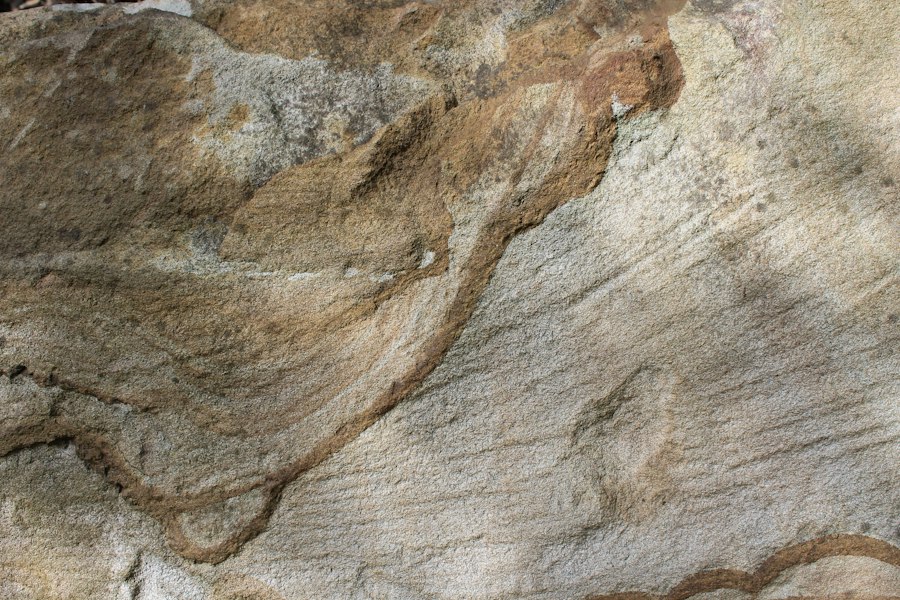
The core of prehistoric existence revolved around the imperative to survive and reproduce. For mothers, this imperative was amplified, as the physical and emotional burden of nurturing the next generation rested heavily upon their shoulders. It is within this context of profound maternal responsibility that the thin lines on stone roofs likely found their deepest meaning. They were not abstract symbols but rather potent tools, believed to influence the very forces that governed their lives and the lives of their children.
The Shield Against Harm: Warding Off Predators and Sickness
The prehistoric world was fraught with danger. Predators, from ferocious beasts to venomous serpents, lurked in the shadows. Disease, often misunderstood and feared, could decimate a community. In such an environment, any means of protection, however symbolic, would have been fiercely embraced. Prehistoric mothers, acutely aware of the vulnerability of their infants and young children, would have seen these thin lines as a form of spiritual defense. The markings might have been interpreted as representations of protective spirits, ancestral guardians, or even magical symbols designed to create a barrier against malevolent forces. The repetition of certain patterns or the specific arrangement of lines could have been believed to imbue the dwelling with a potent protective aura, offering a sense of security to the mother and her family.
The Bloom of Life: Invoking Fertility and Ensuring Plenty
The continuation of the clan depended entirely on successful reproduction. The desire for healthy pregnancies, safe childbirth, and abundant offspring would have been a constant concern for prehistoric mothers. It is highly probable that some of these thin lines were directly related to fertility rituals. They might have represented the fertile earth, the life-giving waters, or perhaps even stylized depictions of the female form or the process of conception. The act of creating or observing these markings could have been part of ceremonies aimed at appeasing fertility deities, encouraging the earth to yield its bounty, and ensuring the continued success of the community. For a mother struggling with infertility or fearing for the health of a pregnancy, these symbols would have offered a tangible, albeit symbolic, avenue for hope and intervention.
The Echoes of Generational Continuity: Connecting Past and Future
Prehistoric societies were deeply rooted in the concept of lineage and the importance of honoring ancestors. These thin lines could have served as a bridge between generations, connecting the living to those who came before and those who would come after. Mothers, as the keepers of familial memory and the transmitters of cultural knowledge, would have understood the significance of this continuity. The markings might have been seen as a way to invoke the wisdom and strength of their ancestors, to ensure that their lineage would endure. For a mother, this connection to her heritage and the promise of future generations would have provided a deep sense of purpose and belonging.
Deciphering the Grammar of the Past: Symbolism and Interpretation
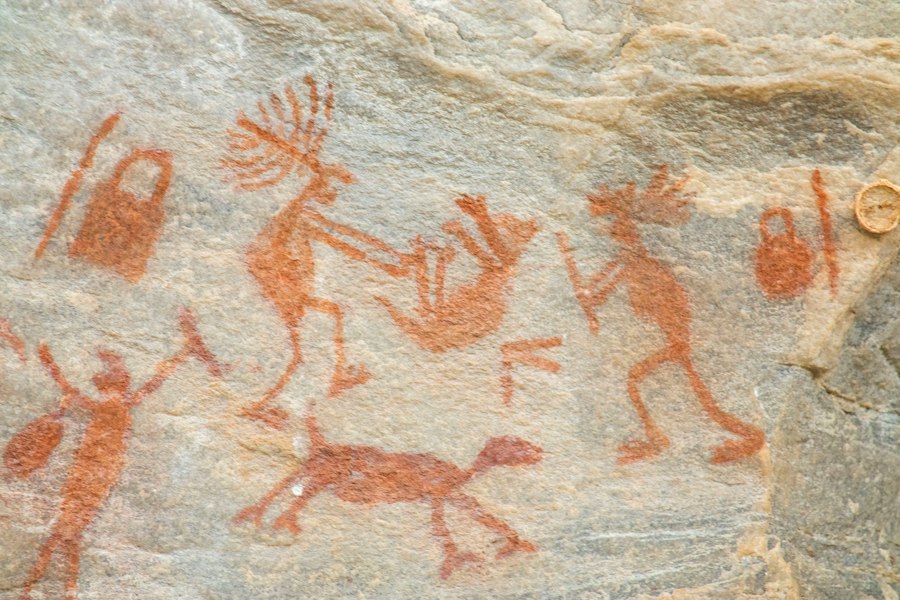
The challenge in understanding these prehistoric markings lies in the inherent difficulty of translating ancient symbols into modern language. Without a written record, we are left to infer meaning from context, cultural parallels, and the universalities of human experience. However, the recurring themes of protection, fertility, and continuity provide a strong foundation for interpreting the significance of these thin lines for prehistoric mothers.
Beyond the Literal: Abstract Representations of Essential Concepts
It is unlikely that these thin lines were intended as literal depictions of objects or events. Instead, they likely functioned on a more abstract level, representing fundamental concepts that were crucial to prehistoric survival and well-being. A series of parallel lines might have represented a fence or a protective barrier, while a more complex pattern could have symbolized the cyclical nature of life or the journey of the soul. Prehistoric mothers, steeped in the symbolic language of their culture, would have readily understood these abstract representations. Their interpretation would have been intuitive, drawing upon a shared understanding of the world and its inherent forces.
The Power of Repetition: Reinforcing Beliefs and Rituals
The repetition of certain line patterns is a common feature of prehistoric art and likely carried significant weight in their symbolic system. For prehistoric mothers, the consistent reappearance of specific markings would have reinforced their efficacy and their connection to the desired outcomes – be it protection or fertility. This repetition would have served as a constant reminder of the beliefs and rituals associated with these symbols, embedding them deeply into the collective consciousness and shaping the daily practices of the community.
Cultural Context and Comparative Studies: Piecing Together the Puzzle
While direct translation is impossible, insights can be gained by comparing prehistoric markings with those found in later or contemporary indigenous cultures. Studies of ethnographic data reveal a rich tapestry of symbolic meanings associated with abstract lines and geometric patterns, often related to cosmological beliefs, protective charms, and fertility rites. By drawing parallels with these established symbolic systems, researchers can begin to construct plausible interpretations for the thin lines found on prehistoric stone roofs, offering a deeper understanding of their significance for prehistoric mothers.
The Communal Embrace: Ritual and the Role of Mothers
The creation and interpretation of these markings were not solitary pursuits. They were deeply embedded within the social and ritualistic fabric of prehistoric communities, and mothers, as central figures in the transmission of life and culture, undoubtedly played a pivotal role. Their understanding and participation in these rituals would have been essential for the well-being of the entire group.
Shared Creation: A Collective Act of Hope and Invocation
The very act of marking the stone roofs was likely a communal endeavor. Families, or perhaps specific groups within the community, would have come together to create these symbols. Prehistoric mothers, with their intimate knowledge of the family unit and the needs of their children, would have been active participants in this process. They might have guided the creation of certain markings, ensuring they were placed correctly or imbued with the appropriate intention. This shared creation would have fostered a sense of collective agency, a feeling that they were actively influencing their destiny and safeguarding their future.
The Hearth and the Sacred: Integrating Ritual into Daily Life
The stone roofs of shelters were not just physical structures; they were the literal ceilings above their hearths, the spaces where families gathered, ate, and slept. The thin lines etched above would have been a constant, tangible presence in their daily lives. Prehistoric mothers would have seen these markings every day, their presence weaving into the fabric of their existence. This integration of the sacred into the mundane would have made the rituals associated with these markings profoundly impactful, reinforcing their importance and ensuring their continuous observance.
Passing the Knowledge: Maternal Transmission of Symbolic Language
Prehistoric mothers were the primary educators of their young. They would have been responsible for passing down the knowledge and understanding of these symbolic markings to the next generation. This transmission would have occurred through oral traditions, storytelling, and the direct observation of ritualistic practices. A mother would have explained the meaning of the lines, the spirits they represented, and the actions required to maintain their protective or life-giving power. This maternal transmission was crucial for the perpetuation of these beliefs and the continuation of the cultural heritage.
In exploring the daily lives of prehistoric mothers, one might wonder how they managed their households and nurtured their children in the face of environmental challenges. For instance, when a thin line crossed a stone roof, it could signify a structural issue that required immediate attention, reflecting the resourcefulness and resilience of these early caregivers. This topic is intricately connected to the broader themes of survival and adaptation in human history, as discussed in a related article on the implications of societal changes in the face of technological advancements. To delve deeper into these themes, you can read more about it in this insightful piece on the rise of artificial intelligence and societal collapse.
Enduring Legacies: The Unseen Threads Connecting Us to the Past
| Activity | Description | Possible Purpose | Evidence Source |
|---|---|---|---|
| Observation and Interpretation | Prehistoric mothers likely observed thin lines crossing stone roofs as natural phenomena. | Understanding environmental changes or weather patterns. | Archaeological site studies and ethnographic analogies. |
| Protective Actions | They may have taken shelter or reinforced their dwellings when noticing unusual markings or cracks. | Ensuring safety for themselves and their children. | Structural analysis of prehistoric dwellings. |
| Symbolic or Ritual Response | Possible ritualistic markings or responses to natural signs on stone surfaces. | Spiritual or cultural significance attributed to natural phenomena. | Rock art and symbolic artifacts. |
| Communication | Using lines or marks as signals or messages within the community. | Coordination and social interaction. | Anthropological studies of early human communication. |
The thin lines on prehistoric stone roofs, though seemingly simple, represent a profound connection to our ancestors and their fundamental human concerns. For prehistoric mothers, these markings were more than just art; they were vital tools, woven into the very fabric of their existence, designed to ensure the survival and prosperity of their kin. While the specific meanings may remain elusive, the underlying motivations – the fierce love of a mother for her children, the deep-seated desire for security, and the yearning for a future – are universally recognizable.
The Universal Motherhood: A Timeless Instinct
The instinct to protect, nurture, and ensure the survival of offspring is a primal force that transcends time and culture. Prehistoric mothers, like mothers today, were driven by this powerful instinct. The thin lines on stone roofs can be seen as a manifestation of this timeless drive, a prehistoric attempt to harness symbolic power to fulfill the most fundamental of maternal duties. Their efforts, though ancient, resonate with a shared human experience that connects us directly to these early matriarchs.
The Dawn of Symbolism: A Foundation for Human Thought
The deliberate creation of abstract symbols, intended to convey meaning and influence the world, marks a crucial step in the development of human cognition. Prehistoric mothers, in their engagement with these markings, were at the forefront of this symbolic revolution. Their understanding and use of these symbols laid the groundwork for the complex systems of language, art, and religion that would emerge and define human civilization.
The Unseen Influence: A Glimpse into the Heart of Ancient Life
The thin lines on stone roofs offer an invaluable glimpse into the hearts and minds of prehistoric peoples, particularly the mothers who bore the immense responsibility of nurturing life in a challenging world. They remind us that even in the most rudimentary of societies, human beings possessed a rich inner life, a deep capacity for belief, and an unwavering commitment to their families. The echoes of their concerns and their hopeful invocations continue to whisper from the ancient stones, reminding us of the enduring power of maternal love and the profound human need to seek meaning and protection in the world around us.

Life 20,000 Years Ago | When an Ice Age Wildfire Traps Your Primitive Family
FAQs
What does the phrase “thin line crossed a stone roof” refer to in a prehistoric context?
The phrase “thin line crossed a stone roof” likely symbolizes a significant event or boundary in prehistoric life, possibly indicating a change in environment, weather patterns, or a metaphorical line representing a challenge faced by prehistoric mothers in their daily lives.
What roles did prehistoric mothers typically have in their communities?
Prehistoric mothers were primarily responsible for nurturing and raising children, gathering food, and sometimes participating in hunting or gathering activities. They played a crucial role in the survival and education of their offspring, passing down knowledge and skills necessary for living in their environment.
How did prehistoric mothers adapt to environmental challenges?
Prehistoric mothers adapted to environmental challenges by utilizing available resources, developing tools, and creating shelters. They often relied on their knowledge of the land and seasonal changes to ensure their families had enough food and protection from the elements.
What evidence do we have of prehistoric maternal care?
Evidence of prehistoric maternal care can be found in archaeological sites, where artifacts such as tools, cooking implements, and remnants of food have been discovered alongside the remains of children. Additionally, cave paintings and carvings often depict family groups, suggesting the importance of maternal roles in early societies.
How did social structures influence the roles of prehistoric mothers?
Social structures in prehistoric communities often dictated the roles of mothers, with matrilineal societies sometimes placing women in positions of power regarding family lineage and resource management. The dynamics of these structures influenced how mothers interacted with their children and the community, shaping their responsibilities and status.