The gnawing hunger of ancient hominins was a constant companion, a driving force behind innovation and survival. While the image of early humans as purely flesh-eaters or berry-gatherers often dominates popular imagination, a closer examination of archaeological evidence reveals a more nuanced and sophisticated understanding of their dietary strategies. Among the most crucial, yet often overlooked, components of prehistoric nutrition was animal bone marrow. This rich, energy-dense substance played a pivotal role in fueling the development of our ancestors, providing essential nutrients that may have been scarce in other readily available food sources. The exploitation of bone marrow represents a significant cognitive leap, demonstrating an understanding of resource extraction and utilization that speaks volumes about the ingenuity of early hominins.
The Energy Equation: Why Marrow Mattered
The relentless demands of survival in prehistoric environments necessitated a constant intake of calories and essential nutrients. Early hominins, with their active lifestyles, large brains, and complex social structures, required a particularly substantial and reliable food supply. Animal bone marrow emerged as a prime candidate to meet these energy needs, offering a concentrated source of fats and other vital components.
Caloric Density and Fat as Fuel
Fats are the most energy-dense macronutrients, providing more than twice the calories per gram compared to carbohydrates or proteins. For hominins engaged in strenuous activities such as hunting, scavenging, foraging over vast distances, and evading predators, a readily accessible source of high-energy fuel was paramount. Bone marrow is exceptionally rich in fat, with a significant portion of its composition being lipid. This made it an incredibly efficient way to meet the high caloric requirements of a metabolically active and physically demanding lifestyle. Imagine a group of hominins returning from a successful hunt; the meaty parts of the carcass would be consumed, but the bones, far from being discarded, held a treasure trove of energy within their spongy interiors. This fat would have been crucial for sustained energy, allowing for longer periods of activity, better endurance, and potentially aiding in thermoregulation in colder climates.
Essential Fatty Acids and Brain Development
Beyond simple caloric intake, bone marrow provided crucial fatty acids, particularly unsaturated ones like linoleic acid and alpha-linolenic acid. These are essential fatty acids, meaning the body cannot synthesize them on its own and must obtain them from the diet. While meat contains these fatty acids, the concentrated nature of marrow often made it a more reliable source. The importance of these essential fatty acids, especially omega-3 and omega-6, cannot be overstated in the context of hominin evolution. These fats are critical building blocks for cell membranes and play a vital role in brain development and function. The human brain is an incredibly energy-demanding organ, accounting for a significant portion of our basal metabolic rate. The availability of dietary fats, readily provided by bone marrow, likely facilitated the encephalization – the evolutionary increase in brain size – that characterized human lineage. A diet rich in these fats would have supported the growth of neural tissues, the formation of synaptic connections, and overall cognitive enhancement, providing a crucial evolutionary advantage.
In exploring the nutritional practices of prehistoric humans, the utilization of animal bone marrow stands out as a significant dietary component. Bone marrow, rich in fats and essential nutrients, provided a vital source of energy and sustenance during times when other food sources were scarce. This practice not only highlights the resourcefulness of early humans but also their deep understanding of the nutritional value of various animal parts. For further insights into how ancient practices and beliefs shape our understanding of reality, you can read more in the article “The Illusion of Truth: How Power Conceals Reality” available at this link.
Unearthing the Evidence: Archaeological Insights into Marrow Consumption
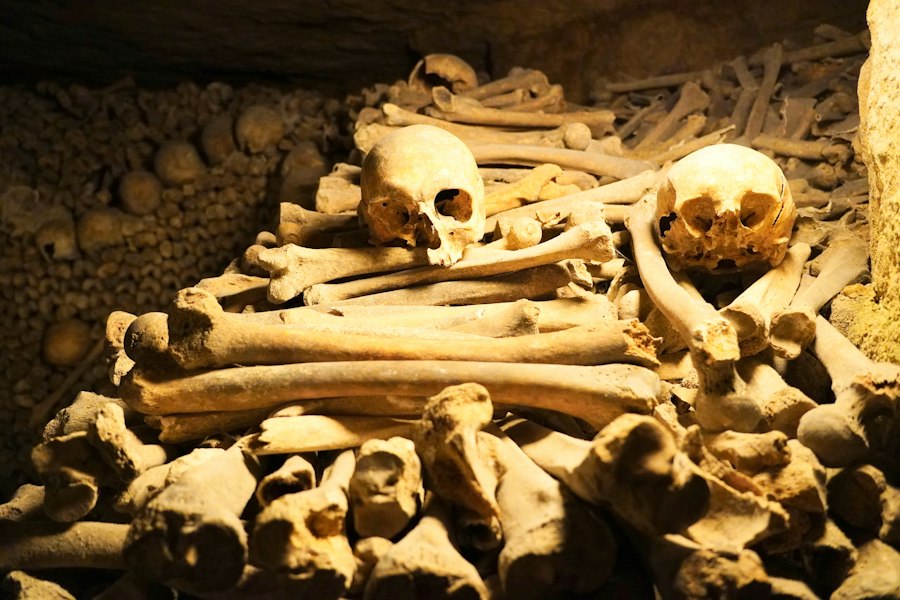
The story of bone marrow consumption by prehistoric peoples is not merely theoretical; it is etched in the very bones left behind. Archaeological excavations have yielded a wealth of evidence in the form of modified animal bones, demonstrating the deliberate and systematic extraction of marrow.
Taphonomic Clues: Marks of Extraction
The most direct evidence comes from the study of faunal remains found at prehistoric sites. Archaeologists meticulously examine animal bones for signs of human intervention. Stone tools, used for butchery and processing, leave characteristic cut marks on bones. However, for marrow extraction, different types of damage are observed. Percussion marks, or battering marks, are frequently found on limb bones, particularly at their ends where the marrow cavities are most accessible. These marks indicate that hominins were intentionally striking the bones with hammerstones to fracture them open and expose the fatty marrow within. The distribution of these percussion marks on specific bone elements (like the long bones of ungulates) further supports the hypothesis that marrow was a targeted resource. Moreover, evidence of heating or burning on bones can also suggest intentional breakage to access marrow, as heating can sometimes make the bone easier to fracture.
Differential Consumption Patterns
Archaeologists also analyze which parts of animal carcasses are most frequently represented in the fossil record at hominin sites. When hominins were primarily interested in meat, they would typically disarticulate and butcher carcasses into manageable portions. However, the prevalence of marrow-rich long bones, often broken, suggests a more thorough utilization of the entire carcass. The presence of epiphyses (the ends of long bones) at sites, even those with less muscle attachment and thus less meat, further underscores the importance of marrow. This pattern of consumption indicates that hominins were not just opportunistic scavengers; they were actively seeking out and exploiting every nutrient-rich component of their prey, including the marrow that lay hidden within.
Persistence of Practice: Across Time and Hominin Species
The archaeological record demonstrates that bone marrow consumption was not a fleeting trend but a persistent dietary strategy employed by various hominin species across vast stretches of time and geographical locations. Evidence of marrow exploitation has been found at sites attributed to early Homo species, such as Homo erectus, dating back over a million years, and continues through the Middle and Upper Paleolithic periods with Homo neanderthalensis and Homo sapiens. This widespread and long-lasting practice highlights the fundamental importance of marrow in sustaining early human populations and their evolutionary trajectory. The repeated observation of similar modification patterns on bones at diverse sites reinforces the idea that marrow extraction was a well-established and understood behavior.
Beyond the Obvious: Nutritional Contributions of Marrow

While its caloric and fatty acid content is undeniable, bone marrow offered a broader spectrum of nutritional benefits that were crucial for prehistoric health and survival. Its complex composition provided a range of micronutrients that might have been difficult to obtain from other dietary sources alone.
Vitamins: A Hidden Bounty
Bone marrow is a significant source of fat-soluble vitamins, particularly vitamin A and vitamin D. Vitamin A is essential for vision, immune function, and cell growth. Vitamin D is crucial for calcium absorption and bone health, and its role in immune modulation is increasingly recognized. In prehistoric environments, reliable sources of these vitamins could have been scarce. While some fruits and vegetables provide vitamin A, and sunlight offers a means to synthesize vitamin D, dietary sources were likely important, especially during periods of limited sunlight or access to specific plant foods. Marrow, being a fatty tissue, readily incorporated and stored these vitamins, making it a valuable dietary contribution. The early understanding of which animals and which parts of them were richest in these nutrients may have been passed down through generations, a testament to observational learning and accumulated knowledge.
Minerals: Building Blocks for Health
In addition to vitamins, bone marrow also contains valuable minerals. Iron, a critical component of hemoglobin for oxygen transport, is present, although in varying amounts depending on the animal species and the specific bone. Manganese, essential for bone formation and metabolism, is also found in marrow. While the mineral content might not be as high as in organ meats, it nonetheless contributed to the overall nutritional profile of the diet. For populations relying heavily on animal products, marrow served as an additional source of these vital micronutrients, supporting physiological processes and overall well-being.
Proteins and Other Bioactive Compounds
While primarily known for its fat content, bone marrow also contains some protein. This protein is often in the form of collagen and other connective tissues. While not a primary protein source in the same way as muscle meat, it contributed to the overall protein intake. Furthermore, some research suggests that bone marrow may contain other bioactive compounds, such as growth factors and stem cells, although their nutritional significance in the context of prehistoric diets is still an area of active investigation. Nevertheless, it is plausible that marrow offered a holistic nutritional package, providing more than just calories and basic vitamins.
The Cognitive Leap: Understanding and Exploiting Marrow
The consistent and deliberate extraction of bone marrow by prehistoric hominins represents more than just a dietary preference; it signifies a significant cognitive advancement and a sophisticated understanding of their environment and resources. This practice required foresight, problem-solving, and the transmission of knowledge.
Tool Use and Modification for Extraction
The act of accessing marrow necessitated the development and use of specific tools and techniques. While sharp-edged tools were used for butchery, accessing marrow required a different approach – blunt force. The development of hammerstones and anvils, or the use of naturally occurring hard surfaces, demonstrates an understanding of physics and mechanics. Hominins learned to apply controlled force to fracture bones at specific points, maximizing the yield of marrow and minimizing wasted effort. This suggests an ability to plan and execute multi-step processes, moving beyond simple opportunistic scavenging to deliberate resource acquisition. The selection of specific types of stones for their weight and hardness also points to a level of material selection and tool refinement.
Social Learning and Knowledge Transmission
The successful and consistent exploitation of bone marrow implies a process of social learning and knowledge transmission. It is unlikely that each individual hominin independently discovered the efficacy of breaking bones for marrow. Rather, this knowledge would have been passed down from older, more experienced individuals to younger generations. This transmission of learned behaviors is a hallmark of complex social animals and is crucial for cultural evolution. Stories, demonstrations, and practical guidance would have ensured that these valuable survival skills were preserved and passed on, contributing to the long-term success of hominin populations. The ability to teach and learn complex skills is a fundamental aspect of what makes us human.
Resource Management and Niche Expansion
The ability to extract marrow expanded the range of exploitable resources for prehistoric hominins. It allowed them to derive sustenance from the entire carcass of an animal, rather than solely focusing on the muscle meat. This increased efficiency in resource utilization would have been particularly important during times of scarcity or when larger prey animals were not readily available. By tapping into the caloric and nutritional richness of bone marrow, hominins could subsist in a wider array of environments and adapt to changing ecological conditions. This dietary flexibility contributed to their ability to spread across diverse landscapes and eventually colonize the globe. Furthermore, understanding marrow extraction may have influenced hunting strategies, encouraging the pursuit of larger animals that yielded more marrow-rich bones.
In exploring the nutritional practices of prehistoric humans, the use of animal bone marrow emerges as a significant aspect of their diet, providing essential fats and nutrients crucial for survival. This ancient practice highlights the resourcefulness of early societies in utilizing available materials for sustenance. For a deeper understanding of how resource exploitation has evolved over time and its implications for modern conservation efforts, you can read more in this insightful article about balancing conservation and development in Antarctica. The article can be found here.
The Marrow of Memory: Enduring Significance in Human Evolution
| Metric | Value | Unit | Notes |
|---|---|---|---|
| Estimated Caloric Density of Bone Marrow | 700 | kcal per 100g | High energy content, rich in fats |
| Protein Content | 7 | g per 100g | Moderate protein source |
| Fat Content | 80 | g per 100g | Primarily saturated and monounsaturated fats |
| Vitamin A Content | 1400 | IU per 100g | Supports vision and immune function |
| Calcium Content | 20 | mg per 100g | Bone marrow itself low in calcium |
| Prehistoric Usage Period | 2.5 million – 10,000 | Years ago | From early Homo species to late Paleolithic |
| Frequency of Bone Marrow Consumption | High | Qualitative | Evidence from cut marks on bones |
| Contribution to Daily Energy Intake | Up to 30% | Percent | In hunter-gatherer diets |
The consumption of animal bone marrow stands as a testament to the remarkable adaptability and ingenuity of our prehistoric ancestors. It was not merely a supplementary food source but a fundamental pillar of their nutritional strategy, fueling their physical and cognitive development and shaping their evolutionary trajectory.
A Catalyst for Brain Growth and Complexity
The high energy and essential fatty acid content of bone marrow likely played a crucial role in supporting the evolution of larger brains in hominins. The development of complex cognitive functions, problem-solving abilities, and social behaviors required a constant and reliable supply of nutrients. Marrow provided this vital fuel, enabling the metabolic demands of an increasingly encephalized brain. Without this rich dietary component, the sustained growth and development of the human brain might have been severely hampered. It is plausible that the availability of marrow, alongside other nutrient-dense foods, created an evolutionary feedback loop where enhanced cognitive abilities led to more efficient resource exploitation, including marrow extraction, further supporting brain development.
Shaping Early Societies and Behaviors
The practice of marrow extraction likely influenced early hominin social structures and behaviors. The sharing of marrow, a highly prized resource, may have fostered cooperation and reciprocity within groups. The knowledge and skills associated with marrow extraction would have been valuable, potentially conferring status upon individuals who possessed them. Furthermore, the dissection and processing of carcasses for marrow would have been a communal activity, bringing individuals together and reinforcing social bonds. The very act of processing carcasses for all their valuable parts, including marrow, speaks to a developing sense of community and shared resource management.
A Foundation for Future Dietary Innovations
The successful exploitation of bone marrow laid the groundwork for future dietary innovations and adaptations in human history. The cognitive skills developed to access and process marrow, such as tool use, planning, and social learning, were transferable to other aspects of food acquisition and preparation. The understanding of how to extract nutrients from challenging sources demonstrated a sophisticated relationship with the natural world, a relationship that continued to evolve as humans migrated and encountered new environments and resources. The legacy of marrow consumption is woven into the very fabric of human dietary evolution, a silent but significant chapter in our journey from primal beginnings to modern complexity. The lessons learned from cracking open bones for their hidden bounty continue to resonate in our understanding of what it means to thrive, drawing sustenance from the very foundations of the animal kingdom.

Life 20,000 Years Ago: How Humans Survived the Ice Age
FAQs
What is animal bone marrow?
Animal bone marrow is a soft, fatty substance found in the hollow center of animal bones. It is a nutrient-rich food source that has been consumed by humans for thousands of years.
How did prehistoric humans use animal bone marrow for nutrition?
Prehistoric humans used animal bone marrow as a valuable source of essential nutrients such as protein, fat, vitamins, and minerals. They would crack open bones to access the marrow inside and consume it raw or cooked.
What nutritional benefits does animal bone marrow provide?
Animal bone marrow is rich in calories, healthy fats, collagen, iron, vitamin A, vitamin K, and omega-3 fatty acids. It can help support brain health, boost the immune system, and aid in overall well-being.
Were there any cultural or ritualistic practices associated with consuming animal bone marrow in prehistoric times?
Some archaeological evidence suggests that prehistoric humans may have had cultural or ritualistic practices associated with consuming animal bone marrow. It was considered a valuable food source and may have been shared as a communal meal during gatherings or ceremonies.
Is animal bone marrow still consumed for nutrition today?
Yes, animal bone marrow is still consumed for nutrition today. It is used in various culinary dishes, such as bone marrow butter, bone broth, and marrow bones roasted with herbs. Many people value its rich flavor and nutritional benefits.