Echoes in the Stone and Bone: Early Human Encounters with Migratory Beasts
The story of humanity is inextricably woven with the story of the natural world, a narrative that stretches back into the deep mists of prehistory. Long before the advent of agriculture, before the domestication of animals, and even before the systematic construction of permanent settlements, our ancient ancestors shared the planet with a breathtaking array of fauna. These were not static populations; many species were characterized by predictable, seasonal movements, epic migrations that traversed vast landscapes. For early humans, these animal journeys were not mere background spectacles; they were fundamental forces shaping their survival, their movements, and their very understanding of the world. The intertwined histories of prehistoric peoples and the early movement of animals across lands represent a crucial, yet often overlooked, chapter in our shared evolutionary journey.
The earliest hominins, like Australopithecus, were primarily confined to Africa. Their existence was largely dictated by the immediate availability of food and water, and their movements were likely opportunistic, following the resource patches dictated by local climate and rainfall. However, as hominins evolved into more robust forms, such as Homo erectus, and their cognitive abilities expanded, so too did their geographic range. This outward expansion, the initial peopling of continents, was not solely a testament to human ingenuity but was also, in part, facilitated by the presence of migratory animals. These animals, already navigating established routes, provided both challenges and opportunities, influencing where early humans ventured and how they sustained themselves in new territories. The Earth’s vastness, punctuated by the ebb and flow of animal populations, presented a dynamic stage upon which the drama of human dispersal unfolded.
Prehistoric people played a crucial role in the movement and domestication of animals, significantly impacting their survival and development. An interesting article that delves into the historical context of ancient navigation and exploration, which indirectly relates to the movement of animals, can be found at this link: Uncovering the Source Documents of the Piri Reis Map. This article explores the Piri Reis map, shedding light on the early understanding of geography and how it influenced human interactions with the environment, including the movement of various species.
The Great Animal Highways: Routes of the Pleistocene
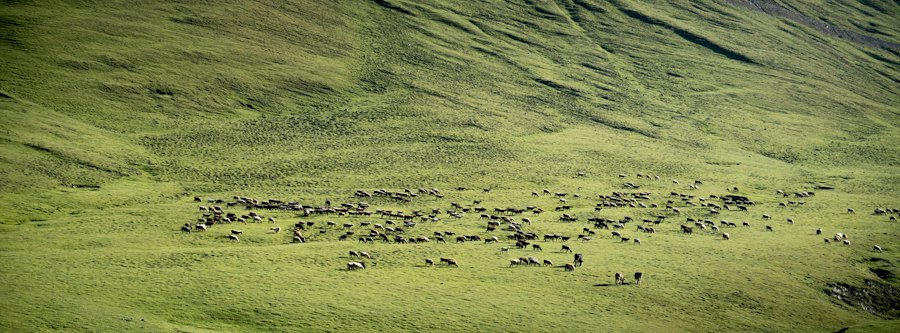
The Pleistocene epoch, often referred to as the Ice Age, was a period of dramatic climatic fluctuations, characterized by cycles of glaciation and interglacial periods. These environmental shifts profoundly influenced the distribution and movement of animal populations. Vast herds of herbivores, such as mammoths, mastodons, bison, wild horses, and deer, roamed the continents, following ancient migratory routes established over millennia. These routes were dictated by a complex interplay of factors: the availability of grazing lands, the presence of water sources, the avoidance of extreme weather conditions, and the need to escape predation. For early humans, these established animal pathways acted as natural corridors, guiding their own explorations and settlement patterns.
Following the Herd: Sustenance and Survival
The most direct impact of animal migration on prehistoric human populations was in the realm of sustenance. The predictable movements of large herbivores offered a relatively consistent and abundant source of food. Early humans, skilled hunters and opportunistic scavengers, would have learned to anticipate these migrations, positioning themselves along established routes to intercept herds. This strategy offered a far more reliable food source than random hunting, allowing for larger group sizes and the development of more complex social structures. The success of a hunting party often depended on an intimate understanding of animal behavior, including their migratory patterns, their seasonal preferences, and their vulnerabilities. Knowledge passed down through generations, likely through oral traditions and direct observation, would have been critical to survival.
The reliance on migratory herds also influenced the mobility of prehistoric peoples. While not necessarily undertaking the same epic journeys as their animal quarry, these human groups would have been semi-nomadic, following the seasonal availability of game. Their campsites would have been strategically located near water sources and along known animal pathways, allowing them to exploit migrating populations throughout the year. This dynamic relationship between predator and prey, between human and animal, created a feedback loop, shaping both the migratory patterns of the animals and the lifestyle of the humans who depended on them.
Navigating the Landscape: Animal Trails as Human Guides
Beyond providing food, the movements of animals also served as informal guides for early human exploration. Animals, driven by instinct and environmental cues, often found the most efficient and safest routes through challenging terrains. Their trails, worn smooth over centuries of passage, often followed the contours of the land, circumventing impassable obstacles such as dense forests, steep ravines, and treacherous mountain ranges. Early humans, with their less developed navigational tools and technologies, would have benefited immensely from these natural pathways.
These animal trails would have led humans to new territories, to sources of water, and to sheltered areas suitable for habitation. As humans ventured further from their points of origin, they would have likely observed and followed the movements of dominant animal species, using them as indicators of fertile ground or promising hunting opportunities. The very discovery of new continents and the expansion into diverse environments were, in many ways, facilitated by the silent, ancient wisdom of animal migration. The animals, in essence, were the cartographers of the prehistoric world, and humanity, in its early stages, was a keen student of their routes.
The Great Thaw: Shifting Landscapes and New Horizons
The end of glacial periods, marked by the great thaws, triggered significant shifts in both the environment and the distribution of animal populations. As glaciers receded and ice sheets melted, vast new territories were exposed, and existing habitats were transformed. These environmental changes led to the rerouting or disappearance of some migratory patterns, while simultaneously creating opportunities for new ones to emerge. For prehistoric humans, these epochal shifts presented both challenges and immense possibilities for expansion.
The Bering Land Bridge: A Transcontinental Passage
Perhaps one of the most significant examples of animal-driven migration impacting human dispersal is the formation and subsequent submergence of the Bering Land Bridge. During glacial periods, vast amounts of water were locked up in ice sheets, causing sea levels to drop dramatically. This exposed a landmass, known as Beringia, connecting Siberia and Alaska. This land bridge was not merely a barren strip of land; it was a vast, open steppe ecosystem teeming with life, supporting herds of mammoths, bison, horses, and caribou.
It is widely believed that early humans, likely following these large migratory herbivores across Beringia, made their way from Asia into the Americas. The animals, in their seasonal movements, created pathways across this land bridge, and humans, either in pursuit of game or seeking new hunting grounds, traversed these same routes. The timing of human entry into the Americas is still debated, but the role of animal migration in facilitating this continental leap is undeniable. As sea levels rose again with the end of the last glacial maximum, Beringia was submerged, effectively closing this land bridge and isolating the Americas.
Refuge and Resurgence: Animals Shaping Post-Glacial Movements
The end of the last glacial period also led to the resurgence and redistribution of animal populations in other parts of the world. As the climate warmed, forests expanded, and new grazing lands became available. Animals that had been confined to glacial refugia began to spread outwards, repopulating previously inhospitable areas. Prehistoric humans, adapted to following these animal movements, would have likewise expanded their territories, colonizing these newly opened landscapes.
For instance, as the massive ice sheets that covered much of Northern Europe retreated, animals like reindeer and elk began to move into these areas. Human groups, skilled in hunting these species, would have followed, establishing settlements in these once-frozen lands. The retreat of the glaciers was not just a geological event; it was a trigger for a wave of faunal and human migration, a dynamic process of recolonization and adaptation driven by the availability of resources and the natural inclinations of animal populations.
The Hunter’s Knowledge: Understanding Animal Rhythms
The survival of prehistoric human groups was heavily reliant on their ability to understand and predict the behavior of the animals around them, particularly those that migrated. This understanding went far beyond simply knowing when and where to hunt; it encompassed a deep, almost intuitive, knowledge of animal ecology, their social structures, their breeding cycles, and their responses to environmental changes. This observational prowess, honed over countless generations, was a critical component of their success.
Seasonal Cycles and Dietary Adaptation
The migratory patterns of animals dictated the seasonal availability of different food sources for prehistoric humans. For example, during certain times of the year, herds of caribou might be abundant, providing a rich source of meat, hides, and bone. At other times, fish might be migrating upstream, offering a vital protein source. Understanding these seasonal shifts allowed humans to plan their own movements and to diversify their diets accordingly. Knowledge of when certain animals would be most vulnerable, such as during their breeding seasons or when traversing narrow passes, was also crucial for successful hunting.
This deep understanding of animal rhythms also influenced the development of early technologies and techniques. The creation of specialized hunting tools, such as spears, bows and arrows, and traps, would have been informed by the specific needs of hunting migrating animals. Techniques for preserving food, such as drying and smoking, would have been developed to capitalize on periods of abundance and to ensure sustenance during leaner times. The entire subsistence strategy of many prehistoric cultures was intrinsically linked to the predictable ebb and flow of animal migrations.
The Sacred and the Symbolic: Animals in Prehistoric Worldviews
The profound impact of animal migrations on the lives of prehistoric peoples likely extended beyond the purely practical. The awe-inspiring scale and regularity of these animal journeys would have undoubtedly shaped their spiritual and symbolic beliefs. Animals, particularly those that undertook epic migrations, may have been viewed as powerful, almost divine, entities. Their movements could have been interpreted as omens, as signs from the natural world, or as reflections of cosmic order.
Rock art and cave paintings found in prehistoric sites often depict animals prominently, suggesting their central role in early human culture. These depictions may not only have served as records of successful hunts or as instructional tools for younger generations but also as expressions of reverence, as attempts to connect with the spiritual power attributed to these migrating beasts. The migration of animals, a constant reminder of the cyclical nature of life and the interconnectedness of all living things, may have been a foundational element in the development of early human cosmologies and mythologies.
Prehistoric people played a crucial role in the movement and domestication of animals, shaping the landscape of early human societies. Their interactions with various species not only provided sustenance but also laid the groundwork for agricultural practices that would follow. For a deeper understanding of how historical patterns can inform our current relationship with the environment, you can explore this insightful article on learning from history and its parallels in the climate crisis.
Modern Echoes: Tracing the Ancient Pathways
| Metric | Value | Notes |
|---|---|---|
| Time Period | 2.5 million – 10,000 years ago | From early Homo habilis to the end of the Pleistocene |
| Primary Animals Moved | Mammoths, Bison, Reindeer, Horses | Large game hunted and sometimes driven or herded |
| Hunting Techniques | Driving herds into traps or cliffs | Used natural landscape features for mass kills |
| Estimated Group Size for Hunting | 10-50 individuals | Cooperative hunting required coordination |
| Distance Animals Were Moved | Up to 20 km | Animals driven to kill sites or camps |
| Tools Used | Spears, Atlatls, Stone blades | For hunting and butchering animals |
| Purpose of Moving Animals | Food, Clothing, Tools | Utilized all parts of the animal |
| Evidence Sources | Archaeological sites, Cave paintings | Show hunting scenes and kill sites |
While the world has changed dramatically since the time of our prehistoric ancestors, the legacy of their interactions with animal migrations can still be observed today. Many of the ancient animal pathways, carved into the landscape by millennia of movement, continue to be utilized by their modern descendants. Scientists and conservationists, by studying current animal movements and archaeological evidence, are increasingly able to reconstruct the migratory routes that were so crucial to early human survival and dispersal.
Conservation and the Continuity of Migratory Routes
Modern conservation efforts often focus on protecting these ancient migratory corridors. Understanding that these routes are essential for the survival of numerous species, from caribou in the Arctic to wildebeest in Africa, allows for the implementation of strategies that safeguard these vital pathways from human encroachment and habitat fragmentation. The recognition that these routes have sustained life for millennia, including human life, adds a layer of historical and cultural significance to their preservation.
By studying the genetic makeup of contemporary animal populations and comparing it with fossil evidence, researchers can infer the historical movements and genetic exchanges that occurred during prehistoric times. This scientific endeavor not only sheds light on the past but also informs present-day conservation strategies, ensuring that these ancient migratory highways remain open for the vital journeys of wildlife, a continuity that links the deep past to the present.
Archaeological Insights into Past Migrations
Archaeological discoveries continue to provide invaluable insights into the close relationship between prehistoric peoples and animal migrations. The distribution of fossil animal remains at ancient human sites, coupled with the analysis of stone tools and other artifacts, allows archaeologists to reconstruct hunting patterns and to infer the timing and direction of both human and animal movements. For instance, finding evidence of specific migratory species in a region far from their present-day range can indicate ancient migration routes that were exploited by early humans.
Furthermore, the study of ancient DNA extracted from human and animal remains can reveal genetic connections and historical interactions, providing a more nuanced understanding of how species, including humans, moved and coexisted across the landscape. The ongoing quest to understand the peopling of the Americas, for example, relies heavily on integrating archaeological findings with paleoclimatic data and the study of animal migrations across the Bering Land Bridge. These scientific endeavors are continuously refining our picture of a prehistoric world where the movements of animals were a fundamental force shaping the trajectory of human history.

The 7,000-Year-Old Secret Hidden Under a Lake
FAQs
1. How did prehistoric people move animals?
Prehistoric people moved animals by using various methods such as domestication, herding, and possibly even hunting and capturing them for relocation.
2. Why did prehistoric people move animals?
Prehistoric people moved animals for a variety of reasons including food, clothing, transportation, labor, and religious or cultural practices.
3. What evidence suggests that prehistoric people moved animals?
Evidence such as cave paintings, archaeological findings of animal bones in different locations, and genetic studies of ancient animal populations all suggest that prehistoric people moved animals.
4. Which animals were commonly moved by prehistoric people?
Prehistoric people commonly moved animals such as cattle, sheep, goats, horses, and pigs for various purposes including agriculture, transportation, and companionship.
5. How did the movement of animals by prehistoric people impact human societies?
The movement of animals by prehistoric people had significant impacts on human societies by enabling the development of agriculture, trade networks, social structures, and the spread of cultural practices and technologies.