The Ancient Angler’s Skill: A Glimpse into Prehistoric Trout Fishing
The rhythmic splash of water against a primitive reed boat, the glint of sunlight on a spear tip, the patient wait for a shadow to rise from the depths – these are the images that emerge when considering the lives of prehistoric humans and their relationship with the natural world. Among the many subsistence strategies employed by our ancient ancestors, fishing played a crucial role, providing a vital source of protein and nutrients. This article delves into the fascinating world of prehistoric fishing, specifically focusing on the art and challenges of catching brown trout in ancient times. Far from being a simple act of luck, it was a practice honed by generations of observation, experimentation, and an intimate understanding of the environment.
Prehistoric people were known to have developed various fishing techniques to catch brown trout, which played a significant role in their diet and culture. An interesting article that explores the broader implications of resource management and property rights, albeit in a different context, is available at this link: Legal Framework for Lunar Mining Property Rights. While it discusses modern issues of resource allocation in space, it draws parallels to how ancient communities might have navigated their own resource challenges, including fishing practices.
Understanding the Prehistoric Context: A World of Abundance and Challenge
To appreciate the efforts involved in prehistoric trout fishing, one must first understand the environmental and societal conditions of the eras in which these practices took place. The vast majority of human history, from the Paleolithic to the Neolithic periods, was characterized by a deep reliance on readily available natural resources. The landscape, particularly in regions where brown trout ( Salmo trutta) thrive, was often a tapestry of dense forests, pristine rivers, and abundant wildlife. However, this abundance came hand-in-hand with significant challenges. Prehistoric communities operated without the technological conveniences we take for granted today. Tools were rudimentary, labor was intensive, and survival was a daily endeavor.
The Paleo-Environment and its Icy Influence
The Pleistocene epoch, often referred to as the Ice Age, profoundly shaped the environments where early humans and brown trout coexisted. As glaciers advanced and retreated, river systems were carved, reshaped, and populated. During glacial periods, many regions that are now temperate were covered in ice, forcing human populations to adapt to colder climates and potentially restricting their access to prime fishing grounds. Conversely, interglacial periods offered warmer temperatures and a burgeoning of life, creating ideal conditions for trout populations to flourish in newly formed or revitalized river systems. The migratory patterns of fish, influenced by water temperature, ice cover, and food availability, would have been a constant consideration for ancient fishers. Understanding these cycles was not merely academic; it was essential for securing sustenance.
The Neolithic Revolution and Shifting Human Lifestyles
The advent of the Neolithic Revolution, marked by the development of agriculture and settled lifestyles, brought about further changes. While agriculture provided a more stable food source for some populations, fishing often remained a vital supplement, especially in communities situated near rivers and lakes. The establishment of permanent settlements meant that fishing techniques could be refined and passed down through generations with greater consistency. Furthermore, the increased availability of plant-based materials, such as reeds and wood, likely facilitated the development of more sophisticated fishing tools and structures, such as nets and fish traps. The shift from a purely nomadic existence to semi-sedentary or fully settled life allowed for a deeper engagement with local aquatic ecosystems, fostering specialized knowledge about fish behavior and optimal fishing locations.
The Prey: Characteristics of the Ancient Brown Trout
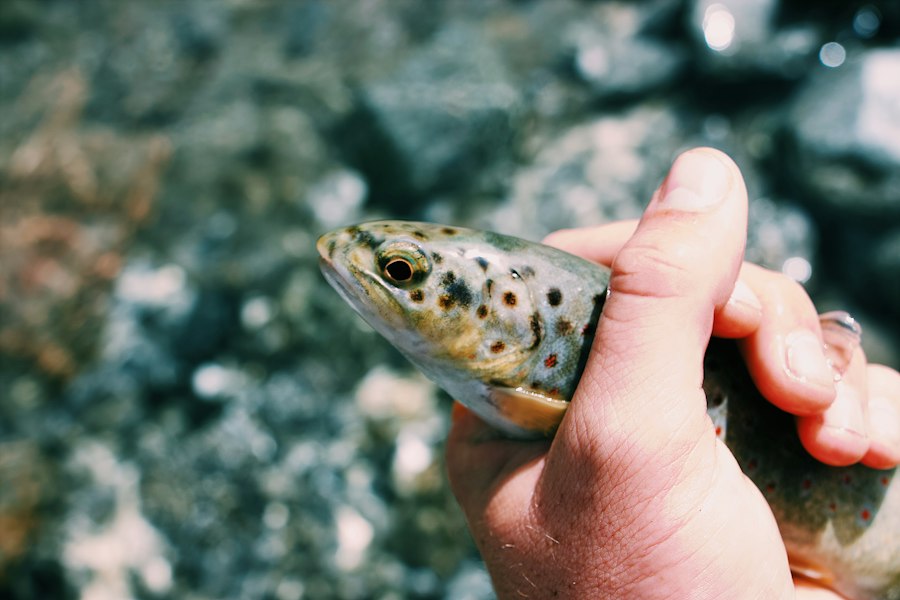
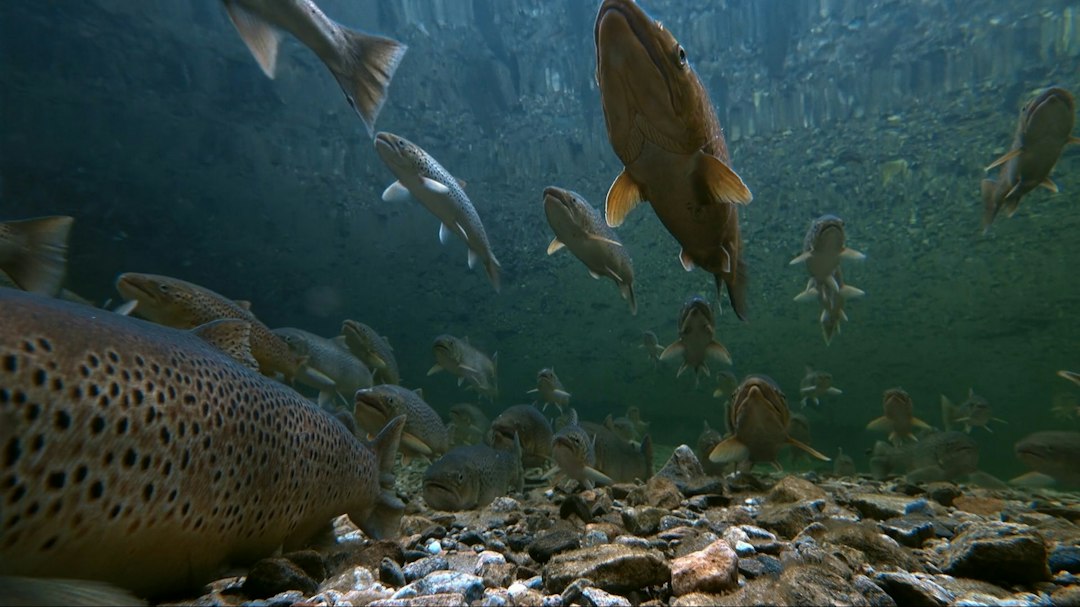
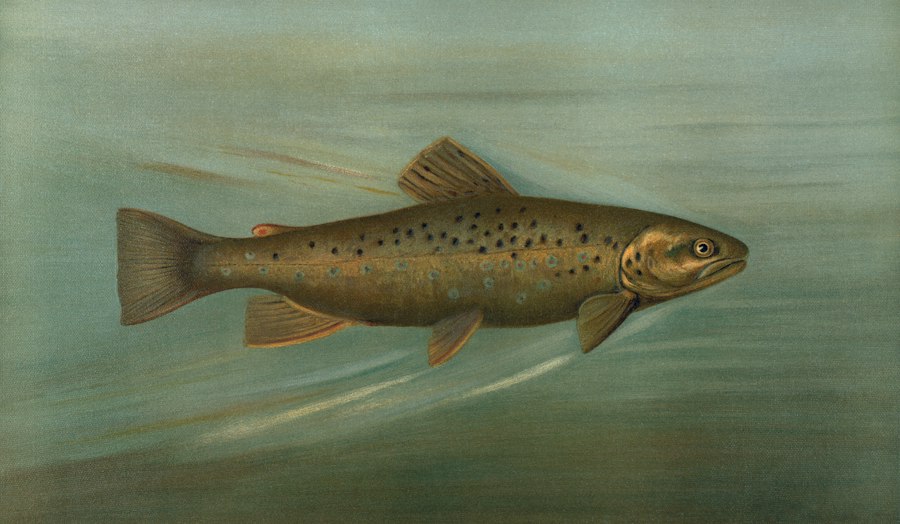
Brown trout, a species renowned for its adaptability and widespread distribution across Europe and parts of Asia and North Africa, would have been a familiar and valuable catch for prehistoric peoples. These fish are highly sensitive to water quality and temperature, indicating that the rivers and streams they inhabited during prehistory were likely pristine and well-oxygenated. Their behavior, including feeding habits, spawning runs, and habitat preferences, would have been meticulously observed by ancient anglers, forming the basis of their fishing strategies.
Diet and Behavior: A Predictable Pattern for the Hunter
Brown trout are opportunistic predators, their diet consisting of insects (both aquatic and terrestrial), smaller fish, crustaceans, and even small mammals or birds that venture too close to the water’s edge. Their feeding patterns are often influenced by diurnal cycles, with peaks of activity at dawn and dusk, and by seasonal changes, such as the annual spawning migrations. During the spring and autumn, trout are particularly active as they prepare for or recover from spawning. Prehistoric fishermen, lacking sonar or advanced hydrological data, would have relied on their keen senses and accumulated knowledge to predict these behaviors. They would have recognized the signs of trout feeding – the subtle ripples on the water’s surface, the disturbance of insect swarms, or the tell-tale flick of a tail as a fish darted for prey.
Habitat Preferences: Where the Trout Dwelled
Brown trout are typically found in clear, fast-flowing, cool water, often in rivers and streams with gravelly or rocky bottoms. They prefer areas with plenty of cover, such as submerged logs, overhanging vegetation, and deep pools, which offer protection from predators and a vantage point for ambushing prey. These preferred habitats would have been the prime hunting grounds for prehistoric anglers. Identifying these “hot spots” – the bends in the river with deep pools, the areas downstream of waterfalls where oxygen levels are high, or the stretches with abundant insect life – would have been a critical skill passed down from elder to younger generations. The presence of certain aquatic plants or invertebrates might have also served as indicators of good trout territory.
The Angler’s Arsenal: Tools and Techniques of the Past
The ingenuity of prehistoric humans is perhaps most evident in the diverse array of tools and techniques they developed to procure food from the water. For brown trout fishing, these methods ranged from direct, close-quarters hunting to more passive forms of capture, each requiring a distinct set of skills and an understanding of the specific fishing environment. The development and refinement of these tools were a slow, iterative process, driven by necessity and the constant quest for more efficient ways to feed their communities.
The Spear and the Goad: Precision in the Riffles
The spear, a universally ancient tool, was likely one of the earliest and most direct methods employed for catching fish. Crafted from sharpened wood, bone, or stone, these spears could be used for actively hunting fish in shallow waters or weirs. The fisherman would wade into the water or stand on the riverbank, patiently observing the movements of trout. Upon sighting a suitable target, a swift and accurate thrust would be required. This method demanded considerable skill, including an understanding of the refraction of light in water, which distorts the true position of the fish, and the ability to anticipate the fish’s evasive maneuvers. For larger fish or in deeper water, a longer, heavier spear, perhaps wielded from a precarious perch or a rudimentary raft, might have been employed. Variations of the spear, such as the harpoon, with its barbed head designed to prevent escape, could also have been used. The “goad” or “fish-gig,” a multi-pronged spear, would have offered a greater chance of success by increasing the probability of hooking the fish.
The Line and the Hook: An Early Form of Indirect Capture
While direct evidence for fishing with line and hook in the earliest periods of prehistory is scarce, archaeological findings from later periods, particularly the Mesolithic and Neolithic, suggest its increasing importance. Hooks were likely fashioned from bone, shell, or sharpened thorns. The fishing line itself would have been made from plant fibers, such as flax or nettle, or animal sinew, twisted and braided for strength. Bait would have been crucial, and knowledge of what attracted trout – worms, insect larvae, or small fish – would have been vital. The development of the hook and line represented a significant leap, allowing anglers to fish from the bank or from boats without directly confronting the fish, thereby reducing risk and expanding the range of accessible fishing spots. The patient act of waiting for a bite, the subtle tug on the line, and the skill in reeling in the catch would have been a new kind of challenge for the prehistoric fisherman.
Traps and Weirs: Harnessing the River’s Flow
A more passive, yet highly effective, method of fishing involved the construction of traps and weirs. Weirs, essentially barriers built across rivers or streams, were designed to funnel fish into a confined area, making them easier to catch. These could be elaborate structures made of stones, logs, and woven branches. They were often strategically placed in areas where fish naturally congregated or migrated, such as narrow channels or rapids. Fish traps, often constructed from woven reeds or branches, could be placed within or near these weirs, or used independently in specific locations. These traps were designed with funnel-shaped entrances that allowed fish to enter but made it difficult for them to escape. The effectiveness of these methods depended on a sophisticated understanding of river dynamics and fish behavior, particularly their migratory routes and tendency to move upstream or downstream. The construction of such structures also suggests a degree of communal effort and long-term planning.
Prehistoric people were known to have developed various fishing techniques to catch brown trout, which provided them with a vital source of nutrition. An interesting exploration of how ancient civilizations interacted with their environment can be found in a related article that discusses the broader implications of territorial claims and resources, including fishing rights. You can read more about this fascinating topic by following this link: territorial claims. Understanding these aspects helps shed light on the survival strategies of our ancestors and their relationship with nature.
The Environment of the Catch: Rivers, Lakes, and Coastal Waters
| Metric | Value | Notes |
|---|---|---|
| Estimated Time Period | Upper Paleolithic (approx. 40,000 – 10,000 years ago) | Period when early humans likely fished for brown trout |
| Fishing Techniques | Spears, bone hooks, traps | Primitive tools used for catching fish |
| Average Brown Trout Size Caught | 20-30 cm (8-12 inches) | Based on archaeological fish bone remains |
| Primary Habitat | Cold, clear freshwater streams and rivers | Preferred environment for brown trout |
| Estimated Catch Frequency | Seasonal, mainly spring and autumn | Based on trout spawning and migration patterns |
| Role in Diet | Supplementary protein source | Part of a varied diet including plants and other animals |
The success of prehistoric trout fishing was inextricably linked to the aquatic environments available to human populations. Brown trout, being a species of freshwater, would have been primarily sought in rivers and lakes. However, in some regions, populations of sea trout (a migratory form of brown trout) would have also presented an opportunity, expanding the potential fishing grounds to coastal estuaries and even the sea itself. The pristine nature of these ancient waters, free from modern pollution, would have been a significant factor in the abundance and health of trout populations.
Inland Waters: The Heart of Trout Abundance
The vast majority of prehistoric trout fishing would have occurred in the inland freshwater systems of Europe and parts of Asia. Rivers and streams, characterized by their clear, cold, and oxygen-rich waters, provided ideal habitats for brown trout. Prehistoric communities, whether nomadic hunter-gatherers or early agriculturalists, would have established settlements in close proximity to these vital resources. The presence of suitable spawning grounds – gravel beds in faster-flowing sections of rivers – and areas of deeper water for overwintering would have been key considerations when choosing a location. Archeological evidence, such as fish bones found in ancient hearths and middens, directly points to the significant dietary contribution of trout to these populations. The types of fish remains found can also offer clues about the fishing techniques employed, such as the presence of larger, intact skeletons suggesting spearing or netting, versus smaller bones indicating consumption of smaller fish.
Coastal Estuaries and the Sea: The Migratory Advantage
In regions where rivers meet the sea, prehistoric communities would have also had access to sea trout. These anadromous fish spend part of their lives in saltwater and migrate to freshwater to spawn. This migratory behavior meant that sea trout could be caught in rivers during their upstream journeys, as well as in coastal estuaries and even in nearshore marine environments. The fishing opportunities presented by sea trout would have been seasonal, linked directly to their spawning runs. This would have required prehistoric anglers to be aware of these temporal patterns and to adapt their fishing efforts accordingly. Coastal communities, in particular, may have developed specialized techniques for exploiting these migratory fish, potentially using larger nets or traps in estuarine areas where fish would be concentrated. The ability to exploit both freshwater and a transitional marine environment would have provided a significant dietary advantage.
The Social and Cultural Significance of the Catch
Beyond its fundamental role in subsistence, fishing for brown trout, like other forms of hunting and gathering, held deeper social and cultural significance for prehistoric communities. The act of fishing was not merely an individual endeavor but often a collective activity, fostering cooperation and strengthening social bonds. The knowledge and skills associated with successful fishing were highly valued and passed down through generations, contributing to the cultural identity and heritage of a group.
Communal Effort and Resource Management
Many prehistoric fishing practices, particularly the construction of weirs and large traps, would have required significant communal effort. The organization and coordination of labor necessary for these projects would have fostered a sense of shared responsibility and interdependence within the community. Furthermore, the successful utilization of aquatic resources likely involved a form of informal resource management. Understanding fish populations, their breeding seasons, and the impact of overfishing would have been crucial for ensuring the long-term sustainability of this food source. While not formal regulations in the modern sense, these unspoken understandings and practices would have played a vital role in maintaining healthy fish stocks. The sharing of the catch, ensuring that everyone in the community benefited, would have further reinforced social cohesion.
Knowledge Transmission and Ritual Significance
The intricate knowledge required for successful trout fishing – understanding fish behavior, weather patterns, river conditions, and the proper use of tools – was a precious commodity. This knowledge was not innate but learned through observation, practice, and direct instruction from elders. The transmission of this knowledge from one generation to the next was essential for the survival and well-being of the community. Fishing also likely held ritualistic or symbolic significance. In many cultures, the act of hunting and fishing is interwoven with spiritual beliefs, with the pursuit of prey seen as a form of engagement with the natural and spiritual worlds. The power and agility of the trout, its ability to thrive in a seemingly alien environment, may have imbued it with special meaning. The successful catch could have been accompanied by rituals of thanksgiving or offerings to ensure continued bounty from the waters. The stories and legends that likely arose from encounters with these powerful creatures would have further cemented their place in the cultural tapestry of prehistoric peoples.

The 7,000-Year-Old Secret Hidden Under a Lake
FAQs
1. How did prehistoric people catch brown trout?
Prehistoric people likely caught brown trout using primitive fishing techniques such as spears, nets, and traps. They may have also used baited hooks made from bone or wood.
2. Where did prehistoric people catch brown trout?
Prehistoric people caught brown trout in freshwater rivers, streams, and lakes. These fish are known to inhabit cool, clean waters with plenty of cover and food sources.
3. What evidence suggests that prehistoric people caught brown trout?
Archaeological findings, such as fish bones and fishing tools, provide evidence that prehistoric people caught brown trout. Cave paintings and rock art depicting fishing scenes also suggest their fishing activities.
4. Why would prehistoric people target brown trout for fishing?
Brown trout are a valuable food source rich in protein and nutrients. Prehistoric people likely targeted brown trout for their abundance in freshwater ecosystems and their relatively easy accessibility compared to other fish species.
5. How did catching brown trout contribute to the survival of prehistoric people?
Catching brown trout provided prehistoric people with a reliable food source that helped sustain their communities. The protein and nutrients from the fish would have been essential for their survival and overall health.