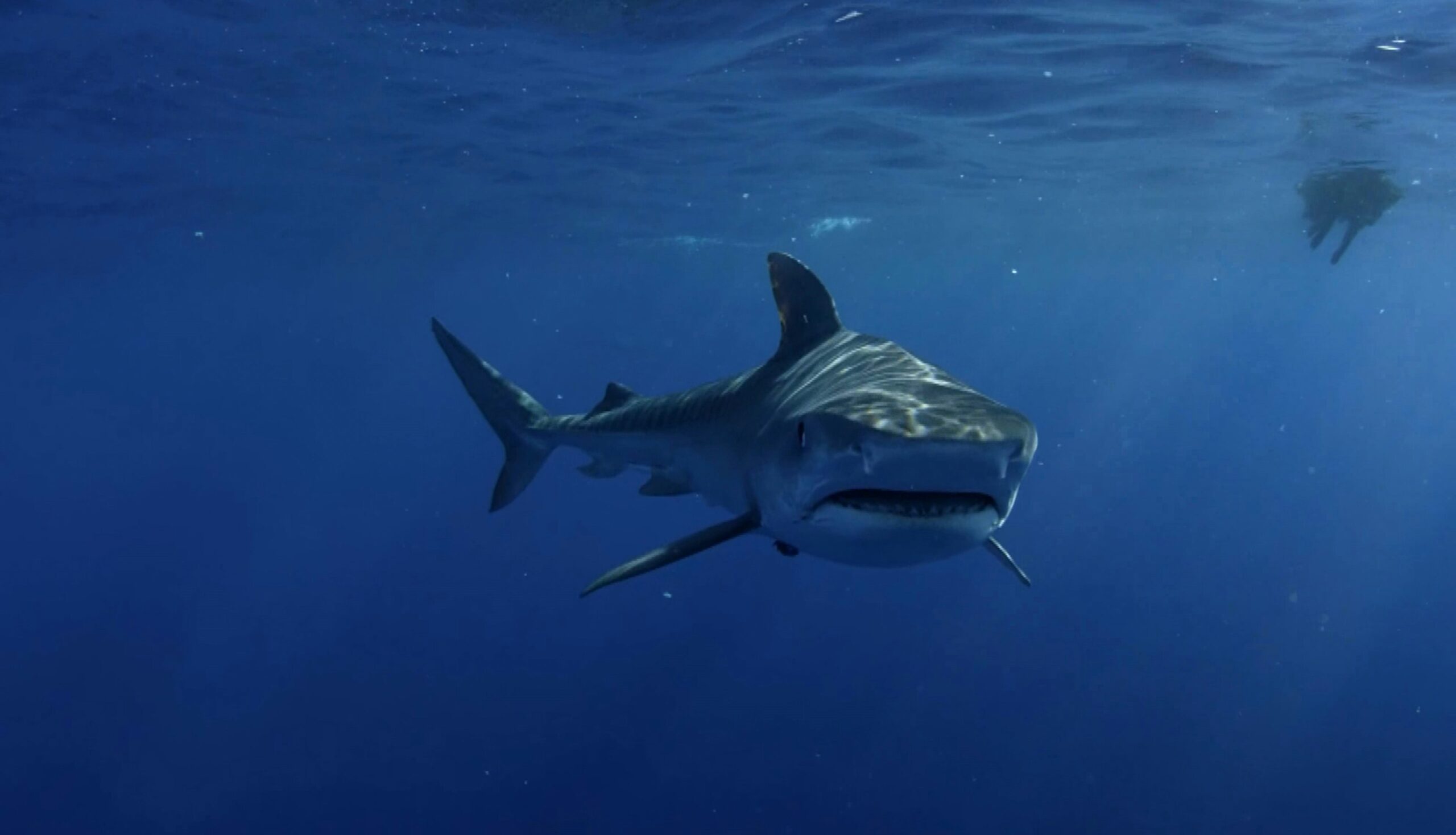
For millennia, the sands of Egypt have held their secrets, revealing tales of pharaohs, pyramids, and ancient deities. Yet, beneath the desert’s embrace and within the silt of the mighty Nile, an even older narrative lies buried – the story of prehistoric sharks that once patrolled the waters of this nascent land. While the image of Egypt typically conjures visions of arid landscapes and monumental stone structures, it’s crucial to remember that its geological past was dramatically different, a time when vast oceans covered much of what is now dry land. This was an era of colossal marine predators, and while direct evidence of sharks coexisting with early humans is scarce, the fossil record speaks volumes about their ancient presence and significance.
The very foundation of Egypt’s rich history is built upon the fertile alluvial plains of the Nile River. However, long before the pharaohs dammed and channeled its waters, the Nile’s origins were far more expansive, connected to ancient seas and vast aquatic environments. Understanding these prehistoric aquatic landscapes is fundamental to appreciating the potential presence and influence of ancient sharks.
The Tethys Sea: A Cradle of Life
The most significant precursor to Egypt’s ancient watery realms was the Tethys Sea, an enormous ocean that stretched across the globe during the Mesozoic and Cenozoic eras. This vast body of water played a crucial role in shaping the geological and biological history of North Africa, including what would eventually become Egypt. The Tethys Sea was a vibrant ecosystem, teeming with diverse marine life, and it provided the ideal habitat for a multitude of shark species.
Geological Formations and Fossil Discoveries
The sedimentary layers deposited by the Tethys Sea, and later by its successor, the Paratethys Sea, are rich in fossilized remains. These rock formations, scattered across Egypt, particularly in the Western Desert and along the Sinai Peninsula, are a treasure trove for paleontologists. They offer tangible evidence of the ancient marine creatures that once inhabited these regions, including the fossilized teeth and vertebrae of sharks. The identification of these fossils allows scientists to reconstruct the types of sharks present and their ecological roles.
Climate and Oceanographic Conditions
The Tethys Sea was characterized by a warm, shallow, and nutrient-rich environment. These conditions were conducive to abundant plankton and smaller fish populations, which in turn supported a robust food web, including large predatory sharks. The sea’s currents, temperature variations, and salinity levels all contributed to the diversity of life it harbored. Understanding these ancient oceanographic conditions helps us to better contextualize the existence and dominance of prehistoric sharks in the region.
The Miocene Marine Invasion
As the continents shifted and geological pressures mounted, the Tethys Sea began to recede and fragment, giving rise to smaller, more localized seas. During the Miocene epoch (approximately 23 to 5 million years ago), a significant marine transgression occurred in North Africa, leading to the inundation of large swathes of land. This period saw the return of marine life, including sharks, to areas that would later become the desert landscapes of Egypt.
The “Valley of the Whales” and its Sharky Neighbors
One of the most famous paleontological sites in Egypt, the “Valley of the Whales” (Wadi Al-Hitan) in the Fayoum Depression, offers a remarkable glimpse into this Miocene marine world. While predominantly known for its exceptionally preserved whale fossils, the geological context of Wadi Al-Hitan indicates it was once a shallow sea. This marine environment would have undoubtedly been shared by a variety of other marine organisms, including sharks. The presence of fossilized whale remains suggests a rich food chain, which would have sustained apex predators like large sharks.
Sedimentation Patterns and Fossil Preservation
The sedimentary environments of the Miocene in Egypt, characterized by fine silts and sands, were ideal for fossil preservation. These conditions allowed for the remarkable survival of delicate marine fossils, including those of sharks. The layers of sediment acted as a protective blanket, shielding the remains from decomposition and erosion, thus providing scientists with invaluable insights into this ancient ecosystem.
Recent discoveries in Egypt have shed light on the fascinating world of prehistoric sharks, revealing insights into their evolution and the ecosystems they inhabited millions of years ago. These ancient predators roamed the seas long before the dinosaurs, and their fossilized remains provide crucial information about their size, diet, and behavior. For those interested in the intersection of ancient history and modern science, a related article discussing revolutionary materials in construction, such as Roman concrete and its self-healing properties, can be found at this link.
Ancient Sharks of Egyptian Waters: Identifying the Predators
While direct depictions of sharks interacting with humans in ancient Egyptian art are rare, the fossil record provides strong evidence for the types of sharks that once inhabited the region’s prehistoric waters. These ancient predators were formidable creatures, some far larger and more terrifying than their modern-day counterparts.
The Reign of the Megalodon ( Otodus megalodon)
Without a doubt, the most iconic and fearsome prehistoric shark to have potentially roamed the waters that would become Egypt is Otodus megalodon. This colossal shark is one of the largest and most powerful predators to have ever lived.
Size and Predatory Power
Otodus megalodon is estimated to have reached lengths of up to 18-20 meters (60-65 feet), with some estimates even higher. Its immense size, coupled with powerful jaws and serrated teeth the size of human hands, made it an apex predator, capable of preying on large marine mammals, including whales. The sheer scale of this animal is astounding and speaks to the abundance of food available in its ancient habitat.
Fossil Evidence in North Africa
While direct fossil discoveries of Megalodon in Egypt are not as abundant as in some other regions, the geological formations dating to the Miocene and Pliocene epochs in North Africa are consistent with its known habitat. Fossil teeth attributed to Megalodon have been found in adjacent regions and in marine sediments of similar age across North Africa, suggesting its presence in the wider Mediterranean and North African marine environments. It is highly probable that Megalodon patrolled the ancient seas that connected to what is now Egypt.
Ecological Impact and Food Web Dynamics
The presence of such a large predator would have significantly influenced the dynamics of the ancient marine ecosystem. Megalodon would have occupied the top trophic level, regulating populations of its prey and indirectly impacting the abundance of smaller organisms. Its hunting strategies and territorial range would have shaped the behavior and distribution of other marine life, creating a complex web of interactions.
Other Significant Shark Species
Beyond the awe-inspiring Megalodon, a variety of other prehistoric shark species likely inhabited the waters of ancient Egypt, each playing a unique role in the marine ecosystem.
Early Relatives of Modern Sharks
The fossil record indicates the presence of various carcharhiniform sharks, the order that includes many familiar modern species like tiger sharks and bull sharks. These ancient lineages, while perhaps differing in specific traits, would have shared similar predatory behaviors and occupied comparable ecological niches. Their presence suggests a continuity of marine predator types over millions of years.
Lamniformes: The Mackerel Sharks
The Lamniformes, which include modern great white sharks and mako sharks, likely had representatives in prehistoric Egyptian waters. These are typically fast-swimming, open-ocean predators. Their fossils, primarily teeth, are found in marine sediments of varying ages. The presence of such sharks points to a dynamic and diverse pelagic environment.
The Role of Smaller Sharks and Rays
It is important to remember that not all prehistoric sharks were behemoths. The ancient seas would have also been populated by a multitude of smaller shark species, as well as rays and skates. These creatures would have occupied different ecological roles, feeding on smaller invertebrates, fish, and acting as prey for larger predators. Their diversity contributed to the overall health and complexity of the marine ecosystem.
Sharks in Ancient Egyptian Mythology and Beliefs: A Subtle Influence

While direct, undeniable evidence of sharks featuring prominently in the pantheon of ancient Egyptian gods is scarce, the pervasive presence of marine life in their culture and the symbolic associations with powerful, unseen forces suggest a subtle influence. Ancient Egyptians were intimately connected to the Nile and the Mediterranean Sea, and their understanding of the natural world undoubtedly informed their spiritual beliefs.
Symbolic Associations with Water and Danger
Sharks, with their stealth, power, and predatory prowess, would have naturally evoked a sense of awe and fear. In cultures deeply reliant on water for survival, apex marine predators would have been seen as potent embodiments of the untamed and potentially dangerous forces of the deep.
Deities and Watery Realms
While no major deity is explicitly identified as a shark god in the same way as Sobek (the crocodile god), several deities were associated with water and the underworld. These realms were often depicted as mysterious and powerful, where unseen creatures dwelled. It is conceivable that the ancient Egyptian imagination, drawing upon their observations of marine life, imbued these watery deities with some of the characteristics attributed to sharks.
The Nile and the Mediterranean: Sources of Life and Mystery
The Nile was the lifeblood of ancient Egypt, but its annual floods also brought an element of unpredictability. The Mediterranean Sea, bordering Egypt’s northern coast, was a gateway to the wider world and a source of both trade and potential peril. The creatures that inhabited these waters, including sharks, would have been part of the natural landscape that shaped their worldview.
Indirect Representations and Cultural Echoes
The absence of direct shark iconography does not necessarily mean their complete absence from cultural consciousness. Symbolism can be subtle and evolve over time. It is possible that aspects of shark behavior or characteristics were metaphorically incorporated into the imagery of other powerful creatures or concepts.
The “Great Unknown” of the Sea
The vastness and mystery of the sea would have been a constant presence for coastal communities. Sharks, as the ultimate predators of this unknown realm, might have served as archetypes for powerful, unseen forces that governed the natural world.
Iconography of Strength and Ferocity
Ancient Egyptian art is rich in depictions of powerful animals, often used to represent divine attributes or earthly power. While lions, falcons, and serpents are more commonly featured, the symbolic language of strength and ferocity could, in theory, have been applied to sharks if their presence was more directly observed or impactful in their immediate environment.
Fossil Hunting in Modern Egypt: Unearthing Ancient Secrets

The legacy of prehistoric sharks in Egypt continues to be unveiled through ongoing paleontological research. Modern-day fossil hunters and scientists are actively exploring the country’s rich geological strata, piecing together the puzzle of its ancient marine past.
Key Fossil Sites and Discoveries
While Wadi Al-Hitan is a prime example, other regions in Egypt are proving to be vital for understanding its prehistoric marine life. The Western Desert, with its exposed sedimentary layers, has yielded significant fossil finds.
The Fayoum Depression: A Window to the Past
The Fayoum Depression, as mentioned, is a critical site. Its rich fossil deposits provide a snapshot of a Miocene marine ecosystem that included not only whales but also the sharks that preyed upon them and shared their environment. Discoveries of shark teeth and occasional vertebral elements from this region contribute to our understanding of the diversity of these ancient predators.
The Qattara Depression and Other Desert Regions
Beyond the Fayoum, other depressions and geological formations in the Western Desert offer potential for uncovering further evidence of prehistoric sharks. The sedimentary rocks in these areas often date back to periods when Egypt was submerged under ancient seas. Researchers continue to explore these regions, hoping to unearth new fossils that will shed more light on the ancient marine fauna.
Coastal Areas and the Mediterranean Influence
Areas along Egypt’s Mediterranean coast also hold promise, particularly for understanding the more recent prehistoric marine environments. Geological formations in these regions might contain fossils of sharks that inhabited the waters connecting to the wider Mediterranean Sea.
The Scientific Process of Fossil Identification and Analysis
The discovery of a fossil is just the beginning. Scientists employ rigorous methods to identify, analyze, and interpret these ancient remains.
Paleontological Techniques
Techniques such as comparative anatomy, stratigraphic analysis (dating fossils based on the rock layers they are found in), and isotopic analysis are crucial. By comparing fossilized shark teeth to modern species, paleontologists can identify genera and even species. The geological context of the finds helps to reconstruct the environment in which these sharks lived.
Reconstructing Ancient Ecosystems
The study of shark fossils, alongside the fossils of their prey and other marine organisms, allows scientists to reconstruct ancient ecosystems. Understanding the predator-prey relationships and the overall food web provides insights into the ecological dynamics of these lost worlds. This helps us to understand how these environments changed over millions of years.
Ongoing Research and Future Discoveries
The field of paleontology is constantly evolving. New technologies and analytical methods are continually being developed, allowing for more detailed and accurate interpretations of fossil evidence. Egypt, with its vast and largely unexplored fossiliferous regions, holds immense potential for future discoveries that will further illuminate the story of its prehistoric sharks.
Recent discoveries in Egypt have shed light on prehistoric sharks that once roamed the ancient seas, revealing fascinating insights into their evolution and ecological roles. Researchers have unearthed fossils that suggest these formidable predators thrived in diverse marine environments, adapting to various ecological niches. For those interested in the broader implications of such findings, an intriguing article discusses the impact of political fragmentation on scientific research and exploration in regions like Egypt. You can read more about this topic in the article found here.
The Enduring Fascination: Prehistoric Sharks in the Modern Egyptian Consciousness
| Shark Species | Time Period | Size | Location |
|---|---|---|---|
| Carcharocles megalodon | Miocene to Pliocene | Up to 60 feet | Found in the Nile Delta and Western Desert |
| Squalicorax | Cretaceous to Paleogene | Up to 6 feet | Found in the Western Desert |
While direct archaeological evidence of prehistoric sharks interacting with ancient Egyptians is elusive, their potential presence and the inherent power associated with such creatures likely played a subtle role in shaping cultural perceptions and imaginations. The enduring fascination with sharks, both prehistoric and modern, continues to resonate, even in a land so defined by its terrestrial monuments.
Modern Interpretations and Educational Outreach
Today, the story of prehistoric sharks in Egypt is being brought to light through museums, scientific publications, and educational initiatives. These efforts aim to inform the public about the incredible biodiversity that once existed in the region and the importance of paleontological research.
Museums and Exhibitions
Egyptian museums, such as the Natural History Museum in Cairo, often feature exhibits on paleontology, showcasing fossil finds and educating visitors about the ancient life forms that inhabited the land. These exhibits help to bridge the gap between the familiar image of ancient Egypt and its much older, submerged past.
Scientific Research and Public Awareness
The work of paleontologists and geologists in Egypt contributes to a broader understanding of Earth’s history and evolution. Public awareness campaigns and popular science articles help to disseminate these findings, fostering an appreciation for the prehistoric world and the creatures that inhabited it.
The Legacy of the Apex Predator
The concept of the apex predator, represented by the fearsome prehistoric sharks, continues to hold a powerful place in the human imagination. Their existence serves as a reminder of the immense power and scale of life that existed long before human civilization.
The Power of the Unseen
Sharks, particularly the extinct giants like Megalodon, embody a sense of primal power and the “great unknown” of the deep. This allure continues to captivate scientists and the public alike, prompting further exploration and discovery.
Connecting Past and Present
By studying the fossils of prehistoric sharks, we gain a deeper understanding of the evolutionary journey of life on Earth. It allows us to connect our present understanding of marine ecosystems with the ancient worlds that laid their foundations, reminding us of the vastness of geological time and the incredible creatures that have long since vanished. The sands of Egypt, while preserving the grandeur of its human history, also whisper tales of an even older reign – the reign of the prehistoric shark.

They Found a Shark Graveyard in the Egyptian Desert
FAQs
What is the significance of prehistoric sharks in Egypt?
Prehistoric sharks in Egypt provide valuable insights into the ancient marine ecosystems and the evolution of sharks. They also contribute to our understanding of the geological history of the region.
What species of prehistoric sharks have been discovered in Egypt?
Several species of prehistoric sharks have been discovered in Egypt, including the famous Carcharocles megalodon, a giant shark that lived approximately 23 to 3.6 million years ago.
Where have prehistoric shark fossils been found in Egypt?
Fossils of prehistoric sharks have been found in various locations in Egypt, including the Western Desert and the Eastern Desert. These fossils are often found in sedimentary rock formations.
What do prehistoric shark fossils tell us about ancient Egypt?
Prehistoric shark fossils provide evidence of the ancient marine environments that existed in Egypt millions of years ago. They also offer clues about the climate, geography, and biodiversity of the region during prehistoric times.
How are prehistoric shark fossils preserved and studied in Egypt?
Prehistoric shark fossils in Egypt are carefully excavated, cleaned, and preserved by paleontologists. They are then studied using various scientific techniques, such as CT scanning and 3D modeling, to learn more about the anatomy and behavior of these ancient sharks.