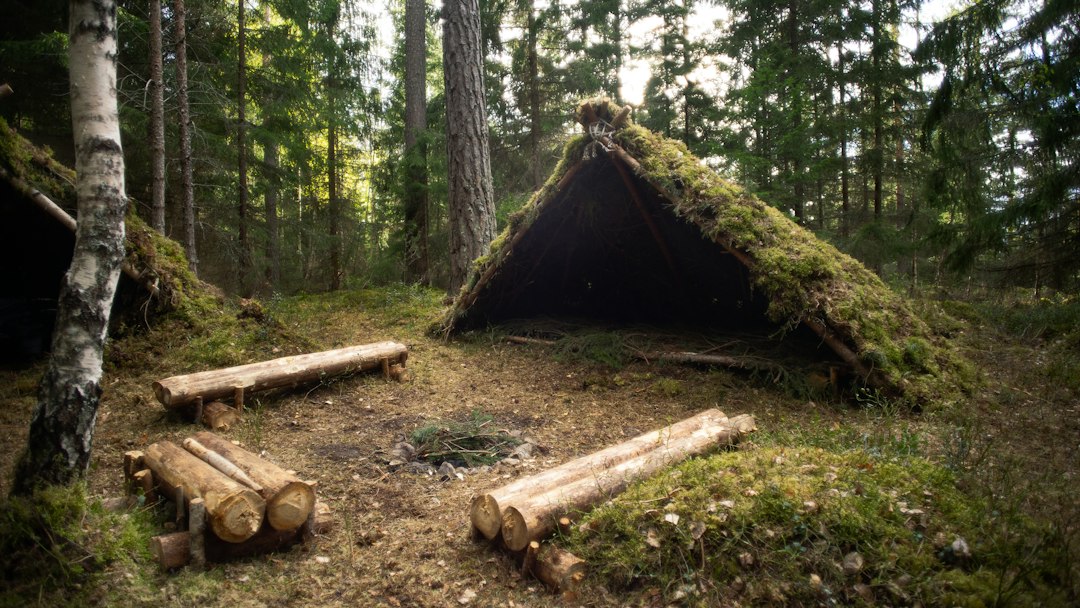
When we talk about prehistoric shelter building, it’s not just about slapping some sticks together. It was a sophisticated survival strategy, all about understanding and working with the environment. The core idea was to harness the subtle, localized conditions – what we call micro-climates – to make living possible, especially in tough times. Think about it: if a cave offered natural shade and coolness, why wouldn’t you build your entrance to take advantage of that?
Finding the Perfect Spot: Site Selection and Micro-Climate Awareness
Prehistoric people were incredibly attuned to their surroundings. They didn’t just build anywhere; they chose locations with specific advantages. This often meant finding spots that already offered some level of natural protection or resources that could be easily adapted. The goal was to minimize the effort needed to stay safe and comfortable by leveraging the existing micro-climate.
Natural Buffers and Windbreaks
One of the most immediate concerns for any shelter is protection from the elements, especially wind. A windy bluff, like the one at the Shg X̱daltth site in Alaska, might seem harsh, but prehistoric builders recognized its potential. By orienting a small tent or lean-to in a specific way, they could use the terrain itself as a windbreak. This wasn’t just about blocking the wind; it was about channeling it or reducing its force where it mattered most – around the living space. Similarly, rock overhangs and cave entrances provided natural walls that could be augmented to create a more controlled environment.
Temperature Regulation: Staying Cool and Warm
Temperature was another critical factor. In hot climates, finding shade was paramount. In colder regions, trapping warmth was essential. This is where micro-climates really came into play. Caves, for instance, offered a remarkably stable temperature year-round. The La Garma cave in Spain is a prime example, where a Stone Age dwelling was built inside using the cave’s natural thermal properties. The rock walls and stalagmites provided structural support, but the real benefit was the consistent, buffered temperature that a cave naturally offers, shielding occupants from the harsher fluctuations outside. Even a partial wall, like the one found in Theopetra Cave in Greece, served a significant purpose in moderating temperature by blocking drafts and reducing exposure.
Managing Moisture and Wet Environments
Water, while essential, could also be a significant challenge, especially in low-lying or marshy areas. Building in or near water meant dealing with dampness, potential flooding, and insects. The Must Farm stilt-houses in England are a fantastic illustration of this. By building these roundhouses on stilts above the slow-moving river, communities engineered a solution that elevated their living space above the immediate problems of a wet environment. This not only protected them from seasonal water level changes but also helped manage humidity and deter pests. Even half a million years ago, at Kalambo Falls in Zambia, we see evidence of wooden structures forming raised platforms, suggesting a similar need to elevate living and activities above damp, potentially flood-prone riverside conditions.
Prehistoric shelter building was significantly influenced by the microclimates of various regions, as early humans sought to create safe and comfortable living spaces that could protect them from the elements. Understanding the local environment allowed them to select appropriate materials and locations for their shelters, which in turn affected their survival and adaptation strategies. For further insights into how environmental factors shape human development, you may find this article on advancements in counter-space weapons interesting, as it discusses how modern technology is influenced by geographical and strategic considerations: Advancements in Counter-Space Weapons: China and Russia Lead the Way.
Harnessing Natural Features: Caves and Rock Shelters
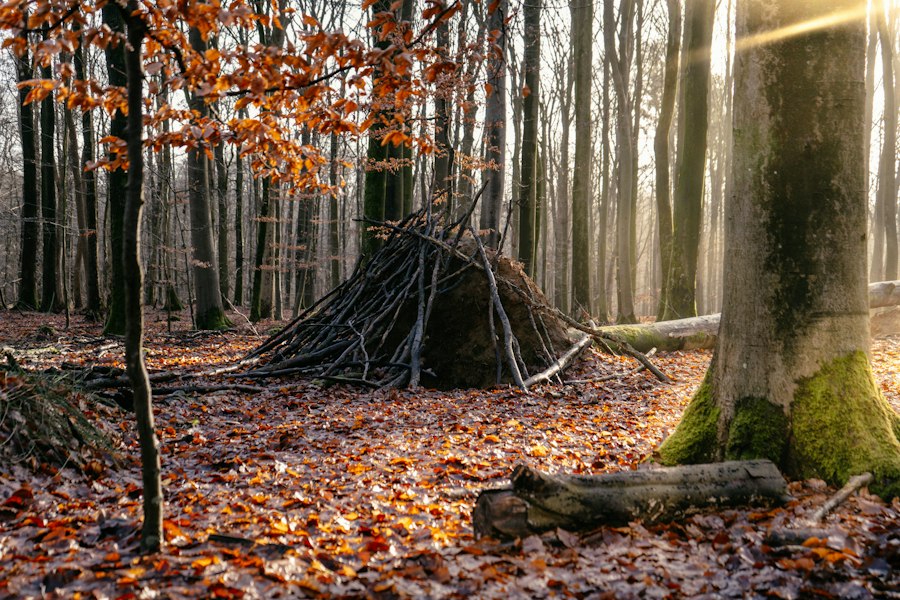
Caves and rock shelters were perhaps the most obvious and effective natural micro-climates available to prehistoric people. They provided ready-made protection from rain, wind, and extreme temperatures. However, simply occupying them wasn’t always enough. These natural shelters were often enhanced and adapted to maximize their benefits.
Caves as Insulated Habitats
The stable temperature inside caves made them highly desirable. During the Last Glacial Maximum, when conditions were particularly harsh, the use of caves likely increased. Research suggests that early Homo sapiens strategically used caves for their protective qualities, along with other innovations like clothing. This suggests that caves acted as valuable, naturally buffered micro-climates, offering a refuge from increased UV radiation and general climatic instability. The La Garma cave dwelling, with its carefully constructed interior, demonstrates how deeply these natural features were integrated into human shelter design.
Rock Shelters: Controlling Exposure
Rock shelters, while often open-fronted, still offered significant protection. At Shuʿalim Rockshelter in Israel, the choice of a high desert cave or rock shelter was directly linked to coping with the extreme temperature fluctuations and strong winds characteristic of an arid micro-climate. The very act of choosing such a location was a strategic decision to leverage the shelter’s natural ability to mitigate these harsh conditions. Builders would have focused on enhancing the areas most exposed, perhaps by using natural materials to further block winds or create more enclosed living spaces within the shelter’s footprint.
Enhancing Natural Defenses: Walls and Entrances
The work at Theopetra Cave in Greece highlights a crucial aspect of prehistoric shelter building: active modification of natural sites. A partial stone wall blocking the cave entrance, dating back 23,000 years, shows an intentional effort to regulate the micro-climate within. This wasn’t just about making the cave more comfortable; it was about controlling airflow, temperature, and exposure to the outside. Similarly, at Abric Romaní in Spain, Neanderthals organized their camp within a rock shelter, carefully positioning hearths and activity areas to exploit the shelter’s protection from wind and rain while also managing the smoke from their fires within this confined micro-climate.
Building with What’s Available: Material Innovation and Adaptation
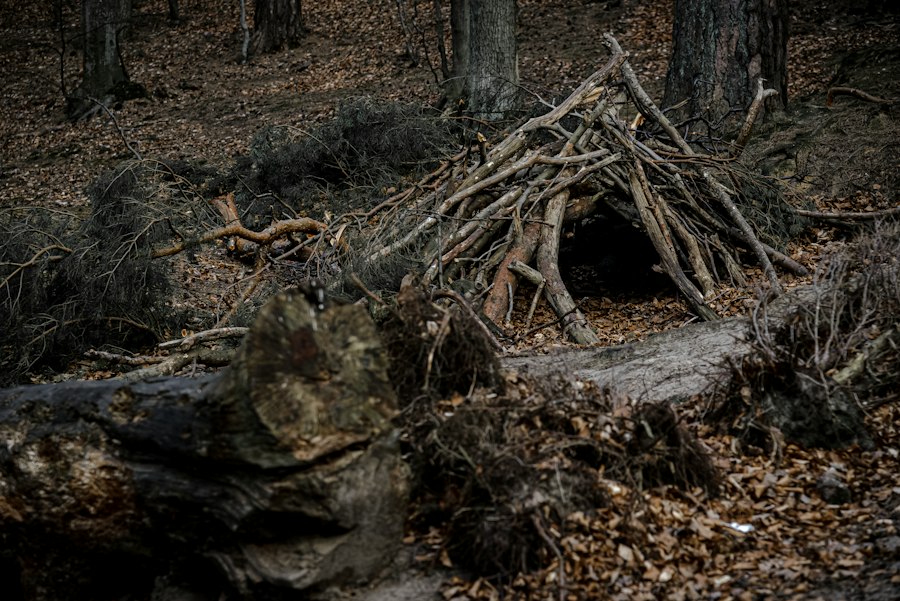
Prehistoric shelter construction was a testament to ingenuity, utilizing whatever materials were readily available in the local environment. This often meant adapting these materials to create structures that were both robust and effective at moderating micro-climates.
Mammoth Bones: Ice Age Insulation
The discovery of mammoth-bone dwellings in Ukraine, specifically at Mezhyrich, provides a striking example of resourcefulness during extreme cold. These circular huts, constructed from the massive bones of mammoths, were built and used during the harshest periods of the Ice Age. High-precision dating indicates they were temporary survival shelters, designed to provide maximum insulation in the frigid steppe environment. The sheer size of the bones offered a substantial barrier against the cold, and when combined with hides and other insulating materials, they would have created surprisingly effective micro-climates for their occupants.
Wood and Hides: Versatile Building Blocks
Wood, where available, was a fundamental building material. At Chichibu in Japan, possible postholes dating back 500,000 years suggest that early Homo erectus were constructing artificial structures. These huts, likely built on a hillside, would have allowed them to customize their exposure to local wind and rainfall patterns. The use of interlocked, tooled logs at Kalambo Falls in Zambia, forming a structural base, also points to sophisticated woodworking for shelter or related purposes. When combined with animal hides, wood provided the framework and covering for countless shelters, offering a versatile and adaptable solution for creating micro-climates.
Earth and Stone: Utilizing Local Resources
While not always as dramatic as mammoth bones, earth and stone played vital roles. In areas where caves were scarce, people might have dug into hillsides or used earth berms for insulation. The partial stone wall in Theopetra Cave is a clear example of using stone to modify a natural shelter. Even simple arrangements of stones could help deflect wind or create more stable ground within a living area, contributing to a more controlled micro-climate. The choice of materials was always dictated by what was accessible and most effective for the specific environmental challenges of the location.
Adapting Structures to Local Needs: Beyond Basic Shelter
Prehistoric shelter building wasn’t solely about creating a roof over one’s head; it was about creating functional living spaces that responded to specific environmental pressures. This involved not just construction but also careful planning of how the shelter would be used.
Hearth Placement and Smoke Management
In confined spaces like caves or rock shelters, the placement of hearths was critical. Studies of Neanderthal camp organization at Abric Romaní show a deliberate structuring of living zones around hearths. This wasn’t just for warmth; it was about managing the smoke produced by fires. By positioning hearths strategically, they could exploit natural airflow within the shelter to vent smoke effectively, preventing the living space from becoming uninhabitable. This shows an understanding of how air moved within their built micro-climate.
Creating Seasonal Dwellings
The Ice Age mammoth-bone dwellings are a strong indication that shelters were often temporary and adapted to specific seasons or climatic conditions. They were built for survival during the harshest periods, suggesting that people might have used different types of shelters or adapted their strategies as the seasons changed. The brief use of these structures implies they were a response to extreme, temporary conditions rather than permanent settlements. This flexibility in shelter construction and use was key to long-term survival.
Elevated Living for Wet Environments
The stilt-houses at Must Farm illustrate a more complex adaptation to a specific environmental challenge: marshy, flood-prone land. Building on stilts was a deliberate engineering solution to manage humidity, pests, and the ever-present threat of rising water levels. The spacing between the stilts and the ground, and the elevation of the living platform itself, all contributed to a healthier and safer micro-climate within the dwelling, even in a challenging wetland environment.
Prehistoric shelter building was heavily influenced by the microclimates of various regions, as early humans sought to create safe havens that provided protection from the elements. Understanding how these ancient communities adapted their structures to the specific environmental conditions is crucial for appreciating their ingenuity. For a deeper insight into the interplay between geography and human habitation, you can explore this related article on the complexities of regional differences in Belgium, which highlights how local climates shaped societal development. Check it out here.
The Long View: Evolutionary Advantage of Micro-Climate Adaptation
| Metric | Description | Typical Values | Relevance to Prehistoric Shelter Building |
|---|---|---|---|
| Temperature Regulation | Ability of shelter to maintain stable internal temperatures | Variation within ±5°C of external temperature | Critical for survival in varying climates; shelters designed to buffer extreme heat or cold |
| Wind Protection | Reduction of wind speed inside shelter | Wind speed reduced by 50-90% | Minimizes heat loss and structural damage; influences shelter orientation and materials |
| Humidity Control | Ability to maintain comfortable moisture levels inside shelter | Relative humidity maintained between 40-60% | Prevents respiratory issues and material degradation; affects choice of shelter location |
| Solar Gain | Amount of solar radiation absorbed or reflected by shelter | Varies by material; reflective surfaces reduce gain by up to 70% | Used to warm shelters in cold climates or reduce heat in hot climates |
| Material Insulation Value (R-value) | Resistance to heat flow through shelter materials | Natural materials range from 0.5 to 2.5 (m²·K/W) | Determines effectiveness of shelter in maintaining microclimate |
| Microclimate Temperature Difference | Difference between shelter interior and external ambient temperature | Up to 10°C warmer or cooler depending on design | Indicates shelter’s effectiveness in creating a livable microclimate |
| Ventilation Rate | Air exchange rate within shelter | 0.5 to 2 air changes per hour | Balances air quality and temperature control |
Understanding and exploiting micro-climates provided a significant evolutionary advantage for prehistoric humans and their ancestors. It allowed them to thrive in environments that would otherwise have been too harsh, expanding their range and increasing their chances of survival.
Expanding Habitable Zones
The ability to create effective shelters by understanding and manipulating micro-climates allowed hominins to inhabit a much wider range of environments. From the frigid north to arid deserts and humid wetlands, they found ways to make these places livable. This expansion into diverse ecological niches was crucial for the survival and spread of our species and its ancestors. The earliest potential habitation structures in North America, for example, show an adaptation to a cold, exposed environment, allowing people to persist in areas that might have been previously unsupportable.
Reducing Energy Expenditure
Building shelters that effectively regulated temperature and protected from the elements reduced the physiological stress on individuals. Less energy spent shivering or overheating meant more energy available for foraging, tool-making, and social interaction. This optimization of energy expenditure was a significant factor in long-term survival and the development of more complex societies. A well-placed natural shelter or a cleverly constructed dwelling meant less constant battle with the elements.
Cognitive Development and Problem-Solving
The process of identifying, understanding, and adapting to micro-climates fostered significant cognitive development. It required observation, planning, experimentation, and the transmission of knowledge across generations. The evidence of early wooden structures and the strategic use of caves points to a growing capacity for complex problem-solving. This continuous engagement with environmental challenges, particularly in shelter building, was a driving force behind the evolution of human intelligence and our remarkable adaptability.

Life 20,000 Years Ago | When Your Ice Age Family Can’t Feed the Dog
FAQs
What types of shelters did prehistoric humans build?
Prehistoric humans constructed various types of shelters, including caves, huts made from wood and animal hides, and structures built from stones and earth. These shelters were designed to provide protection from the elements and predators, often utilizing available natural resources.
How did microclimates influence shelter building in prehistoric times?
Microclimates, which are small-scale climatic variations, significantly influenced where and how prehistoric humans built their shelters. For example, areas with natural windbreaks or those that received more sunlight were preferred for building, as they offered better protection from harsh weather conditions and improved living conditions.
What materials were commonly used in prehistoric shelter construction?
Common materials for prehistoric shelter construction included wood, stone, animal bones, and hides. Depending on the region and available resources, prehistoric people would use whatever materials were most accessible to create sturdy and insulated structures.
How did the location of shelters relate to food sources?
Prehistoric humans often built their shelters near food sources such as rivers, forests, or fertile plains. This strategic placement allowed for easier access to hunting, gathering, and fishing, which were essential for survival and sustenance.
What role did climate change play in the evolution of prehistoric shelters?
Climate change had a significant impact on the evolution of prehistoric shelters. As climates shifted, prehistoric humans adapted their building techniques and materials to cope with new environmental challenges, leading to innovations in shelter design that reflected changing weather patterns and resource availability.