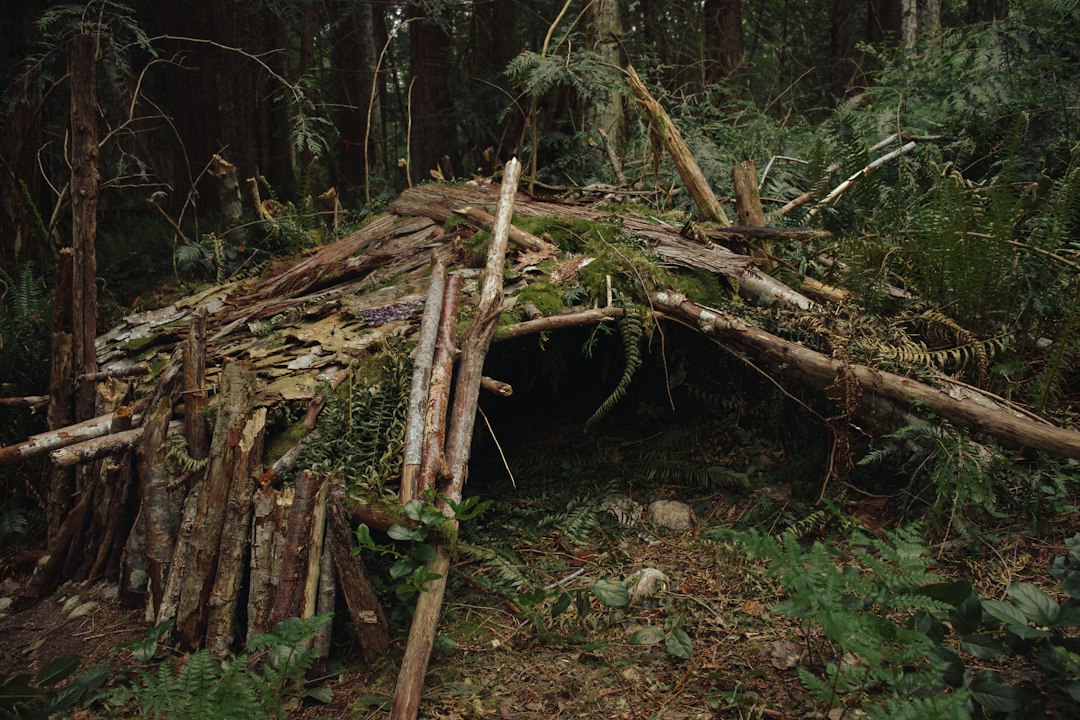
The story of humanity is intrinsically linked to its ability to adapt and innovate, and few aspects of this journey are as fundamental as the creation of shelter and the development of tools. Long before the advent of agriculture, settled communities, or even sophisticated language, our prehistoric ancestors were engaged in the crucial business of survival. This involved understanding their environment, identifying resources, and cleverly transforming those resources into the means to protect themselves from the elements, predators, and the harsh realities of prehistoric life. Examining prehistoric shelter building and the ancient human tools employed in this endeavor offers a profound glimpse into the cognitive abilities, social structures, and practical ingenuity of our distant forebears. It is a narrative etched not in written records, but in the archaeological remnants they left behind, providing tangible evidence of their struggles, triumphs, and the foundational steps that paved the way for all subsequent human development.
The Dawn of Dwelling: Early Shelter Strategies
The earliest humans, much like other primates, likely relied on natural shelters – caves, rock overhangs, or dense thickets – to provide basic protection. However, the transition from opportunistic use of existing shelters to the deliberate construction of rudimentary dwellings marked a significant leap in human technological and cognitive capabilities. This shift wasn’t a sudden event but a gradual evolution driven by changing environmental pressures, expanding migratory patterns, and increasing social complexity. The need for consistent shelter, especially in regions with extreme weather or a lack of readily available natural refuges, spurred innovation and experimentation. These early shelters, though seemingly simple, represent a profound understanding of basic architectural principles and material science, long before formal scientific inquiry existed. They were the first deliberate attempts by humans to modify their environment to suit their needs, a hallmark of our species.
Utilizing Nature’s Abodes: Caves and Overhangs
Caves and rock overhangs offered immediate and often substantial protection from rain, wind, and sun. Their natural formation provided a ready-made roof and walls, requiring minimal human intervention. Archaeological evidence from sites like the Klasies River Mouth Caves in South Africa and various European cave systems, such as those inhabited by Neanderthals and early Homo sapiens, demonstrates the long-term use of these natural features. Within these spaces, evidence of hearths indicates their use for warmth and cooking, further enhancing their utility. While not constructed, the strategic selection and modification of these natural shelters, such as clearing out debris or reinforcing entrances, represent an early form of shelter management and a testament to an evolving understanding of comfort and safety. The consistent occupation of certain caves over millennia suggests a deep appreciation for their protective qualities and a familiarity with their surrounding environments.
The Emergence of Constructed Shelters
As early humans began to move beyond consistently favorable natural shelters, or when population densities increased, the need for purpose-built structures became paramount. The earliest constructed shelters were likely ephemeral, fashioned from readily available organic materials that have long since decomposed, leaving little direct archaeological trace. However, indirect evidence, such as the presence of post holes, hearths, and accumulations of domestic debris in open-air sites, allows archaeologists to infer the existence and form of these early dwellings. These would have been simple constructions, perhaps lean-tos or basic tents, designed to offer respite from the elements. The choice of location for these structures would have been crucial, considering factors like proximity to water, food sources, and defensible positions. The ability to conceive and execute the construction of a shelter, however rudimentary, signifies a level of planning and foresight that distinguishes early hominins from other animals.
Early Materials and Techniques
The materials used for these early constructed shelters would have been dictated by local availability. Wood, in the form of branches, poles, and saplings, was almost certainly a primary component, providing the framework for these structures. These would have been covered with more pliable materials like large leaves, animal hides (once the technology for their preparation was developed), grasses, and possibly mud or clay, particularly in drier climates where these were abundant. The methods of joining these materials would have evolved. Early techniques likely involved lashing branches together with plant fibers or animal sinew, and then interweaving smaller branches and leaves to create a solid, weather-resistant surface. The sheer effort involved in gathering, transporting, and assembling these materials speaks to the significant motivation behind shelter construction – the drive for survival and comfort.
In exploring the fascinating world of prehistoric shelter building and ancient human tools, one can draw intriguing parallels to modern developments in various fields. For instance, the article on Mexico’s growing appeal in nearshoring highlights how ancient practices of resource utilization and strategic planning continue to influence contemporary economic strategies. To learn more about this modern application of foundational principles, you can read the article here: The Rise of Nearshoring: Mexico’s Growing Appeal.
The Toolmaker’s Hand: Essential Prehistoric Implements
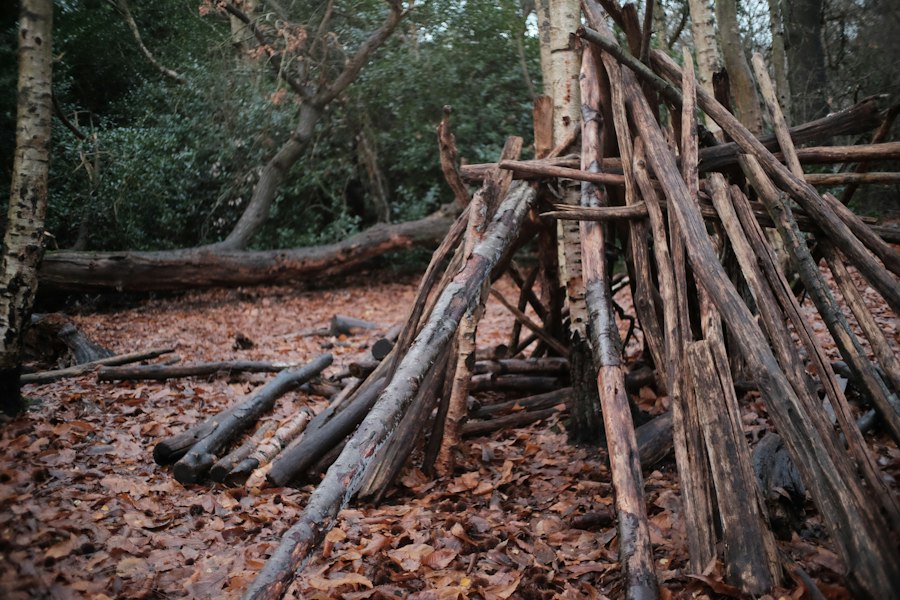
The development of tools is inseparable from the story of prehistoric shelter building. Without the ability to manipulate their environment, our ancestors would have been severely limited in their capacity to gather materials, shape them, and construct even the most basic of shelters. The earliest stone tools, known as Oldowan tools, represent a monumental cognitive leap, demonstrating the capacity for abstract thought and forward planning. These were not simply found objects but deliberately flaked stones, created with the intention of producing a sharp edge for cutting, scraping, or chopping. This innovation laid the groundwork for a technological revolution that would continue to accelerate throughout prehistory, each new tool enabling more complex behaviors and, in turn, the development of even more sophisticated tools.
The Revolution of Stone: Early Lithic Technologies
The Paleolithic era, often referred to as the Old Stone Age, is characterized by the extensive use of stone tools. The earliest widely recognized stone tool industry is the Oldowan, dating back over 2.5 million years. These tools were typically simple choppers, flakes, and hammerstones, created by striking one stone against another to detach sharp fragments. While seemingly basic, these tools were remarkably effective for tasks such as butchering carcasses, scraping hides, and preparing plant materials. The production of these tools required an understanding of fracture mechanics and the ability to anticipate the shape of the flake produced. Later, the Acheulean industry, beginning around 1.7 million years ago, introduced more refined tools like handaxes, which were bifacially worked and demonstrated a higher degree of skill and planning in their manufacture. The consistency in form and function of Acheulean handaxes across vast geographical regions suggests shared knowledge and perhaps even rudimentary teaching traditions.
Shaping Wood and Bone: Diversifying Material Use
While stone tools were paramount, our prehistoric ancestors also utilized organic materials for toolmaking. Bone, antler, and wood were shaped into a variety of implements. Bone needles, for instance, with their finely pierced eyes, allowed for the sewing of animal hides to create clothing and more sophisticated shelter coverings. Bone awls could be used to pierce materials, and spatulas or scrapers made from bone or antler were effective for preparing hides or smoothing wood. Wooden tools, though rarely preserved, likely included digging sticks, spears, and simple levers. The ability to work with these diverse materials, each requiring different techniques and tools, highlights the growing adaptability and resourcefulness of early humans. The development of bone awls, for example, would have been crucial for lashing together frame elements of shelters or for attaching hide coverings.
Specialized Tools for Construction Tasks
Specific tools would have been essential for various stages of shelter construction. Sharp stone flakes or blades would have been used for cutting branches, stripping bark, and preparing animal hides. Heavy hammerstones or stone axes would have been employed for breaking larger branches or pounding stakes into the ground. Digging sticks, tipped with sharpened stone or bone, would have been invaluable for excavating post holes or creating shallow depressions for shelters. The development of specialized tools, even within the relatively limited technological repertoire of early prehistory, signifies a growing understanding of task-specific needs and a drive for efficiency. The ability to effectively cut and shape wood, for instance, would have dramatically improved the structural integrity and insulation capabilities of constructed shelters.
Innovations in Insulation and Weatherproofing
Beyond the basic framework of a shelter, the ability to insulate it from the cold, protect it from wind and rain, and maintain a comfortable internal environment was crucial for survival and well-being. This involved developing techniques and utilizing materials that could trap air, repel water, and create a more stable microclimate within the dwelling. These advancements in insulation and weatherproofing were not only practical but also represent a sophisticated understanding of environmental factors and material properties. The successful implementation of these techniques allowed early humans to expand their habitable range into more challenging climates, further demonstrating their adaptability.
Harnessing Animal Hides and Furs
Animal hides and furs were among the earliest and most effective insulating materials. Once tanned or processed, they provided a flexible yet durable covering that could be used to wrap frames, create doors, and line the interior of shelters. The skins of larger animals, like mammoths or bison, could provide substantial coverings for even sizable dwellings. The process of preparing these hides – scraping away flesh and fat, and treating them with oils or smoke – was likely a labor-intensive but essential skill. The effectiveness of hides and furs in trapping body heat and insulating against wind would have been a significant advantage, particularly in colder regions or during harsh winter months. The ability to efficiently process and utilize these materials would have been directly linked to hunting prowess and knowledge of animal anatomy.
The Ingenuity of Thatching and Mud Packing
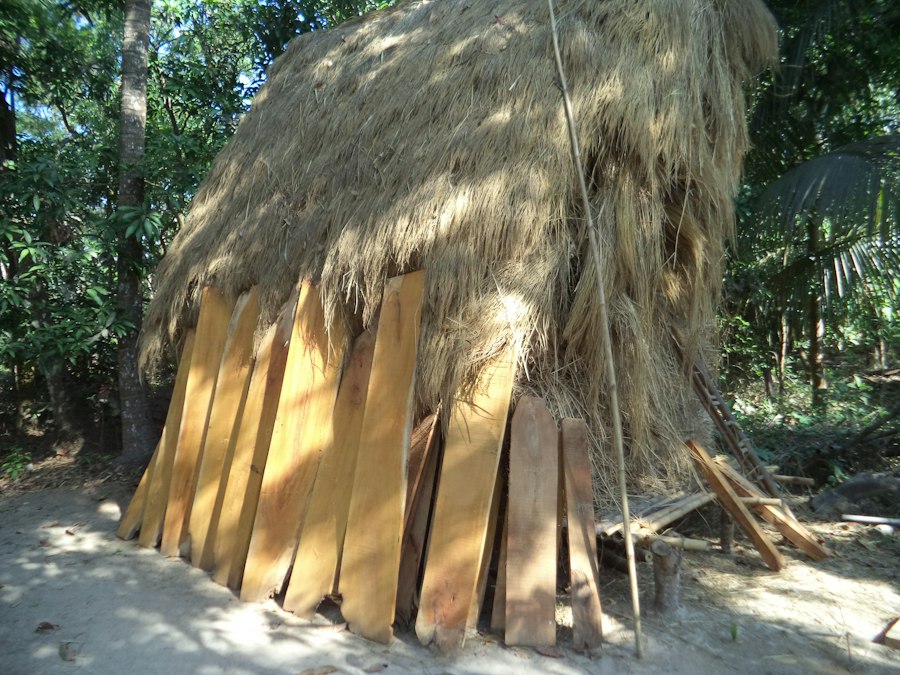
In regions where wood was abundant, thatching with grasses, reeds, or other plant materials was a common method of creating waterproof and insulating roofs. Bundles of long grasses would be layered thickly, creating a water-shedding surface that also trapped air for insulation. Similarly, mud or clay, often mixed with straw or other fibrous materials, could be used to plaster the walls and roofs of shelters. This technique, known as daub, provided excellent insulation and weatherproofing, particularly in drier climates. The effectiveness of mud packing lay in its ability to seal gaps, prevent drafts, and provide thermal mass, moderating temperature fluctuations. The application of these materials required a skilled hand and a good understanding of how to create a cohesive and durable structure.
Creating a Defensible and Comfortable Interior
Beyond mere protection from the elements, early shelters also evolved to provide a more comfortable and defensible living space. This included considerations like the size and shape of the dwelling, the arrangement of internal features, and the control of internal climate. The creation of hearths within shelters provided warmth, light, and a means of cooking, transforming the dwelling from a mere refuge to a center of domestic life. The management of smoke from fires, through the use of vents or strategic placement, would have been an important innovation. Furthermore, the placement of entrances and the potential for internal barriers would have offered a degree of defense against predators. These elements, though seemingly simple, contributed significantly to the habitability and safety of prehistoric dwellings.
Site Selection and Environmental Adaptation
The success of any prehistoric shelter, whether natural or constructed, was heavily reliant on careful site selection. Early humans were keen observers of their environment, understanding the intricate relationships between landscape features, resource availability, and potential hazards. Their choice of location was a strategic decision that influenced everything from the ease of construction to the long-term viability of their dwelling. This environmental adaptation was not a passive process but an active engagement with the landscape, demonstrating a profound understanding of ecological principles.
Proximity to Resources: Water, Food, and Materials
The availability of essential resources was a primary driver in site selection. Shelters were invariably located within reasonable proximity to reliable water sources, such as rivers, streams, or springs, as water is fundamental for survival. Likewise, locations that offered abundant food sources – areas rich in game animals or with plentiful edible plants – would have been highly desirable. Furthermore, the presence of readily accessible building materials, such as stands of suitable trees, deposits of clay, or areas with abundant grasses for thatching, would have significantly influenced the choice of a building site. The careful balance of these factors ensured that inhabitants could sustain themselves without expending excessive energy in resource acquisition.
Strategic Placement for Defense and Weather Protection
Beyond resource availability, strategic considerations regarding defense and weather protection played a crucial role. Shelters were often located in positions that offered natural defensive advantages, such as elevated areas overlooking the surrounding landscape, allowing for early detection of predators or potential threats. Rock overhangs and caves provided inherent protection from the elements. In open-air sites, the orientation of the shelter could be chosen to minimize exposure to prevailing winds or harsh sunlight. The understanding of microclimates – localized variations in temperature, wind, and precipitation – would have informed these decisions, allowing early humans to maximize comfort and minimize risk.
The Influence of Climate and Geography
The prevailing climate and geographical features of a region profoundly shaped shelter-building practices. In arctic environments, for example, nomadic hunter-gatherers might have relied on temporary structures like snow houses (igloos), which provided excellent insulation against extreme cold. In temperate forests, wooden structures would have been prevalent. In arid regions, the use of mud, stone, and more robust, permanent structures would have been favored to withstand the heat and conserve water. The geographical features of a landscape, such as proximity to cliffs for overhangs, river valleys for fertile ground, or plains for hunting, directly influenced the types of shelters that could be effectively built and utilized.
The study of prehistoric shelter building reveals fascinating insights into the lives of ancient humans and their innovative use of tools. These early structures not only provided protection from the elements but also reflected the social organization and technological advancements of the time. For a deeper understanding of how ancient technology influenced various aspects of human society, including political control, you can explore this related article on the subject. The connection between tool-making and social structures is evident in many archaeological findings, highlighting the importance of these developments in shaping human history. To learn more, visit this article.
The Social Dimensions of Shelter Building
| Category | Metric/Data | Description |
|---|---|---|
| Time Period | 2.5 million – 10,000 years ago | Era during which prehistoric shelter building and tool use evolved |
| Common Shelter Types | Caves, huts, lean-tos, tents | Varied structures used by ancient humans for protection |
| Primary Building Materials | Wood, stone, animal hides, bones | Natural resources used to construct shelters |
| Tool Types | Hand axes, scrapers, spears, blades | Stone and bone tools used for shelter construction and daily tasks |
| Average Tool Size | 5-15 cm | Typical length of stone tools used in shelter building |
| Tool Material | Flint, chert, obsidian, bone | Materials selected for sharpness and durability |
| Shelter Durability | Days to months | Estimated lifespan of temporary shelters before rebuilding |
| Fire Use | Approx. 1 million years ago | Controlled fire used to improve shelter warmth and protection |
| Tool Production Techniques | Flaking, pressure flaking | Methods used to shape stone tools for specific functions |
| Evidence Sites | Olduvai Gorge, Lascaux, Blombos Cave | Archaeological sites with significant shelter and tool findings |
While often viewed as an individual or family endeavor, prehistoric shelter building likely possessed significant social dimensions. The construction of more complex shelters, the sharing of knowledge, and the establishment of communal living spaces all point to the integral role of social interaction in the development and utilization of dwellings. These structures were not just physical spaces but also served as focal points for social organization, cultural practices, and the transmission of knowledge across generations. The collective effort involved in building and maintaining shelters fostered a sense of community and interdependence.
Communal Living and Social Cohesion
The archaeological evidence, particularly from sites exhibiting multiple hearths or clustered dwelling remains, suggests that early humans often lived in groups. The construction and maintenance of larger, more complex shelters, or the aggregation of smaller dwellings in close proximity, would have necessitated cooperation. Communal living fostered social cohesion, provided mutual protection, and facilitated the sharing of resources and responsibilities. The dwelling became a tangible representation of the social unit, whether it was a family, a clan, or a larger band. The shared labor and the collective benefits derived from a well-built shelter would have strengthened social bonds.
The Transmission of Knowledge and Skills
The complex tasks involved in shelter building, from toolmaking to material processing and construction techniques, required the transmission of knowledge and skills from one generation to the next. This transmission likely occurred through observation, imitation, and direct instruction. Elders or skilled individuals would have played a crucial role in teaching younger members the intricacies of their craft, ensuring the continuity of essential survival strategies. The sharing of this knowledge would have been vital for the success and adaptation of the group, allowing them to thrive in diverse environments and overcome new challenges. This educational aspect highlights the cognitive and social sophistication of prehistoric societies.
Shelter as a Cultural Hub
Prehistoric shelters were more than just utilitarian structures; they were also cultural hubs. Within their walls, important social rituals, storytelling, and the passing down of cultural traditions would have taken place. The creation of art, such as cave paintings, within sheltered spaces further underscores their significance as places of cultural expression. The hearth, a central feature of many prehistoric dwellings, served not only for warmth and cooking but also as a symbolic gathering point, reinforcing communal identity and shared experiences. The design and decoration of shelters, even if rudimentary, could reflect cultural preferences and beliefs, offering insights into the symbolic world of our ancestors.