The huddled forms, barely discernible against the encroaching gloom, sought refuge. Their world, a tapestry of survival woven with instinct and resourcefulness, faced a sudden, violent disruption. The earth rumbled, the sky wept torrents, or the wind howled with a fury that threatened to unmake the very landscape. In the deep past, before recorded history etched its tales, our ancestors faced natural emergencies with a profound, primal understanding of their environment. Their strategies for seeking shelter and ensuring survival during these cataclysmic events, though lacking the scientific terminology and advanced technology of today, were remarkably sophisticated and often dictated by the immediate, undeniable realities of their world. Understanding these prehistoric evacuation strategies offers not only a glimpse into the ingenuity of early humans but also a valuable perspective on the enduring principles of disaster preparedness.
Understanding the Prehistoric Threat Landscape
The prehistoric world was a realm of raw, untamed power. Unlike modern societies buffered by infrastructure and early warning systems, early humans lived in constant, intimate proximity to the volatile forces of nature. The range of natural emergencies they faced was as diverse as the environments they inhabited, each presenting unique challenges and demanding specific responses.
Geological Instability and Volcanic Activity
For communities situated in geologically active zones, the threat of earthquakes and volcanic eruptions was a constant specter. The earth’s tremors, whether a fleeting shudder or a devastating seismic event, could reduce rudimentary shelters to rubble, sever vital food and water sources, and trigger secondary disasters like landslides. Volcanic activity, with its infernos of molten rock, choking ash clouds, and toxic gases, represented an even more immediate and apocalyptic danger. Prehistoric peoples likely developed an acute sensitivity to precursory signs, such as unusual animal behavior, subtle ground vibrations, or changes in atmospheric conditions, which might have served as an early warning, prompting them to abandon their settlements. The proximity to active volcanoes also meant a ready source of obsidian, a valuable material for toolmaking, creating a complex relationship between hazard and resource.
Hydrological Extremes: Floods and Droughts
Water, the very essence of life, could also become a harbinger of destruction. Vast, unpredictable floods, often triggered by torrential rainfall or rapid snowmelt in mountainous regions, could inundate river valleys and low-lying areas where many early human settlements were strategically located for access to resources. The sheer force of a flood could sweep away entire encampments, along with their inhabitants and meager possessions. Conversely, prolonged periods of drought, especially in arid and semi-arid regions, presented a slow but equally devastating threat. The drying up of waterholes, the wilting of plant life, and the scarcity of game animals would force migrations, often leading to competition and conflict with other groups. The cyclical nature of these hydrological extremes likely shaped migratory patterns and the establishment of settlements in areas with more reliable, albeit sometimes seasonally variable, water supplies.
Atmospheric and Climatic Disruptions
The skies above the prehistoric world were no less tempestuous. Severe storms, characterized by destructive winds, lightning, and torrential rain, could devastate exposed settlements and pose a direct threat to life. Tornadoes and hurricanes, though perhaps not recognized by their modern names, would have been terrifying forces of nature. Extreme temperature fluctuations, including prolonged cold snaps or heatwaves, could also prove fatal, particularly for vulnerable populations such as the very young and the elderly. The shift between glacial and interglacial periods, over millennia, represented a profound climatic disruption that fundamentally reshaped landscapes and forced significant adaptations in human behavior, including the development of new shelter technologies and migratory strategies.
In exploring the resilience of prehistoric communities, it is fascinating to consider their evacuation strategies during natural emergencies, which were often guided by a deep understanding of environmental signs. For a more in-depth look at how ancient peoples interpreted weather patterns and natural indicators, you can read the article on ancient weather wisdom. This resource provides valuable insights into the survival techniques that shaped early human responses to natural disasters. You can access it here: Ancient Weather Wisdom: Understanding Nature’s Signs.
Prehistoric Shelter Selection and Adaptation
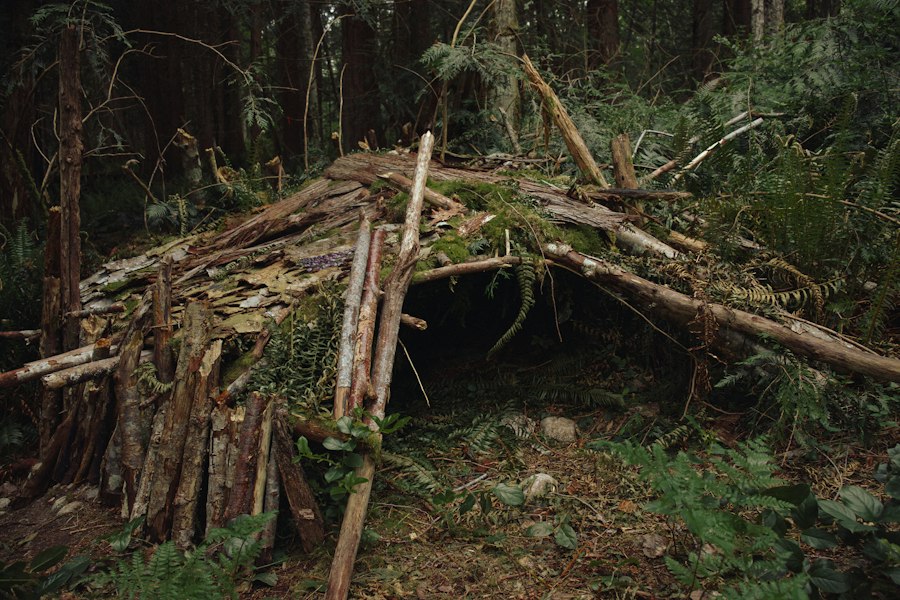
The selection of a suitable shelter in prehistoric times was not a matter of convenience but of survival. It involved a deep understanding of the local environment, the prevailing threats, and the available resources. Prehistoric peoples were not passive recipients of natural forces; they actively sought out and, when necessary, modified their surroundings to create safe havens.
Natural Cavities and Rock Overhangs
One of the most immediate and instinctual forms of shelter for early humans was the utilization of naturally occurring features. Caves and rock overhangs offered significant advantages. They provided protection from the elements – rain, wind, and sun – and, in some cases, from predators. The stable temperature within caves, cooler in summer and warmer in winter, was also a significant benefit. The choice of a specific cave or overhang would have been influenced by factors such as proximity to water and food sources, visibility of the surrounding area for early warning, and the absence of dangerous animals that might also seek refuge within. Evidence of early human occupation in caves, such as hearth remains and stone tools, attests to their long-standing utility.
Elevated and Defensible Locations
When natural cavities were scarce or unsuitable, prehistoric peoples gravitated towards elevated and defensible positions. Hilltops, mesas, and escarpments offered a strategic advantage. From these vantage points, they could observe approaching threats, whether from predators or rival human groups, and had a natural barrier against ground-based dangers. The construction of rudimentary fortifications, such as stone walls or palisades, further enhanced the defensibility of these locations. The challenge, however, lay in the accessibility of resources such as water, which might have been located at lower elevations, necessitating careful planning and sometimes arduous journeys.
Temporary Structures for Evacuation
In situations requiring rapid evacuation, the construction of temporary shelters became paramount. These structures were designed for quick assembly and disassembly, allowing for mobility and adaptation to changing circumstances. They were typically built from readily available natural materials such as branches, leaves, animal hides, and grasses. Examples include simple lean-tos, conical huts, and windbreaks. The form and construction of these temporary shelters would have varied significantly depending on the climate and available materials. In colder regions, they might have been more enclosed and insulated, while in warmer climates, they would have prioritized ventilation. The ability to construct and abandon these shelters efficiently was crucial for survival during sudden environmental shifts or when pursuing migratory game.
Emergency Response and Evacuation Protocols
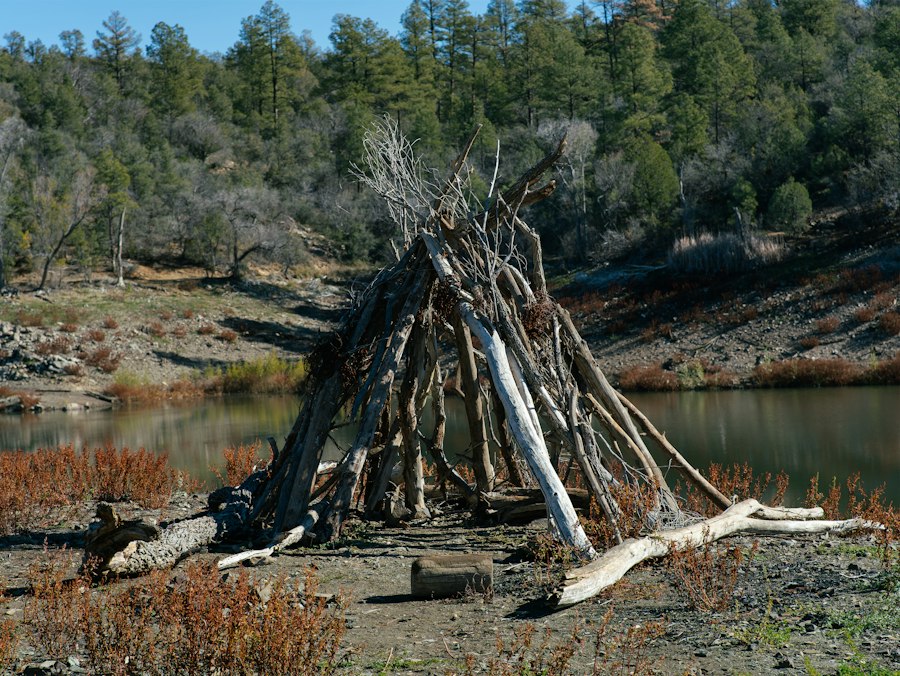
The ability to react swiftly and effectively to a natural emergency was a critical determinant of survival for prehistoric communities. While they lacked formal written protocols, their responses were likely guided by ingrained knowledge, learned behaviors, and communal cooperation. The concept of an organized evacuation, even in its most rudimentary form, was likely present.
Recognizing Precursory Signs and Triggers
A deep, almost intuitive understanding of the natural world was essential for recognizing the early signs of impending disaster. This knowledge would have been passed down through generations, a collective wisdom honed by countless experiences. Anomalous animal behavior – birds taking flight in large numbers, mammals exhibiting unusual nervousness, or insects swarming – might have served as a vital warning. Subtle geological shifts, changes in the smell of the air, or unusual cloud formations could also have signaled danger. The triggers for evacuation were often immediate and undeniable: the roar of a volcanic eruption, the rising waters of a flood, or the violent shaking of the earth.
Communal Decision-Making and Leadership
In the face of a widespread threat, communal decision-making would have been crucial. While leadership roles might have varied depending on the specific social structure, there would have been individuals or groups responsible for assessing the situation and guiding the community’s response. This might have involved elders with accumulated knowledge, skilled hunters with a keen sense of the environment, or individuals who demonstrated particular courage and resourcefulness. The ability to reach a consensus, even in moments of panic, would have been vital for a coordinated evacuation. Disagreements or indecision could have had catastrophic consequences.
Routes of Escape and Safe Zones
Prehistoric peoples would have developed an intimate knowledge of their territory, including established escape routes and potential safe zones. These routes would have been chosen for their relative safety and accessibility, avoiding known hazards like treacherous terrain, floodplains, or areas prone to rockfalls. Safe zones might have been higher ground, areas with naturally defensible features, or locations that offered natural resources to sustain the displaced population. The memory of successful evasions and the avoidance of previous disaster sites would have informed the selection of these routes and refuges. The presence of ancient trails and migratory paths likely reflects these long-established knowledge networks of safe passage.
Resource Management During and After Emergencies
Survival was not solely about finding shelter; it also involved the prudent management of essential resources, both during the immediate crisis and in the aftermath. Prehistoric communities possessed a sophisticated, albeit often unarticulated, understanding of resource scarcity and the need for conservation.
Water Procurement and Conservation
Water was, and remains, the most critical resource. During floods, finding clean drinking water could be challenging due to contamination. In droughts, the search for water became a desperate undertaking, requiring extensive knowledge of hidden springs, underground water sources, or techniques for collecting dew and condensation. Conservation would have been paramount, with every drop carefully utilized. Sharing water resources amongst the group would have been a fundamental aspect of survival. Inhabitants of arid regions may have developed techniques for storing water, perhaps in animal bladders or natural containers.
Food Scarcity and Foraging Strategies
Natural emergencies often disrupted food supplies. Floods could destroy stored provisions and make hunting and gathering impossible. Droughts withered edible plants and drove away game animals. Prehistoric peoples relied on a diverse range of foraging strategies, including hunting, fishing, and gathering wild fruits, nuts, and roots. During emergencies, they would have had to adapt these strategies, perhaps by venturing further afield in search of sustenance or by exploiting less conventional food sources. The ability to identify edible plants and recognize poisonous ones was a critical survival skill. Knowledge of animal behavior and migratory patterns would have been crucial for locating game when familiar hunting grounds were inaccessible.
Shelter Maintenance and Re-establishment
Once a safe haven was secured, the focus would shift to maintaining and, if necessary, re-establishing shelter. For temporary shelters, this might involve reinforcing existing structures or building new ones. For more permanent settlements affected by a disaster, the process of rebuilding would have been arduous and time-consuming. This would have involved salvaging materials, re-purposing damaged items, and drawing upon the collective labor of the community. The resilience of these early communities was not just in their ability to survive a crisis but in their capacity to recover and rebuild, demonstrating a remarkable capacity for adaptation and perseverance.
In exploring the fascinating topic of prehistoric shelter evacuation strategies during natural emergencies, one can draw intriguing parallels to modern practices. For instance, understanding how ancient communities adapted their living spaces and developed efficient evacuation routes can provide valuable insights into contemporary disaster preparedness. A related article discusses the evolving dynamics of global partnerships, highlighting how countries like China are investing in infrastructure that could enhance emergency response systems. This connection emphasizes the importance of learning from the past while also looking towards future innovations. To read more about this evolving partnership, visit this article.
Legacy of Prehistoric Preparedness
| Metric | Description | Estimated Value | Notes |
|---|---|---|---|
| Evacuation Time | Average time taken to evacuate shelter during natural emergencies | 5-15 minutes | Based on quick response to threats like floods or wildfires |
| Distance to Safe Zone | Typical distance traveled from shelter to a safer location | 0.5 – 2 km | Usually nearby elevated or sheltered terrain |
| Group Size | Number of individuals evacuating together | 5-20 people | Small family or clan units |
| Communication Method | Means used to alert group members of emergency | Visual signals, vocal calls | Simple but effective for rapid coordination |
| Frequency of Evacuations | How often evacuations occurred due to natural events | 1-3 times per year | Dependent on local environmental hazards |
| Types of Natural Emergencies | Common natural events prompting evacuation | Floods, wildfires, storms, landslides | Varied by geographic region |
While the specific details of prehistoric emergency response are often inferred from archaeological evidence, the underlying principles of preparedness remain remarkably relevant. The ingenuity, resourcefulness, and deep environmental knowledge displayed by our ancestors offer valuable lessons for contemporary disaster management. Their strategies, honed over millennia of intimate interaction with a powerful natural world, underscore the enduring importance of understanding one’s environment, community cooperation, and the fundamental need for shelter and resources in the face of adversity.
The Foundation of Human Resilience
The survival of prehistoric human populations through countless natural emergencies is a testament to their inherent resilience. They did not possess the technological crutches of modern society, yet they not only survived but thrived. This resilience was built upon a foundation of keen observation, practical knowledge, and an unwavering drive to adapt and overcome. Their strategies, while simple in their execution, were born from a profound understanding of ecological systems and the cyclical nature of environmental change. This adaptability allowed them to persist through periods of immense environmental upheaval.
Lessons for Modern Disaster Management
The study of prehistoric evacuation strategies offers invaluable insights for contemporary disaster preparedness. The emphasis on understanding local environmental risks, identifying potential natural shelters, and developing clear routes of escape are timeless principles. The importance of communal cooperation and leadership in times of crisis is also a critical takeaway. While modern technology provides early warning systems and sophisticated communication networks, the human element of community cohesion and mutual support remains indispensable. Prehistoric peoples’ reliance on readily available natural resources also highlights the need for sustainable resource management, especially in the context of climate change, which exacerbates many of the environmental challenges they faced.
The Enduring Importance of Environmental Knowledge
Ultimately, the greatest legacy of prehistoric shelter evacuation strategies is the profound respect for and understanding of the natural world they embody. Our ancestors lived in a world where the consequences of environmental ignorance were immediate and fatal. Their survival depended on their ability to read the subtle cues of nature, to anticipate its moods, and to work in harmony with its forces. In an era where humanity often seeks to control or dominate nature, the lessons from our distant past serve as a powerful reminder of our interconnectedness and the enduring wisdom embedded within the natural environment itself. This deep environmental knowledge, passed down through generations, formed the bedrock of their survival strategies and continues to offer a crucial perspective on how to coexist with and prepare for the forces of nature.

Life 20,000 Years Ago | When an Ice Age Wildfire Traps Your Primitive Family
FAQs
What types of natural emergencies did prehistoric shelters need to prepare for?
Prehistoric shelters needed to prepare for various natural emergencies, including floods, wildfires, earthquakes, and severe storms. These events could threaten the safety of inhabitants and their resources, necessitating effective evacuation strategies.
How did prehistoric people identify safe evacuation routes?
Prehistoric people likely identified safe evacuation routes through their intimate knowledge of the local terrain, including natural landmarks, water sources, and areas less prone to hazards. They may have also relied on oral traditions to pass down information about safe paths and potential dangers.
What materials were commonly used in the construction of prehistoric shelters?
Prehistoric shelters were typically constructed using readily available materials such as wood, stone, animal hides, and mud. These materials provided insulation and protection from the elements, while also being adaptable for quick modifications during emergencies.
How did community organization play a role in evacuation strategies?
Community organization was crucial in prehistoric evacuation strategies, as groups often worked together to ensure the safety of all members. This included assigning roles for gathering supplies, leading evacuations, and caring for vulnerable individuals, which enhanced the overall effectiveness of their response to emergencies.
What lessons can modern societies learn from prehistoric evacuation strategies?
Modern societies can learn the importance of community preparedness, local knowledge, and adaptability from prehistoric evacuation strategies. Emphasizing collaboration, clear communication, and understanding of the environment can enhance contemporary emergency response plans and improve safety during natural disasters.