
The gnawing wind whipped across the treeless plains, a constant companion to the early humans who navigated this unforgiving landscape. Survival was not a matter of comfort or convenience; it was a daily, primal struggle against the elements, predators, and the ever-present threat of starvation. In this world, ingenuity born of necessity was paramount, and the animal kingdom provided an inexhaustible resource for the development of essential survival gear. These ancient peoples, keenly attuned to their surroundings, understood that the flesh, bone, hide, and sinew of their prey were not merely sustenance, but the very building blocks of their existence. From the sharpened teeth of a predator to the sturdy leg bone of a large ungulate, every part of an animal held the potential to be transformed into a tool that could mean the difference between life and death.
The Foundation of Shelter: Hides and Bones as Building Blocks
The most immediate and perhaps most crucial need for prehistoric humans was shelter. Protection from the biting cold, driving rain, and scorching sun was essential for maintaining body temperature, conserving energy, and providing a safe haven for rest and raising young. Animal hides, meticulously processed, formed the primary material for this vital protection. The sheer diversity of animal life offered a range of options, each with its own unique properties. Large ungulates, like mammoths, bison, and aurochs, provided vast expanses of thick, durable hide. These were not simply draped over frames; they were the very fabric of prehistoric dwellings.
Crafting Dwellings from Mammoth and Bison Hides
The colossal hides of mammoths, weighing hundreds of pounds, were a true treasure for Paleolithic peoples. These thick, leathery coverings, particularly those from the warmer underbelly, offered exceptional insulation. Imagine the effort involved in skinning such a massive creature, a task that would have required collective effort and specialized tools. Once removed, the hides would undergo a laborious tanning process, likely involving scraping with stone tools to remove flesh and fat, followed by treating with brain matter or fat to soften and preserve them. These treated hides were then stretched and secured over frameworks of wood or bone, creating robust shelters that could withstand the harshest of conditions. Evidence of such structures has been unearthed at sites like Dolní Věstonice in Moravia, where the remains of mammoth-bone huts suggest sophisticated architectural techniques utilizing animal remains. Similarly, bison hides, while not as massive as mammoth hides, were equally valuable. Their abundance in many regions made them a more readily accessible resource. The resulting structures, whether circular or oblong, would have been surprisingly effective, providing a barrier against wind and precipitation, and trapping body heat to create a relatively warm interior.
The Versatility of Smaller Animal Skins
Beyond the giants of the Pleistocene, the skins of smaller animals also played a significant role. Deer, horses, and even smaller mammals like foxes and hares contributed their pelts. While less suitable for large-scale shelter construction, these hides were crucial for crafting more personal items of protection and comfort. These smaller skins, often retaining their fur, were ideal for creating warm cloaks, leggings, and coverings for sleeping areas within larger communal shelters. The ability to fashion tailored garments from these pliable materials allowed for greater mobility and individual protection in colder climates. The subtle variations in fur texture and thickness provided natural insulation for different parts of the body, demonstrating an intimate understanding of animal anatomy and its potential applications.
Bones as Structural Supports and Foundations
The skeletal remains of animals were not merely discarded after the meat was consumed; they were integral to the structural integrity of prehistoric dwellings. The long, sturdy bones of large mammals, particularly the femurs and tibiae of mammoths and bison, served as robust uprights and beams for frameworks. In sites where wood was scarce, entire mammoth skulls or pelvises might have been incorporated into the construction, offering stable bases or even partial walls. This ingenious use of bone as building material speaks to a profound resourcefulness, where every part of the animal was exploited to its fullest potential. The strength and durability of these bones made them ideal for supporting the weight of heavy hides and the forces exerted by wind and snow.
In exploring the fascinating world of prehistoric survival gear, it’s essential to consider how early humans utilized animal materials to thrive in their environments. From clothing made of hides to tools crafted from bones, these resources were crucial for survival. For a deeper understanding of how ancient civilizations adapted to their surroundings, you can read the article on ancient climate strategies at Uncovering Ancient Climate Steering Secrets. This piece delves into the innovative methods used by our ancestors to navigate the challenges posed by their climates, shedding light on the resourcefulness that defined prehistoric life.
Weapons and Tools: The Sharp Edge of Survival
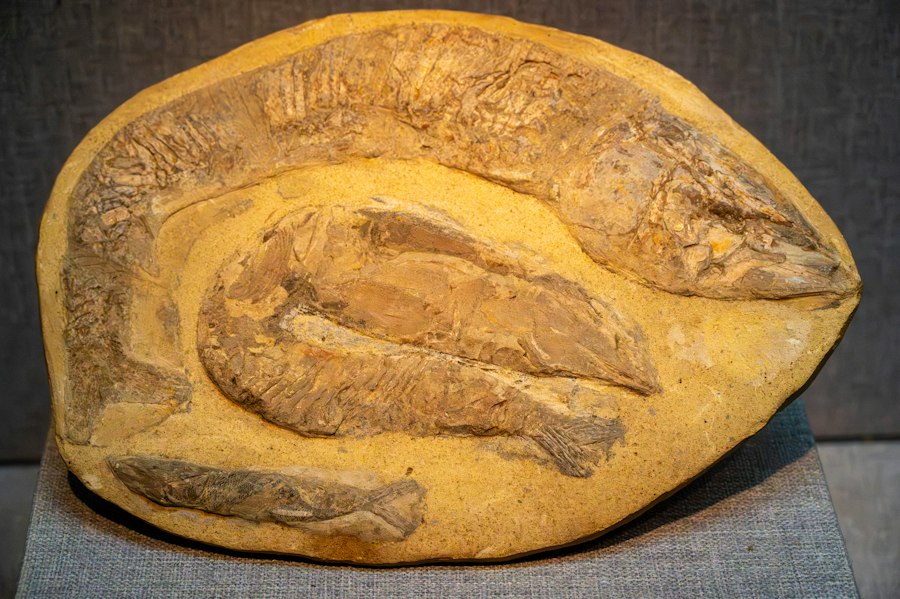
The ability to hunt, defend oneself, and process resources was paramount for survival. Prehistoric peoples ingeniously transformed animal parts into effective weapons and tools. The sharp edges, points, and inherent strength of bone, teeth, and antlers were harnessed to create implements that gave them a decisive advantage in a world dominated by much larger and more powerful creatures. These tools were not mere objects; they were extensions of the hunter’s will and skill.
Projectile Points and Blades: The Lethal Grace of Bone and Antler
The art of crafting projectile points, essential for hunting, reached remarkable sophistication in the prehistoric era. Antlers, with their inherent hardness and ability to be shaped, were a prime material. Reindeer and deer antlers were particularly favored. Through grinding, scraping, and pecking with harder stones, these ancient artisans could fashion sharp, barbed points capable of piercing the thick hides of prey. Similarly, long bones could be meticulously worked, sharpened to a fine point, and then hafted onto wooden shafts to create spears. The process was time-consuming and required immense skill and patience, as a poorly made point could shatter on impact, rendering the hunt a failure. The variety of forms these points took—triangular, leaf-shaped, tanged—speaks to experimentation and adaptation to different prey and hunting strategies. The discovery of numerous bone and antler projectile points at sites across the globe is a testament to their widespread use and effectiveness.
Cutting Edges and Scrapers: The Workhorses of Processing
Beyond projectile points, animal bones and teeth were also fashioned into essential tools for processing kills and other materials. The sharp edges of long bones, when carefully flaked or ground, could serve as knives for skinning and butchering. The flatter surfaces of bones, particularly scapulae or ribs, could be shaped into scrapers, ideal for cleaning hides of flesh and fat, a crucial step in preparing them for use as clothing or shelter. The teeth of predators, such as canine teeth of wolves or bears, with their natural sharp points and inherent strength, were sometimes incorporated into tools or worn as individual adornments. Their intimidating appearance also likely served a psychological purpose, perhaps as symbols of power or as deterrents to predators. The grinding and polishing of these bone tools would have required knowledge of abrasive materials, likely sand or other fine mineral particles, further highlighting the advanced understanding of material science possessed by these early peoples.
Drills and Awls: Precision for Fine Work
The ability to pierce and stitch was vital for creating fitted clothing and assembling other complex items. Animal bones, particularly thin, pointed fragments or specially worked sections of long bones, were transformed into awls. These pointed implements, often tipped with the sharp end of a bone or a sharpened piece of tooth, could be used to pierce holes in hides, allowing for them to be sewn together with sinew thread. In some instances, these awls could even be rotated with a bow-drill mechanism, essentially creating a prehistoric drill for making more precise holes or for working with harder materials. The small size and delicate nature of many of these awls suggest a high degree of craftsmanship and an understanding of the need for precision in their work.
Personal Adornment and Protection: The Art of Animal-Derived Clothing
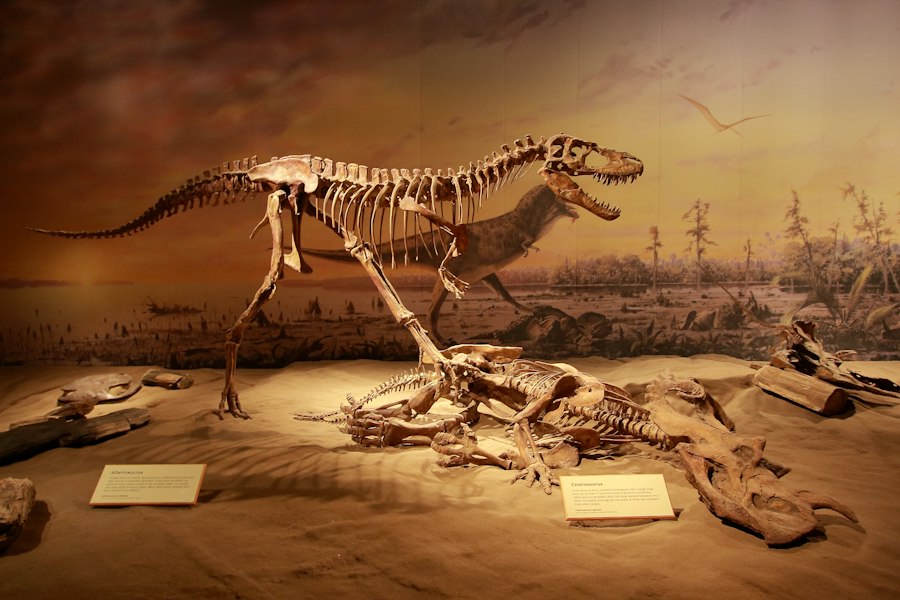
In the challenging environments of prehistory, clothing was not merely for decoration; it was a vital layer of protection against the elements. Animal hides and furs provided the raw materials for the earliest forms of apparel, offering warmth, waterproofing, and abrasion resistance. The craftsmanship involved in transforming these raw materials into functional and sometimes even decorative garments speaks to a deep understanding of animal biology and textile arts.
The Warmth of Fur: Cloaks and Linings
The natural insulation provided by animal fur was indispensable. The pelts of animals like foxes, wolves, bears, and even smaller creatures like rabbits and squirrels were prized for their warmth. These furs would have been carefully removed, often with the skin still attached, and then processed to be as soft and pliable as possible. Cloaks made from multiple furs sewn together would have provided significant protection against cold and wind. The varying lengths and densities of fur from different animals offered natural adaptation; longer, coarser furs might have been used for outer layers to shed rain, while softer, denser furs were reserved for inner linings against the skin. The distribution of these furs across the body would have been strategic, providing maximum warmth to the core and extremities.
Hides as Durable Garments: Trousers, Tunics, and Moccasins
While fur provided exceptional warmth, tanned hides offered durability and a degree of waterproofing. The processed hides of deer, bison, and other medium-sized animals were cut and stitched to create more fitted garments. Trousers, tunics, and simple dresses would have been common. The process of stitching would have involved using thin strips of sinew, derived from the tendons of large animals, as thread, and bone awls to create the necessary perforations. Moccasins, the quintessential prehistoric footwear, were also crafted from animal hides. The soft soles and flexible uppers offered protection for the feet while allowing for a degree of tactile sensation, important for navigating uneven terrain. The way these garments were constructed, with overlapping seams and carefully chosen materials, demonstrates a practical understanding of how to maximize comfort and protection.
Adornment and Status: Teeth, Claws, and Feathers
Beyond purely functional attire, animal remains also played a significant role in personal adornment, often signifying status, prowess, or spiritual beliefs. The teeth and claws of powerful predators, like lions, bears, and wolves, were highly sought after. These were often strung together to create necklaces, bracelets, or headdresses, perhaps as talismans, symbols of courage, or as a way to claim the power of the animal for oneself. Bird feathers, with their vibrant colors and lightness, were also incorporated into headdresses and clothing, adding visual appeal and perhaps carrying symbolic meaning related to flight and the spiritual realm. The careful selection and arrangement of these adornments reveal a complex cultural system where the natural world was deeply intertwined with human identity and social structures.
Specialized Implements: Tools for Food Acquisition and Processing
The acquisition and preparation of food were daily challenges for prehistoric humans. The animal kingdom provided not only the food itself but also the tools necessary for its efficient procurement and processing, allowing for the transformation of raw resources into sustenance and beyond.
Fishing and Trapping: Hooks, Nets, and Snares
The ingenuity of prehistoric peoples extended to the realm of aquatic and smaller game acquisition. Fishhooks, crafted from sharpened bone or antler fragments, allowed for opportunistic fishing. These were often small and meticulously shaped, designed to be baited and then set. For larger-scale fishing or trapping, netting was likely employed. While direct evidence of nets is rare due to their perishable nature, the discovery of bone or antler net-needles suggests their existence. These tools would have been used to weave cords, likely made from plant fibers or sinew, into intricate nets. For trapping smaller mammals, simple snares and traps, fashioned from animal sinew for their elasticity and strength, would have been effective. The ability to create these specialized tools expanded the diet and reduced the reliance solely on large game hunting.
Bone Tools for Butchering and Carving
The process of butchering a large animal was a complex operation requiring a variety of tools. While stone tools were primary, bone tools played a crucial supporting role. Sturdy bone cleavers or choppers, fashioned from large bone fragments, could have been used for breaking through tougher joints or for hammering. Smaller, more delicate bone knives were ideal for precise cuts and for separating flesh from bone. Beyond butchery, bone tools were also used for carving and shaping other materials, such as wood or softer stones. The smooth, polished surfaces of these bone carving tools suggest a high degree of control and precision in their manipulation.
Containers and Utensils: Horns, Skulls, and Hollowed Bones
The need for containers to carry water, store food, or mix substances was also met by animal remains. The hollowed-out horns of large ungulates, like cattle or sheep, could serve as rudimentary cups or even as trumpets. The larger skulls of animals might have been cleaned and used as bowls or basins. Even hollowed-out long bones could have served as makeshift containers for liquids or powders. The ingenious repurposing of these readily available natural forms demonstrates a practical and efficient approach to resource utilization, minimizing waste and maximizing the utility of every harvested animal.
In exploring the fascinating world of prehistoric survival gear, one cannot overlook the ingenious ways early humans utilized animal materials for their needs. From clothing made of hides to tools crafted from bones, these resources were essential for survival in harsh environments. For a deeper understanding of how ancient civilizations may have harnessed advanced techniques, you can read more in this insightful article about the lost secrets of advanced ancient technology. Discover the connections between survival strategies and technological innovations by following this link: advanced ancient technology.
The Enduring Legacy: Understanding Prehistoric Ingenuity
| Gear Type | Animal Source | Material Used | Purpose | Estimated Durability | Common Prehistoric Region |
|---|---|---|---|---|---|
| Clothing | Deer | Hide and Fur | Protection from cold and elements | Several months to 1 year | Europe, North America |
| Tools | Bone from Mammoth | Bone | Cutting, scraping, and carving | Years with proper care | Siberia, Northern Asia |
| Weapons | Elk | Antlers | Spears, harpoons for hunting | Several years | North America, Europe |
| Containers | Turtle | Shell | Storage of water and food | Months to years | North America, Africa |
| Ropes and Bindings | Various mammals | Tendon and sinew | Binding tools and shelter construction | Several months | Worldwide |
The study of prehistoric survival gear crafted from animals offers a profound insight into the intelligence, resourcefulness, and deep connection to the natural world that characterized early human societies. These were not primitive beings fumbling in the dark; they were skilled artisans and astute observers, capable of understanding the properties of various animal materials and transforming them into the essential tools that ensured their survival and flourishing. The surviving artifacts—chipped bone points, polished antler knives, fragments of hide-lined shelters—are tangible remnants of a profound ingenuity that laid the foundation for all subsequent human technological development.
The Material Science of the Past
The creation of these tools was not a matter of brute force alone. It involved a sophisticated understanding of material properties. Prehistoric peoples understood the difference in hardness between bone and antler, the tensile strength of sinew, and the insulating qualities of fur. They developed techniques for shaping, sharpening, and polishing these materials, often using abrasive substances found in their environment. This practical material science, honed over millennia, allowed them to create implements that were both effective and durable. The careful selection of specific bone types for specific tasks—for example, using the dense, hard bone of a mammoth’s leg for a tool handle versus the more porous bone of a rib for a scraper—demonstrates a nuanced understanding that continues to fascinate archaeologists and anthropologists.
The Social and Cultural Significance
Beyond their practical function, these animal-derived tools also held significant social and cultural weight. The ability to craft effective weapons, warm clothing, or sturdy shelters was a marker of skill and competence, likely contributing to an individual’s status within their community. The use of certain animal parts for adornment suggests symbolic meanings and belief systems, where the qualities of the animal were incorporated into human identity. Hunting, the primary source of these materials, would have been a highly social activity, fostering cooperation and strengthening community bonds. The sharing of knowledge about toolmaking and animal processing would have been crucial for the transmission of culture and survival strategies across generations.
Echoes in Modern Life
While modern technology has largely supplanted the need for bone awls and hide tents, the fundamental principles of resourcefulness and adaptation that defined prehistoric survival gear continue to resonate. The human drive to utilize available materials to solve problems remains a core aspect of our existence. Furthermore, the appreciation for the natural world and the materials it provides, a hallmark of prehistoric life, is experiencing a resurgence in contemporary times. From sustainable fashion to the use of natural materials in construction, the echoes of prehistoric ingenuity are visible, reminding us of the enduring power of understanding and working with the world around us, a lesson learned out of necessity in the face of the elements, by those who lived and thrived with the very essence of the animals they encountered.

20,000 Years Ago | The Coldest Journey in Human History
FAQs
What types of prehistoric survival gear were made from animals?
Prehistoric survival gear made from animals included clothing, footwear, tools, and weapons. Animal hides were commonly used to make clothing and footwear, while bones and antlers were crafted into tools and weapons.
How did prehistoric humans obtain animal materials for survival gear?
Prehistoric humans obtained animal materials for survival gear through hunting and scavenging. They would hunt animals for their hides, bones, antlers, and other useful parts, or they would scavenge carcasses left behind by predators.
Which animals were commonly used for making prehistoric survival gear?
Common animals used for making prehistoric survival gear included deer, bison, mammoths, bears, and wolves. These animals provided hides for clothing, bones for tools, and antlers for weapons.
How did prehistoric humans process animal materials for survival gear?
Prehistoric humans processed animal materials for survival gear by tanning hides, shaping bones and antlers, and crafting tools and weapons. Tanning involved treating animal hides to make them soft, durable, and suitable for clothing and footwear.
What role did prehistoric survival gear made from animals play in early human societies?
Prehistoric survival gear made from animals played a crucial role in early human societies by providing protection from the elements, aiding in hunting and gathering activities, and contributing to the development of tools and weapons for survival and defense.