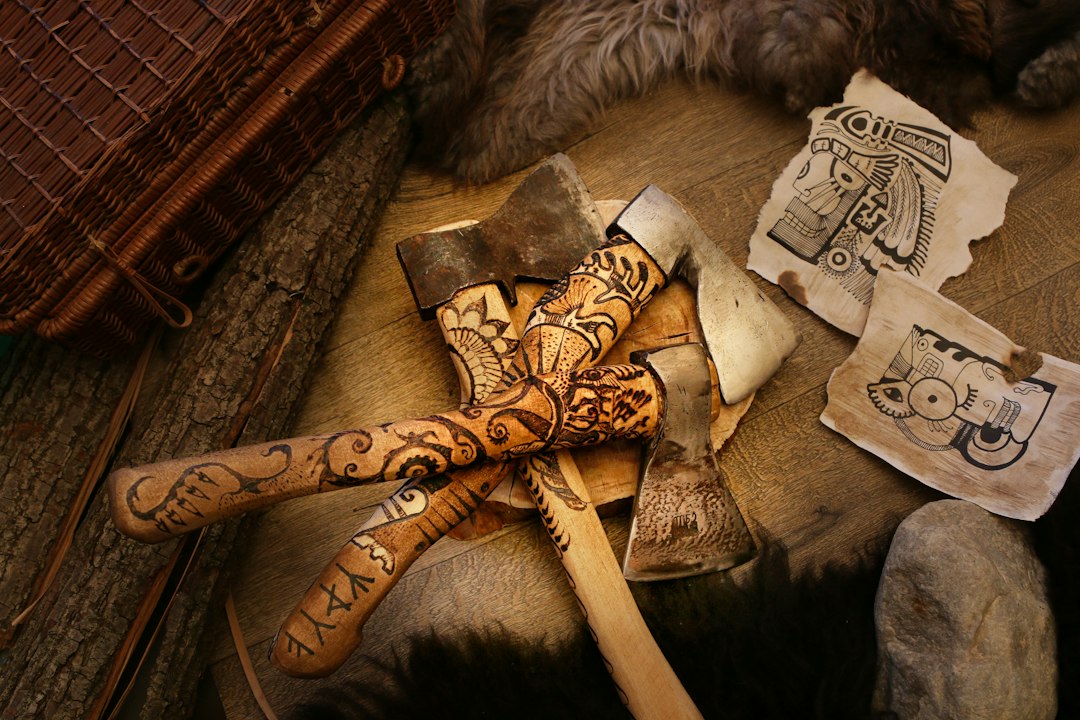
The earliest humans, facing a world teeming with both opportunity and peril, possessed an innate ingenuity that allowed them to not only survive but to thrive. Their existence was a constant negotiation with the environment, and the development of effective tools was paramount to their success. Among the most crucial innovations were those that enabled them to process resources and sustain themselves. This article delves into two fundamental categories of prehistoric survival tools: cutting tools, which unlocked the potential of raw materials, and drinking skins, which addressed the primal need for hydration in a world without modern containers.
The Sharp Edge of Necessity: Prehistoric Cutting Tools
The ability to cut, shape, and process materials was a game-changer for early hominins. It allowed them to access new food sources, construct shelter, craft other tools, and defend themselves. These cutting tools, born from observation and experimentation, represent a significant leap in cognitive and technological development, demonstrating a growing understanding of the physical properties of their surroundings.
The Genesis of Stone: Early Lithic Technologies
The story of cutting tools is inextricably linked to the manipulation of stone. Early hominins discovered that by striking certain types of rock, like flint or chert, they could produce sharp, fractured edges. This process, known as knapping, was initially rudimentary, likely involving simple hammerstones.
Percussion Flaking: The First Cuts
The earliest method of stone tool production was percussion flaking. This involved striking a core stone (the raw material) with another stone, the hammerstone. The impact would detach flakes, which were often sharp enough for basic cutting tasks. These early tools, belonging to the Oldowan tradition, are characterized by their simplicity and are often referred to as choppers or flakes. They were likely used for tasks such as butchering carcasses, scraping hides, and perhaps even woodworking. The presence of these tools indicates a deliberate selection of materials and a degree of intentionality in their creation, suggesting a nascent understanding of cause and effect in toolmaking.
Pressure Flaking: Refinement and Precision
As hominins evolved and their cognitive abilities advanced, so too did their toolmaking techniques. Pressure flaking, which emerged later in the Lower Paleolithic and became more refined in the Middle Paleolithic, allowed for greater control and precision. Instead of striking the stone, a pointed tool, often made of bone or antler, was used to apply pressure to the edge of the stone. This technique allowed for the removal of smaller, more controlled flakes, resulting in sharper and more refined cutting edges. This advancement was crucial for creating more specialized tools.
Beyond Stone: The Emergence of Bone and Antler Tools
While stone dominated early cutting tool production, other materials also played a role. Bone and antler, readily available from animal carcasses, offered different properties that could be exploited.
Shaping Bone and Antler: Versatility and Strength
Bone and antler are tougher and more durable than many types of stone. They could be shaped into awls, scrapers, and even knives. The process involved grinding, sawing, and polishing. These tools were particularly useful for working with softer materials like hides and wood. The ability to fashion tools from bone and antler further diversified the range of tasks that prehistoric humans could accomplish, demonstrating their adaptability in utilizing available resources. For instance, bone needles, though not strictly cutting tools, relied on sharp points created through similar shaping processes and were essential for sewing hides together, thereby improving clothing and shelter.
The Functionality of the Edge: Applications of Cutting Tools
The true value of these cutting tools lay in their diverse applications, each contributing significantly to survival.
Butchery and Food Procurement: Accessing Nutrients
One of the most critical uses of cutting tools was in the processing of animal carcasses. Sharp stone flakes and blades were indispensable for skinning, dismembering, and cutting meat from bones. This allowed early humans to access vital nutrients and energy that would otherwise have been inaccessible. The efficiency of these tools directly impacted the diet and overall health of prehistoric populations. It is also plausible that the ability to efficiently butcher larger animals led to more complex social structures, as sharing of meat became a more viable and potentially necessary practice.
Crafting and Construction: Building a Better Life
Cutting tools were not solely for food. They were essential for crafting other tools and for building shelter. Sharpened stones and bone implements could be used to shape wood for spears, digging sticks, and shelters. Hides could be scraped clean and prepared for use as clothing or building materials. The development of more sophisticated cutting tools directly correlated with the ability to create more robust and complex structures, offering protection from the elements and predators.
Prehistoric survival tools played a crucial role in the daily lives of early humans, enabling them to hunt, gather, and protect themselves from the elements. Among these tools, cutting implements made from stone and bone were essential for processing food, while drinking skins crafted from animal hides provided a means to store and transport water. For a deeper understanding of how ancient civilizations adapted their environments and the tools they developed, you can explore the article on ancient city planning and its challenges at this link.
The Essential Vessel: Prehistoric Drinking Skins
The human body’s reliance on water is absolute. In prehistoric times, obtaining and carrying this vital resource presented significant challenges. The development of drinking skins, ingenious vessels crafted from animal hides, provided a crucial solution to this fundamental need.
From Carcass to Container: The Art of Hide Preparation
The creation of a drinking skin was a multi-step process that demanded knowledge of animal anatomy and skillful manipulation of materials. The process began with the careful selection and preparation of an animal hide.
Selection and Flaying: Choosing the Right Source
The most suitable animals for drinking skins were typically those with large, intact stomachs or bladders. Animals like deer, goats, or sheep were often preferred. The hide needed to be removed carefully to avoid puncturing or tearing the intended vessel. The skill of flaying, the process of removing the skin, was therefore paramount. A torn stomach or bladder would render it useless for holding liquid.
Tanning and Curing: Preserving the Vessel
Once flayed, the hide needed to be treated to prevent decay and to make it waterproof. This process, a rudimentary form of tanning, involved several stages. The hide would be scraped clean of any remaining flesh and fat. Then, it would be treated with various substances, often including animal brains, which contain natural emulsifiers that help to stabilize the hide and make it pliable. Smoking the hide over a fire was another common technique, which both preserved the material and imparted a degree of water resistance. This careful curing process ensured that the resulting container would be durable and able to hold water for extended periods.
Design and Functionality: Ingenious Adaptations
The design of prehistoric drinking skins was remarkably practical, reflecting an intimate understanding of both the material and the intended use.
The Inverted Stomach or Bladder: A Natural Pouch
The most common form of drinking skin was likely an inverted animal stomach or bladder. These organs, by their very nature, are designed to hold fluids. Once cleaned and cured, they could be stoppered at one end (where the esophagus or intestine was) and used as a self-contained pouch. This natural form minimized the need for complex construction.
Tailored Containers: More Sophisticated Designs
More elaborate drinking skins may have been fashioned by stitching together sections of hide. This would have allowed for the creation of more standardized shapes and larger capacities. Bone awls and sinew could be used to create strong, watertight seams. These stitched containers might have been used for communal water storage or for longer journeys where a greater supply was needed. The ability to stitch and seal hides also opened up possibilities for other sewn artifacts, such as bags and rudimentary clothing.
The Crucial Role in Survival: Hydration on the Move
The ability to carry water was a significant advantage for prehistoric humans, enabling them to explore new territories and exploit resources that were not immediately adjacent to water sources.
Sustaining Nomadic Lifestyles: Venturing Further
For hunter-gatherer societies, life was often nomadic, following game herds or seasonal plant growth. Drinking skins were essential for these movements, allowing individuals and groups to travel away from permanent water sources without succumbing to dehydration. This mobility was a key factor in human dispersal across the globe.
Resource Exploitation: Accessing Distant Water
The availability of drinking skins meant that prehistoric peoples could venture into drier regions or areas where water sources were seasonal or unpredictable. This expanded their hunting grounds and their access to plant foods, increasing their chances of survival and the carrying capacity of their environment. The ability to transport water also facilitated longer expeditions, potentially leading to the discovery of new resources or the mapping of wider territories.
The Synergistic Relationship: Cutting Tools and Drinking Skins
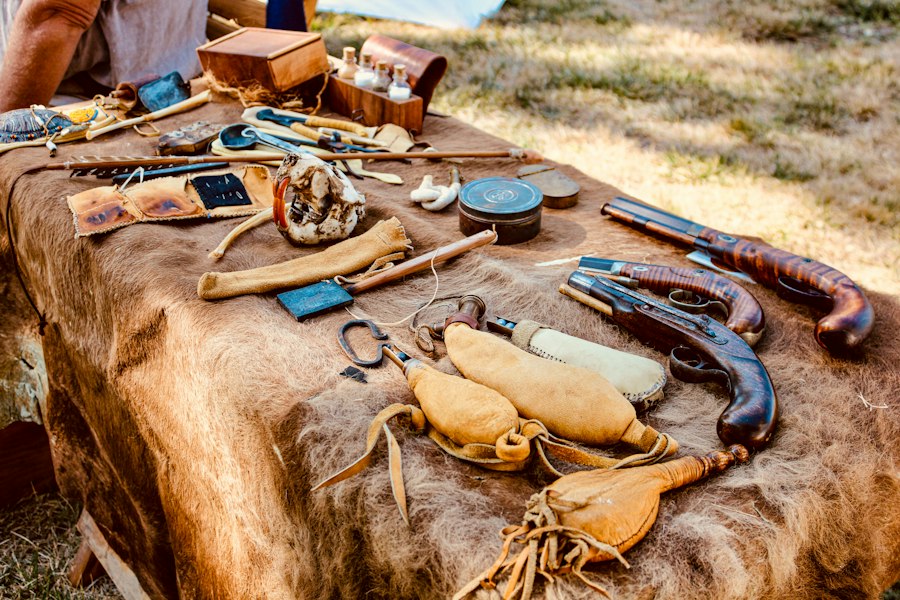
It is crucial to recognize that these two categories of tools did not exist in isolation. They were part of a complex and interconnected toolkit that enabled prehistoric humans to thrive. The creation of drinking skins, for example, relied heavily on cutting tools.
Preparing the Hide: The Cutting Edge in Action
The meticulous process of preparing animal hides for drinking skins was dependent on the availability of sharp cutting tools. Skinning the animal, scraping away excess fat and tissue, and potentially trimming the hide all required effective blades. Without proficient cutting tools, the creation of durable and functional drinking skins would have been significantly more challenging, if not impossible. The same cutting tools used for butchery were thus instrumental in the creation of essential water vessels.
Repair and Maintenance: Extending the Lifespan of Tools
Furthermore, cutting tools themselves would have required regular maintenance and repair. Sharp edges would dull, and broken components would need to be replaced. Again, this is where other tools, including cutting tools, would have been used for sharpening, reshaping, and crafting replacement parts. Similarly, a drinking skin might have required patching or mending, a task that could have involved using sharp tools to cut and shape repair materials like sinew.
Beyond the Basics: Complex Toolkits and Cognitive Advancement
The development of cutting tools and drinking skins represents more than just the creation of individual implements. It signifies a profound advancement in cognitive abilities and the emergence of complex toolkits that allowed for sophisticated problem-solving and adaptation.
Understanding Material Properties: A Foundation for Innovation
The selection of specific stones for their flaking properties, the understanding of how to treat animal hides to make them waterproof, and the recognition that certain bone structures could be shaped into sharp points all demonstrate an increasing understanding of the physical world. This knowledge was not innate; it was acquired through observation, experimentation, and the transmission of knowledge across generations.
Sequential Operations and Planning: The Dawn of Complex Cognition
The creation of more refined cutting tools, such as those produced by pressure flaking, and the multi-step process of tanning hides suggest a capacity for sequential operations and long-term planning. These were not simple, one-off actions but rather a series of interconnected steps, each building upon the previous one. This capacity for planning and executing a series of actions is a hallmark of advanced cognitive abilities and laid the groundwork for future technological and social developments.
The Evolution of Social Structures: Shared Knowledge and Collaboration
The creation and use of these tools likely fostered new forms of social interaction and collaboration. The transmission of toolmaking techniques, hunting strategies that utilized cutting tools, and communal efforts in procuring and preparing resources would have strengthened social bonds. The successful procurement and transport of water using drinking skins could also have facilitated group movements and the establishment of more complex social organization.
In exploring the fascinating world of prehistoric survival tools, one cannot overlook the significance of cutting tools and drinking skins, which were essential for daily life in ancient times. These innovations not only aided in food preparation but also played a crucial role in water storage and transportation. For a deeper understanding of how historical practices can inform our responses to modern challenges, you may find it interesting to read about the lessons we can learn from history in relation to climate change. This insightful article can be found here.
The Enduring Legacy: Foundations of Human Civilization
| Tool Type | Material | Estimated Age | Primary Use | Region Found | Notable Features |
|---|---|---|---|---|---|
| Flint Cutting Tool | Flint Stone | Approx. 2.5 million years ago | Cutting meat, plants, and wood | Africa | Sharp edges created by flaking |
| Obsidian Blade | Obsidian | Approx. 100,000 years ago | Precision cutting and scraping | Middle East, Americas | Extremely sharp and brittle |
| Bone Knife | Animal Bone | Approx. 50,000 years ago | Cutting soft materials and skinning | Europe, Asia | Durable and easy to shape |
| Drinking Skin | Animal Hide (Goat, Deer) | Approx. 10,000 years ago | Carrying and storing water | Worldwide | Waterproof and flexible container |
| Leather Water Bag | Tanned Animal Hide | Approx. 5,000 years ago | Transporting liquids | Middle East, Europe | Improved durability and sealing |
The prehistoric survival tools discussed – cutting implements and drinking skins – may seem rudimentary by modern standards. However, their impact on the trajectory of human history is immeasurable. They represent the foundational innovations upon which all subsequent human technological and societal advancements were built.
Innovation as a Constant: The Human Drive to Adapt
The ingenuity displayed in the creation of these early tools underscores a fundamental aspect of the human condition: an unceasing drive to adapt and innovate. Faced with environmental challenges, early humans did not passively succumb; they actively sought solutions, leveraging their intelligence and their environment to create the means for survival and prosperity. This spirit of innovation continues to define humanity today.
The Building Blocks of Civilization: From Survival to Sophistication
From the sharp edge of a stone flake to the waterproof seal of a tanned bladder, these tools provided the basic necessities for human existence. They enabled early humans to secure food, build shelter, and sustain themselves during migrations. These fundamental capabilities, in turn, allowed for the development of more complex social structures, the accumulation of knowledge, and the eventual emergence of agriculture, settled communities, and the complex civilizations we recognize today. The ability to efficiently process resources and carry essential provisions was the silent engine that powered the long march of human progress.

➡️Life 20,000 Years Ago | When Strangers Claim Your Winter Shelter 🚨
FAQs
What were some common cutting tools used by prehistoric humans?
Prehistoric humans utilized a variety of cutting tools, including flint blades, stone scrapers, and hand axes. These tools were often made from materials like flint, obsidian, and other hard stones, which could be shaped through a process called knapping to create sharp edges for cutting meat, plants, and other materials.
How did prehistoric people create drinking skins?
Drinking skins were typically made from animal hides, which were tanned and treated to make them waterproof. Prehistoric people would carefully clean and prepare the hides, often using the skins of animals like deer or seals, to create containers that could hold liquids such as water or animal fat.
What materials were used to make prehistoric cutting tools?
Prehistoric cutting tools were primarily made from stone, particularly flint, chert, and obsidian due to their ability to be sharpened to a fine edge. Other materials included bone and wood, which were also fashioned into tools for specific tasks, such as cutting or scraping.
How did the development of cutting tools impact prehistoric survival?
The development of cutting tools significantly enhanced prehistoric survival by allowing early humans to more effectively hunt, process food, and create shelter. These tools enabled them to butcher animals, prepare plant materials, and construct tools and weapons, ultimately improving their chances of survival in harsh environments.
What techniques were used to sharpen prehistoric cutting tools?
Prehistoric people employed a technique known as knapping to sharpen their cutting tools. This involved striking a stone with another hard object to flake off pieces and create a sharp edge. Different techniques, such as pressure flaking and percussion flaking, were used to achieve the desired sharpness and shape for various tools.