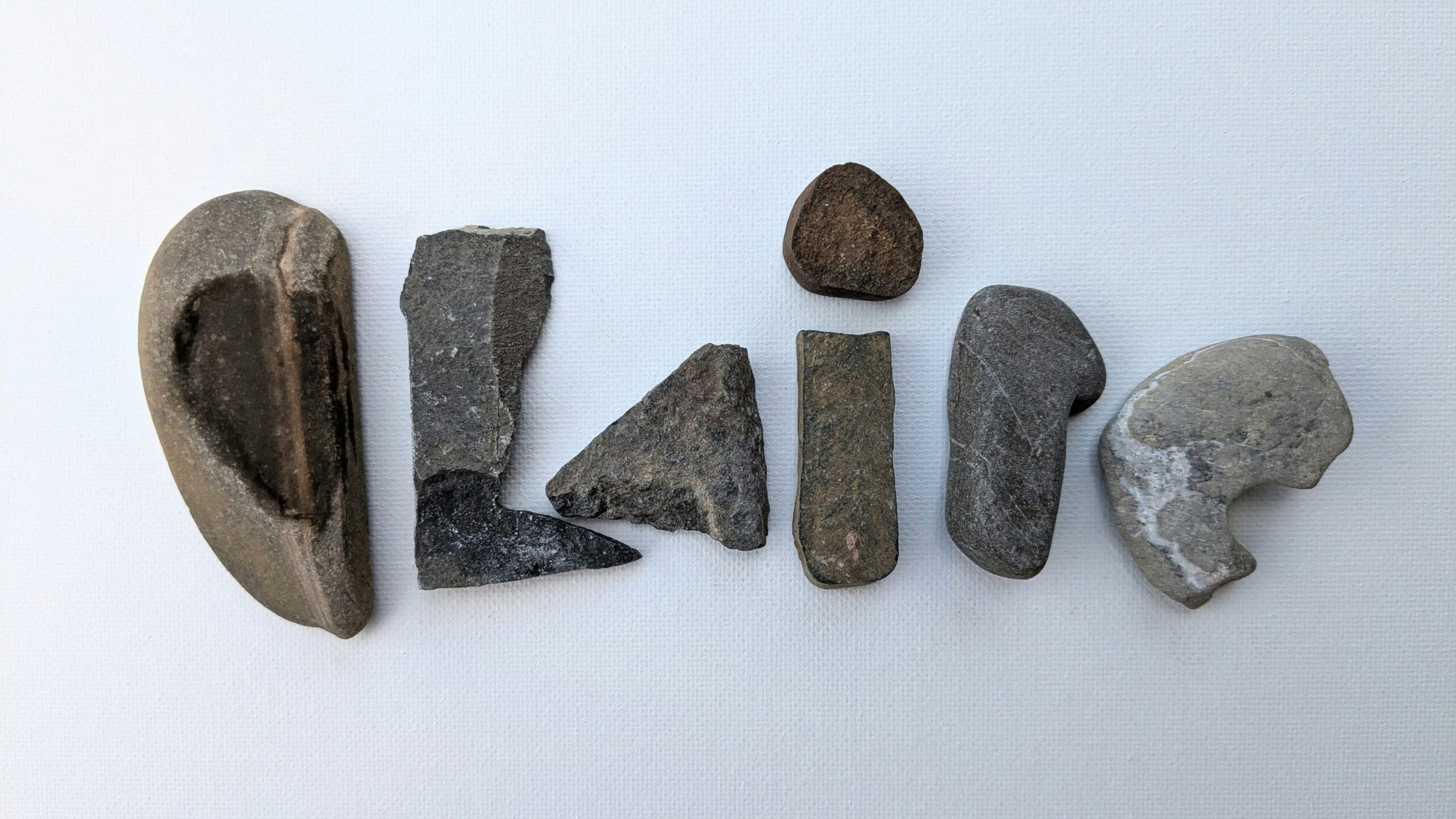
The story of humanity is inextricably linked to the story of tools. Long before recorded history, our prehistoric ancestors faced a world demanding constant ingenuity and adaptation. Survival hinged on their ability to harness the raw materials around them, transforming them into implements that extended their capabilities and fundamentally shaped their daily lives and their success in the hunt. These were not mere objects; they were extensions of the human mind and body, critical innovations that allowed early hominins to procure food, build shelter, defend themselves, and eventually, to thrive. From the simplest chipped stones to more complex composite tools, the development of prehistoric technology represents a monumental leap in cognitive and social evolution.
The very earliest evidence of tool use, dating back millions of years, suggests a rudimentary but crucial understanding of cause and effect. The ability to select a stone, strike it with another, and produce a sharp edge was a profound cognitive achievement. This was the dawn of technology, a testament to the developing problem-solving skills of our ancestors. These early tools, often referred to as Oldowan tools, were primarily used for tasks like scavenging meat from carcasses, breaking bones for marrow, and perhaps processing plant materials. While seemingly crude by modern standards, their impact was immense, opening up new dietary possibilities and providing a significant advantage in the struggle for existence. The evolution of tool technology continued, with each advancement building upon the last, leading to increasingly sophisticated and specialized implements that continued to define the human experience for millennia.
The Dawn of Stone: Early Implementations for Survival
The earliest evidence of deliberate stone tool manufacture points to a profound cognitive leap. These were not accidental finds; they were the result of intentional shaping, demonstrating an understanding of material properties and the desired outcome. The development of these rudimentary tools marked a critical turning point in the trajectory of human evolution, providing early hominins with the means to interact with their environment in entirely new ways. The chipped stone tools of the Paleolithic era represent the genesis of human technology, a testament to our ancestors’ resourcefulness and their drive to overcome the limitations of their physical form.
Percussion and Flaking: The Genesis of Sharpness
The fundamental technique underpinning early stone tool manufacture was percussion flaking. This involved striking one stone, known as a hammerstone, against another, the core. The impact would cause predictable fractures, detaching smaller pieces called flakes. The sharp edges of these flakes, and the core itself, were then utilized for various purposes. This seemingly simple process required a degree of foresight and skill. The individual had to select appropriate stone types, understanding which would fracture predictably and produce sharp edges. They also needed to control the angle and force of the blow to achieve the desired shape and sharpness. This process was not static; it evolved over time, becoming more refined and deliberate.
The Oldowan Assemblage: Scavenging and Processing
The Oldowan tool industry, dating back as far as 2.6 million years ago, represents the earliest widely recognized stone tool assemblage. These tools, found in sites across Africa, are characterized by simple choppers, hammerstones, and sharp-edged flakes. Their primary function was likely related to “opportunistic scavenging.” Early hominins would have used these tools to butcher carcasses, strip flesh from bones, and crack bones open to access nutrient-rich marrow. The sharp flakes were ideal for cutting soft tissues, while the choppers could be used for more heavy-duty tasks like breaking open bones or smashing tough plant materials. The ability to access animal protein in this manner was a significant dietary advantage, providing essential nutrients that may have fueled further brain development.
The Acheulean Revolution: Bifaces and Extended Capabilities
A significant advancement in stone tool technology emerged with the Acheulean industry, characterized by the distinctive handaxe. These bifacial tools, shaped on both sides, were far more sophisticated than their Oldowan predecessors. They required a higher level of planning, skill, and dexterity to produce. The handaxe was a versatile tool, capable of a wide range of tasks, including butchering meat, digging for roots, felling small trees, and even acting as a potential weapon. The development of the handaxe signifies a move towards more generalized tools that could be used for a variety of purposes, reflecting a growing understanding of how to optimize tool design for multiple functions. This era also saw the emergence of other Acheulean tools like cleavers and picks, further broadening the technological repertoire of early humans.
Prehistoric tools played a crucial role in the daily lives and hunting practices of early humans, enabling them to adapt to their environments and secure food sources. For a deeper understanding of how these ancient innovations laid the groundwork for future technological advancements, you can explore an insightful article that discusses the evolution of tools and their impact on human development. Check out this related article on securing lunar power grid development, which, while focused on modern technology, draws parallels to the innovative spirit that characterized prehistoric tool-making: Securing Lunar Power Grid Development.
Hunting and Gathering: Tools for Sustenance and Survival

The success of prehistoric humans in procuring food from their environment was directly tied to the tools they developed. While gathering provided a consistent, albeit often less calorie-dense, food source, hunting offered the potential for rich sustenance but required specialized implements to overcome the challenges of pursuing and subduing prey. The evolution of hunting tools, in particular, reflects a growing understanding of animal behavior, projectile dynamics, and the need for efficiency and effectiveness in the chase.
Projectile Technologies: The Spear and Beyond
The development of the spear represents a pivotal moment in human hunting strategies. The ability to project a sharp point at a distance significantly increased a hunter’s safety and effectiveness. Early spears were likely simple sharpened sticks, but over time, they evolved to include stone or bone points hafted onto wooden shafts. This allowed for greater penetration and a more lethal strike. The spear transformed hunting from a close-quarters, high-risk activity into one that could be executed from a safer distance, allowing hunters to target larger and more dangerous animals. The conceptual leap from a handheld tool to a projectile weapon demonstrates a sophisticated understanding of physics and trajectory.
The Atlatl: Amplifying Human Power
Further innovation in projectile technology came with the invention of the atlatl, or spear-thrower. This device, essentially a lever, allowed hunters to launch spears with significantly greater force and accuracy than they could by hand alone. The atlatl effectively extended the range and power of the human arm, making it possible to bring down larger game more efficiently and safely. The sophistication of the atlatl, with its carefully balanced design, speaks to a deep understanding of mechanics and a desire to optimize hunting performance. This technology remained in use for millennia across many cultures, a testament to its effectiveness.
Traps and Snares: The Ingenuity of Passive Hunting
Not all hunting involved active pursuit. Prehistoric peoples were also adept at creating passive hunting devices like traps and snares. These required an intimate knowledge of animal behavior and the local landscape. By understanding animal pathways, feeding habits, and the physical capabilities of their prey, they could design ingenious mechanisms to capture animals. Pitfalls, nooses, and deadfall traps were all employed, allowing hunters to conserve energy and secure a food supply with less direct risk. The construction of these traps often involved a combination of natural materials, like branches and vines, along with sharpened stakes or stone components.
Tools for Processing and Preservation
Beyond the tools used for acquisition, prehistoric humans also developed implements for processing and preserving food. Sharp stone knives and scrapers were essential for butchering animals, skinning them, and preparing meat for consumption. The development of bone needles and awls allowed for the creation of clothing and containers, which were crucial for storing and transporting food. Techniques like smoking and drying meat, likely developed through trial and error, helped to preserve it for leaner times, providing a more stable food source and reducing reliance on daily hunts. These preservation methods were as vital as the hunting tools themselves for long-term survival.
Domestic Life: Crafting and Maintaining the Household

The creation of a stable and functional domestic environment was as crucial for prehistoric humans as their ability to hunt. Tools played a vital role in constructing shelters, preparing food within the home, and crafting the necessary items for daily living. These implements allowed for the transformation of raw materials into comfortable and efficient living spaces, contributing to the social cohesion and well-being of prehistoric communities.
Shelter Construction: From Caves to Huts
While natural shelters like caves provided immediate refuge, prehistoric humans eventually developed tools to construct their own dwellings. These tools varied depending on the available resources and the climate. Stone axes and adzes were used to fell trees and shape wood for building frames. Sharpened stones or bone implements could be used to dig foundations or clear ground. For more permanent structures, tools for working with earth, such as digging sticks and primitive trowels, would have been essential. The ability to build a shelter provided protection from the elements, predators, and offered a secure space for families to gather and rest, fostering a sense of community.
Fire Management: Tools for Warmth and Cooking
The mastery of fire was a transformative development for prehistoric humans, and specific tools facilitated its use. While igniting fire may have initially relied on natural occurrences or friction methods, the ability to maintain and utilize it effectively required further innovation. Tools like fire sticks (used for tinder and fuel manipulation) and possibly primitive bellows (made from animal hides) would have aided in keeping flames alive. The most profound impact of fire was its use in cooking. Early cooking vessels, perhaps made from clay or large stones, along with stone tools for crushing and grinding cooked food, made food more digestible and safer to consume, unlocking a wider range of nutrients and improving overall health.
Crafting Tools and Utensils: The Art of the Artisan
Beyond the immediate needs of survival, prehistoric tools also enabled the creation of a wide array of domestic utensils and craft items. Bone and stone awls were used to pierce and stitch together animal hides for clothing, bags, and containers. Scrapers made from stone were used to prepare hides for tanning, making them more pliable and durable. Grinding stones, such as saddle querns, were essential for processing grains and seeds, a crucial step in the development of more stable food sources. The creation of simple pottery, enabled by tools for shaping and firing clay, provided new possibilities for food storage and cooking. These domestic crafts not only improved quality of life but also fostered artistic expression and the transmission of cultural knowledge.
Personal Adornment and Hygiene
Even in the realm of personal care and adornment, tools played a role. Bone needles and scrapers were likely used to clean and prepare animal skins for clothing, which could then be further adorned with beads made from shell, bone, or stone. While hygiene practices of the distant past are difficult to ascertain, tools such as sharpened bone or stone fragments could have been used for scraping or cleaning purposes. The creation of decorative items, even if for aesthetic reasons, also reflects a developing sense of self and social identity, facilitated by the manipulation of natural materials into desired forms.
Specialized Tools: Beyond the Everyday
As human societies grew more complex and specialized, so too did their toolkits. Beyond the implements required for basic survival and domestic tasks, prehistoric peoples developed specialized tools for specific crafts, activities, and potentially even ceremonial purposes. These advancements reflect a deepening understanding of materials and techniques, as well as a growing division of labor within communities.
Bone and Antler Working: Fine Craftsmanship
Bone and antler were incredibly versatile materials for prehistoric toolmakers. These materials are strong, relatively easy to shape, and readily available from hunted animals. Numerous tools were crafted from bone and antler, including needles, awls, fishhooks, harpoons, scrapers, and projectile points. The fineness of some of these implements, such as the delicate bone needles, speaks to a high level of craftsmanship and dexterity. The ability to work with bone and antler allowed for the creation of tools that were lighter, more precise, and sometimes more effective than stone equivalents for certain tasks, particularly those requiring fine detail.
Woodworking Technologies: Shaping the Arboreal World
While often leaving less direct archaeological evidence than stone, woodworking tools were undoubtedly crucial for prehistoric peoples. Stone axes, adzes, and chisels were used to fell trees, shape logs into building materials, and carve wooden implements. The development of sophisticated wooden tools, such as bows and arrows, sledges, and even rudimentary watercraft, would have been dependent on effective woodworking techniques. The preservation of wooden artifacts is rare, but their presence in bogs and peat layers, along with wear patterns on stone tools, indicates their significant role in prehistoric technology.
Early Metallurgy: A Glimpse of the Future
While the bulk of prehistoric tool use was dominated by stone, bone, and wood, the later stages of the Stone Age, particularly the Neolithic period, saw the very beginnings of metallurgy. This transition was gradual, with early discoveries focusing on native copper. Small ornaments and simple tools, such as awls and beads, were hammered into shape from this malleable metal. While not widespread or transformative in the same way as later bronze or iron working, these early experiments with metal demonstrate a growing curiosity about new materials and the potential they held, foreshadowing the technological revolutions to come.
Ritual and Symbolic Objects: Tools of Belief
The function of tools was not always purely utilitarian. Many prehistoric artifacts suggest a role in ritual, ceremony, or symbolic expression. Carefully crafted stone carvings, polished bone objects, and decorated items that do not appear to have a practical function suggest a belief system and a desire to create objects with deeper meaning. While their exact purpose remains a subject of interpretation, these objects highlight the multifaceted nature of prehistoric tool use, extending beyond the immediate needs of survival into the realm of the spiritual and the symbolic, demonstrating a complex and evolving human consciousness.
Prehistoric tools played a crucial role in daily life and hunting, showcasing the ingenuity of early humans as they adapted to their environments. These tools, ranging from simple stone implements to more complex weapons, were essential for gathering food and crafting shelter. For a deeper understanding of how ancient wisdom has been overlooked in modern times, you can explore this insightful article on the deliberate erasure of such knowledge. It highlights the importance of recognizing the skills and techniques that shaped early human survival. You can read more about it in this related article.
The Legacy of Prehistoric Tools: Foundations of Civilization
| Tool Type | Material | Primary Use | Estimated Age | Region Found | Notable Features |
|---|---|---|---|---|---|
| Hand Axe | Flint | Cutting, chopping wood and meat | 1.5 million years ago | Africa, Europe, Asia | Bifacially flaked, teardrop shape |
| Spears | Wood with stone tips | Hunting large animals | 400,000 years ago | Europe, Africa | Sharpened stone points attached to wooden shafts |
| Scrapers | Flint or chert | Cleaning animal hides | 300,000 years ago | Worldwide | Single edge flaked for scraping |
| Bow and Arrow | Wood, sinew, stone or bone tips | Hunting small to medium game | 50,000 years ago | Africa, Europe | Flexible wooden bow with projectile arrows |
| Bone Needles | Bone | Sewing hides and clothing | 40,000 years ago | Europe, Asia | Fine pointed with eye for thread |
| Grinding Stones | Granite or sandstone | Processing grains and seeds | 20,000 years ago | Worldwide | Flat or concave surfaces for grinding |
The story of prehistoric tools is not merely a chronicle of ancient implements; it is the foundation upon which human civilization was built. Each chipped stone, each sharpened bone, each crafted wooden shaft represents a step forward in our ancestors’ ability to understand, manipulate, and ultimately master their environment. These tools not only enabled survival but also fostered innovation, collaboration, and the development of complex social structures.
The very act of toolmaking required observation, planning, and the transmission of knowledge. This process spurred cognitive development, fostering abstract thought and problem-solving skills that would prove essential for future advancements. The efficiency gained through the use of tools allowed early humans to dedicate more time to other activities, such as social interaction, storytelling, and the development of artistic expression. This laid the groundwork for culture and the transmission of knowledge across generations.
Furthermore, the specialization of tools, from those used for hunting large game to those for intricate crafting, hints at the emergence of specialized roles within communities. This division of labor, a hallmark of more complex societies, would have facilitated greater efficiency and the development of new skills. The adoption and refinement of tools were not isolated events but rather a continuous feedback loop, where the successful use of an implement led to further innovation and adaptation.
The impact of prehistoric tools is immeasurable. They allowed our ancestors to explore new territories, adapt to diverse environments, and ultimately, to spread across the globe. They provided the means to harness new food sources, build more secure shelters, and develop greater resilience in the face of environmental challenges. The ingenuity demonstrated by early toolmakers is a testament to the inherent drive of humanity to improve its condition, a drive that continues to propel technological advancement today. The echoes of those first stone chips resonate through the millennia, a reminder that our modern world, with all its technological marvels, has its roots firmly planted in the simple yet revolutionary implements of our prehistoric past.