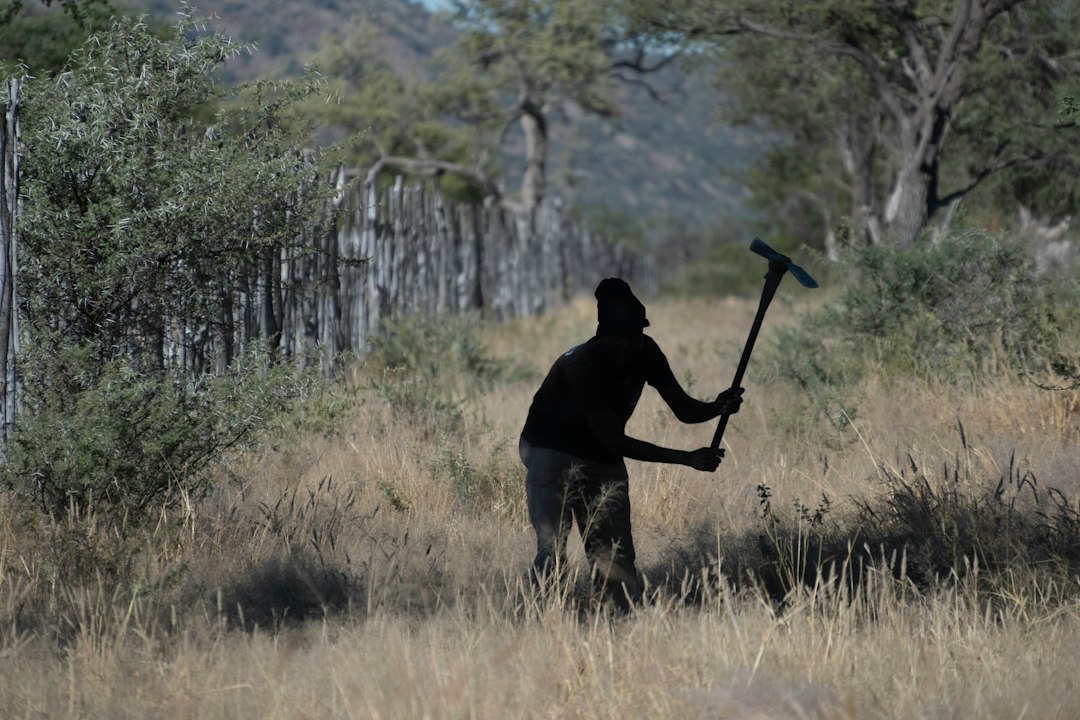
The primal landscape, shaped by the relentless forces of nature, presented early humans with an array of challenges. Among these, the management of waterways and the clearing of debris from riverbanks and floodplains were crucial for survival and prosperity. The constant flux of water, carrying sediment, fallen trees, and organic matter, could inundate crucial hunting grounds, disrupt fishing activities, and impede movement. To overcome these obstacles, prehistoric peoples developed a sophisticated understanding of their environment and ingeniously crafted tools to manipulate it. This article delves into the prehistoric toolkit specifically designed for clearing gravel banks and debris, exploring the ingenuity and effectiveness of these ancient implements.
The Environmental Imperative: Why Clearing Was Essential
The survival of prehistoric communities was intrinsically linked to their ability to harness and manage natural resources. River systems, while vital sources of water, food, and transportation, also posed significant threats. Seasonal floods, often unpredictable and violent, would reshape the landscape, depositing layers of gravel, silt, and organic debris along their banks. This accumulation could transform open areas, previously used for shelter construction or resource gathering, into impassable, waterlogged terrain.
Sustaining Habitation and Resource Access
Flooded riverbanks were not merely an inconvenience; they directly impacted a community’s ability to thrive. Prime locations for campsites, often chosen for their proximity to water and defensibility, could be rendered uninhabitable by constant inundation and the subsequent build-up of debris. The accumulation of mud and gravel could suffocate vegetation, destroying food sources for both humans and the animals they hunted. Furthermore, access to fish, a staple food for many prehistoric groups, would be hampered by obstructed waterways and the loss of viable fishing spots. The ability to clear these banks was therefore not a luxury but a necessity for maintaining stable settlements and ensuring a consistent supply of resources.
Facilitating Movement and Communication
Beyond habitation, efficient movement was paramount for prehistoric peoples. River valleys often served as natural corridors, facilitating travel between different territories and enabling trade or communication with neighboring groups. However, dense accumulations of driftwood, stones, and mud could create impassable barriers, forcing lengthy detours or rendering certain routes entirely unusable. Tools that enabled the clearing of these obstacles were therefore critical for maintaining connectivity and ensuring the flow of information and goods.
Adapting to Seasonal Cycles
The cyclical nature of rivers, with their predictable periods of high and low water, dictated the rhythms of prehistoric life. During dry seasons, efforts would likely focus on preparing for the impending rains, which might include deepening channels to improve drainage or clearing areas that would be submerged during the flood season. Conversely, after floods receded, extensive clearing would be required to reclaim land for habitation and foraging. This constant adaptation to the environmental calendar underscored the need for robust and effective clearing tools.
Prehistoric tools played a crucial role in the daily lives of early humans, particularly in tasks such as clearing gravel banks and debris to access resources. These tools, often made from stone, were essential for survival as they allowed our ancestors to manipulate their environment effectively. For a deeper understanding of how early humans interacted with their surroundings, you can explore the article on the significance of celestial navigation and resource management in ancient times, which can be found here: Exploring the Earth-Moon Lagrange Points.
Core Implementations: The Toolkit for Earth and Water
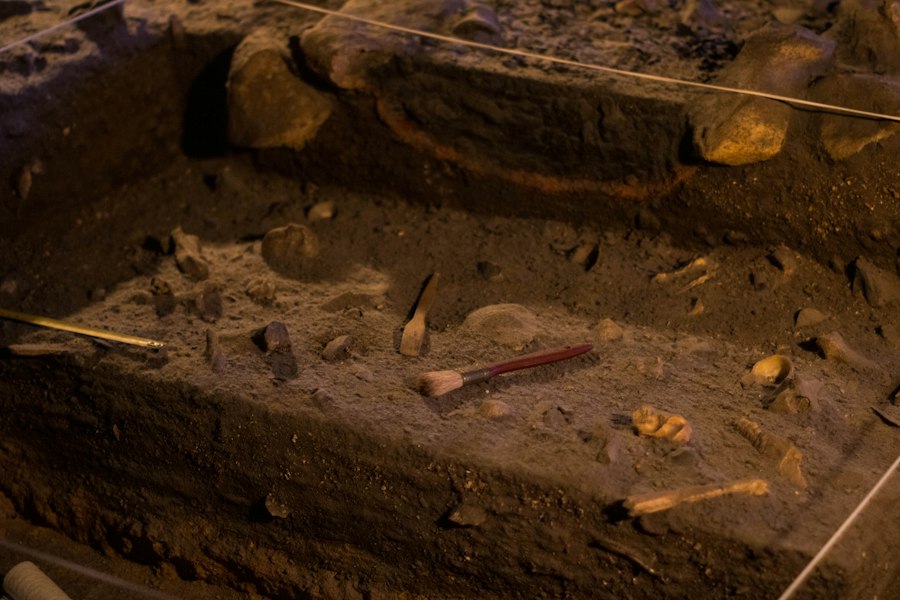
The prehistoric toolkit for clearing gravel banks and debris was not a single, monolithic entity but rather a collection of specialized tools, each designed for specific tasks. These implements, though often simple in their construction, demonstrate a profound understanding of material properties and mechanical principles. They were typically fashioned from readily available natural resources such as stone, wood, and bone, reflecting the ingenuity and resourcefulness of early toolmakers.
Stone Tools: The Enduring Workhorses
Stone was undoubtedly the primary material for many prehistoric tools, prized for its durability and ability to hold a sharp edge. For clearing tasks, various types of stone tools played crucial roles.
Hand Axes and Adzes for Breaking and Loosening
Hand axes, characterized by their teardrop shape and sharpened working edge, were fundamental multi-purpose tools. Their weight and robust construction made them ideal for breaking up compacted gravel, dislodging stubborn roots, and smashing larger debris. The user would grip the stone tool directly or haft it onto a wooden handle for increased leverage and impact. Adzes, with their curved cutting edge set perpendicular to the handle, were particularly effective for scooping and removing loosened material. Imagine an early human using an adze to efficiently scoop away layers of gravel and mud from a newly exposed riverbank, clearing the way for shelter construction. The repetitive scraping motion would be significantly more efficient than using bare hands or simpler tools.
Scrapers and Gouges for Fine-Tuning and Removal
Beyond the heavy-duty tasks, finer implements were also essential. Stone scrapers, with their sharp, flat edges, were used to meticulously clear away finer sediment, mud, and vegetation. These tools allowed for a more precise cleanup, essential for preparing surfaces for building or creating smooth pathways. Gouges, essentially specialized scrapers with a curved or U-shaped edge, were adept at digging out roots and excavating small depressions. These could be used to create drainage channels or to remove stubborn plant matter that had taken root in the gravelly soil. The ability to both break up and then efficiently remove material was key to effective clearing.
Wooden Tools: Versatility and Leverage
Wood, being lighter and more pliable than stone, offered a different set of advantages. While less durable for heavy abrasion, wooden tools were excellent for tasks requiring reach, leverage, and bulk material movement.
Levers and Probes for Dislodging and Reaching
Sturdy branches, often sharpened at one end, served as rudimentary levers to pry loose large stones or logs that were too heavy to be moved by hand alone. Longer, thinner branches could be used as probes to test the depth of water or mud, or to explore the composition of the riverbed before committing to extensive digging. The simple act of wedging a stout piece of wood beneath a large rock and applying pressure could significantly reduce the effort required to shift it.
Scoops and Paddles for Material Transport
Large, naturally cupped pieces of wood, or those skillfully shaped into shallow scoops, were invaluable for transporting loosened gravel and debris away from the cleared area. These could also be used to paddle through shallow water, further aiding in the clearing process. Imagine a series of these wooden scoops being used in a relay, with individuals passing loads of gravel to a designated disposal area further downstream. The efficiency of such a system, even in its rudimentary form, would be considerable.
Bone and Antler Tools: Precision and Durability
Bone and antler, derived from animal remains, offered a unique combination of strength, sharpness, and resilience. These materials were often shaped into tools for more intricate or demanding tasks.
Points and Chisels for Root Removal and Excavation
Sharpened bone or antler points could be used for meticulously digging out stubborn roots that stone tools might struggle to dislodge cleanly. They could also function as small chisels, allowing for precise removal of material or the creation of shallow grooves. The smooth, polished surface of bone or antler also made these tools comfortable to handle for extended periods.
Awls and Needles for Puncturing and Binding
While not directly for clearing large volumes of debris, bone awls and needles played a supporting role. They could be used to puncture tough root structures, making them easier to break or pull out. Furthermore, in the context of debris management, they might have been used to fashion bindings from plant fibers or animal sinew, enabling the creation of temporary barriers or the securing of larger pieces of debris for easier removal.
Advanced Techniques: Strategies for Efficient Clearing

Beyond the individual tools, prehistoric communities likely developed sophisticated strategies and techniques to maximize their clearing efforts. These involved understanding the dynamics of water, soil, and debris, and employing cooperative labor.
Harnessing Water Flow: Redirecting and Excavating
The very force that created the debris could also be utilized to remove it. Prehistoric peoples would have observed how water naturally carried away loose material. They likely employed techniques to subtly redirect water flow, creating channels that would naturally wash away finer sediments and smaller debris. This might have involved digging shallow trenches or strategically placing larger stones to guide the current.
Creating Drainage Channels
The ability to create drainage channels was fundamental. By excavating narrow, shallow ditches, they could effectively divert water away from a cleared area, preventing it from becoming waterlogged again. These channels would also serve to carry away loosened gravel and mud, reducing the manual labor required for removal. The placement and gradient of these channels would have been carefully considered, demonstrating an intuitive understanding of hydrology.
Utilizing Flood Cycles to Their Advantage
While floods presented challenges, they could also be a powerful force for clearing if understood and managed. Post-flood scenarios would present a prime opportunity to clear the accumulated debris while the ground was still soft and the water still had some residual flow. They might have also actively cleared areas that they knew would be inundated, preparing them for easier recovery once the waters receded.
Cooperative Labor and Task Specialization
Clearing large areas of gravel banks and debris was a significant undertaking, likely requiring the coordinated efforts of a community. Task specialization would have been crucial, with individuals focusing on specific roles. Some might have been responsible for heavy lifting and dislodging, others for scooping and transport, and yet others for the finer cleanup.
Group Effort in Shifting Large Obstacles
Moving large logs, boulders, or tightly packed masses of debris would have been significantly easier with multiple individuals working in unison. Cooperative leverage, coordinated pushing and pulling, and the strategic use of levers would have been essential for overcoming these formidable obstacles. The development of communal labor strategies highlights the social organization of prehistoric societies.
The Power of Collective Excavation
Even for tasks that could be done individually, collective excavation would have greatly sped up the process. Imagine a line of people, each with their own scraper or scoop, systematically working their way across a riverbank, moving a continuous stream of material. This organized approach would have transformed a daunting task into a manageable and efficient operation.
The Long-Term Impact: Shaping Landscapes and Societies
The persistent efforts of prehistoric peoples in clearing gravel banks and debris had a profound and lasting impact, not only on their immediate environment but also on the trajectory of human development. These seemingly mundane tasks laid the groundwork for more complex societal structures and technological advancements.
Enabling Sedentary Lifestyles and Agriculture
The ability to consistently clear and manage riverbanks was a crucial step towards sedentary lifestyles and, eventually, the development of agriculture. By securing arable land along fertile river valleys, communities could begin to cultivate crops, reducing their reliance on nomadic hunting and gathering. This stability allowed for the development of permanent settlements and the accumulation of surplus resources.
Foundation for Early Infrastructure
The skills honed in clearing debris were fundamental to the development of early infrastructure. The creation of pathways, the leveling of ground for shelters, and the construction of rudimentary flood defenses all stemmed from this basic understanding of earthmoving and material manipulation. These early efforts laid the groundwork for more complex engineering feats in later periods.
A Testament to Human Ingenuity and Adaptability
Ultimately, the prehistoric tools and techniques for clearing gravel banks and debris stand as a powerful testament to human ingenuity, adaptability, and our innate drive to shape our environment. Faced with the challenges of a dynamic and often unforgiving world, early humans did not merely survive; they innovated, collaborated, and ultimately, thrived. Their legacy is etched not only in the archaeological record but also in the very landscapes they so diligently shaped.
Prehistoric tools played a crucial role in the daily lives of early humans, particularly in tasks such as clearing gravel banks and debris to create usable land. These tools, often made from stone, were essential for survival and resource management. For a deeper understanding of how ancient technologies influenced modern practices, you might find it interesting to explore this related article on manufacturing wages in different countries, which highlights the evolution of tool-making and labor over time. You can read more about it here.
Evolution and Legacy: From Stone to Steel
| Tool Name | Material | Estimated Age | Primary Use | Region Found | Typical Size (cm) |
|---|---|---|---|---|---|
| Hand Axe | Flint | 1.5 million years ago | Clearing gravel and debris, cutting wood | Africa, Europe | 10-20 |
| Chopper | Basalt | 1.7 million years ago | Breaking gravel banks, debris removal | Africa | 15-25 |
| Scraper | Flint | 300,000 years ago | Cleaning surfaces, clearing small debris | Europe, Asia | 5-10 |
| Adze | Stone | 50,000 years ago | Shaping wood, clearing gravel banks | Australia, Southeast Asia | 15-30 |
| Digging Stick | Wood | 100,000 years ago | Removing debris, loosening gravel | Worldwide | 30-50 |
While this article focuses on the prehistoric era, it is important to acknowledge the evolutionary trajectory of these clearing tools. The fundamental principles established by early humans continued to inform tool development for millennia.
The Continuum of Clearing Technology
The hand axe and adze, foundational tools of prehistory, evolved into more specialized forms such as picks, mattocks, and hoes in later periods. Wooden scoops and levers found their mechanical successors in more robust and precisely engineered implements made from metal. The core concept of using leverage, sharp edges, and controlled force to move earth and debris remained constant.
The Transition to Metal and Mechanization
The advent of metalworking marked a significant leap in the efficiency and durability of clearing tools. Bronze and iron implements were stronger, sharper, and could withstand greater wear and tear than their stone counterparts. This paved the way for more ambitious land management projects and, eventually, the mechanization of labor with the development of engines and heavy machinery. However, the fundamental understanding of the task, the principles of leverage, and the need for efficient material removal can be traced directly back to the ingenuity of our prehistoric ancestors. Their legacy is the silent bedrock upon which much of human civilization has been built, demonstrating that even the most basic necessities can drive remarkable innovation.

Life 20,000 Years Ago | When an Ice Age Wildfire Traps Your Primitive Family
FAQs
What types of prehistoric tools were used for clearing gravel banks?
Prehistoric people utilized a variety of tools for clearing gravel banks, including hand axes, chisels, and scrapers made from stone. These tools were often crafted from flint or other durable materials, allowing them to effectively break apart and remove debris.
How did prehistoric humans create these tools?
Prehistoric humans created tools through a process known as knapping, where they struck stones to shape them into sharp edges. This technique allowed them to produce tools that were effective for cutting and scraping, essential for clearing gravel and debris.
What were the primary uses of these tools beyond clearing gravel banks?
In addition to clearing gravel banks, these prehistoric tools were used for various purposes, including hunting, butchering animals, and processing plant materials. Their versatility made them essential for survival in prehistoric environments.
How did the design of these tools evolve over time?
The design of prehistoric tools evolved as humans gained more knowledge and experience in tool-making. Over time, tools became more specialized, with improvements in shape and material that enhanced their effectiveness for specific tasks, including clearing debris.
What archaeological evidence supports the use of these tools for clearing debris?
Archaeological evidence, such as tool remnants found in sediment layers near ancient riverbanks and gravel deposits, supports the use of these tools for clearing debris. Additionally, wear patterns on the tools indicate their use in activities related to excavation and material removal.