
The flickering firelight painted dancing shadows on the cave walls as early humans, their faces etched with the raw determination of survival, meticulously chipped away at stone tools. These were not isolated acts of individual ingenuity; they were the nascent stirrings of a complex web that would eventually bind continents and shape the very trajectory of civilization. For millennia, this fundamental human drive for connection, for the acquisition of what one lacked and the sharing of what one possessed, remained largely veiled in the mists of prehistory. But a groundbreaking documentary, “Prehistoric Trade: Uncovering Ancient Exchange Networks,” promises to illuminate these often-overlooked foundations of human progress, revealing how the earliest forms of trade laid the groundwork for sophisticated societies, cultural diffusion, and the very concept of global interconnectedness.
The film embarks on an ambitious journey across continents and through millennia, employing cutting-edge archaeological techniques, vivid reconstructions, and expert analysis to illustrate the profound impact of early exchange networks. It challenges the romanticized image of isolated hunter-gatherer bands, instead presenting a nuanced portrait of mobile communities actively engaged in a dynamic system of bartering, gifting, and, eventually, more formalized trade. From the procurement of exotic pigments and durable stone for tools to the exchange of ideas and rituals, “Prehistoric Trade” argues that human history is, in large part, a story of movement, interaction, and the relentless pursuit of resources and relationships beyond one’s immediate grasp.
The film’s opening chapters delve into the earliest evidence of prehistoric exchange, pushing back the timeline of trade beyond what was previously assumed. Moving beyond the simplistic notion of individuals only interacting for immediate survival needs, the documentary highlights a remarkable foresight and strategic planning evident in the procurement of materials.
The Allure of Exotic Goods: Status and Utility
“Prehistoric Trade” meticulously details the discovery of raw materials, such as obsidian, flint, and chert, often found hundreds, even thousands, of miles from their origin points. These were not merely items of utility; the documentary emphasizes their role as indicators of social status and prestige. The ability to possess and display objects made from rare or difficult-to-acquire materials signaled an individual’s or group’s reach, influence, and access to distant networks. Expert interviews explain how the sheen of polished obsidian or the sharp edge of a finely knapped flint tool could elevate its owner, serving as a tangible representation of their connections.
Early Navigation and Routes: Journeys of Necessity and Discovery
The film vividly illustrates the incredible journeys undertaken by prehistoric peoples to obtain these coveted items. It showcases early maritime technology, from rudimentary rafts to more sophisticated dugout canoes, and the development of land-based routes that traversed challenging terrains. Archaeologists involved in the film discuss how the consistent discovery of specific types of stone in particular locations allowed them to map out ancient migration patterns and trade arteries. These routes, initially forged out of necessity for obtaining vital resources, gradually evolved into established pathways for the regular movement of goods and people, laying the groundwork for future exploration and expansion.
The Evolution of Barter: From Reciprocity to Transaction
The documentary meticulously traces the evolution of exchange mechanisms. It begins with the concept of reciprocity, where goods are exchanged based on social relationships and obligations, often in a reciprocal gifting system. This is followed by an exploration of more direct barter, where tangible goods are directly traded for other tangible goods. The film uses animated sequences to illustrate how early transactions might have unfolded, focusing on the negotiation of value based on perceived need, rarity, and craftsmanship. This gradual shift from obligation-based exchange to more transactional interactions is presented as a crucial step in the development of more complex economic systems.
In exploring the fascinating world of prehistoric trade, one can gain insights into the evolution of economic systems and the importance of resource exchange among ancient societies. For a deeper understanding of trade dynamics and their implications on modern economies, you might find the article on securing U.S. economic survival particularly relevant. This article discusses strategies to strengthen domestic manufacturing and reduce reliance on foreign imports, which can be seen as a modern parallel to the trade practices of our ancestors. You can read more about it here: Securing U.S. Economic Survival.
Material Culture as a Window into Trade Networks
One of the documentary’s most compelling arguments lies in its use of material culture as a primary lens through which to understand prehistoric trade. The objects themselves, unearthed and meticulously analyzed, become silent witnesses to ancient interactions.
The Provenance of Stone: Tracing the Origins of Tools
The film’s central thesis often hinges on the geographical origin of stone tools. Through sophisticated geological analysis, archaeologists can pinpoint the exact source of the raw materials used in crafting axes, arrowheads, and scrapers. “Prehistoric Trade” showcases a remarkable example where tools found in a settlement thousands of miles from the nearest known quarry led researchers to identify a previously unknown trade route, demonstrating the extensive reach of these ancient networks. The documentary emphasizes that these stone tools were not just functional items but highly valued commodities, often carrying significant artistic and symbolic weight.
The Significance of Shells and Beads: Emblems of Connection and Status
Beyond stone, the documentary sheds light on the importance of other trade items, such as shells, beads, and ochre. These materials, often non-essential for immediate survival, served as powerful indicators of social status, wealth, and connection to distant places. The presence of specific types of marine shells in inland settlements, for instance, can only be explained through long-distance transport, highlighting the importance of established trade routes. The film explores how the intricate crafting of beads and pendants transformed these natural objects into highly sought-after items, often used in ceremonies and as markers of identity.
Ochre and Pigments: The Palette of Prehistoric Exchange
The procurement of ochre and other natural pigments is also explored as a significant aspect of prehistoric trade. The documentary details how these vibrant substances, used for body painting, cave art, and decorative purposes, were often sourced from specific geological locations, necessitating travel and exchange to acquire them. The film posits that the demand for these colors could have been a driving force in establishing and maintaining trade routes, connecting communities through shared aesthetic desires and symbolic practices. The ability to adorn oneself or one’s living space with vibrant colors signified not only artistic inclination but also access to resources and connections beyond the local environment.
The Social and Cultural Ramifications of Trade

“Prehistoric Trade” powerfully argues that the impact of these ancient exchange networks extended far beyond the purely economic. They fundamentally reshaped social structures, facilitated the spread of ideas, and fostered cultural exchange.
The Rise of Specialization: From Generalist to Expert
As trade routes became established and the availability of diverse resources increased, the documentary suggests a gradual shift towards specialization within communities. Individuals or groups might have focused on crafting specific tools, cultivating particular crops, or developing unique skills that could be exchanged for other necessities. This early form of economic specialization, facilitated by trade, would have laid the foundation for more complex societal organization and the development of specialized roles. The film provides compelling examples of how certain materials, like finely worked pottery or intricately carved bone, became associated with specific groups who possessed the knowledge and resources to produce them.
The Diffusion of Technology and Ideas: Beyond Material Goods
The film emphasizes that trade was not solely about the movement of tangible goods. It was also a potent vehicle for the diffusion of technology, knowledge, and abstract ideas. As people traveled along trade routes, they encountered different ways of doing things, different problem-solving approaches, and different belief systems. This cross-pollination of ideas led to innovation and the adoption of new technologies across vast distances. For instance, the spread of agricultural techniques or particular methods of toolmaking can often be traced back to these early exchange networks. The documentary uses animated sequences to illustrate how concepts, rather than just objects, could migrate and evolve through human interaction.
The Formation of Alliances and Social Hierarchies
The ability to establish and maintain successful trade networks provided leaders with significant power and influence. The documentary explores how control over valuable resources and the maintenance of cordial relationships with distant communities could lead to the formation of alliances and the solidification of social hierarchies. Those who could effectively manage trade routes and ensure the flow of goods were likely to hold positions of prominence within their societies, influencing decision-making and directing resource allocation. The film presents archaeological evidence, such as the presence of elite burials containing exotic goods, as indicators of such power structures.
Case Studies: Unveiling Global Connections
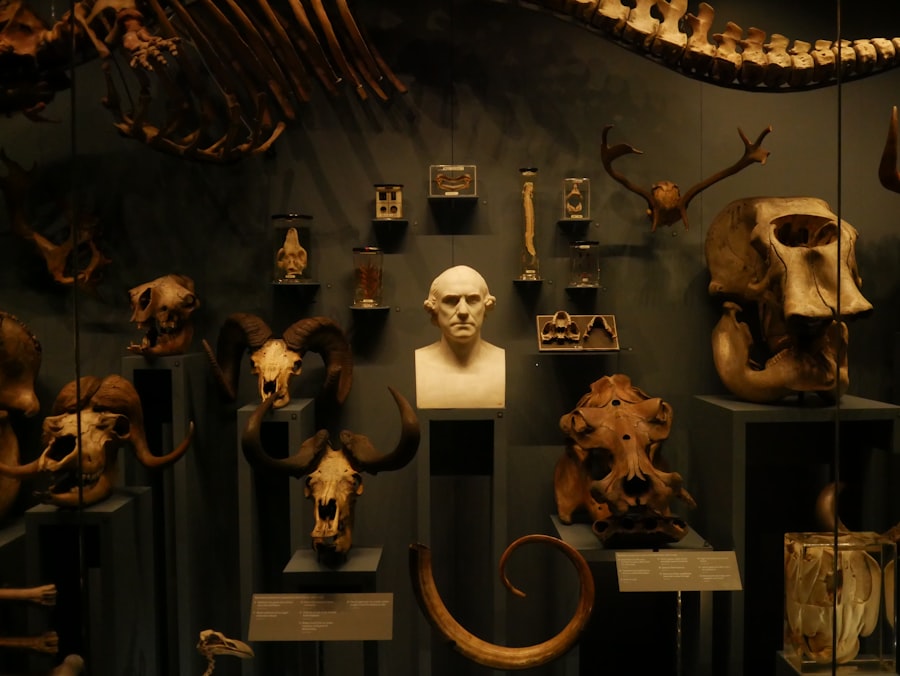
The documentary dedicates significant portions to detailed case studies, where specific archaeological sites and the evidence they contain are brought to life, illustrating the intricate nature of prehistoric trade networks on a grand scale.
The Fertile Crescent: Crossroads of the Ancient World
The film highlights the Fertile Crescent as a prime example of a region that thrived due to its strategic location and established trade routes. Its access to diverse resources, coupled with its position as a nexus between different cultures and environments, fostered a vibrant exchange of goods, technologies, and ideas. “Prehistoric Trade” showcases how the domestication of plants and animals, as well as early technological innovations, likely spread rapidly through the region due to the constant flow of people and goods along established pathways. The documentary uses detailed maps and reconstructions to illustrate the complex web of interactions within this pivotal region.
The Americas: Vast Distances and Remarkable Exchange
The Americas, with their immense geographical diversity, provide another compelling case study. The documentary explores the extensive trade networks that existed across North, Central, and South America, connecting communities through the exchange of essential resources like salt, obsidian, jade, and foodstuffs. It challenges the notion of isolated indigenous cultures, instead presenting a picture of interconnected societies engaged in regular and sophisticated trade. The film details specific examples, such as the long-distance movement of turquoise from the American Southwest to Mesoamerica, highlighting the entrepreneurial spirit and navigational skills of these ancient peoples.
Oceania: The Great Voyages and Island Networks
The extraordinary voyages of the Austronesian peoples across the vast Pacific Ocean are presented as a testament to the human drive for exploration and exchange. “Prehistoric Trade” explains how these skilled mariners established complex networks connecting islands separated by thousands of miles, exchanging not only goods but also cultural practices, languages, and genetic diversity. The documentary delves into the types of canoes used, the navigational techniques employed, and the symbolic importance of the traded items, showcasing the incredible ingenuity and interconnectedness of these island societies. The film uses CGI reconstructions to bring these epic voyages to life, emphasizing the remarkable scope of prehistoric trade.
In exploring the fascinating world of prehistoric trade, one cannot overlook the significant advancements in engineering that facilitated these early exchanges. A related article delves into the remarkable hydraulic engineering marvels of ancient civilizations, shedding light on how these innovations supported trade routes and agricultural practices. To learn more about these incredible achievements, you can read the full article here. Understanding these connections enriches our appreciation of how ancient societies thrived through trade and technology.
The Lasting Legacy of Ancient Exchange
| Trade Route | Goods Traded | Distance Traveled |
|---|---|---|
| Silk Road | Silk, spices, precious metals | 4,000 miles |
| Amber Road | Amber, salt, ceramics | 1,600 miles |
| Trans-Saharan Trade Route | Gold, salt, ivory | 3,000 miles |
The documentary culminates by underscoring the profound and enduring legacy of prehistoric trade. The foundations laid by these early exchange networks continue to shape the modern world in ways that are often unrecognized.
The Birth of Globalization: Precursors to the Modern World
“Prehistoric Trade” argues that the earliest forms of human exchange were the true precursors to modern globalization. The impulse to connect, to share, and to acquire what lies beyond one’s immediate reach is a fundamental human characteristic that has driven progress throughout history. The film suggests that the intricate web of trade established in prehistory created a precedent for interconnectedness, fostering the eventual development of larger social and political entities, and ultimately paving the way for the globalized world we inhabit today. The documentary emphasizes how the concept of a “global village” has deep roots in these ancient patterns of interaction.
The Importance of Interconnectivity in Human Evolution
The documentary posits that interconnectivity, facilitated by trade, played a crucial role in human evolution itself. The exchange of genes, ideas, and technologies allowed human populations to adapt to diverse environments, overcome challenges, and develop increasingly complex societies. The film suggests that societies that were more open to exchange and interaction were often more resilient and innovative, demonstrating the evolutionary advantage of cooperation and shared resources. The documentary presents a compelling argument that our shared human story is intrinsically linked to our ability to connect and trade across distances.
A Call to Understand Our Shared Past
“Prehistoric Trade: Uncovering Ancient Exchange Networks” is more than just a documentary; it is a vital reminder of our shared human heritage. By illuminating the often-invisible threads of ancient exchange, the film encourages a deeper appreciation for the ingenuity, resilience, and interconnectedness of our ancestors. It is a call to recognize that the foundations of our modern world were laid not in isolation, but through the vibrant, dynamic, and often awe-inspiring exchanges that have been a hallmark of human civilization since its very beginnings. The documentary leaves the viewer with a profound sense of wonder at the breadth and depth of these ancient networks and a renewed understanding of the forces that have shaped humanity.

How Volcanic Glass Solved a 10,000-Year-Old Mystery
FAQs
What is the prehistoric trade documentary about?
The prehistoric trade documentary explores the ancient trade networks and exchange of goods among prehistoric societies. It delves into the methods of trade, the types of goods traded, and the impact of trade on early human civilizations.
What time period does the prehistoric trade documentary cover?
The prehistoric trade documentary covers the time period before written records, typically referred to as prehistory. This includes the Paleolithic, Mesolithic, and Neolithic periods, as well as the Bronze Age and Iron Age.
What evidence is presented in the prehistoric trade documentary?
The documentary presents archaeological evidence such as artifacts, tools, and ancient trade routes. It also discusses scientific analyses of materials found at archaeological sites, as well as evidence of cultural exchange and interaction between different prehistoric societies.
What are some key takeaways from the prehistoric trade documentary?
Some key takeaways from the prehistoric trade documentary include the significance of trade in shaping early human societies, the development of specialized production and exchange of goods, and the role of trade in cultural diffusion and the spread of ideas.
Where can I watch the prehistoric trade documentary?
The prehistoric trade documentary may be available for streaming on various platforms such as streaming services, educational websites, or through purchase as a DVD or digital download. Check with your local library or educational institutions for access to the documentary.