The biting winds of the Pleistocene often swept across vast, frozen landscapes, a formidable adversary for early humans. Survival in these harsh environments depended on a sophisticated understanding of their surroundings, and perhaps most critically, on their ability to craft effective protection against the elements. Prehistoric winter clothing, a testament to ingenuity and resourcefulness, was not a simple matter of throwing on a tunic. Instead, it involved a complex, multi-layered system, primarily utilizing animal hides, meticulously prepared and skillfully assembled to trap precious body heat. This was an era where warmth was not a luxury, but a fundamental requirement for life itself.
The development of such clothing was intrinsically linked to the hunting prowess of these early hominins. Successful procurement of animals provided not only sustenance but also the raw materials for shelter and apparel. The hides of large mammals like mammoths, woolly rhinoceroses, and various species of deer were invaluable. These animals, adapted to cold climates, possessed thick furs and substantial hides that offered excellent insulation. The process of transforming these raw hides into wearable garments was a lengthy and labor-intensive undertaking, requiring a deep knowledge of animal anatomy and hide preparation techniques that would have been passed down through generations. The very survival of communities depended on the successful mastering of these skills, ensuring that individuals could withstand the frigid temperatures long enough to hunt, gather, and thrive.
The Foundation of Warmth: Selecting and Preparing Hides
The primary building block of any prehistoric winter garment was the animal hide. The selection of the appropriate animal was the first crucial step. Different animals offered distinct advantages. Mammoths, for example, provided massive hides with incredibly thick fur, offering unparalleled insulation. These were likely reserved for the most extreme conditions or for creating communal shelters. Woolly rhinoceroses, similarly adapted to frigid environments, offered similarly robust pelts. Deer, a more common prey for many hominin groups, provided hides that were more manageable and versatile, suitable for a wider range of clothing items. The size and species of the animal directly influenced the scale and type of clothing that could be produced.
Understanding Animal Anatomy for Clothing Design
The successful utilization of an animal hide went beyond simply skinning the creature. Prehistoric peoples possessed an intimate understanding of animal anatomy, which was directly translated into their clothing design. They would have recognized the areas of the hide that offered the best insulation. For instance, the belly fur of many animals is denser and softer, providing superior warmth compared to the coarser hair on their backs. Similarly, areas with thicker fur, such as the mane of a horse or the neck of a deer, might have been strategically utilized. They would have understood how to remove the hide with minimal damage to the fur-bearing layers and how to preserve the integrity of the pelt. The shape of the hide itself would have dictated the initial patterns. A large, relatively flat hide might be cut and stitched into a basic cloak, while smaller, more awkwardly shaped pieces could be pieced together for more intricate garments.
The Art of Hide Tanning and Preservation
Once procured, raw hides were a perishable commodity, susceptible to rot and decay. A critical step in preparing them for clothing was tanning, a process that stabilized the hide, making it durable and resistant to decomposition. While direct archaeological evidence of prehistoric tanning methods is scarce, inferences can be drawn from later cultures and the properties of preserved hides. One likely method involved the use of animal brains. Brains are rich in fats and proteins that, when worked into the hide, help to break down connective tissues and lubricate the fibers, making the leather soft and pliable. Another probable technique involved smoking the hides. Exposing them to smoke, perhaps from damp wood, could have introduced antimicrobial compounds, preventing rot and also adding a degree of water resistance. Rubbing the hides with natural oils and fats, likely from animal blubber or rendered fat, would have further increased their suppleness and waterproofing. The process was likely iterative, involving repeated scraping, stretching, and the application of these agents over an extended period. The scent of smoke and rendered fat would have been a familiar olfactory signature in prehistoric settlements, signaling the ongoing work of clothing production.
Prehistoric humans faced the harsh realities of winter climates, prompting them to develop innovative clothing solutions using animal hides. Layering these materials not only provided insulation but also allowed for flexibility and mobility in their daily activities. For a deeper understanding of how ancient societies adapted to climate challenges, you can explore the article on historical perspectives regarding climate crises and their lessons for modern times at Lessons from Ancient Climate Crisis: A Historical Perspective.
The Power of Layers: Building Insulation
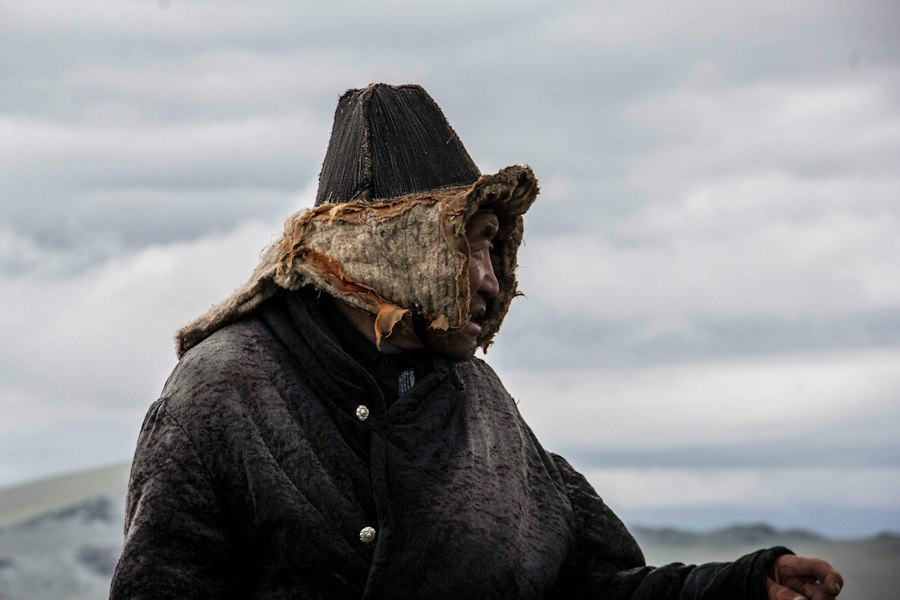
The concept of layering is fundamental to effective insulation in cold climates, and prehistoric peoples were masters of this technique. Rather than relying on a single thick garment, they would have constructed their winter attire from multiple, distinct layers, each serving a specific purpose in trapping and retaining body heat. This layered approach allowed for adaptability, enabling individuals to adjust their insulation based on activity levels and ambient temperature. A hunter actively pursuing prey would shed layers to prevent overheating and sweating, which could lead to hypothermia when activity ceased. Conversely, during periods of rest or in exceptionally cold conditions, all layers would be worn to maximize warmth.
The Innermost Layer: Next-to-Skin Comfort and Moisture Wicking
The layer closest to the skin played a vital role in comfort and managing moisture. While direct evidence of specific fabrics for this layer is rare, it is highly probable that softer, finer furs were utilized. The pelts of smaller animals like rabbits, hares, or even birds, with their downy undercoats, would have been ideal. These materials are soft against the skin, reducing chafing, and their fine fibers are excellent at trapping small pockets of air, providing initial insulation. Crucially, they would have also helped to wick moisture away from the body. Even in cold weather, the human body produces sweat. If this sweat remains against the skin, it can rapidly cool the body, leading to hypothermia. A good inner layer would absorb this moisture and transfer it to outer layers, where it could evaporate more slowly, minimizing heat loss. The preparation of these finer furs would have involved careful scraping to remove any remaining flesh and fat, followed by softening and potentially light tanning. The stitching of these smaller hides would have required finer bone needles and sinew threads.
The Mid-Layer: Bulk Insulation and Heat Retention
The primary function of the mid-layer was to provide substantial insulation and trap body heat. This layer would have been constructed from larger, thicker hides with dense fur. Pelts from animals like deer, wolves, or foxes, known for their thick coats, would have been ideal. These garments might have taken the form of tunics, vests, or even full-body suits, depending on the climate and available resources. The fur would have been worn facing inwards, directly against the inner layer, to maximize the trapping of warm air. The bulk of this layer was crucial; the thicker the fur and the more trapped air, the better the insulation. The way these hides were cut and stitched would have been designed to minimize gaps and drafts. Sleeves and leg coverings would have been essential, preventing heat loss from the extremities. The construction would have involved robust stitching with sinew to create durable seams capable of withstanding the rigors of daily life.
The Outermost Layer: Protection from the Elements
The outermost layer served as the primary defense against wind, rain, and snow. This layer needed to be relatively windproof and water-resistant. Hides from animals with naturally denser, coarser outer fur, such as the mammoth or woolly rhinoceros, would have been highly prized for this purpose. These pelts would have been worn with the fur facing outwards, offering a barrier against the elements. The thickness of the hide and the density of the outer fur would have provided a degree of waterproofing as rain and snow would have difficulty penetrating the dense coat. However, complete waterproofing was likely not achievable. Instead, the goal was to minimize the amount of moisture that reached the inner layers. These outer garments might have been simpler in construction, designed to be easily donned and doffed. Capes, ponchos, or large, enveloping cloaks would have provided comprehensive coverage. The strategic placement of thicker hides at the shoulders and chest, areas most exposed to the wind, would have been a common practice.
Craftsmanship and Tools: The Art of Hide Working
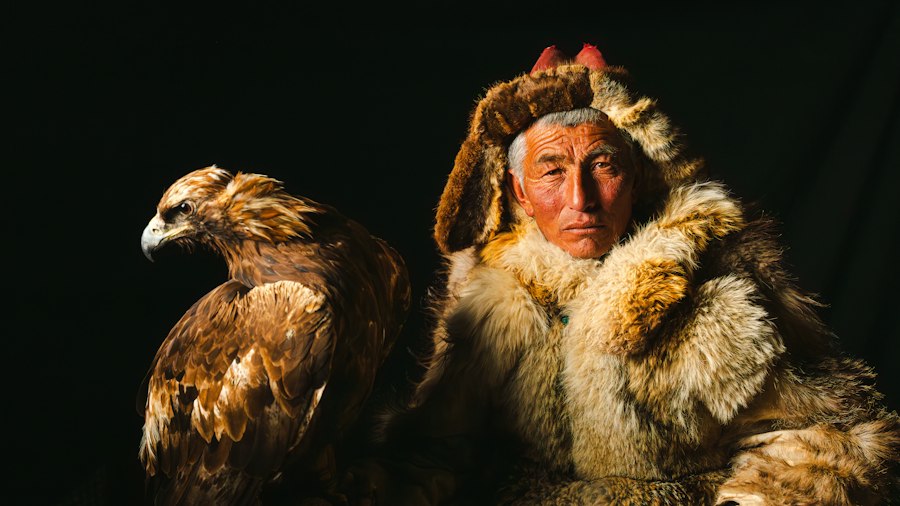
The ability to transform raw animal hides into functional clothing was a testament to the remarkable craftsmanship and the sophisticated tools developed by prehistoric peoples. This was not a passive process; it required skill, patience, and the right implements to manipulate the tough materials. The entire lifecycle of clothing production, from the initial processing of the hide to the final stitching, relied on a suite of specialized tools that were honed and perfected over millennia. The development of these tools was as crucial to survival as the invention of fire or the creation of projectile weapons.
Scraping and Cleaning: Preparing the Canvas
Before any tanning or stitching could begin, the raw hide needed to be meticulously cleaned of all flesh, fat, and membrane. This was a painstaking process that would have been done using sharp stone tools. Scrapers, made from flaked flint, chert, or obsidian, would have been the primary implements. These tools often had a sharp edge, and their shape could vary. Some might have been broad and flat, designed for scraping large areas, while others could have been more specialized, with a curved edge for following the contours of the hide. The process involved drawing the scraper firmly across the flesh side of the hide, systematically removing any adhering tissue. This was a labor-intensive task that required significant strength and precision to avoid cutting through the hide itself. The process would have been repeated until the hide was completely clean and smooth.
Pounding and Softening: Achieving Pliability
Once cleaned, hides were often stiff and brittle. To make them pliable and suitable for clothing, they needed to be further processed through pounding and stretching. This would have been achieved using heavy stone implements, such as pounders or anvils. A large, smooth stone might have been used as an anvil, upon which the hide was placed, and then struck repeatedly with a heavy stone pounder. This action would have broken down the tough collagen fibers within the hide, making it more flexible. Alternatively, the hide might have been stretched and twisted, a process often facilitated by running it over a rounded log or beam, while simultaneously pounding it with smaller stones. This repeated manipulation, combined with the application of fats and oils during the tanning process, would have gradually transformed the stiff pelt into a soft, supple material ready for tailoring.
Stitching and Assembly: Bringing it all Together
The final stage of clothing construction involved joining the prepared hide pieces together to form garments. This required needles and thread, ingeniously crafted from natural materials. Needles were typically made from bone, antler, or ivory. These would have been painstakingly shaped and sharpened, with a small hole bored at one end to accommodate the thread. The thread itself was usually made from animal sinew – the strong, fibrous connective tissue found in animal tendons. Sinew, when dried and separated into fine strands, could be used as a strong and durable thread. It was often twisted to increase its strength. In some cases, thin strips of hide itself might have been used as thread. The stitching techniques employed would have been strong and functional, designed to withstand the stresses of wear and movement. Overlapping seams, where the edges of the hide were placed one over the other and then stitched, would have provided extra strength and reduced the risk of tearing. Blanket stitches or whip stitches were likely common, creating a secure and durable garment. The ability to create fitted garments, rather than just simple wraps, would have been a significant advancement, allowing for better insulation and greater freedom of movement.
Variations in Garments: Adapting to Environment and Culture
While the fundamental principles of layering animal hides remained consistent, the specific forms and styles of prehistoric winter clothing would have varied considerably. These variations were driven by a complex interplay of factors, including the local environment, the available animal resources, and the cultural practices of different hominin groups. What constituted ideal winter attire in the frigid Arctic would have differed significantly from that worn in a less extreme, temperate cold.
Regional Adaptations: From Tundra to Forest
The geographical location played a crucial role in shaping clothing styles. In the harsh, open tundras of the high latitudes, where winds were relentless and temperatures plummeted, clothing would have been designed for maximum coverage and insulation. Large, full-body suits, perhaps made from mammoth or thick-furred ungulate hides, would have been essential. These might have included attached hoods and mittens, minimizing any exposed skin. In more forested regions, where shelter was more readily available and prey might have included smaller, more agile animals like deer, clothing might have been more varied. Layered tunics, trousers, and cloaks made from a combination of deer and smaller animal hides would have been practical. The availability of specific animal species would also have dictated material choices; a coastal group might have utilized seal or sea otter hides, known for their excellent waterproofing and insulation in damp, cold conditions.
Cultural Significance: Beyond Mere Functionality
While functionality was paramount, clothing in prehistoric societies also held cultural significance. The embellishment of garments, though perhaps less elaborate than in later periods, likely existed. The arrangement of furs, the use of decorative stitching, or the incorporation of small bone or shell ornaments could have served to denote status, tribal affiliation, or even spiritual beliefs. The intricate patterns of fur on certain animal hides might have been intentionally preserved and displayed. Furthermore, certain garments might have been reserved for specific occasions, such as hunting rituals or ceremonies. The acquisition and preparation of hides for clothing would have been a communal undertaking, fostering social cohesion and reinforcing group identity. The skills involved in hide working would have been highly valued, with master craftspeople potentially holding positions of respect within their communities.
In exploring the ingenuity of prehistoric peoples, one fascinating aspect is their use of animal hides for winter clothing layering, which provided essential warmth and protection against the elements. This practice not only highlights their resourcefulness but also reflects a deep understanding of their environment. For a broader perspective on how societies adapt to challenges, you might find this article on the potential consequences of state collapse insightful, as it discusses the resilience and adaptability of communities in the face of adversity. You can read more about it here.
The Legacy of Prehistoric Clothing: Foundations for Modern Apparel
| Layer | Material | Purpose | Typical Thickness | Thermal Insulation | Durability |
|---|---|---|---|---|---|
| Base Layer | Soft animal hides (e.g., deer or rabbit skin) | Moisture wicking and comfort | 2-4 mm | Moderate | Medium |
| Middle Layer | Thicker hides with fur (e.g., reindeer or bison) | Insulation and warmth retention | 5-10 mm | High | High |
| Outer Layer | Water-resistant hides (e.g., seal or elk skin) | Protection from wind, snow, and moisture | 6-12 mm | Moderate | Very High |
The ingenuity displayed by prehistoric peoples in their approach to winter clothing laid the groundwork for many of the principles that still govern modern apparel. The concept of layering, for instance, is a cornerstone of contemporary outdoor wear, from the base layers that wick moisture to the insulated mid-layers and the protective outer shells. The meticulous preparation of materials, the understanding of insulation properties, and the focus on durability are all echoes of their pioneering efforts.
The Enduring Principle of Layering
The prehistoric understanding that multiple layers of insulation are more effective than a single thick garment is a principle that remains unchallenged in the design of modern clothing. Today’s technical fabrics mimic the function of animal furs, with base layers designed to manage moisture, fleece and down jackets providing bulk insulation, and waterproof-breathable shells offering protection from the elements. This hierarchical approach to insulation allows for unparalleled adaptability, enabling individuals to remain comfortable across a wide range of temperatures and activity levels. The prehistoric hunter, shedding or adding layers as their exertion dictated, was embodying the same fundamental principles that guide the modern mountaineer or skier.
Material Innovation and Adaptation
While modern technology has introduced synthetic materials, the inspiration often draws from nature, much like it did for our ancestors. The pursuit of lightweight, durable, and highly insulative materials continues. While we no longer primarily rely on animal hides, the very qualities that made them valuable – their natural insulating properties, their inherent strength, and their ability to adapt to the body – are the benchmarks against which new materials are measured. The development of breathable waterproof membranes, for example, can be seen as an evolution of the desire for outer layers that could shed moisture while allowing the body to breathe, a challenge our ancestors tackled with dense outer furs. The legacy of prehistoric clothing is not just in the historical record but in the very fabric of the garments we wear today, a testament to the enduring power of human innovation in the face of environmental challenge.