## The Frozen Pantry: Adapting to Ice Age Sustenance
The image of prehistoric humans often conjures visions of sun-drenched savannas, where megafauna roamed freely and survival was a matter of keen hunting prowess. However, the narrative of our ancient ancestors is incomplete without acknowledging the formidable challenge posed by winter. For populations inhabiting regions susceptible to harsh, prolonged cold, the stark reality of a frozen landscape meant a radical shift in foraging strategies and dietary staples. Surviving the winter was not merely an inconvenience; it was a testament to human ingenuity, adaptability, and a deep understanding of their environment. The ability to secure and consume adequate nutrition during the lean months was a critical factor in the survival and expansion of early human populations across diverse and often unforgiving climates. This period demanded a profound recalibration of their relationship with nature, pushing them to exploit every available resource and develop sophisticated methods for food preservation and consumption.
### Navigating the Seasonal Shift: The Autumnal Harvest and Winter Preparations
As the days shortened and the air grew crisp, prehistoric communities would have meticulously prepared for the coming cold. Autumn was a period of intense activity, a vital window for accumulating a surplus of food to sustain them through the months when fresh resources were scarce. This preparation involved not only gathering but also innovative methods of preservation, ensuring that the bounty of warmer seasons did not go to waste. The success of these preparations directly impacted the survival rates of the group, influencing their ability to withstand disease, maintain energy levels for hunting and gathering, and ultimately, to reproduce and pass on their genes. This seasonal transition was a critical bottleneck in the annual cycle of human life, and the strategies employed to overcome it reveal much about early human behavior and cognitive abilities.
#### Storing the Harvest: Techniques for Long-Term Preservation
The preservation of food was a cornerstone of prehistoric winter survival. Without refrigeration, early humans relied on a variety of ingenious methods to prevent spoilage and maintain nutritional value. Drying was a primary technique, applied to meats, fruits, and even some root vegetables. By removing moisture, the conditions necessary for bacterial growth were eliminated, allowing food to be stored for extended periods. Smoking, often in conjunction with drying, not only preserved food but also imparted a desirable flavor, making it a doubly effective method. Fat-rendering was another crucial practice. Animal fats, rich in calories, could be melted and stored, providing a vital energy source throughout the winter. This could be done by slowly heating animal carcasses, allowing the fat to separate and be collected. Fermentation, though perhaps less consciously understood in its scientific principles, was also likely employed. The natural processes of fermentation can preserve foods like berries and tubers, while also making certain nutrients more accessible for digestion. Even rudimentary forms of salting, using naturally occurring salt deposits, may have been utilized in some regions. The careful selection of storage locations – cool, dry caves, or underground pits – further contributed to the success of these preservation efforts, protecting the stored food from fluctuating temperatures and pests. The meticulous nature of these practices underscores a deep understanding of the decomposition process and the environmental factors that influence it, demonstrating a sophisticated level of ecological knowledge.
#### The Importance of Fat and Protein: Energy Reserves for the Cold
During winter, the body’s demand for energy significantly increases to maintain core temperature. Consequently, diets would have shifted to prioritize calorie-dense foods, with fats and proteins taking center stage. Animal products were the primary source of these essential nutrients. Hunting, though more challenging in winter conditions, remained crucial. The successful procurement of large game provided not only meat but also substantial amounts of fat. This fat was invaluable, offering a concentrated energy source that could fuel arduous physical activity and help insulate the body against the cold. órganos internos, such as the liver and heart, were also highly prized for their rich nutrient profiles, including essential vitamins and minerals that might be scarce during the winter months. Bone marrow, another high-fat resource, was likely extracted and consumed. It’s also plausible that animals that had accumulated significant fat reserves in autumn, such as hibernating animals or those that had gorged on plentiful seasonal food, were particularly targeted. Beyond immediate consumption, the preservation of these fatty tissues was paramount, as discussed earlier, ensuring a steady supply throughout the lean period. The ability to efficiently process and utilize these animal resources was a key evolutionary advantage for populations facing harsh winters, as it provided the metabolic fuel necessary for survival in an energy-demanding environment.
Understanding the prehistoric winter diet of early humans provides fascinating insights into their survival strategies during harsh climates. Research indicates that these ancient populations relied heavily on seasonal resources, consuming a variety of foods such as nuts, berries, and tubers, alongside hunting for meat. For a deeper exploration of how early human diets evolved in response to environmental changes, you can read the related article on the evolution of the world map and its impact on human development at this link.
## The Frozen Fields: Plant Life in Prehistoric Winters
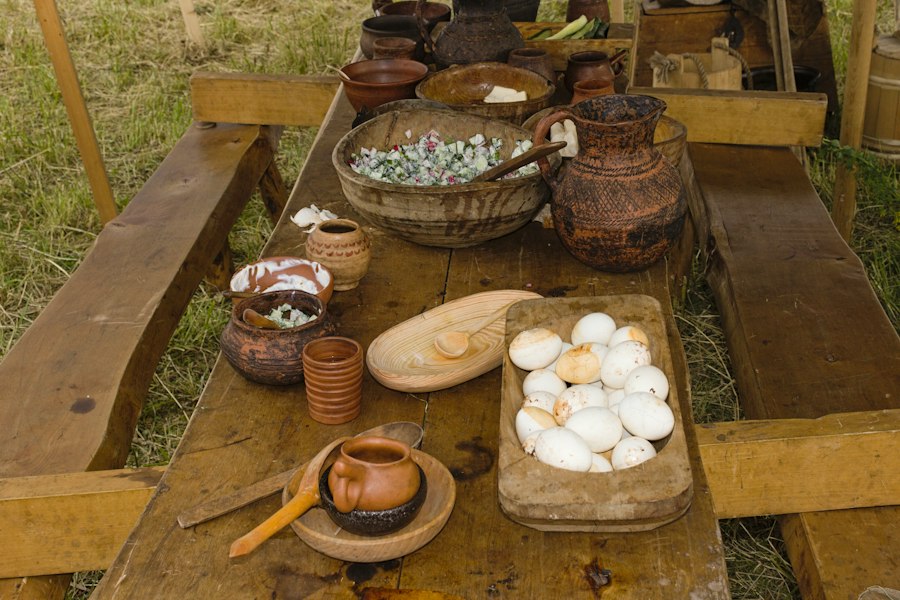
While animal resources often dominated the winter diet, the role of plant life, though diminished, should not be overlooked. Early humans possessed an intimate knowledge of the plants in their environment, including those that could withstand the cold or be stored for later use. Their ability to identify, harvest, and process these plant resources provided essential vitamins, minerals, and fiber, complementing the protein and fat from animal sources. The understanding of which plants remained viable through the frost and which could be preserved through various methods demonstrates a sophisticated botanical knowledge passed down through generations. This knowledge was crucial for a balanced and complete diet, mitigating the risks associated with relying solely on animal products, which could be unpredictable in availability.
### Resilient Roots and Persistent Produce: Edible Flora of the Cold
Even in the depths of winter, certain plant species managed to persist, offering a lifeline to prehistoric foragers. Many root vegetables and tubers possess remarkable resilience to cold. These underground storage organs, such as wild carrots, parsnips, and yams, could be harvested from beneath the frozen earth. Their high starch content provided carbohydrates, a vital energy source, while also containing essential vitamins and minerals. Some hardy greens, like winter cress and sorrel, might have survived in sheltered microclimates, offering a crucial source of vitamin C, which was vital for preventing scurvy, especially when fresh fruits were unavailable. The ability to locate and extract these plants from frozen ground required significant skill and often specialized tools. Prehistoric peoples likely developed techniques for thawing the soil, perhaps by using embers from fires, or by identifying areas with less severe frost penetration. The careful selection of these hardy plants was a demonstration of keen observational skills and a deep understanding of plant life cycles and their ability to endure environmental stress.
#### Underground Treasures: Harvesting Tubers and Roots
The sub-surface world offered a vital larder for prehistoric humans during winter. Tubers and roots, protected from the harshest surface frosts, represented a significant source of sustenance. These starchy underground storage organs, like wild potatoes, yams, and various types of edible roots, were rich in carbohydrates, providing essential energy for survival. The process of harvesting these from frozen or partially frozen soil would have been labor-intensive, likely requiring digging tools crafted from bone, stone, or wood. It is plausible that communities would have pre-identified these locations during warmer months, marking them for winter retrieval. The successful extraction of these nutrient-rich foods required not only physical effort but also an intimate knowledge of soil composition and the specific growth patterns of these plants. Some root vegetables might have been stored in cool, dry conditions after harvesting to prevent sprouting and maintain their carbohydrate content. The ability to access this hidden bounty was a crucial element in ensuring a consistent food supply when above-ground resources were scarce, demonstrating a complex interplay between human ingenuity and the subterranean ecosystem.
#### Preserving the Green: Storing and Processing Wild Vegetables
While fresh greens were scarce in winter, early humans employed methods to preserve the bounty of warmer seasons for later consumption. Wild berries, for instance, could be dried, often by spreading them on flat rocks in the sun or near a fire. This process concentrated their sugars and preserved them for extended periods. Dried berries would have provided a valuable source of vitamins, antioxidants, and natural sweetness. Some leafy greens might have been preserved through fermentation. Similar to how modern sauerkraut is made, wild greens could have been packed into containers and allowed to ferment, a process that not only preserved them but also made certain nutrients more bioavailable and introduced beneficial probiotics. This fermented product would have offered a tangy, nutrient-rich supplement to the winter diet. Furthermore, some communities might have learned to cultivate or encourage the growth of certain cold-hardy plants near their settlements, ensuring a more reliable source of greens. The ingenuity in preserving these plant foods speaks to a sophisticated understanding of food science, even without formal scientific knowledge.
## The Hunter’s Resolve: Winter Strategies for Procuring Game

Winter presented formidable challenges for prehistoric hunters. The scarcity of vegetation meant that prey animals were often more dispersed, harder to track, and more wary. Snow cover could obscure tracks, and extreme cold could limit hunting expeditions. Despite these difficulties, hunting remained a critical component of the winter diet, and early humans developed specialized strategies to overcome these obstacles. Their success in securing animal protein and fat during this lean period was often the difference between survival and starvation, demonstrating remarkable resilience and adaptive hunting techniques.
### The Art of the Chase: Tracking and Ambushing Prey in the Snow
Navigating snowy terrain demanded specialized hunting techniques. Tracking, a skill honed over millennia, became even more critical as animals sought shelter and moved across vast distances. Prehistoric hunters would have been acutely aware of subtle signs – a disturbed snowdrift, a broken twig, faint prints – to follow their prey. The ability to read the snow, understanding how different conditions affected track visibility, was paramount. Ambush hunting, a strategy that minimizes energy expenditure and risk, likely became more prevalent. Hunters would have scouted animal routes, natural choke points, and areas where prey congregated for warmth or shelter, setting up well-camouflaged traps or patiently waiting for an opportunity to strike. The use of specialized tools, such as snowshoes crafted from animal hides and branches, could have facilitated movement across deep snow, allowing hunters to cover greater distances and approach prey more stealthily. The cooperative nature of hunting would have also been amplified in winter, with larger groups coordinating their efforts to bring down more challenging prey, thereby maximizing the caloric return for the group’s sustained effort.
#### Snow-Bound Strategies: Adapting Hunting Techniques
The presence of snow fundamentally altered the hunting landscape. For prehistoric hunters, this meant adapting their methods to both the challenges and opportunities presented by a frozen environment. One key adaptation was the development of specialized footwear, such as primitive snowshoes, likely constructed from animal hides stretched over a frame of flexible wood or bone. These would have allowed for more efficient travel over deep snow, preventing hunters from sinking and expending excessive energy. Tracking, as mentioned, became an even more refined art. Hunters would have learned to identify the subtle differences in animal tracks in various snow conditions – packed snow versus fresh powder – and to anticipate animal movements in response to weather patterns. Ambush strategies would have been crucial. Identifying natural shelters, narrow passes, or areas where animals congregated for warmth or food would have allowed hunters to wait in concealment, conserving their energy until an opportune moment to strike. The use of projectiles, such as spears tipped with fire-hardened wood or stone points, would have been optimized for delivering a swift and effective kill from a distance. In some cases, entire herds might have been driven towards cliffs or into natural traps, a coordinated effort requiring significant planning and communal participation. The success of these snow-bound strategies was a testament to the deep observational skills and resourcefulness of early humans.
#### The Value of Scarce Prey: Targeting Winter-Specific Animals
Winter often brought certain animal species into greater prominence or made them more accessible. Animals that hibernated, while offering a potential food source, were also difficult to locate and extract from their dens. However, those species that remained active throughout the winter months, and those that congregated in larger numbers for warmth or seeking scarce food, became primary targets. Large herbivores that had accumulated fat reserves during the autumn would have been particularly valuable. Mammoths and woolly rhinoceroses, though challenging to hunt, offered immense quantities of meat and fat, providing sustenance for extended periods. Smaller game, such as hares and rabbits, which could be trapped or hunted more readily, also provided a consistent, albeit smaller, source of protein. Furthermore, some birds that did not migrate south would have been available. The ability to identify and exploit these winter-specific prey opportunities, understanding their behavior and seasonal patterns, was a critical survival skill for prehistoric communities.
## Beyond the Hunt: Supplemental Food Sources and Ingenuity
While animal and persistent plant foods formed the backbone of the prehistoric winter diet, human ingenuity extended to utilizing a broader spectrum of resources and employing innovative methods to extract nutrients. The ability to adapt and find sustenance where others might see only barrenness highlights the remarkable adaptability of early humans. These supplemental sources, often overlooked, played a vital role in ensuring nutritional diversity and meeting the body’s complex needs during the cold months.
### Unearthing Hidden Nourishment: Insects, Grubs, and Other Small Game
Insects and grubs, often viewed with disdain in modern Western societies, would have been a valuable and accessible food source for prehistoric humans, particularly during winter. These small creatures are often rich in protein and fat, and their larvae can be found in decaying wood, under bark, or in the soil, even when the surface is frozen. Prehistoric peoples, with their intimate knowledge of their environment, would have known precisely where to look for these nutritious morsels. Digging for grubs and insects would have provided a vital source of protein and fats that might be difficult to obtain from larger game during the lean winter months. Furthermore, small game like rodents and birds that remained in colder regions would have been targeted through trapping. Simple snares and pitfall traps, strategically placed in areas frequented by these animals, could provide a consistent, though small, supply of meat. The ability to utilize these often-overlooked resources demonstrates a comprehensive approach to foraging, leaving no stone unturned in the quest for survival.
#### The Protein Boost: Insects and Grubs as Survival Food
The often-underestimated world of invertebrates offered a significant dietary supplement during prehistoric winters. Insects and their larvae are remarkably nutrient-dense, packed with protein, healthy fats, and essential micronutrients. Prehistoric humans, unburdened by cultural biases against entomophagy, would have readily exploited this readily available resource. They would have known where to find insect nests, where grubs burrowed within decaying wood, or how to uncover ant pupae. These small creatures could be consumed raw or lightly roasted over a fire, providing a crucial protein boost when larger game was scarce. The collection of these resources likely occurred in conjunction with other foraging activities, making efficient use of time and energy. The consistent availability of insects and grubs, even in harsh weather, made them a reliable component of a survival diet, contributing to overall nutritional completeness and energy levels.
#### Trapping the Small and Swift: Rodents and Birds
Beyond large game, prehistoric hunters were adept at capturing smaller creatures. Rodents, such as voles and mice, and various bird species that did not migrate south, would have been targeted through a variety of trapping methods. Simple snares, fashioned from animal sinew or plant fibers, could be set along animal trails or near their burrows. Pitfall traps, dug into the ground, could also be effective. These traps required minimal energy expenditure to set and monitor, offering a chance at a valuable meal with relatively little risk. The remains of small bones found at archaeological sites attest to the regular consumption of these smaller animals. While they provided less meat than larger prey, their consistent availability and the ease with which they could be procured made them an important addition to the winter diet, ensuring a steady supply of protein and fats.
Research into the prehistoric winter diet reveals fascinating insights into what early humans consumed during the colder months, highlighting their reliance on foraged plants and preserved meats. This exploration of ancient eating habits can be further enriched by examining the article on food rationing, which discusses how early societies adapted their diets in response to environmental challenges. For a deeper understanding of these adaptive strategies, you can read more in this informative piece on food rationing.
## A Matter of Survival: The Nutritional Importance of Winter Diets
| Food Category | Examples | Nutritional Benefits | Seasonal Availability | Evidence Source |
|---|---|---|---|---|
| Meat | Large game (mammoths, deer), small mammals | High protein, fat for energy and warmth | Year-round, hunted during winter | Bone tools, cut marks on bones, isotope analysis |
| Fish and Shellfish | Freshwater fish, shellfish from rivers and lakes | Omega-3 fatty acids, protein | Winter accessible in unfrozen water bodies or ice fishing | Fish bones in archaeological sites, fishing tools |
| Roots and Tubers | Wild carrots, onions, bulbs | Carbohydrates, vitamins, minerals | Harvested before freeze, stored underground | Starch grain residues, digging tools |
| Nuts and Seeds | Acorns, hazelnuts, pine nuts | Fats, protein, carbohydrates | Collected in autumn, stored for winter | Nut shells in hearths, grinding stones |
| Fruits and Berries | Wild berries (cranberries, blueberries) | Vitamins, antioxidants | Late autumn, sometimes stored or dried | Seeds and pollen in sediment layers |
| Birds and Eggs | Waterfowl, eggs | Protein, fats | Winter hunting of migratory birds | Feathers, eggshell fragments |
The strategies employed by prehistoric humans to secure food during winter were not merely about appeasing hunger; they were about ensuring survival. The cold months placed immense physiological demands on the human body, and a well-planned diet was essential for maintaining health, energy levels, and the ability to reproduce. The success or failure of these winter foraging and preservation efforts directly impacted the long-term viability of human populations, shaping their migration patterns, technological advancements, and ultimately, their evolutionary trajectory. The challenges of winter fostered a deep understanding of ecological cycles and a profound respect for the resources that nature provided, lessons that continue to resonate through human history.
### Fueling the Body: Energy Demands and Dietary Adaptations
Winter’s biting cold significantly increased the body’s caloric needs. The metabolic rate would have elevated as individuals expended more energy simply to stay warm. Therefore, the prehistoric winter diet was heavily skewed towards high-energy foods, primarily fats and carbohydrates. Animal fats provided a concentrated source of calories, offering sustained energy release. Protein was also crucial, not only for tissue repair but also for its thermic effect – the energy expended in digesting food. The body’s ability to metabolize these nutrients efficiently was paramount. Conversely, a diet lacking in sufficient calories during winter could lead to a decline in immune function, increased susceptibility to disease, and a general weakening that could be fatal. The successful procurement and consumption of calorie-rich foods were therefore directly linked to an individual’s and a group’s chances of surviving the harsh conditions and remaining active enough to hunt, gather, and protect themselves.
#### Maintaining Body Heat: The Role of Fats and Carbohydrates
The primary challenge of winter for any organism is maintaining a stable internal body temperature in an external environment that is often far below freezing. For prehistoric humans, this meant their diet had to provide the fuel necessary for this constant battle against the cold. Fats were exceptionally important in this regard. Their high caloric density meant that a relatively small amount could provide a substantial energy reserve, which the body could then metabolize to generate heat. Animal fats, from sources like mammoth, bison, or deer, would have been a prized commodity. Carbohydrates, primarily derived from stored roots and tubers, also played a crucial role in providing readily available energy. When metabolized, carbohydrates produce heat as a byproduct, contributing to thermogenesis. The efficient conversion of these macronutrients into usable energy was a key physiological adaptation, and the dietary strategies employed by early humans ensured they had an adequate supply to power their internal furnaces.
#### The Downside of Scarcity: Nutritional Deficiencies and Health Risks
When winter foraging efforts fell short, the consequences could be dire. A lack of sufficient calories and essential nutrients could lead to a cascade of health problems. Nutritional deficiencies, particularly a lack of vitamin C, could lead to scurvy, a debilitating disease that weakens the immune system and impairs wound healing. While vitamin C could be obtained from certain preserved berries or hardy greens, a prolonged reliance on animal products alone could pose a risk. Protein deficiency could lead to muscle wasting and a weakened immune response. Furthermore, the stress of cold, combined with malnutrition, would have made individuals more vulnerable to infectious diseases. In essence, the winter diet was a high-stakes gamble, where the success of foraging and preservation directly translated into the health and survival of the community. The ingenuity and knowledge displayed in securing a varied and adequate winter diet were therefore fundamental to the resilience and persistence of early human populations.