Echoes from the Frozen North: Unlocking Prehistoric Winter Reindeer Hunting
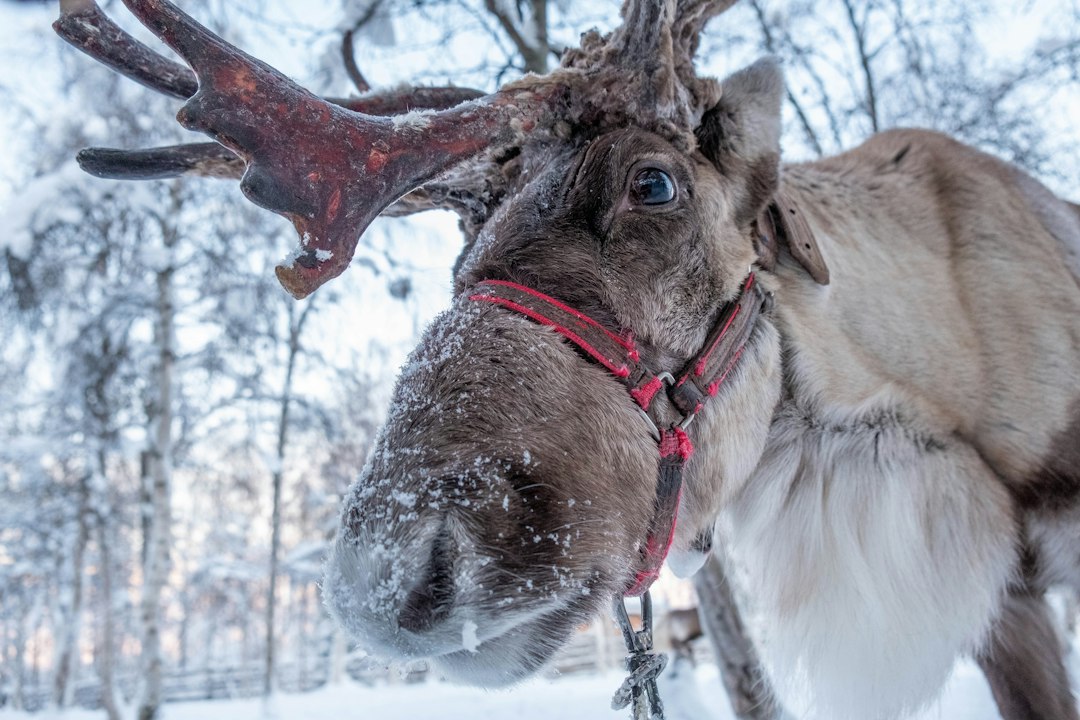
The chilling wind howls across the vast, snow-laden tundra, a familiar sound that has echoed through millennia. For our ancient ancestors, this unforgiving landscape was not just a backdrop, but a dynamic and often treacherous arena for survival. Among the most vital resources sustaining these early human populations was the migratory reindeer, or caribou, a magnificent animal providing meat, hides, and bone for tools and shelter. Understanding how these prehistoric hunters successfully targeted these herds during the brutal winter months offers a profound glimpse into their ingenuity, deep ecological knowledge, and the complex social strategies they employed. Recent archaeological discoveries and sophisticated analytical techniques are now shedding unprecedented light on these remarkable feats of prehistoric subsistence, revealing a level of strategic planning and coordinated effort that challenges previous perceptions.
Recent research into prehistoric hunting strategies for winter reindeer herds has revealed fascinating insights into how early humans adapted to their environment. A related article discusses the unique ecosystems of subglacial lakes in Antarctica, which may provide clues about ancient survival techniques and resource management in extreme conditions. For more information on this intriguing topic, you can read the article here: Uncovering the Secrets of Subglacial Lakes in Antarctica.
The Winter Challenge: Navigating a White Wilderness

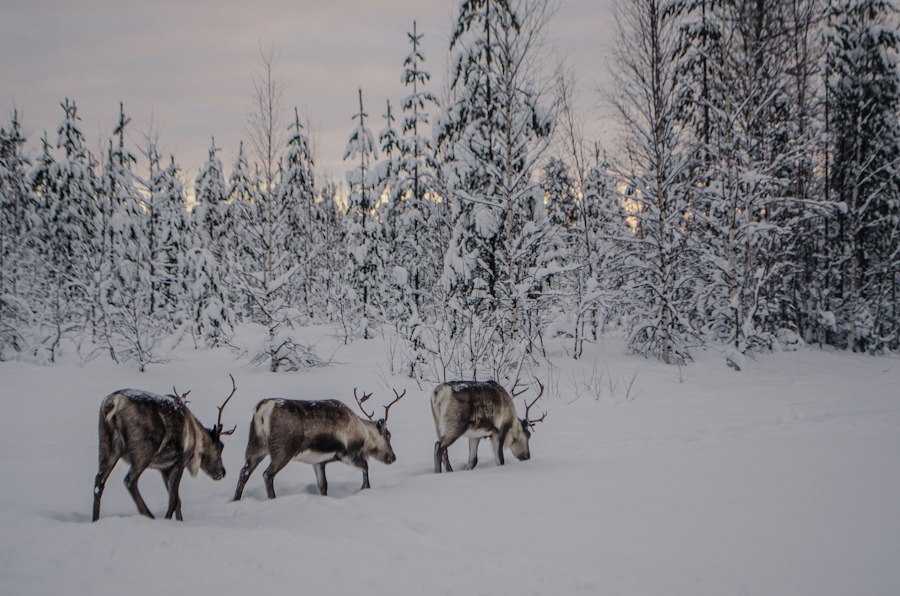
The onset of winter transformed the Arctic and subarctic environments into a formidable adversary. For both humans and their prey, this period presented unique challenges. Reindeer, with their remarkable adaptations for cold weather, typically formed larger, denser herds as they sought out foraging grounds and migrated to their winter territories. This aggregation, while offering increased nutritional prospects for predators, also meant navigating a landscape where visibility was often reduced by blizzards, travel was arduous due to deep snow, and temperatures plummeted to extreme lows. The hunter’s success was therefore not merely a matter of strength or individual skill, but a testament to a nuanced understanding of the environment and the behavior of their quarry.
Environmental Factors Dictating Hunter Strategies
The sheer physicality of winter hunting was a primary driver of tactical development. Deep snowdrifts could render traditional pursuit impossible, forcing hunters to adapt their methods to the terrain. Frozen rivers and lakes, while potentially hazardous, could also serve as natural highways, facilitating longer-distance travel and access to wintering grounds. Understanding the patterns of snow accumulation, wind direction, and ice thickness was paramount. For instance, certain valleys or wind-swept ridges might offer more accessible terrain for hunters, while also being favored by reindeer seeking protection from the harshest elements. The presence of specific vegetation, like lichen, which reindeer are able to access even beneath the snow, would also draw herds to particular areas, creating predictable hunting hotspots.
Reindeer Behavior in Winter
Prehistoric hunters possessed an intimate knowledge of reindeer behavior that was honed through generations of observation. They understood that during winter, reindeer would often seek out sheltered areas to conserve energy and find food. This might include leeward slopes of hills, dense conifer forests, or areas where the snow was less deep. The formation of larger herds provided collective defense, but also made them more vulnerable to coordinated attacks that could exploit their sheer numbers. Hunters would have observed and predicted their migration routes, their foraging patterns, and their responses to different environmental stimuli. The subtle signs of their presence – tracks, droppings, alarm calls of smaller animals – would have been read like a book, guiding the hunters towards their objective.
Unearthing the Tactics: Archaeological Evidence and Interpretation
The evidence for prehistoric winter hunting strategies is primarily derived from archaeological sites, which act as silent witnesses to these ancient activities. The excavation of kill sites, the analysis of bone assemblages, and the study of associated toolkits provide invaluable clues. However, interpreting these findings requires careful consideration of taphonomy (the processes affecting organic remains after death) and a deep understanding of prehistoric human behavior. Modern scientific techniques, such as residue analysis on tools and stable isotope analysis of faunal remains, are adding new layers of complexity and accuracy to these interpretations.
Kill Sites and Butchery Patterns
The spatial distribution of reindeer bones at kill sites can reveal a great deal about how the animals were processed. The presence of specific anatomical elements in certain proportions, along with evidence of tool marks, indicates where and how the carcasses were dismembered. For winter hunts, efficient butchery was crucial to maximize the use of every part of the animal, especially given the energy expenditure required to transport the meat. Evidence of marrow extraction from long bones, for instance, suggests a meticulous approach to obtaining every calorie possible. The deliberate scattering or concentration of bones can also hint at the strategies employed to manage the kill, such as transporting parts back to a central camp or processing them in situ to avoid the arduous task of moving entire carcasses.
Lithic Assemblages and Tool Functionality
The stone tools discovered at prehistoric sites are indispensable for understanding hunting techniques. Projectile points, meticulously crafted from flint, chert, or obsidian, are direct evidence of their use in hunting. The size, shape, and material of these points can indicate the types of weapons used, whether for atlatl darts or later, for bows and arrows. Beyond projectile points, a range of other lithic tools played vital roles. Knives and scrapers would have been essential for skinning and butchering. Awls and needles, made from bone or antler, were crucial for processing hides into clothing and shelter materials, particularly important for surviving the winter. The presence of specialized tools for woodworking suggests the construction of hunting implements like spears, atlatls, or even simple shelters.
Residue Analysis and Microscopic Clues
The application of sophisticated chemical analysis has revolutionized our understanding of tool use. Residue analysis can identify microscopic traces of blood, tissue, or plant matter on stone tools, directly confirming their use in processing reindeer. Identifying specific animal proteins can confirm the species hunted and even indicate which parts of the animal were being worked. Similarly, microscopic analysis of wear patterns on stone tools can reveal the type of material they were used on and the actions performed. For example, polish and striations on a knife blade might indicate repeated cutting through hide, while a duller edge with chip marks might suggest impact against bone.
Coordinated Hunts: The Power of the Group
The success of prehistoric winter reindeer hunts likely relied heavily on coordinated group effort. The sheer size and strength of a reindeer herd, coupled with the challenging environment, would have made solitary hunting an incredibly risky and often futile endeavor. Evidence suggests that these early humans developed sophisticated strategies that involved multiple individuals working together, each with a specific role, to outmaneuver and bring down their prey. This points to advanced social organization and communication skills.
Drive Hunts and Natural Corridals
One of the most plausible and widely accepted tactics employed by prehistoric hunters was the drive hunt. This involved using noise, fire, or the terrain itself to direct a herd towards a predetermined location. Natural features like steep ravines, narrow valleys, or cliffs could be utilized as ‘corrals’ or bottlenecks, funneling the reindeer into a concentrated area where hunters, positioned strategically, could inflict damage. The sheer mass of the herd would make escape difficult for individuals trapped within the kill zone. Archaeological evidence for drive hunts can include the clustering of kill sites in specific geographic locations that lend themselves to herding, and the presence of multiple hunting implements indicating a large-scale operation.
Ambush Tactics and Stalking
While drive hunts were likely common, ambush tactics would also have played a significant role, particularly in smaller-scale operations or when targeting specific individuals or smaller groups within a larger herd. This involved hunters lying in wait, concealed by the terrain or snow, at predictable routes or watering holes used by the reindeer. Patience and stealth were paramount, requiring hunters to remain motionless for extended periods in frigid conditions. The effectiveness of such tactics would have been amplified by the knowledge of reindeer sensory limitations – their eyesight is good, but their sense of smell can be overwhelmed by strong winds, and their hearing, while acute, could be less effective in blizzards.
Social Structure and Division of Labor
The logistical demands of a successful winter hunt strongly suggest a well-defined social structure and a division of labor within prehistoric groups. Certain individuals may have been specialized in tracking and scouting, others in driving the herd, and others in the actual killing and butchering. The coordination required for these hunts implies a high level of communication, whether through spoken language, gestures, or shared understandings developed over time. The distribution of meat and resources following a successful hunt would have also reinforced social bonds and ensured the survival of the entire group, particularly during the lean winter months.
Recent studies on prehistoric hunting strategies reveal fascinating insights into how early humans adapted to the challenges of winter hunting, particularly when targeting reindeer herds. These ancient techniques not only highlight the ingenuity of our ancestors but also shed light on their understanding of animal behavior and environmental conditions. For a deeper exploration of how such strategies evolved over time, you can read more in this article about the implications of historical practices on modern ecosystems found at this link.
Adapting to the Elements: Material Culture and Innovation
| Hunting Strategy | Description | Effectiveness | Tools Used | Season | Targeted Reindeer Behavior |
|---|---|---|---|---|---|
| Drive Hunting | Herders would create barriers or use natural terrain to funnel reindeer into confined areas for easier capture. | High | Stone-tipped spears, wooden fences | Winter | Reindeer tend to move in herds and follow migration paths, making funneling effective. |
| Ambush Hunting | Hunters would hide near known migration routes and ambush reindeer as they pass. | Moderate | Bow and arrows, spears | Winter | Reindeer slow down in deep snow, making ambush easier. |
| Persistence Hunting | Hunters would track and exhaust reindeer over long distances. | Low to Moderate | Light spears, tracking skills | Winter | Reindeer have limited endurance in deep snow, aiding hunters. |
| Use of Natural Traps | Utilizing cliffs, ravines, or frozen lakes to trap or injure reindeer. | High | Minimal tools, knowledge of terrain | Winter | Reindeer migration routes often cross hazardous terrain. |
The harsh realities of winter hunting spurred significant innovation in the material culture of prehistoric peoples. The development and refinement of tools and technologies were directly linked to their ability to survive and exploit the winter environment. This included not only hunting implements but also the means to process hides, construct shelters, and manage the vital resources gained from the reindeer.
Advanced Weaponry and Projectile Technology
The evolution of projectile weapons was a critical development in prehistoric hunting. While spears were likely the earliest hunting tools, the invention of the atlatl, or spear-thrower, significantly increased the range and force of projectiles. This allowed hunters to engage prey from a safer distance, a crucial advantage in the winter when herds might be skittish or dangerous. Later, the bow and arrow represented a further technological leap, offering greater accuracy and a higher rate of fire, allowing for more efficient takedowns of individual animals. The materials used for these weapons – carefully selected wood, bone, and stone – speak to a deep understanding of material properties and craftsmanship.
Hide Processing and Clothing Technologies
Reindeer hides were an exceptionally valuable resource for prehistoric peoples, providing essential protection from the extreme cold. The development of specialized tools for scraping, tanning, and sewing hides was crucial for survival. Prehistoric awls, made from bone or antler, were used to punch holes for stitching, while sharp stone scrapers would have been used to remove flesh and fat from the hide. The discovery of needles, even rudimentary ones, suggests the ability to create finely crafted clothing, mittens, and footwear, vital for maintaining core body temperature during long winter hunts and encampments. The layered construction of clothing, utilizing the insulating properties of reindeer fur, would have been a key adaptation.
Shelter and Fire: Sustaining the Hunters
Beyond direct hunting technologies, the ability to establish and maintain shelters and fires was equally critical for surviving the winter. While nomadic hunting groups might have relied on temporary shelters constructed from hides and branches, evidence from more permanent settlements indicates the construction of more robust dwellings. These could have been semi-subterranean structures or above-ground dwellings designed to withstand snow loads and wind. The control and maintenance of fire were paramount for warmth, cooking, and the preservation of food through smoking. The collection and management of fuel sources in a snow-covered landscape would have been a daily challenge, requiring foresight and efficient resource management.
Legacy of the Tundra: Enduring Lessons from the Past
The study of prehistoric winter reindeer hunting offers more than just a fascinating glimpse into our ancestors’ lives. It provides enduring lessons about human adaptability, ingenuity, and our deep interconnectedness with the natural world. The strategies employed by these early hunters demonstrate a profound ecological knowledge, a capacity for complex social organization, and a remarkable resilience in the face of extreme environmental challenges. Their ability to thrive in a seemingly inhospitable landscape serves as a powerful reminder of the potential of human innovation when driven by necessity and a deep respect for the environment.
Lessons in Sustainability and Resource Management
The meticulous way prehistoric hunters utilized every part of the reindeer – from meat and fat to hides, bones, and sinew – speaks to a fundamentally sustainable approach to resource management. They understood the delicate balance of the ecosystem and the importance of not depleting their vital food source. This contrasts sharply with modern practices, and offers a valuable perspective on how to coexist with nature in a more respectful and efficient manner. The concept of “waste not, want not” was not a moral imperative but a fundamental survival strategy, woven into the fabric of their daily existence.
The Evolution of Human Cognition and Sociality
The complex planning, coordination, and communication required for successful winter reindeer hunts provide strong evidence for the advanced cognitive abilities and social complexity of prehistoric humans. These hunts were not simply instinctual pursuits; they required foresight, abstract thought, problem-solving, and the ability to cooperate within a group. The development of language, likely facilitated by the need for intricate coordination, would have been a crucial factor. The success of these hunts likely played a significant role in shaping the social structures and cultural traditions of these early human societies.
Reconnecting with Our Ancestral Roots
Understanding these ancient hunting tactics allows us to reconnect with a fundamental aspect of the human story. It reminds us of the deep wellspring of human ingenuity that has allowed us to survive and thrive in diverse environments across the globe. The echoes of the prehistoric hunters on the frozen tundra resonate with a timeless message of resilience, resourcefulness, and the enduring power of human collaboration in the face of adversity. Their legacy continues to inform our understanding of human origins and our place within the broader tapestry of life on Earth.

➡️Life 20,000 Years Ago | When Strangers Claim Your Winter Shelter 🚨
FAQs
What were the primary hunting strategies used by prehistoric humans to hunt winter reindeer herds?
Prehistoric humans employed various strategies to hunt winter reindeer herds, including ambush tactics, driving the animals into natural traps, and using coordinated group efforts. They often utilized the terrain to their advantage, such as leading the reindeer into narrow passes or over cliffs where they could be more easily captured. Additionally, they may have used decoys or calls to attract the animals closer.
How did the seasonal behavior of reindeer influence hunting practices?
The seasonal behavior of reindeer, particularly their migration patterns and herd dynamics, significantly influenced hunting practices. During winter, reindeer tend to gather in larger herds for warmth and protection, making them more vulnerable to group hunting strategies. Prehistoric hunters would time their hunts to coincide with these gatherings, maximizing their chances of a successful hunt.
What tools and weapons did prehistoric hunters use to hunt reindeer?
Prehistoric hunters used a variety of tools and weapons to hunt reindeer, including spears, bows and arrows, and traps. These tools were often made from materials readily available in their environment, such as stone, bone, and wood. The development of specialized hunting tools, like harpoons for aquatic hunting or throwing sticks, also played a crucial role in their hunting success.
What role did social organization play in prehistoric hunting strategies?
Social organization was vital in prehistoric hunting strategies, as successful hunts often required teamwork and coordination among group members. Larger groups could effectively drive herds into traps or ambush points, while smaller groups might specialize in stealthy approaches. Social structures also facilitated the sharing of resources and knowledge about hunting techniques, which improved overall hunting efficiency.
How did climate change impact prehistoric hunting strategies for reindeer?
Climate change had a significant impact on prehistoric hunting strategies for reindeer, as shifts in temperature and vegetation affected reindeer migration patterns and herd sizes. As the climate warmed or cooled, hunters had to adapt their strategies to follow the changing locations of the herds. This could involve altering their seasonal movements, developing new hunting techniques, or even changing their social structures to better respond to environmental challenges.