The Caspian Sea, a vast inland body of water straddling the crossroads of Europe and Asia, is a treasure trove of unique biodiversity, historical significance, and economic potential. However, this remarkable ecosystem faces a precarious future, challenged by a confluence of environmental stressors, including fluctuating water levels and increasing pollution. To safeguard its future, a crucial and often overlooked aspect of preservation lies in the ongoing efforts to stabilize its complex geological and hydrological systems. This article delves into the critical role of stabilization drills in preserving Caspian Sea heritage, recognizing them not as mere engineering feats, but as essential instruments for conducting the symphony of the Caspian’s delicate ecological balance.
The Caspian Sea is not a static entity; it is a living, breathing organism whose health is intrinsically linked to the stability of its surrounding environment. Just as a body requires a strong skeletal structure to remain upright and functional, the Caspian Sea needs stable shorelines, consistent water levels, and a controlled flow of its feeder rivers to thrive. When these fundamental elements falter, the entire system is thrown into disarray. This is where stabilization drills, a sophisticated and multifaceted approach, emerge as vital tools in the preservation arsenal.
The concept of “stabilization drills” encompasses a range of engineering and scientific interventions aimed at mitigating the impacts of natural and anthropogenic changes affecting the Caspian Sea. These interventions are designed to counteract the forces that threaten the integrity of the sea’s ecosystem and the human communities that depend on it. Understanding these drills requires a deep appreciation for the intricate interplay of geology, hydrology, and ecology that defines this unique environment.
The Caspian Sea, despite its immense size, is surprisingly susceptible to a range of challenges. Its unique geographical position and the dynamics of its water sources mean that even subtle shifts can have cascading effects. Recognizing these vulnerabilities is the first step in appreciating the necessity of stabilization efforts.
Fluctuating Water Levels: A Tidal Wave of Concern
The most dramatic and widely observed vulnerability of the Caspian Sea lies in its notoriously fluctuating water levels. Throughout history, the sea has experienced significant rises and falls, driven by a complex interplay of climatic factors and hydrological inputs.
The Role of Climate Change and Precipitation Patterns
Global climate change is increasingly recognized as a major driver of these fluctuations. Changes in precipitation patterns in the Volga River basin, the primary source of freshwater for the Caspian, directly impact the amount of water flowing into the sea. Extended periods of drought can lead to significant sea-level drops, while increased rainfall can cause rapid rises. These shifts are not merely academic observations; they have tangible consequences for coastal ecosystems and human infrastructure.
The Impact of River Diversion and Water Abstraction
Beyond climatic influences, human activities have also played a significant role in altering the Caspian’s water balance. Large-scale irrigation projects and industrial water consumption along the Volga and other feeder rivers can reduce the inflow of freshwater, exacerbating the effects of natural droughts. This diversion of water acts like siphoning vital fluids from a patient, impacting the overall health of the system.
Coastal Erosion: The Shifting Sands of Time
The Caspian coastline is a dynamic interface, constantly reshaped by wave action, wind, and changing water levels. However, accelerated coastal erosion, particularly in recent decades, poses a significant threat to valuable coastal ecosystems and human settlements.
The Paradox of Falling Sea Levels and Increased Erosion
Ironically, in certain periods of sea-level decline, coastal erosion can actually intensify. As the water recedes, previously submerged areas are exposed, and the natural protective barriers are weakened. This leaves the exposed land vulnerable to the relentless assault of waves and wind, leading to a gradual but persistent loss of land.
The Impact on Biodiversity Hotspots and Wetlands
Many of the Caspian’s most biodiverse regions, including essential wetlands and breeding grounds for migratory birds, are located along its vulnerable coastlines. Accelerated erosion can lead to the destruction of these crucial habitats, threatening species that have adapted to these specific environments over millennia. The loss of these areas is akin to demolishing the nursery of a forest, jeopardizing future generations of life.
Salinity Gradients: A Delicate Chemical Balance
The Caspian Sea, being an inland sea, exhibits distinct salinity gradients. These gradients are essential for maintaining the specific ecological niches and the survival of various species, from microscopic organisms to commercially important fish.
Disruptions to Marine Life and Food Webs
Changes in freshwater inflow, caused by climatic fluctuations or river diversion, can disrupt these salinity gradients. Increased freshwater inflow can dilute the salter regions, while reduced inflow allows evaporation to concentrate the salt, leading to increased salinity in some areas. These shifts can have devastating consequences for species that are adapted to specific salinity levels, disrupting entire food webs and impacting fisheries.
The Threat of Invasive Species Enrichment
Altering salinity levels can also create pathways for invasive species. Some invasive organisms are better equipped to tolerate a wider range of salinity, and disruptions to the natural balance can provide them with a competitive advantage, outcompeting native species and further destabilizing the ecosystem.
The recent Caspian Sea heritage stabilization drills have sparked discussions about the importance of preserving cultural sites in the face of environmental and geopolitical challenges. These drills aim to enhance the resilience of historical landmarks along the Caspian coastline, ensuring that they remain protected for future generations. For a broader understanding of how government actions can impact heritage and resources, one can refer to an insightful article on the implications of Executive Order 6102, which discusses the historical context of gold confiscation and its relevance to resource management. To read more, visit this article.
The Mechanics of Stabilization Drills: Engineering for Resilience
Stabilization drills are not a monolithic solution but rather a suite of interconnected strategies employed to address the specific vulnerabilities of the Caspian Sea. These drills draw upon a diverse range of engineering and scientific disciplines, all aimed at fostering a more resilient and stable environment.
Shoreline Protection and Reinforcement: Building a Bulwark Against the Tide
One of the primary applications of stabilization drills involves directly protecting and reinforcing the Caspian’s vulnerable shorelines. This is essential to combat erosion and safeguard coastal infrastructure and ecosystems.
The Construction of Breakwaters and Seawalls
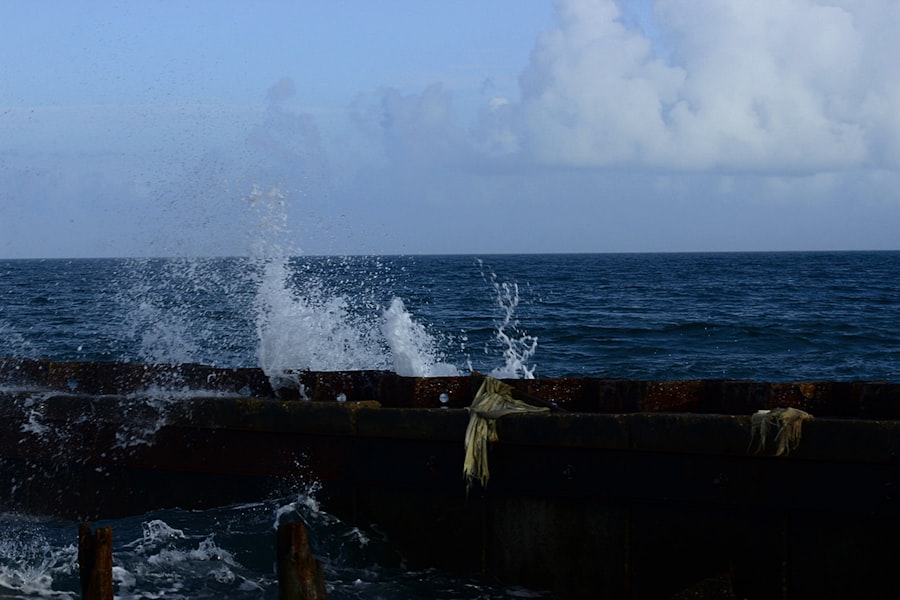
The construction of breakwaters and seawalls represents a direct intervention to dissipate wave energy before it reaches the coast. These structures are designed to reduce the erosive power of the sea, acting as a protective shield against the relentless forces of nature. The placement and design of these structures are critical, requiring detailed hydrological and geological surveys to ensure their effectiveness and minimize unintended ecological impacts.
Vegetation-Based Stabilization Techniques
Beyond hard engineering solutions, stabilization drills often incorporate nature-based approaches. The planting of salt-tolerant vegetation along shorelines can help to stabilize soil, trap sediment, and create natural buffers against wave action. These green solutions offer a more sustainable and ecologically integrated approach to shoreline protection, mimicking natural processes to achieve stability.
Hydrological Management Systems: Regulating the Flow of Life
Stabilization efforts extend to managing the inflow and outflow of water to and from the Caspian Sea. These drills aim to create a more predictable and stable hydrological regime, mitigating the extreme swings in water levels.
Strategic Dam and Reservoir Management
The management of dams and reservoirs on the feeder rivers, particularly the Volga, plays a crucial role. Strategic release schedules and storage policies can help to regulate the flow of water into the Caspian, aiming to buffer against both droughts and excessive rainfall. This requires sophisticated modeling and forecasting to balance the needs of the Caspian Sea with other water users along the river systems.
Groundwater Recharge and Diversion Mitigation
In some areas, stabilization strategies may involve efforts to enhance groundwater recharge or to mitigate the impacts of extensive water diversion for agricultural and industrial purposes. These interventions aim to maintain the natural water balance and ensure a more consistent supply of freshwater to the Caspian.
Sediment Management and Control: Preventing the Sea from Silting Up
The management of sediment is another critical aspect of stabilization. Excessive sediment input can lead to the silting up of the sea, impacting navigation, habitat quality, and overall water circulation.
Dredging and Channel Maintenance Operations
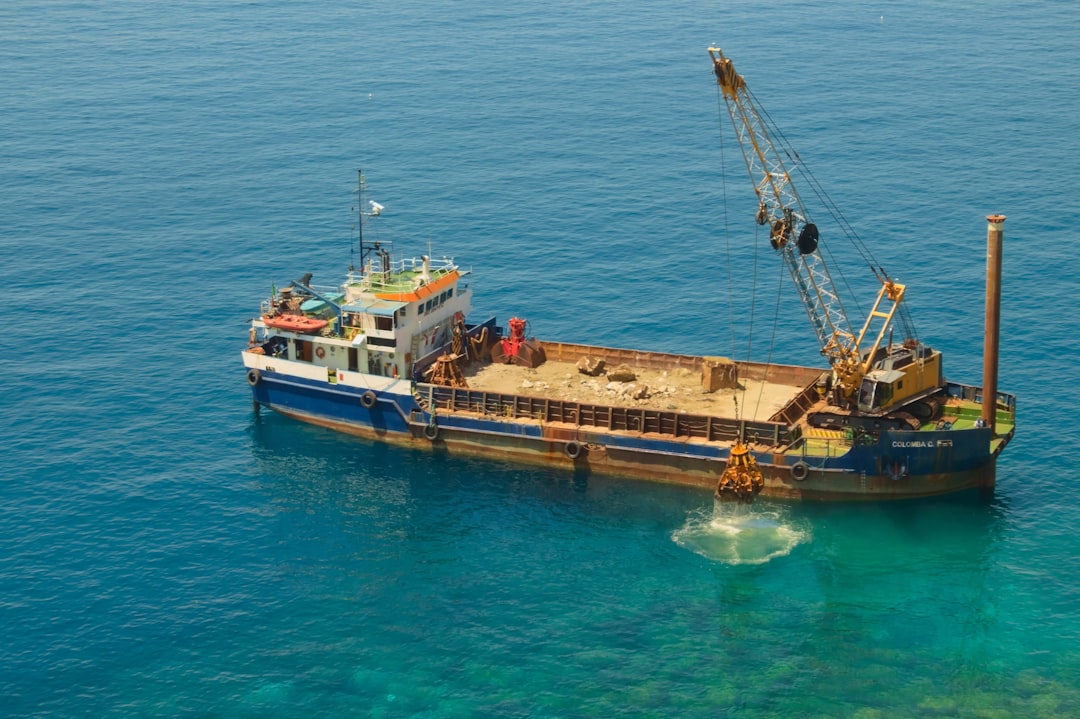
Regular dredging operations are often necessary to maintain navigable channels and to remove accumulated sediment. These operations, while essential for maintaining connectivity and economic activity, require careful planning to minimize disruption to the marine environment and to dispose of dredged material in an ecologically responsible manner.
Riparian Zone Restoration and Erosion Control Upstream
Stabilization drills also extend to upstream interventions. Restoring and protecting riparian zones along feeder rivers can help to reduce sediment runoff into the waterways, thereby reducing the amount of sediment that eventually reaches the Caspian Sea. This proactive approach addresses the root causes of sediment accumulation.
The Scientific Foundation of Stabilization: Data-Driven Interventions
The effectiveness of stabilization drills hinges on a deep understanding of the Caspian Sea’s complex environmental dynamics. This understanding is built upon rigorous scientific research, sophisticated modeling, and continuous monitoring.
Hydrodynamic Modeling and Simulation: Predicting the Future Flows
Before any physical intervention, extensive modeling is conducted to understand how water will behave under various scenarios.
Simulating Wave Action and Current Patterns
Sophisticated hydrodynamic models are used to simulate wave action, current patterns, and water level changes. These simulations allow engineers and scientists to predict the potential impact of different stabilization strategies, such as the placement of breakwaters or changes in reservoir releases.
Forecasting Sea Level Fluctuations and Their Impacts
Advanced forecasting models are employed to predict future sea-level fluctuations and their potential impacts on coastal areas. This predictive capacity is crucial for planning and implementing effective stabilization measures in a timely manner.
Ecological Impact Assessments: Balancing Preservation and Progress
Any intervention in a delicate ecosystem like the Caspian Sea requires careful consideration of its potential ecological consequences.
Studying the Effects on Marine Flora and Fauna
Detailed ecological impact assessments are conducted to understand how stabilization projects might affect marine flora and fauna, including fish spawning grounds, seabird habitats, and benthic ecosystems. This involves extensive fieldwork, sampling, and analysis.
Assessing the Long-Term Sustainability of Interventions
The long-term sustainability of any stabilization measure is a key consideration. This involves evaluating the durability of structures, the ongoing maintenance requirements, and the potential for unintended ecological consequences to emerge over time.
Geotechnical Surveys and Analysis: Understanding the Seabed’s Secrets
The geological stability of the seabed and coastal areas is a fundamental concern for any stabilization effort.
Mapping Seabed Stability and Sediment Composition
Geotechnical surveys, including seismic profiling and core sampling, are used to map seabed stability and to understand the composition of sediments. This information is critical for designing foundations for coastal structures and for predicting the behavior of the seabed under various loads and environmental conditions.
Assessing the Risk of Submarine Landslides and Cavitation
In some areas, detailed analysis is required to assess the risk of submarine landslides or cavitation, which can pose significant threats to infrastructure and the marine environment. Understanding these geological hazards is crucial for ensuring the safety and effectiveness of stabilization projects.
Challenges and Opportunities in Stabilization Efforts
While stabilization drills are crucial, the path to preserving the Caspian Sea is fraught with challenges. However, these challenges also present opportunities for innovation and collaboration.
Geopolitical Complexities and International Cooperation: A Shared Responsibility
The Caspian Sea is bordered by five nations, each with its own interests and priorities. Effective stabilization requires a high degree of international cooperation.
The Need for Coordinated Policy and Resource Allocation
Disagreements over resource allocation, environmental regulations, and the division of responsibilities can hinder progress. Achieving a unified approach to policy and resource allocation is paramount for any large-scale stabilization effort to be successful.
Harmonizing National Environmental Strategies
Each nation has its own environmental strategies. Harmonizing these national approaches into a cohesive regional plan for the Caspian is a significant undertaking, requiring diplomatic skill and a shared vision for the future of the sea. This is like trying to conduct an orchestra where each musician plays from a different score; only by synchronizing the music can a harmonious melody emerge.
Funding and Technological Constraints: Investing in the Future
Implementing comprehensive stabilization drills requires substantial financial investment and access to advanced technologies.
Securing Long-Term Financial Commitments
The cost of large-scale engineering projects and continuous monitoring can be significant. Securing long-term financial commitments from national governments and international organizations is crucial to ensure the sustained implementation of stabilization strategies.
Driving Innovation in Green Technologies and Sustainable Practices
There is a growing opportunity to drive innovation in green technologies and sustainable practices for Caspian stabilization. This involves exploring nature-based solutions, developing more efficient dredging techniques, and investing in advanced monitoring systems that minimize environmental impact.
Climate Change Adaptation: A Moving Target
The ever-present threat of climate change means that stabilization efforts must be dynamic and adaptable.
Developing Resilient Infrastructure and Adaptive Management Plans
Coastal infrastructure must be designed to withstand the anticipated impacts of climate change, such as rising sea levels and increased storm intensity. Adaptive management plans are essential to allow for adjustments to stabilization strategies as environmental conditions change.
Monitoring and Responding to Shifting Ecosystem Dynamics
Continuous monitoring of the Caspian’s ecosystem is vital to detect and respond to shifts in species distribution, habitat health, and water quality. This proactive approach allows for timely adjustments to stabilization efforts to address emerging challenges.
Recent efforts to stabilize the heritage sites around the Caspian Sea have drawn attention to innovative techniques in construction and preservation. One particularly fascinating approach is the use of self-healing materials, which can significantly enhance the durability of structures. For those interested in this topic, a related article explores the remarkable properties of revolutionary Roman concrete, which has been found to possess self-healing capabilities. You can read more about these wonders in the article found here. This connection highlights the potential for ancient techniques to inform modern preservation efforts.
The Future of the Caspian Sea: A Legacy in Stabilization
| Drill Name | Date | Location | Participating Countries | Objectives | Duration (Days) | Outcome |
|---|---|---|---|---|---|---|
| Caspian Heritage Stabilization Exercise 2023 | March 15-20, 2023 | Baku, Azerbaijan | Azerbaijan, Russia, Iran | Protection of underwater archaeological sites, emergency response coordination | 6 | Successful coordination and improved emergency protocols |
| Maritime Heritage Preservation Drill 2022 | September 10-14, 2022 | Aktau, Kazakhstan | Kazakhstan, Turkmenistan | Stabilization of coastal heritage sites, oil spill response | 5 | Enhanced oil spill containment techniques and heritage site mapping |
| Caspian Sea Cultural Site Protection Drill 2021 | June 5-9, 2021 | Astara, Iran | Iran, Azerbaijan | Joint monitoring and protection of cultural heritage sites | 5 | Improved cross-border communication and monitoring systems |
The preservation of the Caspian Sea’s rich heritage is a collective responsibility. Stabilization drills, though often technical in nature, are fundamental to ensuring that this unique body of water remains a vibrant and healthy ecosystem for generations to come. The ongoing efforts represent a testament to human ingenuity and a commitment to safeguarding a natural wonder.
The Role of Public Awareness and Education: Cultivating Stewardship
The success of any long-term preservation effort ultimately relies on public support and understanding.
Communicating the Importance of Stabilization Efforts
Educating the public about the vulnerabilities of the Caspian Sea and the critical role of stabilization drills is essential. This can foster a sense of shared responsibility and encourage support for necessary conservation measures.
Promoting Sustainable Practices Among Coastal Communities
Empowering coastal communities with knowledge and resources to adopt sustainable practices, such as responsible waste management and water conservation, complements the larger stabilization efforts. These actions, though seemingly small, contribute significantly to the overall health of the Caspian.
Continuous Monitoring and Research: The Unseen Guardians
The work of stabilization is not a one-time event but an ongoing process. Continuous monitoring and research are the unseen guardians that ensure the effectiveness and adaptability of these efforts.
Maintaining an Integrated Monitoring Network
An integrated network of monitoring stations, employing a range of sensors and sampling techniques, is vital for tracking key environmental parameters like water levels, salinity, temperature, and pollution levels. This data forms the bedrock of informed decision-making.
Adapting Strategies Based on New Scientific Discoveries
As scientific understanding of the Caspian ecosystem evolves, stabilization strategies must be adapted accordingly. Investment in ongoing research and the integration of new discoveries are crucial for ensuring that preservation efforts remain effective in the face of a changing environment.
A Vision for a Stable and Thriving Caspian: Beyond Engineering
Ultimately, the vision for the Caspian Sea extends beyond the engineering of stabilization drills. It encompasses a flourishing ecosystem, sustainable economic development, and a legacy of responsible stewardship. The drills are the foundation upon which this future can be built, ensuring that the “pearl of the Eurasian heartland” continues to shine. The ongoing commitment to understanding, protecting, and stabilizing this vital waterway is a profound investment in the natural world and in the future of the diverse communities that call its shores home.
FAQs
What are Caspian Sea heritage stabilization drills?
Caspian Sea heritage stabilization drills are specialized training exercises aimed at preserving and protecting the cultural and historical sites around the Caspian Sea region. These drills focus on techniques to stabilize and conserve heritage structures that may be at risk due to environmental factors or human activities.
Why are stabilization drills important for the Caspian Sea heritage?
Stabilization drills are important because the Caspian Sea region contains numerous archaeological and historical sites that are vulnerable to erosion, natural disasters, and industrial development. These drills help prepare conservation teams to effectively respond to threats and maintain the integrity of these cultural landmarks.
Who typically participates in Caspian Sea heritage stabilization drills?
Participants usually include archaeologists, conservation specialists, local government officials, environmental experts, and sometimes military or emergency response teams. Collaboration among these groups ensures comprehensive protection and preservation strategies.
What methods are used during these stabilization drills?
Methods can include structural reinforcement of ancient buildings, soil stabilization around archaeological sites, emergency response simulations, and the use of modern technology such as drones and 3D mapping to assess and monitor heritage conditions.
How often are Caspian Sea heritage stabilization drills conducted?
The frequency of these drills varies depending on regional priorities and funding but typically occurs annually or biannually. Regular drills help maintain readiness and update techniques based on the latest conservation research and environmental changes.