The echoes of the past resonate not only in the hallowed halls of museums and the brittle pages of ancient texts, but also in the very breath of humanity. Oral traditions, the passing down of knowledge, stories, and beliefs from one generation to the next through spoken word, represent a foundational pillar of human culture and a vital, yet often undervalued, tool for preserving history. In a world increasingly dominated by digital records and curated archives, the profound power of oral traditions demands renewed attention and dedicated preservation efforts. These spoken narratives are not mere fanciful tales; they are living documents, imbued with the lived experiences, cultural nuances, and collective memory of entire communities.
Oral traditions are woven into the fabric of human societies from their earliest beginnings. Before the advent of widespread literacy, spoken words were the primary vehicle for transmitting essential information, practical skills, and the very identity of a people. The need to remember and relay vital knowledge – from the location of water sources to the intricate kinship networks that governed social order – fostered the development of sophisticated storytelling techniques and mnemonic devices. These early forms of oral tradition laid the groundwork for the rich tapestry of narratives that continue to be shared today.
The Immersive Nature of Spoken Transmission
Unlike the often solitary act of reading a book, oral traditions are inherently communal and interactive. The performance of a story, a song, or a proverb engages multiple senses. The storyteller’s voice, tone, gestures, and facial expressions all contribute to the meaning and impact of the message. Listeners are not passive recipients of information; they may offer interjections, ask clarifying questions, or even join in repetitive refrains, fostering a dynamic and shared understanding. This immersive experience allows for a deeper emotional connection with the material, making it more memorable and impactful. The emotional resonance, in particular, ensures that historical events, ethical dilemmas, and cultural values are not just learned but felt, embedding them more deeply into the collective consciousness.
The Role of Memory and Repetition
The efficacy of oral traditions hinges on the remarkable capacity of the human memory, amplified by the strategic use of repetition and rhythm. Storytellers develop sophisticated methods to encode information, employing alliteration, rhyme, meter, and parallel structures to make their narratives more easily memorized and recalled. The structure of a well-told folktale, for instance, often follows predictable patterns that aid listeners in anticipating and remembering the unfolding events. Repetition serves not only as a mnemonic tool but also as a way to emphasize key themes and reinforce moral lessons. The audience, through active listening and participation, also plays a crucial role in reinforcing the memory of the story, making it a collective act of remembrance.
The Social Imperative of Knowledge Sharing
In many societies, the transmission of knowledge through oral tradition was a fundamental social obligation. Elders and skilled storytellers held positions of great respect, entrusted with the responsibility of safeguarding and imparting the wisdom of their ancestors. This sharing was not merely academic; it was integral to the survival and well-being of the community. Practical knowledge about agriculture, medicine, navigation, and conflict resolution was passed down, ensuring the continuity of essential skills. Beyond the practical, oral traditions also served to instill a shared sense of identity, values, and belonging. Through stories of heroes, creation myths, and historical events, individuals understood their place within the larger community and their connection to a shared past.
Oral traditions have long been a vital means of preserving history, often passing down knowledge and cultural narratives through generations. An interesting article that explores the implications of historical narratives and their connection to ancient events can be found at this link: Antarctica: Evidence of a Pole Shift. This piece delves into how oral histories may align with scientific discoveries, shedding light on the ways in which storytelling can encapsulate significant historical phenomena.
The Storied Landscape: Oral Traditions as Cultural Archives
Oral traditions are far more than mere entertainment; they are intricate archives of cultural heritage. Within their narratives lie a wealth of information about a community’s history, social structures, belief systems, ecological knowledge, and artistic expressions. These spoken archives offer a unique perspective on the past, often preserving details and perspectives that might be overlooked or absent in written records. They provide a rich and nuanced understanding of how people lived, what they valued, and how they navigated the world around them.
Documenting Untouched Histories
For many indigenous communities and marginalized groups, oral traditions are the primary, and sometimes the only, custodians of their history. Written records, when they exist, are often produced by colonial powers or dominant cultures, frequently presenting a biased or incomplete account. Oral traditions, however, offer an indigenous perspective, capturing events and experiences from the viewpoint of those who lived them. They provide invaluable insights into pre-colonial societies, the impact of colonization, and the ongoing struggles for cultural survival. These narratives are essential for reclaiming lost histories and fostering a sense of agency and self-determination.
The Nuances of Belief and Spirituality
A significant portion of oral traditions is dedicated to the transmission of religious beliefs, spiritual practices, and cosmological understandings. Creation myths, tales of deities and spirits, and the stories of prophets and shamans provide a profound glimpse into the spiritual landscape of a culture. These narratives shape ethical frameworks, guide rituals, and offer explanations for the mysteries of existence. The way these stories are told, the emphasis placed on certain characters or events, and the accompanying songs and prayers all contribute to the living expression of a faith.
Preserving Ecological and Practical Knowledge
Long before the age of scientific journals and textbooks, oral traditions served as vital repositories of ecological knowledge. Indigenous communities, closely tied to their environment, developed sophisticated understandings of local flora and fauna, weather patterns, agricultural techniques, and sustainable resource management. These traditions often imbue the natural world with spiritual significance, further reinforcing the importance of its preservation. Stories about the planting and harvesting seasons, the medicinal properties of plants, and the behavior of animals were passed down meticulously, ensuring the continued survival of both the community and its ecosystem.
The Evolution of Law and Social Norms
The unwritten laws and social customs that govern a society are often embedded within oral traditions. Proverbs, fables, and historical anecdotes serve as exemplars of desired behavior and warnings against transgression. They illustrate the consequences of breaking societal norms and reinforce the values that hold the community together. These narratives provide a living, breathing understanding of justice, fairness, and communal responsibility, often adapting to changing circumstances while retaining core principles.
The Fragility of Voice: Threats to Oral Traditions
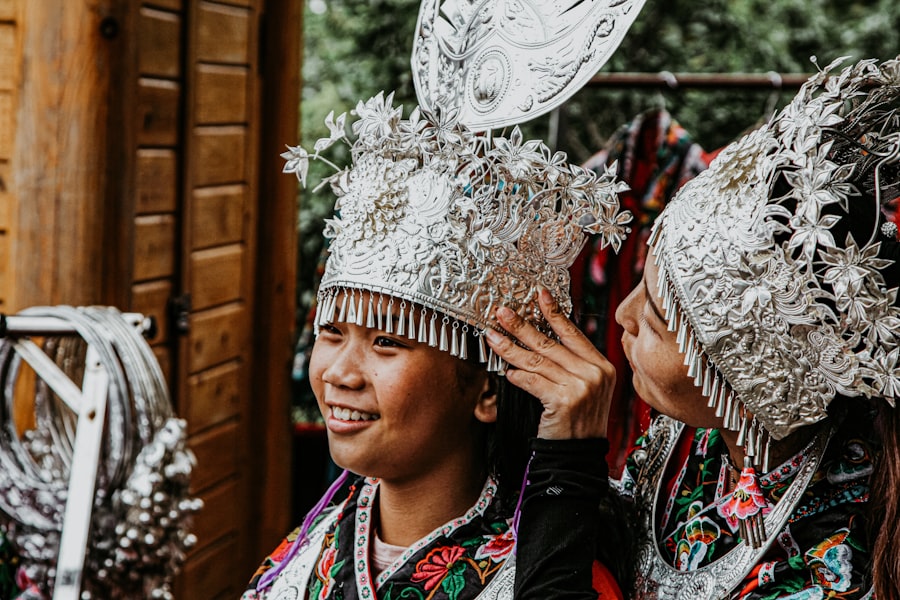
Despite their enduring power, oral traditions face numerous threats in the modern world. Globalization, urbanization, the dominance of mass media, and societal shifts can all erode the transmission channels and the cultural contexts that sustain these invaluable forms of knowledge. The loss of even a single storyteller or a significant tradition can represent an irretrievable loss of human heritage.
The Impact of Modernization and Urbanization
As communities shift from rural settings to urban centers, traditional modes of knowledge transmission can be disrupted. The close-knit social structures that supported oral storytelling often weaken in the anonymity of city life. Younger generations, exposed to different lifestyles and forms of entertainment, may have less exposure to or interest in traditional narratives. This displacement can lead to a disconnect from ancestral knowledge and a fading of cultural identity.
The Dominance of Written and Digital Media
The widespread availability of written and digital media can, paradoxically, contribute to the decline of oral traditions. While these forms offer their own advantages, they can also lead to a devaluation of spoken word and a decrease in the active practice of memorization and storytelling. The immediate accessibility of information through the internet can reduce the perceived necessity for the slower, more deliberate transmission of oral knowledge. Furthermore, the homogenizing effect of global media can overshadow local narratives and traditions.
The Loss of Languages
Language is the very vessel of oral traditions. When a language begins to disappear, so too do the stories, proverbs, songs, and historical accounts that are inextricably linked to it. Language loss is a particularly devastating threat, as it represents the silencing of an entire cultural worldview. The intergenerational transmission of language is crucial for the survival of the culture it represents, and with it, the oral traditions it carries.
Generational Disconnect and Shifting Values
As societies evolve, so too do their values and priorities. Younger generations may not always readily embrace the traditions and narratives of their elders. This disconnect can stem from differing life experiences, exposure to new ideologies, or a perceived irrelevance of older stories to contemporary challenges. Bridging this generational gap requires conscious effort and a recognition of the enduring wisdom that oral traditions can offer.
The Art of Preservation: Safeguarding Spoken Heritage

Preserving oral traditions is not a passive endeavor; it requires active engagement, cultural sensitivity, and innovative approaches. The goal is not to freeze traditions in time, but to ensure their continued vitality and relevance for future generations. This involves not only documentation but also fostering the environments in which these traditions can thrive.
Documenting and Archiving
The first step in preservation is often meticulous documentation. This involves recording oral narratives through audio and video, transcribing them, and carefully archiving them in accessible formats. However, it is crucial to approach this process with cultural respect, ensuring that the communities whose traditions are being documented are fully involved and have ownership over their heritage. Ethical considerations regarding consent, intellectual property, and the intended use of recordings are paramount.
Revitalizing Language Programs
Recognizing the inextricable link between language and oral tradition, efforts to revitalize endangered languages are critical. This involves creating immersion programs, developing educational materials, and encouraging intergenerational language transmission. When a language is spoken and used actively, its associated oral traditions are naturally reinforced and kept alive.
Fostering Intergenerational Dialogue
Creating platforms and opportunities for meaningful dialogue between elders and younger generations is essential. This can involve mentorship programs, community storytelling events where elders share their knowledge, and workshops that teach traditional storytelling techniques. Encouraging active listening and providing space for younger people to ask questions and engage with the narratives fosters a sense of ownership and continuity.
Culturally Relevant Education
Integrating oral traditions into formal education systems is a powerful way to ensure their transmission. This means developing curricula that recognize the value of indigenous knowledge and oral histories, and training educators to effectively incorporate these narratives into their teaching. When young people encounter these traditions in their classrooms, it reinforces their importance and encourages them to see themselves as part of a continuum of knowledge.
Oral traditions have long been a vital means of preserving history, allowing cultures to pass down stories, values, and knowledge through generations. These narratives not only keep the past alive but also shape the identity of communities. For a deeper understanding of how different forms of storytelling can influence our perception of history, you might find it interesting to explore an article that discusses the interplay between historical narratives and modern contexts, such as the one found in Exploring the Final Frontier: Space Race vs. Space War. This piece highlights how contemporary stories can reflect and reinterpret historical events, much like oral traditions do.
The Enduring Echo: The Future of Oral Traditions
| Pros | Cons |
|---|---|
| Preserves cultural knowledge | May change over time |
| Passes down stories and traditions | Subject to interpretation |
| Connects generations | May be lost if not passed on |
The future of oral traditions is intricately linked to our ability to recognize their profound value and actively champion their preservation. In an era of rapid change and constant information flow, these ancient forms of communication offer a unique anchor to our past and a vital compass for our future. They remind us of our shared humanity, the diversity of human experience, and the enduring power of stories to connect, inform, and inspire.
The Potential for Digital Revitalization
While digital media can pose threats, it also offers new avenues for the revitalization and dissemination of oral traditions. Online platforms can be used to create digital archives, host virtual storytelling events, and connect communities across geographical distances. Developing accessible digital tools and training individuals within communities to utilize them can empower them to share their heritage with a global audience, fostering broader understanding and appreciation.
Oral Traditions in Contemporary Society
Oral traditions are not relics of the past; they continue to evolve and adapt to contemporary life. Storytelling remains a powerful tool for social commentary, political activism, and personal expression. Many contemporary artists, writers, and activists draw inspiration from and consciously employ oral storytelling techniques to convey their messages. Recognizing this ongoing relevance is crucial for fostering continued interest and participation.
A Call to Action: Valuing Spoken Heritage
The preservation of oral traditions is a collective responsibility. It requires a conscious effort from individuals, communities, educational institutions, and governments to value and support these living archives. By actively listening, engaging, documenting, and promoting oral traditions, we ensure that the voices of our ancestors continue to resonate, enriching our present and illuminating our future. The whispers of the past, carried on the breath of spoken word, hold a wisdom that is as vital today as it ever was. Their preservation is an investment in our collective memory and a testament to the enduring power of human connection.

Could Humanity Remember a World That No Longer Exists?
FAQs
What are oral traditions?
Oral traditions are cultural and historical information passed down through generations by word of mouth, including stories, songs, proverbs, and rituals.
How do oral traditions preserve history?
Oral traditions preserve history by transmitting knowledge, experiences, and values from one generation to another, providing a unique perspective on historical events and cultural practices.
What are the challenges of relying on oral traditions for historical accuracy?
Challenges of relying on oral traditions for historical accuracy include the potential for distortion or embellishment of stories over time, as well as the risk of information being lost if not properly documented.
What are some examples of oral traditions preserving history?
Examples of oral traditions preserving history include indigenous storytelling, folk songs, and religious rituals that have been passed down through generations and continue to provide insights into historical events and cultural practices.
How can oral traditions complement written historical records?
Oral traditions can complement written historical records by offering alternative perspectives, filling in gaps in the historical narrative, and providing a more nuanced understanding of historical events and cultural traditions.