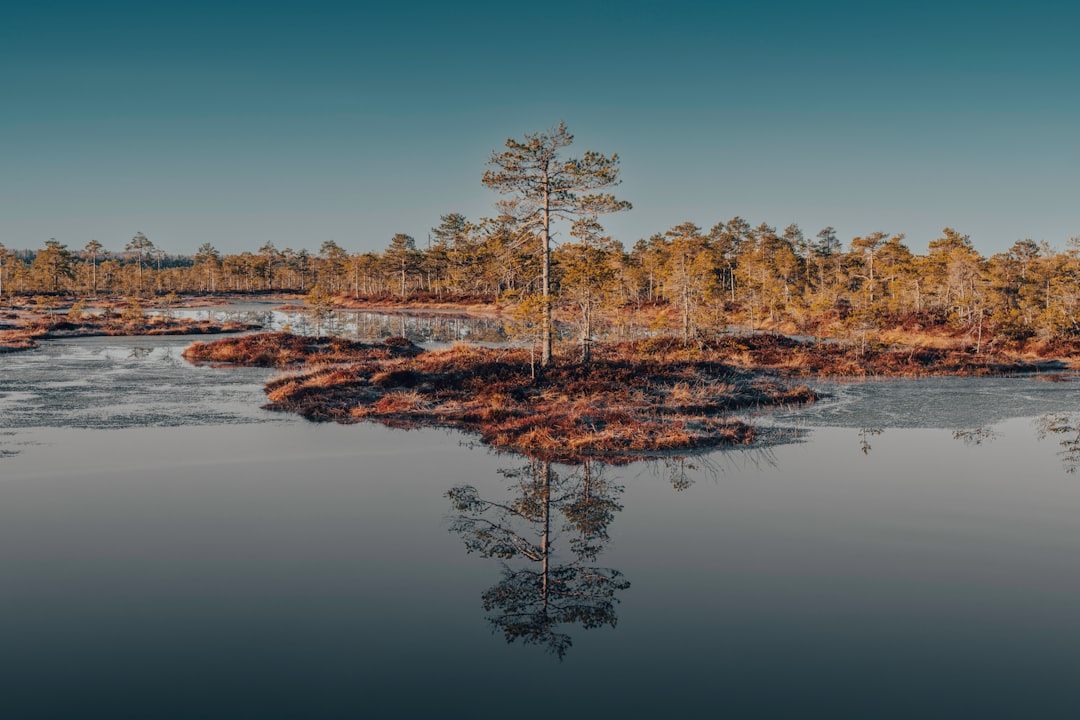
The whispers of ancient forests, the songs of flowing rivers, and the intricate dance of ecosystems—these are not mere natural phenomena; they are the living libraries of Indigenous ecological wisdom. For millennia, Indigenous peoples across the globe have cultivated a profound and symbiotic relationship with their environments, developing intricate knowledge systems that not only sustain life but also foster resilience and biodiversity. This wisdom, often dismissed or overlooked by Western scientific paradigms, holds immense potential for addressing the pressing environmental challenges of our time, from climate change to species extinction. Preserving and integrating this invaluable heritage is not just an act of cultural respect; it is a critical imperative for the future of our planet.
Indigenous ecological wisdom is not a static body of facts but a dynamic, evolving system of understanding, deeply intertwined with cultural practices, spirituality, and generational transmission. It is born from an intimate, long-term observation and interaction with the natural world, honed through countless seasons and generations.
A Deep and Enduring Connection to the Land
The genesis of Indigenous ecological knowledge lies in a fundamental worldview that perceives humans not as separate from, but as an integral part of, the natural world. This perspective fosters a sense of stewardship and responsibility, where the well-being of the land is inseparable from the well-being of the people. Unlike many Western philosophies that often view nature as a resource to be exploited, Indigenous traditions emphasize reciprocity and respect. This deep spiritual and cultural connection translates into a sophisticated understanding of ecological processes, recognizing the interconnectedness of all living things. For instance, many Indigenous communities have detailed knowledge of the life cycles of local flora and fauna, their interdependencies, and the subtle cues that signal changes in the environment.
Oral Traditions and Generational Transmission
A cornerstone of Indigenous ecological wisdom is its transmission through oral traditions, storytelling, ceremonies, and practical apprenticeships. Elders, as keepers of ancestral knowledge, play a vital role in educating younger generations. These narratives are not simply folklore; they are rich with ecological data, encoded in metaphors, songs, and practical instructions for sustainable living. Children learn by observing, participating, and listening to the stories that explain the origins of species, the cycles of seasons, and the proper protocols for interacting with different natural elements. This immersive learning process ensures that knowledge is not only memorized but deeply understood and internalized, fostering a lifelong commitment to environmental stewardship.
Holistic and Interconnected Understanding
Indigenous knowledge systems are inherently holistic, viewing ecological phenomena as interconnected parts of a larger, living system. This contrasts with reductionist approaches that often dissect ecosystems into discrete components. Indigenous peoples understand that the health of a forest depends on the health of its soil, the diversity of its plant life, the presence of pollinators, and the behaviors of its animal inhabitants. They recognize that disrupting one element can have cascading effects throughout the entire system. This holistic perspective allows for a more nuanced and comprehensive understanding of ecological dynamics, leading to more effective and sustainable management practices.
Indigenous ecological knowledge plays a crucial role in understanding and preserving the environment, as it encompasses the wisdom and practices developed by Indigenous communities over generations. For a deeper exploration of how historical narratives can shape our understanding of ecological systems, you might find the article “Uncovering the Secret History of Antarctica” insightful. It discusses the significance of historical contexts in environmental studies and how they relate to contemporary ecological practices. You can read it here: Uncovering the Secret History of Antarctica.
Manifestations of Indigenous Ecological Wisdom in Practice
The practical application of Indigenous ecological wisdom is evident in a diverse range of land management techniques, resource utilization strategies, and conservation efforts that have proven remarkably effective over centuries. These practices are not arbitrary; they are the result of deep understanding and adaptation to specific local environments.
Sustainable Land and Resource Management
Indigenous communities have developed sophisticated methods for managing their territories that have ensured their sustainability for millennia. These include rotational farming, controlled burning to promote biodiversity and reduce wildfire risk, and intricate water management systems. For example, the practice of swidden agriculture, often misunderstood as destructive deforestation, is in many Indigenous contexts a carefully managed system that allows for soil regeneration and the preservation of forest cover over time. Similarly, traditional fishing and hunting practices are often governed by strict protocols and taboos that prevent overexploitation and ensure the long-term health of populations.
Traditional Ecological Practices for Biodiversity Conservation
Many Indigenous traditions incorporate explicit practices aimed at conserving biodiversity. This can include designating sacred groves or natural areas where resource extraction is forbidden, planting diverse crops to enhance soil health and attract beneficial insects, and understanding the ecological roles of keystone species and their protection. The concept of “biocultural diversity”—the interwovenness of biological and cultural diversity—is central to this. The survival of specific plant species or animal populations might be linked to their cultural significance, ceremonial uses, or role in traditional medicines, thus creating a powerful incentive for their preservation.
Ethnobotany and Traditional Medicine
The rich knowledge of medicinal plants held by Indigenous peoples is a testament to their deep understanding of the natural world. Ethnobotany, the study of how people use plants, reveals vast repositories of knowledge about the therapeutic properties of countless species. This wisdom has been passed down through generations, with specific plants identified for treating a wide array of ailments, from wounds and infections to chronic diseases.
The Pharmaceutical Potential of Indigenous Knowledge
The identification and use of medicinal plants by Indigenous communities have contributed significantly to modern pharmacology. Many life-saving drugs have their origins in Indigenous knowledge, having been synthesized from compounds discovered in plants used for centuries by traditional healers. The ongoing exploration of ethnobotanical knowledge promises to uncover further valuable medicinal compounds, highlighting the immense untapped potential of this wisdom for human health.
Agroecology and Food Security
Indigenous agricultural systems are often characterized by their resilience, diversity, and sustainability. They frequently employ polyculture systems, integrating multiple crops and livestock in ways that mimic natural ecosystems. This approach enhances soil fertility, reduces pest outbreaks, and ensures greater food security in the face of environmental variability.
Indigenous Seed Saving and Diversified Farming
The practice of saving and exchanging traditional seeds is crucial for maintaining agricultural biodiversity. Indigenous communities often cultivate a wide array of heirloom varieties, adapted to local conditions and possessing unique nutritional and cultural values. This diversification not only strengthens food security but also provides a buffer against the impacts of climate change and disease.
Threats to Indigenous Ecological Wisdom
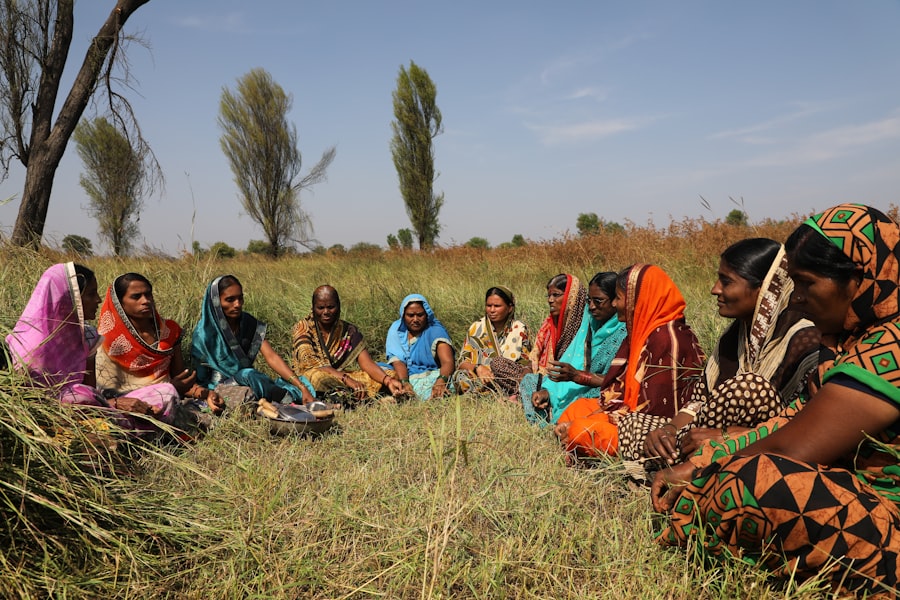
Despite its intrinsic value and proven efficacy, Indigenous ecological wisdom faces significant threats, largely driven by historical injustices, globalization, and the dominant Western paradigm of knowledge.
Colonial Legacies and Cultural Erasure
The history of colonialism has had a devastating impact on Indigenous cultures and their traditional knowledge systems. Colonial powers often suppressed Indigenous languages, religions, and governance structures, including their ecological practices. The imposition of foreign land management systems, the displacement of communities from their ancestral territories, and the forced assimilation policies have all contributed to the erosion and loss of this invaluable knowledge.
Loss of Language and its Ecological Nuances
Language is intrinsically linked to knowledge. When Indigenous languages are lost, so too are the specific terms, concepts, and nuanced understandings of the natural world that they encapsulate. Many Indigenous languages contain intricate vocabularies for describing plants, animals, soil types, weather patterns, and ecological processes that have no direct equivalents in dominant languages. The erosion of these languages represents a profound loss of ecological insight.
Globalization and Modernization Pressures
The pressures of globalization and modernization pose ongoing threats to Indigenous ecological wisdom. The influx of Western consumer culture, the shift towards industrialized agriculture, and the allure of urban livelihoods can lead younger generations to disengage from traditional practices. The commodification of natural resources and the expansion of extractive industries often encroach upon Indigenous territories, disrupting traditional ways of life and access to critical ecological knowledge.
The Impact of Extractive Industries on Traditional Territories
The exploitation of resources such as minerals, timber, and fossil fuels on or near Indigenous lands often leads to environmental degradation, habitat destruction, and contamination of water sources. This not only impacts the ecosystems that Indigenous peoples depend on but also disrupts their ability to practice traditional land management and gather the resources necessary for their cultural and physical survival, thereby undermining the transmission of ecological knowledge.
The Dominance of Western Scientific Paradigms
The historical marginalization and dismissal of Indigenous knowledge by dominant Western scientific institutions has been a significant barrier to its preservation and integration. Western science, with its emphasis on empirical observation, quantification, and laboratory experimentation, has often failed to recognize or value the qualitative, holistic, and place-based knowledge developed by Indigenous peoples.
The Need for Epistemological Pluralism
There is a growing recognition that Western scientific paradigms are not the only valid forms of knowledge. An epistemological pluralism, one that acknowledges and respects diverse ways of knowing, is essential for harnessing the full spectrum of human understanding of the natural world. This means actively seeking out, validating, and integrating Indigenous knowledge alongside scientific research.
Strategies for Preserving and Revitalizing Indigenous Ecological Wisdom
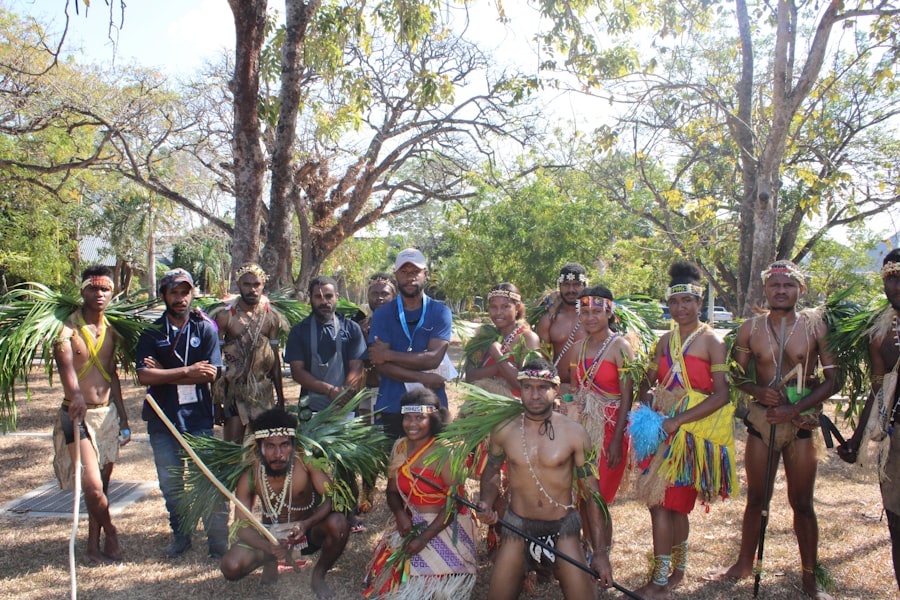
The preservation and revitalization of Indigenous ecological wisdom require a multi-faceted approach that centers Indigenous voices, empowers communities, and fosters collaborative partnerships.
Empowering Indigenous Communities and Self-Determination
The most effective strategies for preserving Indigenous ecological wisdom are those that are led by Indigenous peoples themselves. Supporting Indigenous self-determination, recognizing their rights to land and resources, and fostering their governance over their territories are foundational steps. When communities have control over their lands and their cultural practices, they are empowered to maintain and transmit their ancestral knowledge.
Supporting Indigenous-Led Conservation Initiatives
Investing in and supporting Indigenous-led conservation initiatives, such as community-based natural resource management programs and Indigenous protected areas, are critical. These initiatives often draw directly upon traditional ecological knowledge and practices, ensuring that conservation efforts are both culturally appropriate and ecologically effective.
Documentation and Knowledge Co-Creation
While oral traditions are vital, the documentation of Indigenous ecological knowledge can play a crucial role in its preservation, especially in the face of cultural erosion. However, this must be done ethically, with the full consent and active participation of Indigenous communities, and with a focus on empowering them to control their own narratives and knowledge.
Ethical Protocols for Knowledge Documentation
Establishing clear ethical protocols for the documentation and sharing of Indigenous knowledge is paramount. This includes principles of free, prior, and informed consent, data sovereignty, and ensuring that communities retain ownership and control over their intellectual property. Knowledge co-creation, where researchers and Indigenous knowledge holders collaborate as equal partners, fosters mutual respect and ensures that knowledge is documented in ways that are meaningful and beneficial to the community.
Integrating Indigenous Knowledge into Education and Policy
A crucial aspect of preserving Indigenous ecological wisdom is its integration into formal education systems and public policy. This involves incorporating Indigenous perspectives into curriculum development, recognizing traditional ecological knowledge as valid and complementary to Western science, and creating policy frameworks that respect and support Indigenous land management practices.
Revitalizing Indigenous Languages in Educational Settings
Supporting the revitalization of Indigenous languages within educational settings is essential for preserving the ecological knowledge embedded within them. This includes developing bilingual educational programs and creating opportunities for younger generations to learn from elders in their ancestral languages.
Fostering Intergenerational Knowledge Transfer and Cultural Revitalization
Active efforts to foster intergenerational knowledge transfer are vital for ensuring the continuity of Indigenous ecological wisdom. This can involve mentorship programs, traditional apprenticeships, and creating spaces for elders and youth to connect and share knowledge.
Creating Spaces for Intergenerational Dialogue and Learning
Establishing community-led initiatives that create dedicated spaces for intergenerational dialogue, storytelling, and hands-on learning are essential. These might include cultural camps, community gardens managed using traditional methods, or workshops led by elders on specific ecological practices.
Indigenous ecological knowledge plays a crucial role in understanding sustainable practices and biodiversity conservation. This knowledge, passed down through generations, offers valuable insights into local ecosystems and their management. For a broader perspective on how global dynamics can influence local practices, you might find it interesting to read about the complexities of international relations and their impact on various regions in the article on the rise of proxy wars, which can be found here. Understanding these global power struggles can help contextualize the challenges faced by Indigenous communities in preserving their ecological wisdom.
The Future of Indigenous Ecological Wisdom in a Changing World
| Indigenous Ecological Knowledge Metrics | Value |
|---|---|
| Traditional plant uses | Over 80% of indigenous communities rely on traditional plant knowledge for medicine and food |
| Land management practices | Indigenous communities have developed sustainable land management practices over centuries |
| Biodiversity conservation | Indigenous knowledge contributes to the conservation of biodiversity and ecosystem resilience |
| Climate change adaptation | Indigenous knowledge systems offer valuable insights for climate change adaptation and mitigation |
The preservation and integration of Indigenous ecological wisdom are not merely about protecting cultural heritage; they are about forging a more sustainable and resilient future for all. As the planet faces unprecedented environmental challenges, the insights and practices of Indigenous peoples offer invaluable lessons and pathways forward.
A Critical Resource for Climate Change Adaptation and Mitigation
Indigenous ecological knowledge provides a wealth of information and practical strategies for adapting to and mitigating the impacts of climate change. Their deep understanding of local ecosystems, their experience with ecological fluctuations, and their sustainable resource management practices offer invaluable insights into building resilience. For example, Indigenous knowledge of drought-resistant crops, water conservation techniques, and traditional land management that enhances carbon sequestration can be crucial in the face of a changing climate.
Inspiring New Models of Sustainable Development
Indigenous worldviews offer alternative models for development that prioritize ecological balance, social equity, and cultural integrity over relentless economic growth. By embracing principles of reciprocity, interconnectedness, and long-term sustainability, these models can inspire innovative approaches to resource management, economic development, and societal well-being that are more aligned with planetary limits.
Reimagining Our Relationship with Nature
Ultimately, preserving Indigenous ecological wisdom is about reimagining humanity’s relationship with the natural world. It calls for a shift from anthropocentrism to ecocentrism, recognizing the intrinsic value of all life and the interconnectedness of all beings. By learning from and collaborating with Indigenous peoples, we can foster a deeper respect for nature, cultivate more sustainable practices, and build a more harmonious future for generations to come. The whispers of the ancient forests, understood through the lens of Indigenous wisdom, offer a profound and hopeful path forward.

The Wilderness Was Engineered
FAQs
What is Indigenous ecological knowledge?
Indigenous ecological knowledge refers to the knowledge, practices, and beliefs of indigenous communities about their environment and natural resources. It encompasses traditional ecological knowledge, cultural practices, and spiritual beliefs that have been passed down through generations.
How is Indigenous ecological knowledge important?
Indigenous ecological knowledge is important because it provides valuable insights into sustainable resource management, biodiversity conservation, and ecosystem resilience. It also contributes to the understanding of complex ecological relationships and can inform modern conservation and environmental management practices.
What are some examples of Indigenous ecological knowledge?
Examples of Indigenous ecological knowledge include traditional land management practices, medicinal plant knowledge, wildlife tracking and hunting techniques, and seasonal calendars based on natural indicators. Indigenous communities also have deep understanding of local ecosystems, weather patterns, and the interconnections between different species.
How is Indigenous ecological knowledge different from Western scientific knowledge?
Indigenous ecological knowledge is often based on holistic and interconnected perspectives, incorporating spiritual and cultural dimensions. It is also deeply rooted in local ecosystems and traditional practices. In contrast, Western scientific knowledge tends to be more focused on empirical observation, experimentation, and analysis within a specific disciplinary framework.
How can Indigenous ecological knowledge be integrated into modern conservation efforts?
Integrating Indigenous ecological knowledge into modern conservation efforts involves recognizing and respecting the rights and perspectives of indigenous communities, collaborating with them in decision-making processes, and incorporating their traditional practices and knowledge into conservation strategies. This can lead to more effective and culturally sensitive conservation initiatives.