The ingenuity of prehistoric peoples in devising methods to preserve food is a testament to their deep understanding of their environment and the pressing need for sustenance in a world without modern refrigeration. Among the most fundamental and enduring techniques was the preservation of meat, a critical source of protein and fat, through drying. This was not a haphazard process; rather, it involved sophisticated practices, often centered around the construction and utilization of specialized drying racks. These ancient structures, simple in their concept yet remarkably effective, allowed early humans to extend the edibility of meat, a vital strategy for surviving lean periods, seasonal scarcity, and for supporting nomadic lifestyles. Exploring these prehistoric drying racks offers a fascinating glimpse into the daily lives, resourcefulness, and technological advancements of our ancient ancestors.
The Imperative of Preservation: Why Drying Meat Was Crucial
The lives of prehistoric humans were inextricably linked to the availability of food. Hunting provided a bountiful, albeit unpredictable, source of sustenance. A successful hunt could yield a substantial amount of meat, far more than could be consumed immediately. Without effective preservation methods, this valuable resource would quickly spoil, leading to waste and potentially dangerous foodborne illnesses. The development of drying as a preservation technique was therefore not merely an improvement; it was a fundamental requirement for survival and the expansion of human populations.
Battling the Elements and Microbes
The primary goal of drying is to remove moisture from food. Bacteria, yeasts, and molds, the agents of spoilage, require water to grow and multiply. By significantly reducing the water content of meat, prehistoric peoples created an environment inhospitable to these microorganisms. This process effectively halted or drastically slowed down decomposition, allowing meat to be stored for extended periods. The sun’s heat and the drying effect of the wind were natural allies in this endeavor.
Supporting Nomadic Lifestyles
Many prehistoric human groups were nomadic or semi-nomadic, following migratory herds or seasonal plant resources. Carrying large quantities of fresh meat on long journeys was impractical due to its weight and perishability. Dried meat, in contrast, is lightweight and shelf-stable, making it an ideal portable food source. This allowed hunting parties to venture further from their home bases and enabled entire communities to sustain themselves during extensive migrations, opening up new territories and resource-rich environments.
Creating Reserves for Scarcity
Periods of drought, harsh winters, or failed hunting seasons posed significant threats to prehistoric populations. The ability to preserve excess meat from times of plenty provided a crucial buffer against these inevitable periods of scarcity. Dried meat stored away could be accessed during times of famine, significantly increasing the chances of survival for individuals and communities. This foresight and planning were essential for the long-term viability of human groups.
In the study of prehistoric food preservation techniques, the use of drying racks for meat has garnered significant attention from archaeologists and historians alike. These ancient methods not only highlight the ingenuity of early humans in extending the shelf life of their food but also provide insights into their daily lives and survival strategies. For a deeper exploration of how ancient practices connect to our understanding of history, you can read the article on uncovering the unknown past in Antarctica, which discusses various archaeological findings and their implications. For more information, visit this link.
The Architecture of Preservation: Designing Effective Drying Racks

The construction of drying racks was not an afterthought but a deliberate engineering solution to the problem of meat preservation. While the exact designs varied depending on available materials and local environmental conditions, a common set of principles guided their creation. The fundamental aim was to maximize exposure to air and sun while protecting the meat from contamination and pests.
Elevated Structures for Airflow and Protection
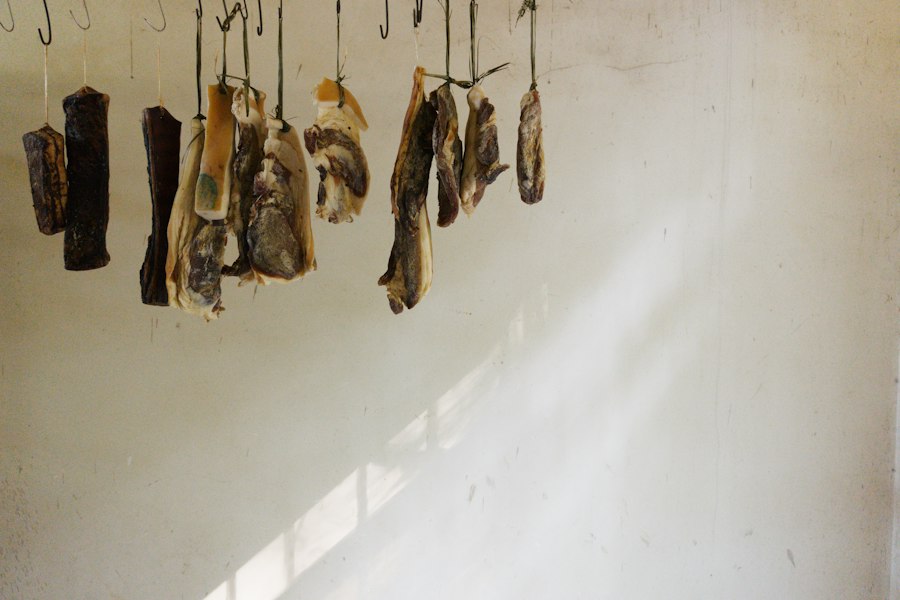
The most distinguishing feature of prehistoric drying racks was their elevated design. By suspending meat off the ground, these structures offered several advantages. Firstly, it allowed for unimpeded airflow around the meat, facilitating the drying process from all sides. This was crucial for efficient moisture removal and prevented moisture from pooling, which could lead to spoilage. Secondly, elevation provided protection from ground-dwelling predators, scavengers, and insects that would otherwise have readily consumed or contaminated the precious meat.
Material Selection and Construction Techniques
The materials used for constructing these racks were typically readily available in the natural environment. Wood, in the form of branches, poles, and larger logs, formed the primary framework. Animal bones, particularly large, sturdy ones, could also be incorporated into the structure, offering durability and a unique aesthetic. Thicker branches or split logs often served as the horizontal supports upon which the meat was laid or hung. The methods of joining these components would have varied. Lashing with animal sinew, plant fibers like grass or bark strips, or even raw hide would have been employed to secure the frame. In some cases, natural crooks in branches or notches cut into poles might have provided sufficient support without the need for extensive binding.
Variations in Design and Functionality
While a general elevated platform was common, variations existed to suit specific needs. Some racks might have been simple, single-level platforms, while others could have been more elaborate, multi-tiered structures, allowing for the drying of larger quantities of meat simultaneously. The size and shape of the racks would also have been adapted to the type and size of the animals being processed. For larger game, wider and sturdier racks would have been necessary. In some regions, racks might have been built near water sources for ease of access, while in others, they might have been situated on higher ground to maximize exposure to sunlight and wind. The presence of overhangs or rudimentary roofing, perhaps made from animal hides or large leaves, might have offered protection from sudden rain showers, ensuring the drying process was not interrupted.
The Art of Preparation: Preparing Meat for the Rack
The effectiveness of the drying process was heavily reliant on the careful preparation of the meat before it was placed on the racks. This preparation involved not only butchering but also treatments designed to further inhibit spoilage and enhance the drying process.
Strategic Butchering for Optimal Drying
The way meat was cut played a significant role in its drying efficiency. Large, thick cuts of meat would dry unevenly, with the outer layers becoming desiccated while the inner portions remained moist and prone to spoilage. Prehistoric butchers understood this principle and would typically slice meat into thinner strips or smaller pieces. This increased the surface area exposed to the air, allowing for more rapid and uniform drying. Bones were often removed from the meat, as they could trap moisture and slow down the overall drying process. Even tougher connective tissues might have been trimmed or cut to facilitate easier drying and a more palatable final product.
Initial Processing for Preservation
Beyond simple slicing, some initial processing steps might have been employed to further aid preservation. Salting, though perhaps not as refined as modern methods, could have been a significant practice. Early humans would have had access to natural salt deposits or could have derived salt from evaporating seawater. Rubbing salt into the meat would have drawn out moisture through osmosis and further inhibited microbial growth. Even without explicit salting, the natural salts present in animal tissues would have contributed to the preservation process. In some instances, smoking might have been used in conjunction with drying. While smoking is often considered a distinct preservation method, the smoke itself contains antimicrobial compounds, and the heat from the fire could have contributed to initial drying. The meat might have been hung over low-smoldering fires for a period before being transferred to the drying racks.
Selecting the Best Cuts
Prehistoric hunters and butchers likely possessed a keen understanding of which cuts of meat were best suited for drying. Leaner meats with less fat would have dried more effectively. While fat is a valuable calorie source, excessive fat can become rancid and hinder the drying process. Therefore, fattier portions might have been consumed fresh or rendered down for other uses, while leaner muscle tissues were prioritized for drying and long-term storage. This discerning selection further speaks to their pragmatic approach to resource management.
The Drying Process: Harnessing Nature’s Power
The actual drying of meat on the racks was a nuanced process that required careful monitoring and adaptation to prevailing environmental conditions. It was a delicate balance between leveraging the sun and wind and ensuring the meat was not exposed to excessive moisture or detrimental elements.
The Role of Sun and Wind
The primary drivers of the drying process were the sun’s heat and the circulating air. Placing the racks in open, sunny locations was paramount. The sun’s rays would heat the meat, accelerating the evaporation of moisture. The wind played a crucial role in carrying away this evaporated moisture, constantly replenishing the air with a capacity to absorb more water. In arid or semi-arid climates, these natural forces were incredibly effective. The prevailing winds would sweep across the racks, stripping away moisture and ensuring consistent drying.
Monitoring and Management of the Meat
The drying process was not a set-it-and-forget-it operation. Prehistoric people would have actively monitored the meat to ensure it was drying properly. They would likely have rotated the pieces to expose different surfaces to the sun and wind. If a piece was drying too quickly on one side and remaining moist on another, it would be repositioned. They would also have been vigilant for signs of spoilage or insect infestation, removing any pieces that showed signs of problems to prevent them from affecting the rest of the batch. The meat would be inspected regularly, perhaps daily or even more frequently depending on the weather.
Protection from Unfavorable Conditions
While the sun and wind were essential, they could also be detrimental. Heavy rain would obviously halt the drying process and could reintroduce moisture, leading to spoilage. In such instances, the meat might have been brought down from the racks and temporarily stored in a dry, sheltered location. Strong winds, while beneficial, could also be a problem if they carried dust and debris that would contaminate the meat. Rudimentary shelters or awnings, as mentioned earlier, might have been employed to mitigate these risks. Similarly, during periods of high humidity, drying would have been slower and more challenging, requiring greater vigilance and perhaps extended drying times. The experience and accumulated knowledge of generations would have informed their decisions on when to process meat and how to manage the drying process under varying conditions.
In exploring the fascinating methods of food preservation used by prehistoric cultures, one can gain insight into the significance of drying racks for meat preservation. These ancient techniques not only allowed early humans to extend the shelf life of their food but also played a crucial role in their survival during harsh seasons. For a deeper understanding of how ancient practices can inform modern strategies, you might find it interesting to read about contemporary approaches in a related article on security strategies, which can be found here.
Beyond Preservation: The Cultural Significance of Dried Meat
| Metric | Description | Typical Value / Range | Unit |
|---|---|---|---|
| Drying Time | Duration required to dry meat on racks under prehistoric conditions | 2 – 7 | Days |
| Temperature Range | Ambient temperature suitable for drying meat without spoilage | 10 – 30 | °C |
| Humidity Level | Relative humidity optimal for drying meat effectively | 30% – 60% | Percent (%) |
| Rack Height | Distance of drying rack above ground to avoid contamination | 1 – 2 | Meters |
| Meat Thickness | Thickness of meat strips placed on drying racks | 1 – 3 | Centimeters |
| Preservation Duration | Length of time dried meat remains edible without refrigeration | Several months | Months |
| Wind Exposure | Airflow around racks to aid drying and prevent mold | Moderate breeze | Qualitative |
The practice of preserving meat on drying racks extended beyond its purely utilitarian function of providing sustenance. Dried meat likely held significant cultural and social importance within prehistoric communities, influencing their social structures, rituals, and even their artistic expressions.
A Symbol of Abundance and Security
Having a store of dried meat represented a tangible symbol of abundance and security. It meant that the community had successfully hunted and processed enough to not only survive but to thrive. This stored wealth could be shared during communal feasts, reinforcing social bonds and demonstrating the success of the group’s hunters. The ability to provide for the community through preserved resources would have undoubtedly elevated the status of those responsible for hunting and preparation.
Integral to Rituals and Trade
Dried meat, as a valuable and portable commodity, likely played a role in prehistoric rituals and trade networks. It could have been offered as a sacrifice to appease deities or spirits, a way of ensuring continued success in the hunt and prosperity for the community. Furthermore, dried meat could have been a significant item in inter-group exchange. Communities with surplus dried meat could have traded it for other essential resources they lacked, fostering relationships and economic interdependence between different groups. This exchange would have facilitated the diffusion of knowledge and technologies, including improved methods of meat preservation.
Inspiring Art and Storytelling
The very act of hunting, butchering, and preserving meat was likely embedded in the cultural narratives of prehistoric peoples. The successful hunt, the arduous task of preparing and drying the meat, and the subsequent feasting would have been subjects for storytelling, songs, and visual art. Depictions of animals, hunting scenes, and perhaps even stylized representations of drying racks might have adorned cave walls or been incorporated into portable artifacts. These artistic expressions served not only as a means of communication and entertainment but also as a way to transmit cultural knowledge and reinforce the importance of these fundamental survival practices across generations. The drying rack, therefore, was not just a tool; it was a vital component of a complex system of survival, social organization, and cultural expression that defined the lives of our earliest ancestors.