The arid heart of Iran, a land cradled by vast deserts and rugged mountains, has long been a testament to human ingenuity in the face of water scarcity. For millennia, Persian civilizations have not merely survived but thrived by mastering the art of water management. Their legacy is etched into the landscape in the form of ingenious ancient innovations, a testament to a profound understanding of hydrology, engineering, and a deep respect for this vital resource. These systems, developed over centuries, offer invaluable lessons for contemporary efforts in sustainable water management, demonstrating a holistic approach that integrated ecological principles with practical solutions. The preservation of this rich water heritage is not just an academic pursuit; it is a crucial endeavor that can inform and inspire a more resilient and sustainable future, particularly in regions grappling with similar environmental challenges.
Echoes of Ingenuity: The Qanat System’s Enduring Wisdom
The qanat, a subterranean channel that transports water from an aquifer to the surface, stands as the quintessential symbol of Persian water engineering. This remarkable invention, predating the Roman aqueducts and the Byzantine cisterns, allowed ancient Persians to tap into groundwater sources that were otherwise inaccessible and to deliver water reliably over considerable distances. The construction of a qanat was a monumental undertaking, requiring meticulous planning, extensive labor, and a sophisticated understanding of geology and hydrogeology. The system’s genius lies in its ability to harness gravity without the need for mechanical pumps, a feat that was revolutionary for its time and remains remarkably efficient.
The Anatomy of a Qanat: Unveiling the Underground Network
A qanat system is comprised of several key components, each playing a vital role in its functionality. At its origin, a vertical well, known as a “madah,” is dug into the ground until it reaches the water table. From this well, a gently sloping tunnel, the “chah” or “kareez,” is excavated horizontally towards the point of delivery, often a settlement or agricultural land. The slope of the tunnel is crucial; too steep, and the water would flow too quickly, causing erosion and potential collapse. Too shallow, and the water would not reach its destination. The excavators worked from both ends, meeting in the middle, a testament to their surveying skills and coordination. Numerous vertical shafts, known as “chah-e khorooj” or “madi,” were strategically placed along the length of the qanat. These shafts served multiple purposes: they allowed for ventilation during construction, provided access for maintenance and repairs, and enabled the removal of excavated earth. The spacing of these shafts was determined by the depth of the qanat, ensuring that the excavated material could be efficiently brought to the surface without requiring extensive hauling. The careful construction of these shafts also created a gentle, consistent gradient that facilitated the flow of water by gravity.
The Qanat’s Lifeline: Sustaining Life in Arid Landscapes
The impact of qanats on Persian civilization cannot be overstated. They transformed arid and semi-arid regions into fertile oases, supporting thriving agricultural communities and enabling the growth of cities. These underground arteries provided a consistent and reliable water supply, even during periods of drought, when surface water sources would typically dry up. The qanats were not just conduits; they were lifelines that sustained agriculture, provided drinking water, and supported a burgeoning economy. The construction and maintenance of qanats fostered a strong sense of community, as villagers often worked together to build and repair these vital systems. The shared responsibility for maintaining the qanat reinforced social bonds and ensured the long-term viability of the communities they served. The water managed by qanats was often distributed according to intricate customary laws and practices, reflecting a deep understanding of equitable allocation and resource management.
The intricate systems of Persian water heritage, which showcase the advanced engineering and management of water resources in ancient Persia, are a testament to the civilization’s ingenuity. For those interested in exploring how ancient cultures, including the Persians, understood and utilized natural phenomena, a related article can be found at Uncovering Ancient Astronomy Secrets. This article delves into the astronomical knowledge of ancient civilizations and how it influenced their agricultural practices, including water management techniques.
Beyond the Qanat: Diverse Techniques for Water Conservation
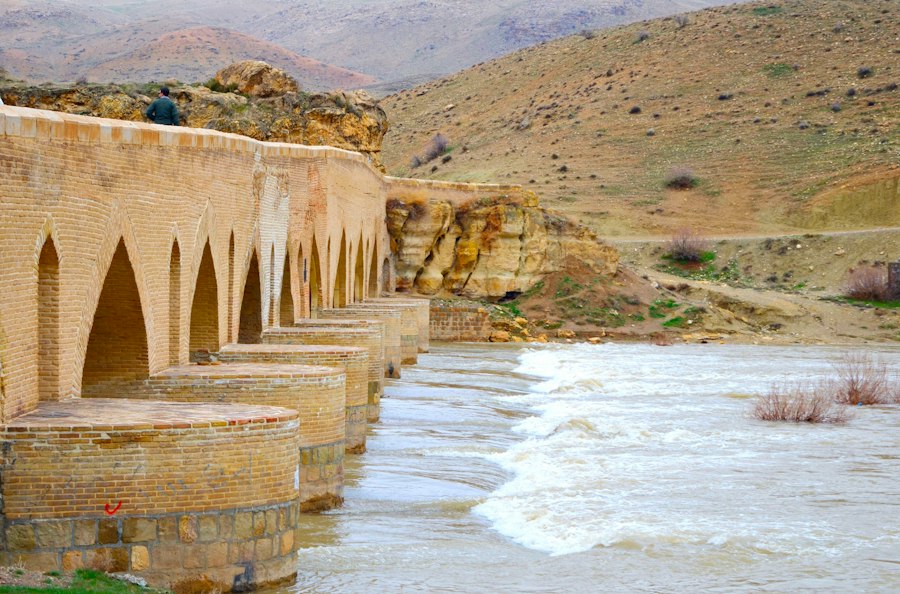
While qanats are perhaps the most iconic example, Persian water heritage encompasses a broader spectrum of innovative techniques designed to capture, store, and manage water in its various forms. These methods, honed over centuries of trial and error, demonstrate a nuanced understanding of local hydrology and a commitment to maximizing every drop of precious water. From intricate dam constructions to sophisticated cisterns, these systems showcase a remarkable adaptability to diverse geographical and climatic conditions.
The Art of Storage: Cisterns and Reservoirs for Arid Climates
In areas where groundwater was less accessible or where surface water needed to be conserved, Persians developed elaborate systems of cisterns and reservoirs. These structures, often built underground or partially submerged, were designed to collect rainwater and seasonal runoff, storing it for use during drier periods. The most famous examples are the “āb-anbārs,” grand domed structures that served as public water reservoirs in cities and towns. These āb-anbārs were not merely utilitarian; they were architectural marvels, often adorned with intricate tilework and serving as focal points for social gatherings. The design of these cisterns was crucial for minimizing evaporation and preventing contamination. Their thick, insulated walls, often made of a special mortar called “sārooj,” helped maintain a cool temperature, further reducing water loss.
Harnessing the Flow: Dams, Weirs, and Water Distribution Networks
Persians also excelled in the construction of dams and weirs, not for large-scale impoundment as we see today, but for diverting and managing natural water flows for irrigation. These structures, often built with local materials like stone and earth, were designed to channel water into a network of canals and channels, ensuring its equitable distribution among farmers. The “band” or “diz” structures, for instance, were strategically placed to intercept seasonal floods, allowing the water to be stored in shallow basins or directed to fields. Beyond these larger structures, a complex system of smaller canals, sluice gates, and diversion channels managed the intricate distribution of water within agricultural lands. This intricate web of waterways allowed for precise control over water allocation, minimizing waste and maximizing agricultural productivity. The careful planning and construction of these systems reflect a deep understanding of the dynamics of water flow and its critical role in sustaining agricultural life.
The Principles of Persian Water Management: Sustainability at its Core
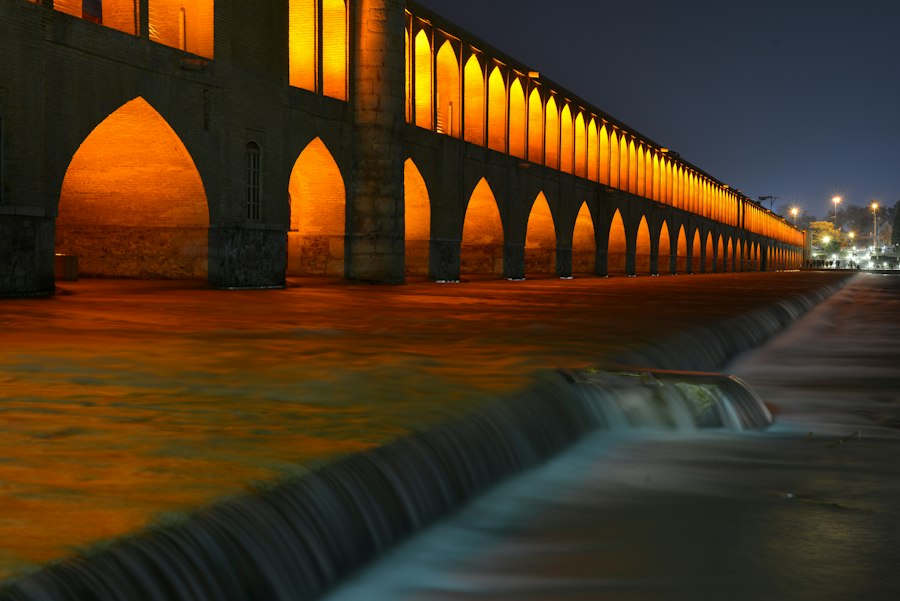
The enduring success of Persian water management systems lies in their inherent adherence to principles of sustainability. These were not engineered with a short-term focus; rather, they were designed for longevity, respecting ecological limits and ensuring the well-being of both the environment and the communities that depended on them. This holistic approach, emphasizing efficiency, conservation, and equitable distribution, offers a compelling model for contemporary water challenges.
Respecting the Environment: Flow, Balance, and Ecological Harmony
A fundamental principle underpinning Persian water management was a profound respect for the natural environment. Unlike modern approaches that often seek to dominate and control nature, ancient Persians worked in harmony with it. They understood the importance of maintaining natural water flows, preventing excessive extraction from rivers and aquifers, and minimizing the ecological impact of their interventions. The construction of qanats, for example, carefully avoided disrupting major groundwater systems. The design of dams and weirs focused on redirection rather than drastic alteration of river courses. This approach ensured the long-term health of ecosystems and the continued availability of water resources for future generations. This deep-seated reverence for nature was often intertwined with spiritual beliefs, further reinforcing the imperative to manage water responsibly.
Equity and Access: Customary Laws and Social Contracts
The equitable distribution of water was a cornerstone of Persian water management. This was not left to chance but was governed by sophisticated customary laws and social contracts that ensured fair access for all members of the community. Water rights were clearly defined, and mechanisms were in place for resolving disputes and ensuring that no single entity could monopolize this vital resource. The maintenance of qanats and irrigation systems was a communal responsibility, fostering a sense of shared ownership and collective stewardship. This commitment to equity ensured that water scarcity did not lead to social unrest but rather fostered cooperation and mutual reliance. These traditional water management systems often involved community-based decision-making processes, where elders and experienced water users would collectively determine allocation and maintenance schedules.
The Decline and Resilience of a Cherished Heritage
Despite their sophistication and effectiveness, many of these ancient water management systems have faced decline in recent centuries. This decline can be attributed to a confluence of factors, including changing political landscapes, the advent of modern technologies, and shifts in land use patterns. However, the resilience of this heritage is also evident, with ongoing efforts to revive and adapt these ancient practices for contemporary needs.
Challenges of Modernization: Neglect and Technological Shifts
The introduction of modern technologies, such as deep tube wells and large-scale dams, often led to the neglect and eventual abandonment of traditional systems. The perceived efficiency and immediate yields of these new methods overshadowed the slower, more sustainable, but equally effective ancient techniques. In some cases, centralized governance and infrastructure development bypassed or undermined the localized, community-based management of water resources. Furthermore, rapid population growth and increased agricultural demands placed unprecedented pressure on existing water sources, often exceeding the sustainable capacities of the ancient systems. This, coupled with a lack of investment in maintenance and repair, contributed to the gradual degradation of qanats and other heritage water structures.
Revival and Adaptation: Modern Relevance of Ancient Wisdom
In recent years, there has been a growing recognition of the immense value of Persia’s water heritage. Researchers, engineers, and local communities are actively working to document, preserve, and in some cases, revive these ancient systems. Understanding the principles behind their long-term sustainability is crucial for developing innovative solutions to contemporary water crises. For instance, the principles of gravity-fed water distribution and minimal evaporation employed in qanats and āb-anbārs offer valuable insights for designing water-efficient infrastructure in arid and semi-arid regions worldwide. The traditional methods of water conservation and management are being re-examined and adapted to fit modern contexts, demonstrating that the wisdom of the past can indeed illuminate the path forward. This revival is not simply about historical preservation; it is about harnessing time-tested knowledge to address the urgent challenges of water scarcity in the 21st century.
The intricate system of Persian water heritage showcases the remarkable engineering skills of ancient civilizations in managing water resources. A fascinating exploration of similar ancient technologies can be found in the article that discusses the innovative methods used for water control in historical contexts. For more insights on this topic, you can read about these ancient control technologies in the article here. Understanding these systems not only highlights the ingenuity of past societies but also emphasizes the importance of sustainable water management practices that are still relevant today.
Lessons for the Future: Reimagining Water Management
| Heritage Site | Location | Type | Historical Period | Function | Current Status |
|---|---|---|---|---|---|
| Qanat System | Various regions in Iran | Underground aqueduct | Ancient Persia (circa 1000 BCE) | Water supply for irrigation and drinking | Still in use, UNESCO recognized |
| Shushtar Historical Hydraulic System | Shushtar, Khuzestan Province | Complex water management system | Sassanian Era (3rd century CE) | Irrigation, milling, and urban water supply | UNESCO World Heritage Site |
| Ab Anbar of Qazvin | Qazvin | Underground water reservoir | Safavid Period (16th-17th century) | Water storage for dry seasons | Preserved and restored |
| Band-e Kaisar (Caesar’s Dam) | Dezful, Khuzestan Province | Ancient dam | Sassanian Era (3rd century CE) | Water regulation and irrigation | Partially functional, archaeological site |
| Persian Gardens Water Features | Various locations including Shiraz and Isfahan | Water channels, pools, fountains | Various periods, notably Safavid | Aesthetic and cooling purposes | Maintained as cultural heritage |
The legacy of Persian water heritage offers a profound wellspring of inspiration and practical guidance for navigating the complex water challenges of the 21st century. The interconnectedness of these systems with the environment, their emphasis on community collaboration, and their inherent focus on long-term sustainability provide a powerful counterpoint to many of the unsustainable water management practices prevalent today. By studying and learning from these ancient innovations, we can begin to reimagine our approach to water, fostering a future where this vital resource is managed with wisdom, respect, and foresight.
Integrating Traditional Knowledge with Modern Science
The most promising path forward lies in the thoughtful integration of traditional Persian water management knowledge with contemporary scientific understanding and technological advancements. This cross-pollination can lead to innovative solutions that are both effective and environmentally sound. For example, modern GIS mapping and remote sensing technologies can be used to better understand the hydrological characteristics of qanat systems, aiding in their restoration and maintenance. Similarly, understanding the ecological principles that guided the ancient Persians in selecting construction sites and designing watercourses can inform modern environmental impact assessments and sustainable development projects. The emphasis on community participation, a hallmark of traditional water management, can also be incorporated into modern governance frameworks to ensure more equitable and effective water resource management.
Cultivating a Culture of Water Stewardship
Ultimately, the enduring lesson from Persia’s water heritage is the importance of cultivating a culture of water stewardship. This involves fostering a deep appreciation for water as a finite and precious resource, promoting responsible consumption, and encouraging collective action towards its conservation. The ancient Persians understood that water was not merely a commodity but a sacred trust, passed down through generations. By embracing this philosophy of stewardship, we can move towards a future where water security is not an aspiration but a reality, sustained by the enduring wisdom of our ancestors and the shared commitment of communities worldwide. This cultural shift is paramount, as technological solutions alone cannot address the complex socio-environmental challenges related to water.
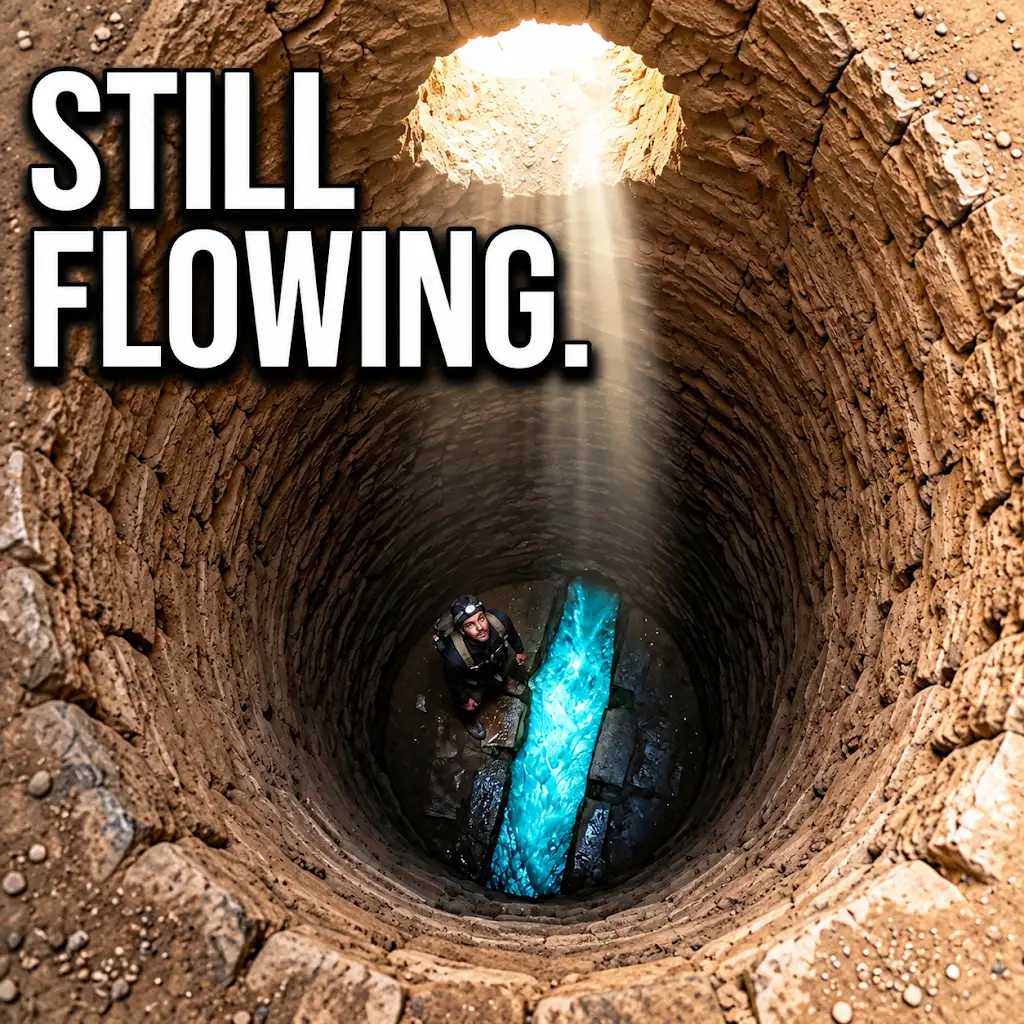
They Dug Water Tunnels Under the Desert… And They Still Flow
FAQs
What is Persian water heritage?
Persian water heritage refers to the historical and cultural significance of water management practices in Iran, including ancient aqueducts, qanats, and water gardens.
What are qanats and how are they significant in Persian water heritage?
Qanats are underground channels used to transport water from aquifers in the mountains to the surface for irrigation and drinking. They are significant in Persian water heritage as they have been used for thousands of years to provide a reliable water supply in arid regions.
How have Persian water gardens contributed to the country’s water heritage?
Persian water gardens, known as “charbagh,” are designed with a central fountain or pool surrounded by four quadrants. These gardens not only provide a peaceful retreat but also showcase the importance of water in Persian culture and architecture.
What role did Persian water management play in the development of agriculture in ancient times?
Persian water management, including the construction of qanats and underground channels, played a crucial role in the development of agriculture in ancient times by providing a consistent water supply for irrigation, allowing crops to flourish in arid regions.
How is Persian water heritage being preserved and promoted in modern times?
In modern times, efforts are being made to preserve and promote Persian water heritage through conservation projects, educational programs, and the recognition of UNESCO World Heritage Sites such as the Persian Qanat.