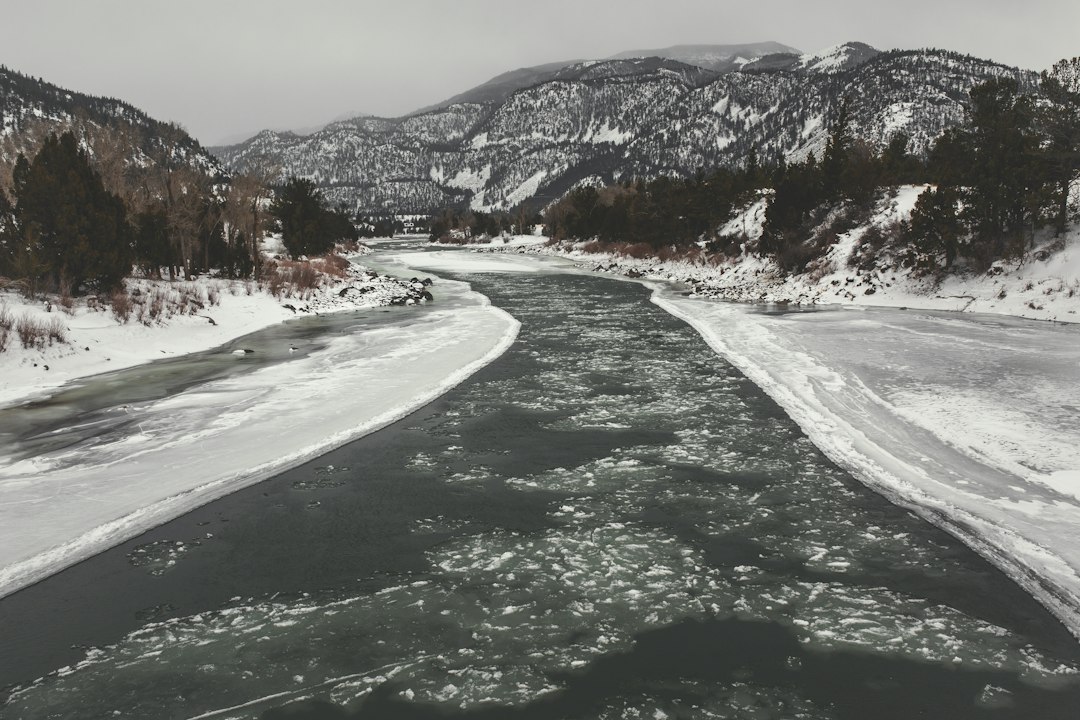
Unveiling the Frozen Depths: The Allure of Ice Fishing
Beneath a crystalline sky, where winter’s icy grip transforms the familiar landscape into a wonderland of frosted trees and snow-laden fields, a unique and ancient pursuit calls to the adventurous soul. It is the art of ice fishing, a practice that plunges participants into a world far removed from the everyday, offering a thrilling connection to the raw power of nature and the subtle secrets of the underwater realm. Far from being a passive observation of frozen scenery, ice fishing is an active, engaging, and often exhilarating winter adventure, demanding patience, skill, and a deep respect for the elements. The allure lies not just in the potential catch, but in the very act of being present in a stark, beautiful, and sometimes unforgiving environment. It is a dance with the sub-zero temperatures, a test of endurance, and a gateway to an often-unseen ecosystem thriving beneath the surface. The silent, frozen expanse of a river or lake holds a primal beauty, and to break through that ice, to reach the hidden aquatic life, is to engage with a fundamental aspect of survival and sustenance that has echoed through human history.
Primal ice fishing beneath frozen rivers is not only a test of skill and patience but also a deep connection to ancient traditions and the natural world. For those interested in understanding the broader context of how weather patterns and natural signs influence such activities, a related article titled “Ancient Weather Wisdom: Understanding Nature’s Signs” provides valuable insights. You can read more about it here: Ancient Weather Wisdom: Understanding Nature’s Signs. This article explores how our ancestors interpreted the environment, which can enhance the experience of modern-day ice fishing.
The Call of the Ice: Why Embark on This Frozen Expedition?

The reasons that draw individuals to the frozen frontier of ice fishing are as varied as the species that swim beneath the ice. For some, it is the profound sense of peace and solitude that a frozen landscape offers. The hushed stillness, broken only by the whisper of the wind or the gentle crackle of ice, provides a sanctuary from the constant noise and demands of modern life. It is a chance to reconnect with oneself, to engage in a meditative practice where the focus narrows to the tip of a rod, the subtle vibrations of a line, and the anticipation of what lies beneath. This introspective aspect is a significant draw for many, offering a mental reset and a chance to cultivate patience and mindfulness.
Beyond the internal benefits, the thrill of the chase plays a vital role. Ice fishing is not a guaranteed bounty; it is a game of strategy, knowledge, and a touch of luck. The angler must understand the habits of fish in winter, deciphering their movements and preferences in the colder water. This intellectual challenge, coupled with the physical demands of drilling holes, setting up shelters, and enduring the cold, creates a sense of accomplishment that is deeply rewarding. The moment a fish bites, the line tightens, and the reel screams, the quiet solitude is shattered by a jolt of adrenaline, a visceral connection to the wild.
Furthermore, ice fishing is a deeply social activity for many. It fosters camaraderie among friends and family, transforming a solitary pursuit into a shared experience. Gathered around a warm shelter, sharing stories and laughter, the challenges of the cold become less daunting and the joys of the catch are amplified. These gatherings create lasting memories, a shared bond forged in the crucible of winter. It is a tradition passed down through generations, a way to connect with heritage and the skills of ancestors who relied on frozen waterways for sustenance.
Embracing the Elements: The Unique Environment of Ice Fishing
The very act of ice fishing necessitates a profound engagement with the winter environment. It is an immersion into a world sculpted by frost and snow, where the air bites with a crispness that awakens the senses. The landscape transforms, becoming a canvas of whites and blues, a stark yet beautiful testament to nature’s power. Rivers, once flowing currents, become solid, dependable highways, their surfaces transformed into opaque sheets of ice. This frozen medium is not merely a passive platform; it is an active participant in the experience, dictating the possibilities and challenges of the endeavor. The thickness and integrity of the ice are paramount, a constant reminder of the power and unpredictability of nature. Understanding ice conditions is not just a safety precaution; it is a fundamental element of successful and responsible ice fishing. The crackling sounds, the shifting groans, and the visual cues of pressure ridges all speak a language that the experienced angler learns to interpret.
The Thrill of the Catch: A Reward for Patience and Skill
While the serenity of the frozen landscape is a significant draw, the ultimate reward for many ice anglers lies in the thrill of the catch. Unlike open-water fishing, where the unseen world is a mystery, ice fishing often involves more direct interaction with the underwater environment through vertical jigging and precise bait placement. The angler becomes a miner of the aquatic depths, meticulously working their lure or bait in the hopes of attracting a predatory fish. The patience required is immense. Hours can pass with only the gentle sway of the rod tip for company, but that patience is rewarded when the slightest tap or tug signals a potential bite. The ensuing fight, with the fish often battling against the ice and the angler’s gear, is a concentrated burst of excitement. The sound of the line singing off the reel, the thrumming vibration transmitted through the rod, and the visual dance of the fish beneath the ice create a primal thrill. It is a testament to the angler’s skill in enticing a creature from its frigid domain and their ability to bring it to the surface. The satisfaction of a successful catch, whether it be a feisty perch or a formidable pike, is a powerful culmination of the entire experience, a tangible result of perseverance and understanding.
Gear Up for the Freeze: Essential Equipment for Ice Anglers

Embarking on an ice fishing expedition requires more than just a warm coat and a sense of adventure; it demands a carefully curated selection of specialized gear designed to tackle the unique challenges of fishing on frozen water. Each piece of equipment plays a crucial role in ensuring safety, comfort, and success on the ice. Without the right tools, the experience can quickly become uncomfortable, even perilous. Therefore, a thorough understanding of essential ice fishing equipment is fundamental for anyone venturing onto the frozen lakes and rivers.
The Foundation of Safety: Ice Augers and Safety Gear
The absolute cornerstone of responsible ice fishing is the ability to safely access the water. This begins with an ice auger, the indispensable tool for creating fishing holes. Available in manual and powered varieties, augers are designed to efficiently bore through layers of ice, transforming the solid surface into an entry point for lines and lures. Manual augers, while requiring physical effort, offer a quiet and reliable method, while gas or electric powered augers provide speed and ease, especially for those drilling multiple holes or in thicker ice. The choice often depends on personal preference, physical condition, and the expected ice conditions.
Beyond the auger, a comprehensive safety kit is non-negotiable. Ice picks, also known as ice claws or cleats, are essential for self-rescue should one accidentally fall through the ice. These sharp spikes are worn around the neck or attached to gloves and can provide the leverage needed to pull oneself back onto solid ice. A flotation suit is another critical piece of safety equipment, designed to keep the wearer buoyant and insulated if submerged. These suits offer a dual benefit of protection and peace of mind. A rope, typically a sturdy nylon rope of at least 50 feet, is also vital, allowing for rescue assistance to be thrown to someone in distress. Finally, a first-aid kit, including emergency blankets, is always a wise addition to any ice fishing excursion, prepared for the unexpected.
The Angler’s Arsenal: Rods, Reels, and Tackle for Sub-Zero Success
Once safe access to the ice is established, the focus shifts to the fishing tackle itself, which is specifically adapted for the winter environment. Ice fishing rods are typically shorter and more sensitive than their open-water counterparts, allowing for greater control when jigging in tight fishing holes and for detecting subtle bites from lethargic winter fish. These rods often feature robust guides to prevent ice buildup and specialized handles designed for grip in cold conditions.
Matching reels are usually smaller spinning or spincast models, chosen for their reliability in cold temperatures. Line choice is also important, with braided lines often favored for their strength and low-stretch properties, allowing for better feel of the bait and quicker hooksets. However, in extremely cold conditions, monofilament lines can become brittle, so anglers may opt for specialized ice fishing lines or be mindful of line condition.
The heart of the ice fishing tackle box lies in the assortment of lures and bait. Jigs are paramount, coming in a vast array of shapes, sizes, and colors. Anglers employ different jigging techniques, from subtle twitches to more aggressive upward pulls, to entice bites. Spoon lures, designed to flutter and flash enticingly in the water column, are also highly effective. Live bait, such as minnows, wax worms, and maggots, remains a powerful attractant, particularly for species like panfish and trout. Understanding the target species and their current feeding behavior is key to selecting the right lures and bait for a successful outing.
Shelter from the Storm: Staying Warm and Comfortable on the Ice
While the thrill of the catch is a primary motivator, remaining warm and comfortable on the ice is essential for extending fishing sessions and enjoying the experience. Ice fishing shelters, often referred to as “shacks” or “huts,” have revolutionized ice fishing by providing protection from the wind, snow, and extreme cold. These shelters range from lightweight, portable pop-up designs that can be quickly deployed by a single angler to larger, more elaborate hub-style shelters that can accommodate groups and offer amenities like heaters.
Pop-up shelters, made of durable, insulated fabric stretched over collapsible poles, are a popular choice for their portability and ease of setup. They create a microclimate, shielding anglers from the elements and allowing for more comfortable fishing. Hub shelters, with their hexagonal or octagonal designs, offer more interior space and stability, often with features like windows for light and ventilation.
Within the shelter, portable heaters are a game-changer. Propane heaters are commonly used, providing a consistent source of warmth that can make even the coldest days enjoyable. It is crucial, however, to ensure adequate ventilation when using heaters to prevent the buildup of carbon monoxide. Insulated seating, such as folding stools or padded bucket seats, also significantly enhances comfort, elevating the angler off the cold ice and providing a more stable platform for fishing.
Navigating the Frozen Frontier: Techniques for Success Beneath the Ice
Successfully pursuing fish beneath a frozen surface requires a distinct set of techniques honed by experience and an understanding of aquatic behavior in winter. The stillness of the ice belies the dynamic movements of fish, which adapt their feeding patterns and locations in response to the frigid temperatures and limited sunlight. Mastering these techniques is what separates the casual observer from the dedicated ice angler, transforming a cold day into a rewarding pursuit.
The Art of the Hole: Drilling and Locating Productive Spots
The very act of creating an entry point into the underwater world is a critical first step. The placement and number of fishing holes can significantly impact success. Experienced anglers do not simply drill holes at random; they seek out areas where fish are likely to congregate during the winter months. Understanding the topography of the lake or riverbed, including drop-offs, weed lines, and submerged structures like rocks or fallen trees, is paramount. These features often provide shelter and attract baitfish, which in turn draw predatory species.
The size of the fishing hole is also a consideration. While a smaller hole is easier to drill and requires less maintenance, it can restrict the movement of larger fish and make landing them more challenging. A hole that allows for the free movement of the target species, while still being manageable, is generally preferred. Anglers may drill multiple holes in an area to experiment with different depths and structures, a practice known as “hole hopping,” to pinpoint active feeding zones. The quality of the ice itself also influences drilling, with colder, harder ice requiring less effort than warmer, slushier conditions.
Jigging and Luring: Enticing Bites in the Icy Depths
Once the holes are drilled and the tackle is deployed, the real work begins: enticing the fish to bite. Jigging is the cornerstone technique of ice fishing. It involves imparting a rhythmic motion to the lure or bait, simulating the erratic movements of injured prey. This action is crucial for attracting the attention of lethargic winter fish. The cadence of the jigging can vary greatly, from subtle, repetitive flicks of the wrist to more pronounced upward sweeps followed by a controlled drop. The depth at which the lure is worked is equally important, as fish may be suspended at various levels in the water column.
The choice of lure and its presentation are also vital. Anglers experiment with different colors, sizes, and shapes to match the natural forage available to the fish. A lure that perfectly mimics a small baitfish or insect is far more likely to provoke a strike. Sometimes, the subtle addition of live bait to a jig can be the deciding factor, providing an irresistible scent and taste. Understanding when to be aggressive with jigging and when to present the lure with a more subtle, natural fall is a skill developed through observation and experience. The goal is to create a presentation that is too tempting for a hungry fish to ignore, even in the frigid embrace of winter.
Understanding Fish Behavior: Adapting to Winter Feeding Patterns
Fish do not hibernate during the winter; they adapt. Their metabolism slows, and their movements become less energetic, but they still need to feed. Understanding these altered feeding patterns is key to ice fishing success. In colder temperatures, fish often seek out deeper, more stable water where the temperature fluctuates less. They may also congregate around structures that offer protection from the current and predators.
Baitfish, which are the primary food source for many predatory species, will also alter their behavior. Anglers who can locate these baitfish often find the predators nearby. The time of day can also play a role, with dawn and dusk often being prime feeding times. However, unlike in the warmer months, midday feeding can also be productive, especially if the sun warms the shallow areas. Patience is a virtue on the ice, and understanding that fish may not be as aggressive as they are in other seasons is crucial. Instead of expecting explosive strikes, ice anglers often learn to recognize the subtle taps and hesitant nibbles that signal a fish is interested. This requires keen observation of the rod tip and a sensitive feel for the line.
Primal ice fishing beneath frozen rivers is an ancient practice that connects us to our ancestors and the natural world. This fascinating technique not only provides sustenance but also offers a glimpse into the survival skills that have been passed down through generations. For those interested in exploring the deeper aspects of ancient practices and their relevance today, a related article discusses how we can unlock ancient wisdom and harness advanced knowledge. You can read more about it here.
The Ultimate Prize: Harvesting and Respecting Your Catch
| Metric | Description | Typical Values | Notes |
|---|---|---|---|
| Ice Thickness | Minimum ice thickness required for safe fishing | 4-6 inches (10-15 cm) | Varies by water current and temperature |
| Water Temperature | Temperature beneath the ice where fish are active | 32°F to 39°F (0°C to 4°C) | Fish tend to stay near slightly warmer water |
| Common Fish Species | Species typically caught under frozen rivers | Trout, Pike, Walleye, Perch | Species vary by region |
| Hole Diameter | Size of the hole cut in the ice for fishing | 6-10 inches (15-25 cm) | Large enough for line and fish retrieval |
| Fishing Depth | Depth at which fish are typically caught | 5-20 feet (1.5-6 meters) | Depends on river depth and fish behavior |
| Fishing Duration | Average time spent fishing per session | 2-6 hours | Depends on weather and fish activity |
| Essential Gear | Basic equipment used for primal ice fishing | Ice auger, fishing rod, bait, warm clothing | Safety gear recommended |
The culmination of a successful ice fishing trip is the opportunity to harvest the fruits of one’s labor. This involves not only the satisfaction of a well-earned meal but also a profound sense of responsibility towards the aquatic ecosystem and the sustenance it provides. The act of harvesting is more than just collecting a fish; it is about participating in a cycle of nature with respect and mindfulness, ensuring that future generations can also experience this connection.
Ethical Harvesting: Knowing When and What to Keep
Responsible ice fishing extends to the practice of ethical harvesting. This means understanding and adhering to local fishing regulations, which include size limits, bag limits, and specific seasons for different species. These regulations are in place to ensure the long-term health and sustainability of fish populations. Anglers must be familiar with these rules before heading out onto the ice.
Beyond regulations, anglers should consider their own needs and preferences. Harvesting only what one intends to consume or utilize is a sign of respect for the resource. If a fish is to be released, it should be done carefully and quickly to maximize its chances of survival. This includes handling the fish with wet hands to protect its slime coat and avoiding unnecessary manipulation. Choosing to keep smaller or larger fish based on biological considerations, such as allowing younger fish to mature and reproduce, is also a mark of an informed and ethical angler.
Preparing Your Winter Bounty: From Ice to Table
The process of preparing fish caught through ice fishing can be a rewarding extension of the angling experience. Freshly caught fish are often at their peak of flavor and texture. The primary consideration for preparing ice-caught fish is proper handling immediately after the catch to maintain quality. This often involves keeping the fish chilled, whether by placing it in a cooler with ice or snow, or by promptly storing it in a cold environment.
Cleaning and filleting techniques are largely the same as for open-water caught fish, though the cold temperatures may make the flesh firmer and easier to work with. Many anglers prefer to fillet their catch immediately after harvesting to preserve freshness. Popular methods for cooking ice-caught fish include pan-frying, baking, or smoking, each highlighting the delicate flavors of species like perch, walleye, and trout. The act of preparing and sharing a meal derived from one’s own ice fishing efforts adds another layer of satisfaction to the adventure, connecting the angler directly to the food on their table.
Conservation and the Future of Ice Fishing
The future of ice fishing, like all forms of outdoor recreation, hinges on responsible stewardship and a commitment to conservation. As environmental conditions change and human populations grow, the pressures on aquatic ecosystems can intensify. Ice anglers have a vital role to play in preserving the health of the waterways they enjoy.
This involves not only adhering to regulations and practicing ethical harvesting but also actively participating in conservation efforts. This can include supporting local conservation organizations, participating in habitat restoration projects, and educating others about the importance of responsible angling. Furthermore, staying informed about environmental issues that may affect ice fishing, such as climate change and pollution, is crucial. By embracing a mindset of stewardship, ice anglers can ensure that this thrilling winter adventure remains a vibrant and sustainable pursuit for generations to come, allowing the primal allure of fishing beneath the frozen rivers to continue to captivate and inspire.
