
Life 14,000 years ago, during the tail end of the Ice Age, was fundamentally about making the most of what the environment offered. Survival wasn’t a constant struggle against the elements as much as a well-orchestrated series of tasks focused on gathering resources, maintaining tools, and staying safe. Think less about being a lone wolf and more about a skilled, cooperative effort to thrive in a challenging but predictable landscape.
Setting Up Home: What Constituted a Camp
When we talk about a “camp” 14,000 years ago, it’s important to have a realistic picture. These weren’t permanent villages with solid structures. Instead, they were often functional bases designed for specific purposes and seasons, allowing for movement as resources dictated. Archaeological finds give us clues about the practicalities of these living spaces.
The Bering Land Bridge Base Camp: A Glimpse into the Past
Recent discoveries, like a base camp on the Bering Land Bridge dating back around 14,000 years, offer a tangible connection to these ancient lives. What’s striking about this site are the clear signs of daily activities. We see evidence of hearths, the central point for warmth and cooking, and clear indications of how they processed bison bones, likely for tools, fuel, or even marrow. The presence of weapon points tells us about their hunting strategies and the technology they employed. It paints a picture of a place that was actively used for survival tasks, not just a random stop.
Temporary and Simple Shelter Strategies
The idea of a permanent dwelling like we have today was largely absent. Shelter was about immediate needs: protection from wind, rain, and cold. This meant using what was readily available. Caves offered natural protection and could be modified to be more comfortable. Open-air camps were common, especially in milder conditions or during warmer seasons.
Quick Builds for Immediate Needs
For more exposed locations, people would construct shelters that were quick to erect and dismantle. This could involve using branches, grasses, and animal hides. The goal wasn’t luxury, but functionality – creating a barrier against the elements. Think of it like a very robust, animal-skin tent or lean-to. These would have been strategically placed to block prevailing winds or to take advantage of natural features.
Exploring the intricacies of primitive camp life 14,000 years ago offers a fascinating glimpse into the survival strategies and social structures of early humans. These early communities relied heavily on their environment, utilizing natural resources for shelter, food, and water management. For a deeper understanding of how ancient civilizations mastered their surroundings, you can read about the remarkable achievements in hydraulic engineering that enabled effective water management in ancient societies by visiting this article: Ancient Hydraulic Engineering: Marvels and Masterpieces of Water Management.
The Rhythm of Daily Survival: More Than Just Scrabbling
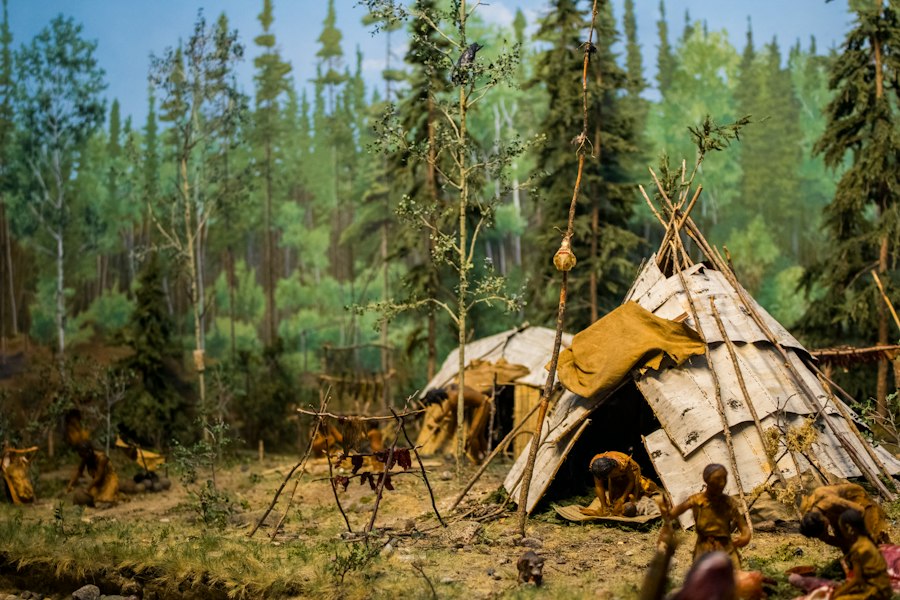
Contrary to a simplistic view of constant, back-breaking labor, daily life 14,000 years ago was characterized by a series of essential, recurring tasks. It was about efficiency and understanding the natural cycles around them.
The Core Tasks: Food, Fire, and Tools
Survival revolved around a predictable set of priorities. Food gathering, whether through hunting or collecting plant resources, was paramount. Fire maintenance was a critical, ongoing chore. Keeping a fire going provided warmth, a way to cook food, and a deterrent to predators. Tool repair was also a significant part of the day. Tools were made from stone, bone, and wood, and they would wear out or break, requiring constant attention to keep them functional for hunting, butchering, and other tasks. Water collection, often from nearby streams or snowmelt, was another fundamental requirement.
Planned Movements and Seasonal Cycles
Archaeological interpretations suggest that life was far from haphazard. There was a degree of organization and foresight. People understood seasonal changes and the availability of resources. This led to planned movements, following game herds or migrating to areas with abundant plant life at different times of the year.
Cooperative Efforts for Sustainability
The idea of organized, cooperative living is gaining more traction in understanding Stone Age societies. This wasn’t just about individual survival, but about the group. Planning extended to ensuring a steady supply of water, managing waste to maintain hygiene, storing food for leaner times, and coordinating those seasonal movements. This cooperation would have been crucial for successful hunts, building more effective shelters, and raising families.
Staying Warm in a Cold World: Mastering the Elements

The Ice Age wasn’t a uniformly frozen landscape, but staying warm was a constant consideration, especially during colder periods. This was achieved through a combination of smart design, effective clothing, and the judicious use of fire.
The Power of Fire: More Than Just Heat
Fire was arguably the most important survival tool. Beyond providing warmth for living spaces and cooking food, it was essential for making tools, like hardening wooden spear points. Keeping fires going would have been a constant task, with individuals or groups responsible for gathering fuel and tending to the flames. Hearth locations within camps are a strong indicator of where people spent most of their time for warmth and cooking.
Animal Skins: The Original Insulated Clothing
Clothing made from animal skins was vital for survival in colder climates. These skins, processed to be flexible and warm, would have been tailored into garments that provided significant insulation. Layers of fur and hide would have offered protection against the biting winds and freezing temperatures. The quality of these skins and the skill in crafting them would have directly impacted an individual’s ability to endure the cold.
Insulated Camp Design: Creating Microclimates
Even in open-air camps, people employed strategies to retain heat. This could involve building windbreaks using natural materials or arranging shelters to create a more sheltered communal space. Some hearths might have been partially enclosed to direct heat and smoke away from living areas. The aim was to create a microclimate within the camp that was warmer and more comfortable than the immediate surroundings, effectively trapping body heat and the heat from the fire.
Resource Management and Tool Use: Everyday Ingenuity
Survival depended on a deep understanding of available resources and the ability to craft the tools needed to utilize them effectively. This wasn’t just about making a single tool; it was about a system of resource acquisition and tool maintenance.
Bison Bone Processing: Making the Most of a Hunt
The discovery of bison bone processing at sites like the Bering Land Bridge base camp highlights a key aspect of their resourcefulness. Bones were not simply discarded. They were meticulously worked. This could be for creating tools like awls, needles, or scrapers, which were essential for hide preparation and other tasks. Some bones might have been used as fuel, adding to the overall efficiency of a hunt. Even marrow, a rich source of fat and nutrients, would have been extracted.
Weapon Points: The Technology of the Hunt
The presence of weapon points, often made from sharpened stone, is direct evidence of their hunting technology. These were not crude implements; they were crafted with skill and precision to be effective for bringing down game. Different types of points might have been designed for different types of animals or for specific hunting techniques, such as spears or atlatl darts. The creation and maintenance of these points were crucial for securing sustenance.
Tool Repair and Maintenance: Extending Lifespans
The daily routine would have included significant time dedicated to tool repair and maintenance. Stone tools would need resharpening, bone tools might need re-shaping, and wooden implements could need replacing or reinforcing. This was not a sign of scarcity but of practical efficiency. By repairing and maintaining their tools, they extended the usability of their most critical survival equipment, saving the energy and time that would be needed to create new ones from scratch.
Exploring the intricacies of primitive camp life 14,000 years ago reveals fascinating insights into the survival strategies of early humans. These ancient communities relied heavily on their environment, utilizing available resources for shelter, food, and tools. For a deeper understanding of how climate conditions influenced these early societies, you can read more in this article about Greenland’s climate history through ice cores, which sheds light on the environmental changes that shaped the world during that era. This research not only enhances our knowledge of prehistoric life but also highlights the adaptability of humans in response to shifting climates. For further details, check out the article here.
Social Organization and Planning: The Foundation of Group Survival
| Aspect | Description | Estimated Data / Metrics |
|---|---|---|
| Shelter Type | Temporary huts made from animal skins, wood, and bones | 1-3 meters in diameter; easily dismantled |
| Group Size | Small nomadic bands | 10-30 individuals |
| Diet | Hunter-gatherer diet including large game, fish, and plants | 50-70% meat, 30-50% plant-based foods |
| Tools | Stone tools such as blades, scrapers, and points | Average blade length: 5-10 cm; over 50 tool types identified |
| Fire Use | Controlled use of fire for cooking and warmth | Fire pits approx. 1 meter in diameter; evidence of repeated use |
| Clothing | Animal hides sewn together with sinew | Simple tunics and leggings; no evidence of weaving |
| Mobility | Seasonal movement following animal migrations | Travel distances up to 20 km between camps |
| Social Structure | Kin-based groups with shared responsibilities | Leadership likely informal; cooperative hunting and gathering |
The narrative of solitary, struggling individuals is being replaced by a more nuanced understanding of organized, cooperative groups. This social structure was essential for tackling the challenges of their environment.
Water and Waste Management: Basic Hygiene
Even thousands of years ago, people understood the importance of basic hygiene for group health. Planning for water involved identifying reliable sources and perhaps developing methods for carrying and storing it. Waste management, while not as sophisticated as today, likely involved designating specific areas away from living spaces to prevent contamination. This attention to basic sanitation would have contributed significantly to the health and survival of the group.
Food Storage and Seasonal Movement: Planning for the Future
The ability to store food was a significant advantage, allowing groups to buffer against lean periods or to carry provisions during their seasonal movements. This could involve drying meat or fish, or storing seeds and edible roots. Their understanding of seasonal changes dictated their movements. This wasn’t aimless wandering; it was a planned migration to follow herds, exploit fruiting seasons, or avoid the harshest winter conditions, ensuring a more consistent food supply throughout the year.
Cooperative Hunting and Defense: Strength in Numbers
The most challenging aspects of survival, like hunting large game or defending against predators, were almost certainly undertaken by groups. Cooperative hunting strategies would have increased the chances of success and reduced the risk to individual hunters. Similarly, a group could offer better defense against dangerous animals or potentially rival human groups. This inherent social cooperation provided a crucial layer of security and efficiency that was vital for long-term survival.

Life 20,000 Years Ago | When Your Ice Age Family Can’t Feed the Dog
FAQs
What were the primary shelters used by people 14,000 years ago?
People 14,000 years ago primarily used natural materials to construct their shelters. Common types included tents made from animal hides, structures made from branches and leaves, and caves or rock overhangs when available. These shelters provided protection from the elements and predators.
What types of food did primitive humans consume during this time?
During this period, humans were primarily hunter-gatherers. Their diet consisted of wild game, fish, fruits, nuts, seeds, and edible plants. They relied on seasonal availability and local resources, often moving to different areas to follow animal migrations and gather seasonal crops.
How did primitive people create tools and weapons 14,000 years ago?
Primitive people crafted tools and weapons using stone, bone, and wood. They employed techniques such as flint knapping to create sharp edges on stones for cutting and hunting. Tools included spears, knives, and scrapers, which were essential for hunting, processing food, and making clothing.
What social structures existed among primitive groups at that time?
Social structures in primitive groups were typically small and kin-based, consisting of family units or bands. These groups worked collaboratively for survival, sharing resources and responsibilities. Leadership was often informal, based on experience and skills rather than formal hierarchy.
How did climate and environment influence primitive camp life 14,000 years ago?
The climate and environment significantly influenced primitive camp life, as people adapted to their surroundings. During this time, the Earth was experiencing the last Ice Age, which affected food availability and migration patterns. Groups often settled near water sources and fertile land, adjusting their lifestyles based on seasonal changes and environmental conditions.