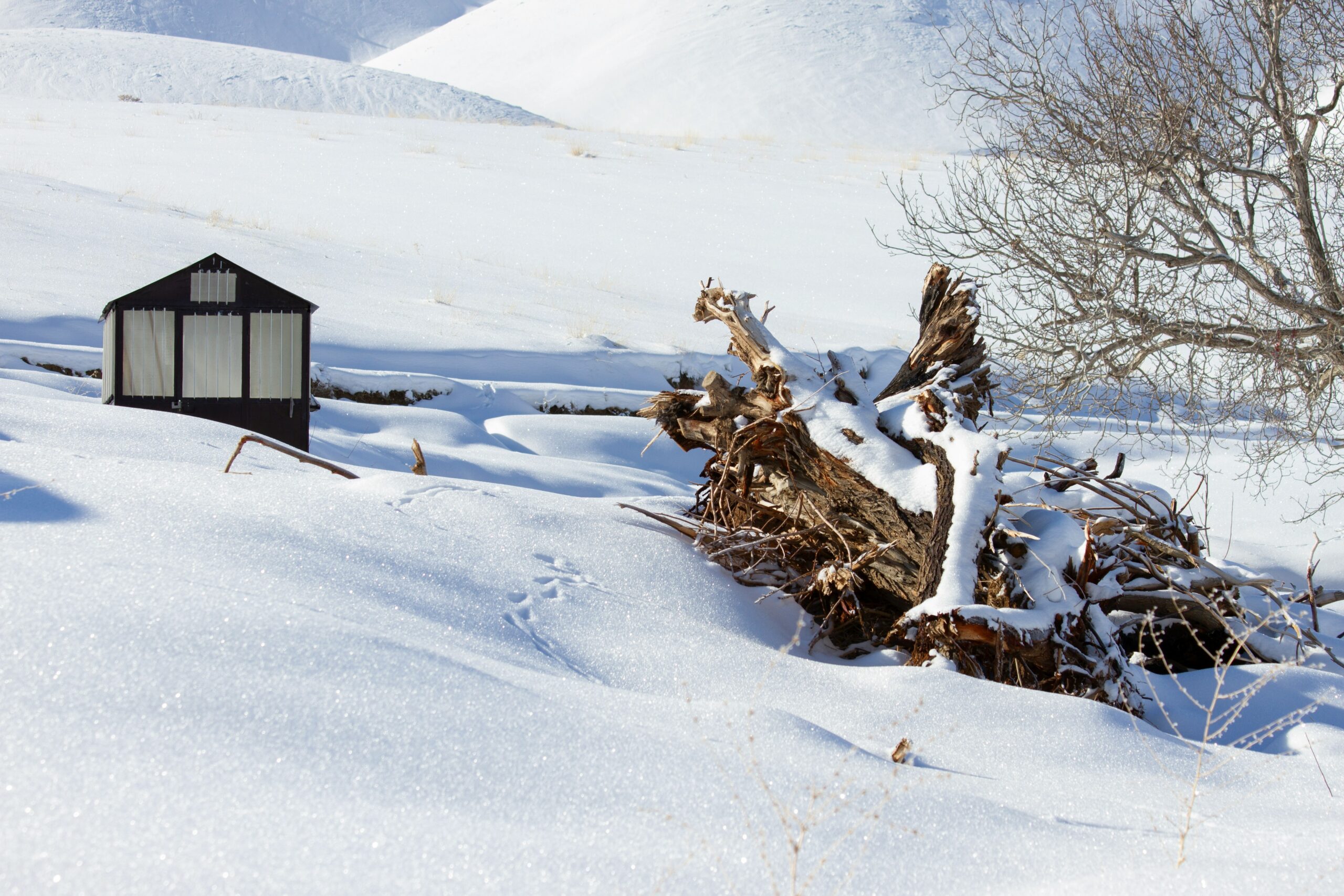
The biting wind whipped across the exposed tundra, carrying with it a fresh onslaught of snow. For the lone figure hunkered down in what was meant to be a rudimentary shelter, the situation had taken a grim turn. A recent, unpredicted blizzard had swept through the region, burying the entrance to his primitive cleft shelter under a formidable drift. What had been conceived as a temporary refuge, offering meager protection from the elements, was now a sealed tomb. The occupant, a seasoned survivalist named Elias, found himself in a dire predicament, a stark reminder of nature’s unpredictable and often unforgiving power. His initial assessment of the situation quickly shifted from annoyance to a cold, hard calculation of survival.
Assessing the Immediate Threat: The Immovable Barrier
The first and most pressing concern for Elias was the complete obstruction of his escape route. The snowdrift, a towering wall of white, offered no immediate signs of thawing or melting. Its depth was considerable, far exceeding what could be cleared with bare hands and a few makeshift tools. The weight and density of the compacted snow meant that brute force alone was unlikely to be effective, at least not quickly. Panic, a primal instinct Elias had long ago learned to suppress, began to whisper at the edges of his consciousness. He forced it back, focusing instead on a logical, step-by-step approach to his predicament. His shelter, carved into a shallow overhang in a rocky cleft, had been intended to shield him from wind and light precipitation, not to withstand a sustained blizzard that buried its sole exit. The rock offered a degree of insulation, but the confined space, now sealed, also presented its own challenges.
The Suffocation Risk: Airflow and Carbon Dioxide
The most immediate and life-threatening danger was the potential for suffocation. As Elias continued to breathe, he would be steadily depleting the available oxygen within the confined space. Simultaneously, he would be exhaling carbon dioxide, which, in a sealed environment, would rise to dangerous levels. The human body’s tolerance for elevated carbon dioxide is limited, leading to symptoms ranging from headaches and dizziness to disorientation, unconsciousness, and ultimately, death. Elias understood this principle intimately. His shelter, while offering some protection, was not equipped with any ventilation system. The blizzard had effectively created an airtight seal. He had to act, and act decisively, to mitigate this insidious threat.
Psychological Impact: Isolation and Despair
Beyond the physical dangers, the psychological toll of being trapped in a snowbound shelter was immense. The darkness, the oppressive silence broken only by the muffled roar of the wind outside, and the gnawing realization of his isolation could easily lead to despair. Elias had trained extensively in mental fortitude, practicing mindfulness and visualization techniques to maintain composure in stressful situations. However, the sheer finality of the snowdrift presented a unique challenge. The feeling of being entombed, cut off from the world, could erode even the strongest will. He knew that a negative mindset would be a self-fulfilling prophecy, sapping his energy and clouding his judgment, making any survival attempt all the more difficult.
In exploring the innovative strategies for survival in extreme environments, the concept of primitive cleft shelters has gained attention, particularly in the context of blocking snow and providing protection against harsh weather conditions. For a deeper understanding of how these shelters can be utilized in various terrains, you may find the article on lunar strategies by the United States Space Forces particularly insightful. It discusses the importance of shelter design in extraterrestrial environments, which parallels the need for effective shelter solutions on Earth. You can read more about it here: United States Space Forces Lunar Strategy.
Resource Management: Inventory and Conservation
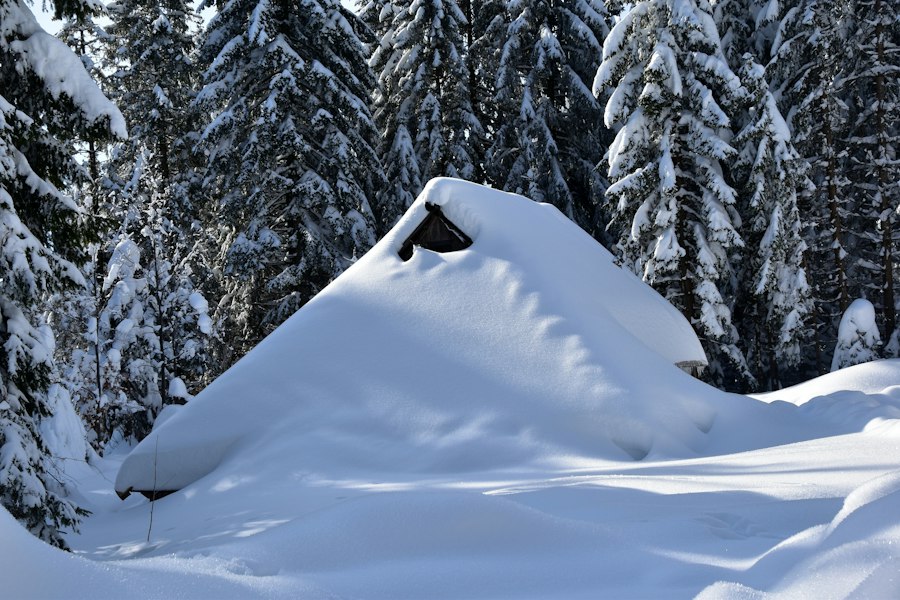
With the immediate threat of suffocation and the psychological battle recognized, Elias turned his attention to his most valuable assets: the resources he had on hand. Every item, no matter how small or seemingly insignificant, had to be accounted for and its potential use rigorously evaluated. His survival pack, meticulously assembled for this expedition, was now his lifeline. He began a systematic inventory, his movements slow and deliberate to conserve energy.
Food and Water: Rationing for Longevity
Elias had packed enough non-perishable food to last for several days under normal circumstances. Now, those circumstances had dramatically changed. He would need to ration his provisions with extreme care, extending their shelf life as much as possible. Each bite, each sip, had to be savored. He had a small amount of water, carried in a sturdy canteen, but this too was a finite resource. His immediate priority became finding a way to replenish his water supply, a task made infinitely more difficult by the surrounding snow. He knew that dehydration would be as deadly as starvation, if not more so, and would severely impair his ability to think clearly and act effectively.
Tools and Implements: Maximizing Utility
His survival kit contained a variety of tools, each chosen for its specific function. A sturdy knife, a ferrocerium rod for fire-starting, a small digging trowel, and a multi-tool were among his most critical possessions. He examined each one, considering how it could be adapted or employed in this unforeseen crisis. The knife, sharp and reliable, would be essential for any attempt to excavate. The ferrocerium rod offered the promise of warmth and a potential signal, but starting a fire in such a confined space without proper ventilation presented its own risks. The trowel, while small, was designed for digging, and might offer some advantage in the arduous task of snow removal.
Clothing and Insulation: Maintaining Body Heat
Elias was wearing layers of thermal clothing designed for extreme cold. He also had a lightweight emergency blanket. He knew that maintaining his core body temperature was paramount. The cold would sap his strength and speed up the onset of hypothermia, a silent killer. He would need to be judicious with his movements, avoiding unnecessary exertion that would lead to sweating, which would then chill him even faster once his activity ceased. The emergency blanket would be deployed strategically, not just for warmth, but potentially as a reflective surface to signal for help if an opportunity arose.
Excavation Strategies: The Battle Against the Drift
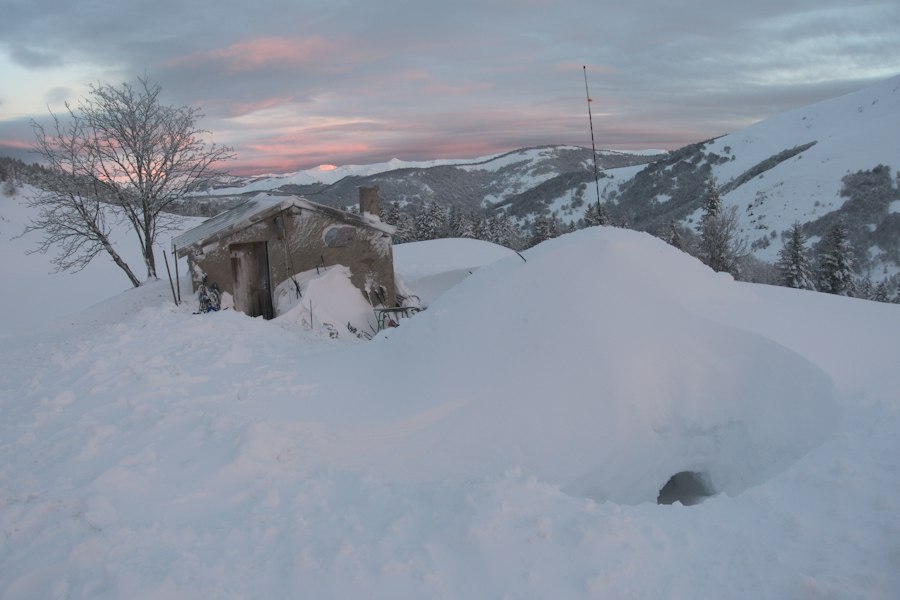
The primary objective was clear: clear the snowdrift. This was no small feat, and Elias knew it would require a methodical and energy-efficient approach. Brute force alone would likely lead to exhaustion and little progress. He needed to employ tactics that maximized leverage and minimized wasted effort. His understanding of snow dynamics, gleaned from years of experience in similar environments, would be crucial.
The Trowel and Scoop Method: Gradual Progress
Elias began by carefully assessing the snowdrift’s consistency. It was densely packed, almost like ice in places, but still contained air pockets. He retrieved his small digging trowel and his insulated glove, using the latter to shield his hand from the biting cold and to provide a bit more surface area for scooping. He started at the base of the drift, attempting to create a small opening. His strategy was to work incrementally, dislodging small chunks of snow and tossing them away from the shelter entrance. The goal was not to clear the entire drift in one go, but to create a manageable tunnel, allowing for a small ingress of fresh air and, hopefully, a gradual escape route. He rotated between using the trowel to break up the compacted snow and his gloved hands to scoop and remove it.
Utilizing the Rock Face: Strategic Leverage
Elias also considered the surrounding rock face. While the drift blocked the primary exit, there might be smaller fissures or openings within the cleft that could provide a secondary, albeit more difficult, escape route. He used his knife to probe the rock walls, looking for any weakness or discontinuity. He also considered using the rock itself to his advantage. If he could create a small opening, he might be able to use a piece of fallen rock, if he found one, to help lever away larger chunks of snow. This would require careful planning, as dislodging rocks within his confined space could also be dangerous.
The Importance of Airflow: Creating a Breathing Space
As he worked on the drift, Elias was acutely aware of the need to maintain some level of airflow. He couldn’t afford to create a perfectly sealed tunnel that would then fill with snow again. His excavation had to be about more than just creating an exit; it had to be about creating a path for breathable air. He would periodically pause his digging to feel for any subtle movement of air, any hint that his efforts were creating a pathway for the outside world to penetrate his prison. This would also help prevent the build-up of exhaled carbon dioxide.
Signaling for Help: Attracting Attention
Even as he focused on self-rescue through excavation, Elias understood that his chances of survival were significantly enhanced if he could attract external attention. The chances of a search party finding him were slim unless he could provide them with a clear signal. He had to make himself visible and audible to anyone who might be in the vicinity, however remote that possibility might be.
The Fire Signal: Smoke and Light
His ferrocerium rod offered the most immediate and potent signaling capability: fire. However, starting a fire in his confined shelter was a risky proposition. The lack of ventilation meant that the smoke would quickly fill the space, posing a suffocation hazard. Elias decided that he would only attempt to start a fire once he had made some significant progress in clearing the snowdrift, creating at least a small opening for smoke to escape. He would gather any dry tinder he could find within his shelter – perhaps some loose lint from his clothing or dried leaves from a previous excursion if he had any – and prepare it carefully. The key would be to keep the fire small and controlled, producing a dense column of smoke that could be seen from a distance. He would also use the flickering flames as a potential light signal if it became dark.
Reflective Surfaces: Harnessing Sunlight
If the sun were to break through the clouds, Elias knew that any reflective surface could be a powerful signaling tool. His emergency blanket, if deployed in a way that caught the sunlight, could create a dazzling flash. He also had a small, polished metal mirror in his kit, intended for signaling. He would keep these items readily accessible, ready to be used the moment any sunlight became available. He would practice aiming the reflected light, knowing that even a fleeting flash could catch the eye of a pilot or someone on the ground miles away.
Audible Signals: Sounding the Alarm
While less effective over long distances than visual signals, Elias considered audible signals as a backup. He had a small emergency whistle attached to his pack. While its sound might be muffled by the snow, he would blow it periodically, especially if he heard any distant sounds that might indicate human activity. He also considered banging two pieces of rock together if he found suitable ones, creating a rhythmic clatter that might carry further than his voice. The key to audible signals was consistency and variation, trying different patterns and volumes to maximize the chances of being heard.
In exploring the fascinating world of ancient survival techniques, the concept of primitive cleft shelters, particularly those designed to block snow, offers intriguing insights into early human ingenuity. These structures not only provided essential protection from harsh winter conditions but also demonstrate the resourcefulness of our ancestors in utilizing natural landscapes. For a deeper understanding of how ancient civilizations interacted with their environment, you might find this article on ancient astronomy secrets particularly enlightening, as it sheds light on the broader context of human adaptation and survival strategies. You can read more about it here.
The Psychological Battle: Maintaining Hope and Resolve
| Metric | Value | Unit | Description |
|---|---|---|---|
| Shelter Type | Primitive Cleft | N/A | Type of shelter constructed in a natural rock cleft |
| Snow Blockage Depth | 45 | cm | Depth of snow blocking the shelter entrance |
| Temperature Inside Shelter | -5 | °C | Internal temperature measured during snow blockage |
| Duration of Blockage | 12 | hours | Time period shelter entrance remained blocked by snow |
| Ventilation Status | Limited | N/A | Degree of airflow inside the shelter during blockage |
| Occupant Safety Risk | Moderate | N/A | Risk level due to snow blockage and limited ventilation |
| Snow Removal Effort | Manual Shoveling | N/A | Method used to clear snow blockage |
| Structural Integrity | Stable | N/A | Condition of shelter after snow blockage |
The physical challenges of being trapped were immense, but Elias understood that the mental fortitude required to survive was equally, if not more, critical. Despair was a corrosive force that could undermine even the most robust physical efforts. He had to actively combat it, drawing upon his training and his inherent resilience.
Mindfulness and Present Moment Focus: Reducing Anxiety
Elias practiced mindfulness, focusing on the present moment and the task at hand. Dwelling on the vastness of the snowdrift or the uncertainty of rescue would only fuel his anxiety. Instead, he concentrated on the feel of the snow against his trowel, the rhythm of his breathing, the warmth of his body against the cold. By breaking down his monumental task into smaller, manageable actions, he could maintain a sense of accomplishment and avoid being overwhelmed by the magnitude of his predicament. He reminded himself that panic was a luxury he could not afford; rational thought and deliberate action were his only allies.
Visualization and Positive Self-Talk: Building Inner Strength
He employed visualization techniques, picturing himself successfully clearing the snow, emerging into the daylight, and being reunited with civilization. He engaged in positive self-talk, reinforcing his belief in his own capabilities and his determination to survive. He would repeat mantras of strength and perseverance, actively countering any negative thoughts that threatened to take root. He understood that his mind was a powerful weapon, and he intended to wield it to its full potential. His past experiences, though difficult, had also been triumphs of survival, and he drew strength from those memories.
The Importance of Routine: Structure in Chaos
Even in his confined space, Elias established a rudimentary routine. He would allocate specific times for digging, for resting, for checking his resources, and for practicing his signaling techniques. This routine provided a sense of order and predictability in an otherwise chaotic situation. It helped him to maintain his energy levels, avoid the mental fatigue of constant, unstructured effort, and provided small milestones to look forward to. The predictable rhythm of his day, however brief, was a bulwark against the encroaching despair. He knew that the human psyche craved structure, and he provided it for himself, even in the deepest isolation. The challenge was immense, the circumstances dire, but Elias, armed with knowledge, preparation, and an indomitable will, faced the frozen silence, determined to see another dawn.
