The human drive to construct, to shape the environment for shelter and for purpose, is as old as humanity itself. Long before the advent of sophisticated tools, advanced metallurgy, or even the wheel, our Stone Age ancestors possessed an innate understanding of materials, physics, and problem-solving that allowed them to erect structures that have, in some cases, endured for millennia. This era, often simplified as a period of rudimentary existence, was in fact a crucible of innovation where the very foundations of engineering were laid, not with blueprints and CAD software, but with keen observation, raw strength, and an intimate knowledge of the natural world. Exploring these primitive engineering techniques offers a profound glimpse into the ingenuity and resilience of early human societies.
The Dawn of Shelter: Early Habitations and Their Materials
The earliest forms of human dwelling were likely ephemeral, dictated by the immediate needs of survival and the availability of natural shelters. Caves and rock overhangs provided ready-made protection, but as human populations grew and their territorial reach expanded, the need for constructed shelters became paramount. This marked the genesis of primitive engineering, where the selection and manipulation of materials were driven by function and environmental context.
Utilizing Earth and Vegetation: The Fundamentals of Construction
In many early settlements, the most readily accessible and easily workable materials were earth and vegetation. Mud, mixed with straw or other organic binders, formed the basis of wattle-and-daub construction. This technique involved weaving branches and twigs (wattle) to create a framework, which was then plastered over with a mixture of mud, clay, dung, and plant fibers (daub). This provided surprisingly effective insulation against both heat and cold, and the plasticity of the mud allowed for organic, curved forms that responded to the landscape. The skill lay not only in mixing the right consistency of mud but also in understanding how to reinforce the daub to prevent cracking as it dried.
The durability of these structures, while perhaps not comparable to stone, was significant. Evidence suggests that roofs were often thatched with reeds, grasses, or animal hides, providing a waterproof barrier. The construction of these early shelters required an understanding of load-bearing principles, even if intuitively applied. The weight of the roof needed to be distributed to the supporting walls, and the walls themselves needed to be stable enough to resist wind and weathering. This meant selecting sturdier branches for structural elements and ensuring a solid foundation, often by digging shallow trenches to anchor the base of the walls.
The Role of Wood and Bone: Frameworks and Tools
Wood was another indispensable material in Stone Age construction. Its strength and relative ease of shaping made it ideal for structural supports, beams, and even rudimentary framing. While evidence of large-scale wooden structures from the deep Stone Age is scarce due to organic decay, the presence of tool marks on fossilized wood and the survival of smaller wooden artifacts hint at their pervasive use. The selection of appropriate wood for different purposes – strong hardwoods for load-bearing elements, more flexible woods for weaving – would have been a crucial skill.
Bone, particularly from larger animals, also played a role, though more as tools and accessories than as primary building materials. Animal ribs, scapulae, and long bones could be sharpened or shaped into awls, scrapers, and chisels, facilitating the working of wood, bone, and even hides. While not directly used in the construction of walls or roofs, these bone tools were essential for preparing other materials, demonstrating an early understanding of the relationship between tool technology and construction capabilities. The careful selection of animal bones for their strength and shape reveals an early form of material science, adapting available resources to specific tasks.
Primitive engineering techniques from the Stone Age reveal fascinating insights into early human ingenuity and resourcefulness. These ancient building methods, which utilized locally sourced materials and simple tools, laid the foundation for future architectural advancements. For a deeper understanding of how innovation evolves in different contexts, you might find the article on the future of space warfare intriguing, as it explores how modern engineering principles are applied in extraterrestrial environments. You can read more about it here: The Future of Space Warfare: Conflict Beyond Earth.
Shaping the Landscape: Monumental Engineering and Collective Effort
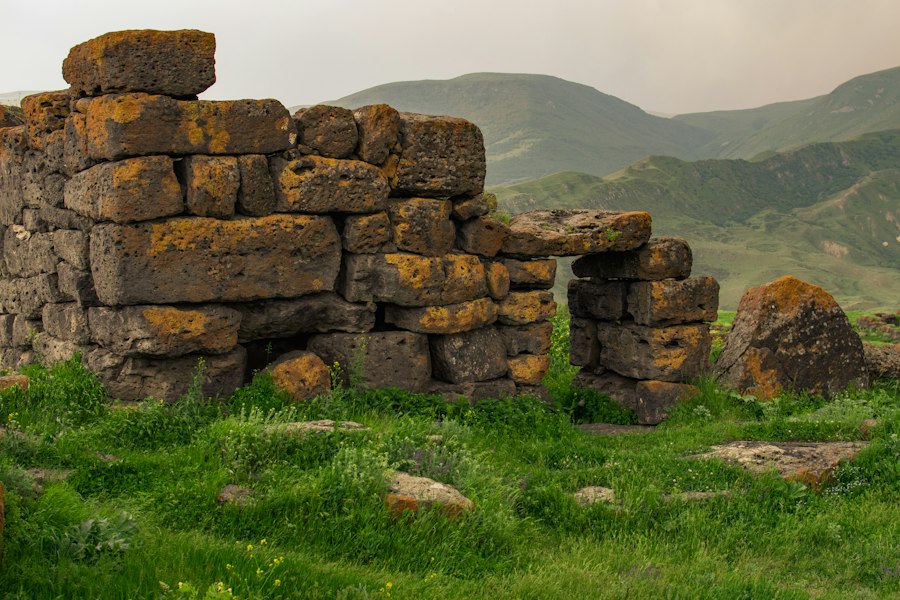
Beyond the immediate needs of shelter, certain Stone Age cultures demonstrated a remarkable capacity for monumental construction. These projects, often involving the movement and precise placement of massive stones, speak to sophisticated levels of social organization, shared purpose, and an understanding of engineering principles that far exceed what might be expected from individual survival.
Megalithic Mysteries: The Power of Stone
The most iconic examples of Stone Age engineering are the megalithic structures found across the globe, from Stonehenge in England to the Nuraghi of Sardinia and the passage tombs of Ireland. These structures, often erected by Neolithic communities, involved the quarrying, transportation, and erection of enormous stones, some weighing many tons. The sheer scale of these undertakings implies a deep understanding of leverage, counterweights, and the mechanics of movement.
Quarrying these stones would have involved techniques like heating and cooling rock to create fractures, or using stone wedges to split larger blocks. Transportation was an even greater challenge, likely involving the use of log rollers, sledges pulled by teams of people, and potentially the redirection of watercourses to aid in moving heavy loads. The precision with which these stones were sometimes shaped and fitted – particularly in structures like the Inca stonework (though often post-Neolithic, it builds upon earlier traditions) – suggests an advanced understanding of geometry and measurement, albeit without written notation.
Understanding Forces: Balance, Levers, and Inclined Planes
The erection of these massive stones required a sophisticated, if intuitive, grasp of physics. Levers, likely made from strong timbers, would have been crucial for lifting and positioning. Inclined planes, formed by ramps of earth or timber, would have facilitated the upward movement of stones. Counterbalancing and carefully placed fulcrums would have been essential for controlling the descent and placement of monoliths. Imagine the coordination required to precisely balance a multi-ton stone on a wooden frame, then slowly lower it into its intended position. This was not brute force alone; it was force applied with knowledge.
The stability of these megalithic structures also reveals an understanding of foundation engineering. Large, flat base stones were often used to distribute the weight of upright stones, preventing them from sinking into the ground. The careful alignment of some structures with astronomical events suggests a level of observational astronomy integrated with architectural design, further highlighting the multifaceted nature of their knowledge. The very existence of these enduring monuments is a testament to their engineering prowess and their ability to mobilize and direct collective labor towards ambitious goals.
Harnessing the Elements: Water Management and Early Infrastructure

The development of settled communities and the rise of agriculture brought with them new challenges and opportunities, particularly in the management of water. Stone Age peoples began to engineer their environments to control water flow, improve irrigation, and even develop rudimentary sanitation systems, demonstrating a growing sophistication in applied hydraulics.
The Flow of Life: Irrigation and Water Storage
As communities became more sedentary and reliant on agriculture, controlling water became a critical aspect of survival. Evidence from various Neolithic sites suggests the construction of simple irrigation channels, diverting water from rivers or springs to water crops. These channels, often dug into the earth or lined with stones, required an understanding of gradients and water pressure to ensure efficient delivery. The ability to maintain these channels and manage water distribution would have been a collective responsibility, fostering social cohesion and specialized roles within the community.
In regions prone to drought, the construction of water storage systems would have been vital. While large-scale reservoirs are unlikely, the digging of pits or the construction of small dams using earth, stones, and timber could have helped to retain precious water resources. These systems demonstrate an early appreciation for hydrological cycles and a proactive approach to resource management, moving beyond mere adaptation to environmental conditions.
Sanitation and Drainage: Early Public Health
The concentration of human and animal populations in settlements necessitated the development of rudimentary sanitation and drainage systems to prevent disease and maintain hygiene. While direct evidence of complex sewage systems is rare from the Stone Age, observations of settlement layouts and the presence of waste pits suggest an awareness of the need to manage waste.
The digging of ditches around settlements could have served a dual purpose: to provide drainage for rainwater and to channel away wastewater. The use of natural depressions or the construction of simple soakaways would have further contributed to managing waste. The presence of distinct refuse areas, sometimes located away from living quarters, indicates a nascent understanding of hygiene and the spatial separation of living and waste areas. This pragmatic approach to waste management, while basic by modern standards, was a significant step in ensuring the long-term viability of settlements and the health of their inhabitants.
The Art of Observation: Astronomy, Navigation, and Spatial Awareness
A deep and intimate connection with the natural world permeated Stone Age societies. This connection extended beyond immediate survival needs to encompass an understanding of celestial cycles and the geometry of the landscape, which informed their building practices and perhaps even their navigation.
Celestial Alignments: Calendars in Stone
The precise alignment of many Stone Age monuments with celestial events is undeniable. Structures like Stonehenge are famously aligned with the summer solstice sunrise and sunset, suggesting a sophisticated understanding of astronomy and the ability to track the movements of the sun. This knowledge was not merely academic; it likely served practical purposes, such as determining the timing of agricultural cycles, religious festivals, and seasonal migrations.
The construction of these observatories required careful observation over extended periods, meticulous record-keeping (even if non-written), and the ability to translate these observations into physical structures. The selection of specific viewing points and the use of natural landmarks or constructed elements as markers demonstrate a developed sense of spatial awareness and an understanding of perspective. This integration of astronomy into architecture represents a profound intellectual achievement, bridging the gap between the abstract and the tangible.
Navigational Instincts: Mapping the World
While the concept of formal maps is a much later development, Stone Age peoples likely possessed a sophisticated ability to navigate their environments using natural cues. The construction of long-distance trade routes, the migration patterns of animals, and the understanding of local geography all point to a highly developed spatial intelligence.
The alignment of certain megalithic structures may also have served as navigational aids, providing fixed points of reference for those traveling across the landscape. The intuitive understanding of prevailing winds, ocean currents, and the positions of stars would have been crucial for seafaring communities. This innate navigational skill, honed through generations of experience, is a form of primitive engineering in itself, allowing humans to understand and interact with their world on a grand scale. The ability to plan journeys, understand distances, and remember routes without written aids is a testament to the power of human memory and spatial cognition.
Primitive engineering during the Stone Age showcases the ingenuity of early humans in constructing durable shelters using available materials. These ancient building techniques, which often involved the use of stone, wood, and animal hides, laid the foundation for future architectural advancements. For a deeper understanding of how these early innovations influenced later technologies, you can explore a related article that discusses the fascinating connections between ancient practices and modern engineering. This insightful piece can be found here.
The Enduring Legacy: Lessons from Primitive Engineering
| Technique | Description | Materials Used | Structural Purpose | Estimated Time Period | Durability |
|---|---|---|---|---|---|
| Dry Stone Walling | Stacking stones without mortar to create walls | Uncut stones, rocks | Enclosures, shelters, boundary walls | Mesolithic to Neolithic (approx. 10,000 – 4,000 BCE) | High (can last thousands of years if well-built) |
| Post and Lintel | Vertical posts supporting horizontal lintels made of stone | Large stone slabs, wooden posts (sometimes) | Doorways, entrances, basic frameworks | Neolithic (approx. 8,000 – 3,000 BCE) | Moderate (depends on stone quality and placement) |
| Corbel Arch | Overlapping stones gradually projecting inward to form an arch | Flat stones, rocks | Roofing, doorways, small chambers | Late Neolithic to Bronze Age (approx. 4,000 – 1,200 BCE) | Moderate to High |
| Stone Cairns | Piles of stones used as markers or burial monuments | Loose stones, rocks | Markers, memorials, burial sites | Throughout Stone Age | High |
| Wattle and Daub with Stone Foundations | Stone bases supporting woven wooden walls plastered with mud | Stones, wood, mud, clay | Housing foundations and walls | Neolithic | Moderate |
The study of Stone Age building techniques offers a powerful reminder of the fundamental principles of engineering that have guided human innovation for millennia. While the materials and tools have evolved dramatically, the core concepts of structural integrity, material science, problem-solving, and resource management remain remarkably consistent.
Timeless Principles in Action
The seemingly simple act of building a shelter required an understanding of load distribution, wind resistance, and thermal insulation. The construction of monumental structures demanded an appreciation for leverage, counterweights, and the physics of movement. The management of water resources involved an understanding of gradients and flow dynamics. These are not merely historical curiosities; they are the bedrock upon which all subsequent engineering disciplines have been built.
The ingenuity displayed by Stone Age engineers in their ability to work with the materials at hand, often in challenging environments, serves as an inspiration. They demonstrate that innovation is not always about having the most advanced technology, but about having a deep understanding of the problem and the creative application of available resources. Their ability to observe, adapt, and persist in the face of seemingly insurmountable challenges highlights the enduring spirit of human ingenuity.
A Foundation for Future Innovations
The legacy of Stone Age engineering is not confined to the archaeological record. It is woven into the fabric of human civilization, a silent testament to our ancestors’ capacity for innovation. Their understanding of the natural world, their collaborative spirit, and their relentless pursuit of better ways to live have laid the groundwork for the complex infrastructure and technological marvels of the modern era. By studying these primitive techniques, we gain not only a deeper appreciation for our past but also valuable insights that can inform our approach to sustainable design and problem-solving in the future. The lessons learned from the careful selection of stone, the intuitive understanding of leverage, and the collaborative effort required to raise a monument are as relevant today as they were thousands of years ago.