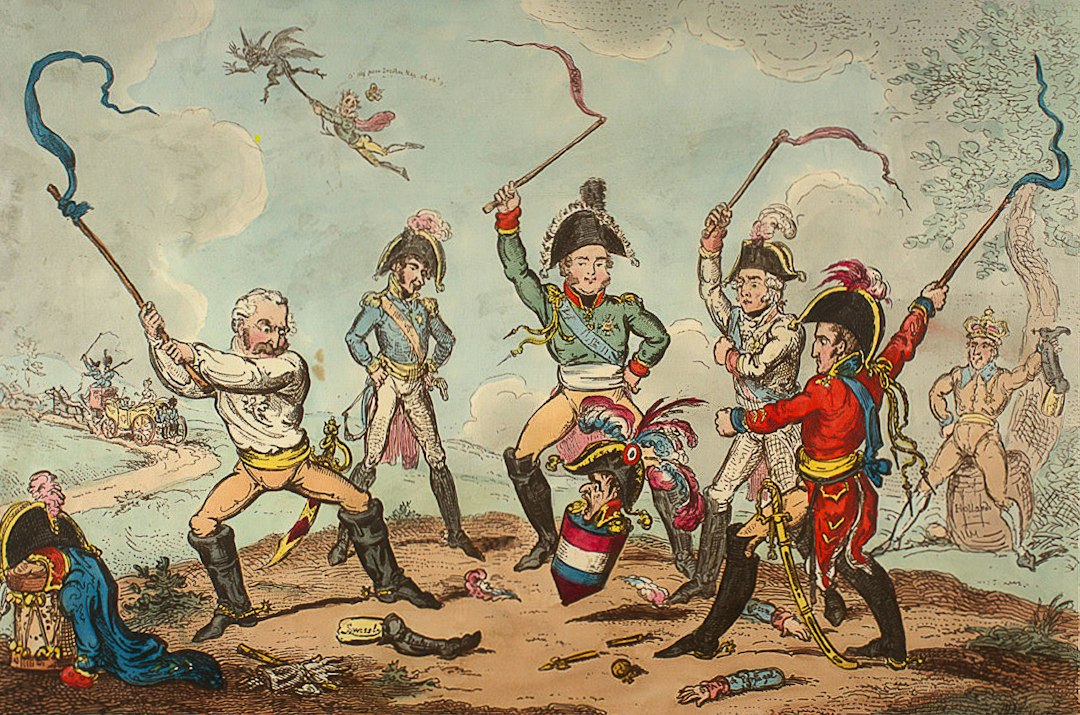
The dawn of humanity, an era characterized by small, nomadic groups, was marked by an intimate connection to the land. Survival depended on the resources a territory could provide – water, game, edible plants, and shelter. This inherent dependence, however, also sowed the seeds of conflict. When two or more groups found themselves vying for the same limited resources, territorial disputes were inevitable. These early human societies, often referred to as primitive families or bands, developed a range of intricate and often surprisingly sophisticated methods for resolving these conflicts, ensuring the continuity of their groups without succumbing to perpetual warfare. Understanding these methods offers a crucial window into the evolution of human social structures, conflict resolution, and the very foundations of cooperation.
The Nature of Primitive Territorial Claims
The concept of “territory” for primitive families differed significantly from modern notions of ownership. It was less about abstract legal rights and more about practical, immediate access to vital resources. These claims were often fluid, evolving with the seasons, the migratory patterns of prey, and the availability of water sources. The “family” in this context often encompassed more than just a nuclear unit, frequently referring to extended kin groups, bands, or tribes, loosely organized and defined by shared lineage and common resource exploitation areas. Their understanding of boundaries was often experiential, marked by natural landmarks rather than surveyed lines, and their claims were primarily asserted through presence and use.
Resource Interdependence and Scarcity
The fundamental driver behind territorial disputes was resource scarcity. Primitive societies lived at the edge of subsistence, where a poor hunting season, a drought, or a depleted game population could have devastating consequences. When multiple groups targeted the same hunting grounds, foraging areas, or crucial waterholes, direct competition arose. This interdependence on the same finite resources fostered a zero-sum mentality in certain situations, where one group’s gain was perceived as another’s loss. The proximity of groups, their shared reliance on specific ecological niches, and the inherent mobility of hunter-gatherer lifestyles meant that clashes were not an anomaly but a recurring challenge to be managed.
The Fluidity of Boundaries and Claims
Unlike the fixed borders of nation-states, the territories of primitive families were characterized by a dynamic and often overlapping nature. Boundaries were not rigidly defined lines on a map but rather understood areas of influence and habitual use. A group might consider a particular valley their primary hunting territory during certain seasons, but this did not preclude other groups from entering it at different times, provided they did not directly compete for the same prey. Claims were often established through sustained occupation, ancestral association with a place, or strategic alliances with neighboring groups. When these established patterns of use were disrupted by the intrusion of another group, disputes would arise.
In exploring how primitive families dealt with territorial disputes, it is interesting to consider the broader context of societal changes over time. For instance, the article on the decline of literacy after the Dark Ages discusses how shifts in communication and governance impacted social structures, which can indirectly relate to how early communities managed conflicts over land and resources. Understanding these historical dynamics can provide valuable insights into the evolution of conflict resolution methods. You can read more about this topic in the article here: The Decline of Literacy After the Dark Ages: Factors and Consequences.
Diplomatic and Negotiation-Based Resolutions
While direct confrontation was always a possibility, primitive societies, recognizing the immense cost of sustained conflict, developed a sophisticated array of diplomatic and negotiation-based strategies to resolve territorial disputes. These methods emphasized communication, the establishment of common ground, and the preservation of inter-group relationships, as much as possible. The potential for retaliatory violence meant that outright aggression was often a last resort, and careful negotiation could prevent greater losses.
Inter-Group Councils and Elder Mediation
In many primitive societies, the resolution of significant disputes, especially those involving territory, fell to the councils of elders. These councils comprised the most experienced, respected, and wise individuals from within a group or, in some cases, from allied groups. They served as arbiters, mediators, and decision-makers. When a territorial dispute arose, representatives from the involved parties would present their cases before the council. The elders, drawing on their extensive knowledge of traditions, past agreements, and the needs of both groups, would facilitate discussions, propose compromises, and ultimately render a decision. This process often involved extensive deliberation, appeals to kinship ties, and the invocation of established customary laws.
Gift Exchange and Reciprocity as Peace Offerings
Gift exchange played a crucial role in de-escalating tensions and fostering goodwill between groups, particularly in the context of territorial disputes. The offering of valuable items – such as tools, weapons, rare foodstuffs, or even symbolic objects – served as a tangible demonstration of peaceful intent. This act of reciprocity was deeply ingrained in the social fabric of many primitive societies. The acceptance of gifts often signaled a willingness to negotiate and resolve the dispute amicably. Furthermore, continued gift exchange could solidify newly established boundaries or resource-sharing agreements, reinforcing peaceful coexistence and mutual reliance.
Ritualized Demonstrations and Symbolic Acts
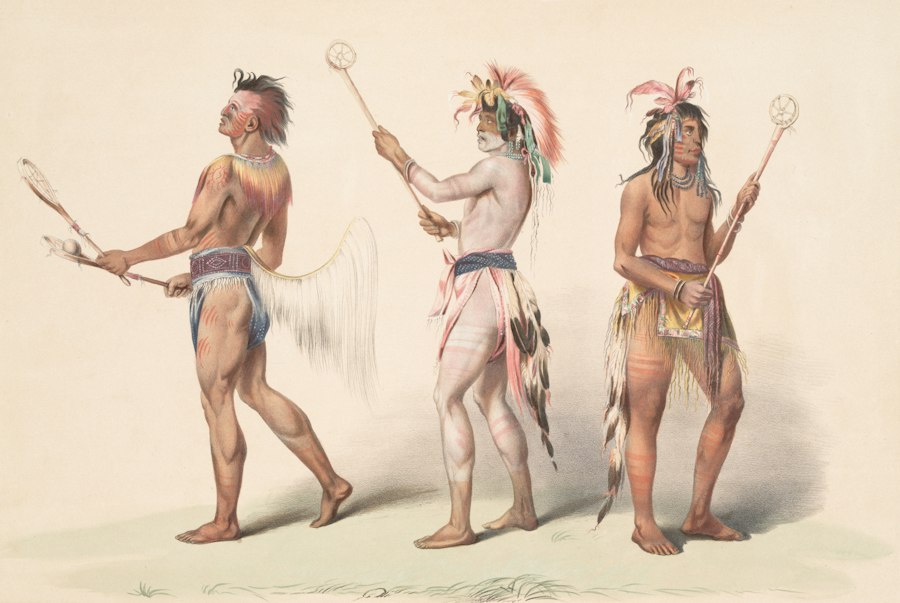
Beyond direct negotiation, primitive societies employed ritualized demonstrations and symbolic acts to resolve territorial disputes without resorting to violence. These could include elaborate ceremonies, choreographed displays of strength, or shared feasting. For instance, two groups might agree to a ritual hunt on disputed land, with the outcome of the hunt symbolically determining resource allocation. Or, they might engage in a ceremonial dance or song, with each group demonstrating their connection to the land and their willingness to coexist. These rituals served to externalize the conflict, transform it into a cultural event, and provide a socially acceptable framework for resolution, often reinforcing group identity and solidarity in the process.
Avoidance and Strategic Withdrawal
When direct confrontation or negotiation proved too risky or unproductive, primitive families often resorted to strategies of avoidance and strategic withdrawal. These methods acknowledged the limitations of their resources and their capacity for sustained conflict, prioritizing the survival of their group over asserting an immediate claim to a particular piece of land. This often involved a keen understanding of their environment and the ability to adapt to changing circumstances.
Seasonal Migration and Resource Rotation
A fundamental strategy for avoiding territorial conflict was the practice of seasonal migration. Primitive groups understood the cyclical nature of resources. They would move their camps and hunting grounds in accordance with the availability of game, the ripening of fruits and berries, and the accessibility of water. This natural rotation of resources meant that groups would often occupy different territories at different times of the year, reducing the likelihood of direct competition. When one group anticipated encountering another in a shared resource area, they might simply alter their migration route, effectively avoiding confrontation.
Establishing Buffer Zones and Neutral Territories
In instances where direct proximity between potentially competing groups was unavoidable, the concept of buffer zones or neutral territories could emerge. These were areas that neither group claimed as their exclusive domain but rather as shared transitional spaces. These zones might be less resource-rich, or they might be areas where both groups agreed to limited, non-competitive resource extraction. The establishment of such neutral ground, often demarcated by natural features or agreed-upon landmarks, provided a physical and psychological separation, reducing the chances of accidental encounters and subsequent disputes.
Coercive Measures and Deterrence
While diplomacy and avoidance were preferred, primitive families were not averse to employing coercive measures and deterrence when necessary to protect their territorial claims. These methods were designed to discourage intrusion and to punish those who violated established boundaries. The effectiveness of these strategies often relied on a strong sense of group cohesion and a credible threat of retaliation.
Frontier Patrolling and Boundary Assertions
Regular patrolling of their perceived territorial boundaries was a common practice among primitive groups. This involved sending out scouts or hunting parties to traverse the edges of their territories, not only to gather information about game and resources but also to signal their presence and assert their claim. These patrols could also serve as a deterrent; the knowledge that a territory was regularly monitored and defended could discourage outsiders from attempting to intrude. These assertions were often marked by physical signs, such as leaving specific markers or engaging in symbolic hunts within the disputed area, to demonstrate continued occupation and control.
Organized Raids and Retaliatory Actions
When diplomatic efforts failed and a group felt its territory was being consistently violated, organized raids and retaliatory actions could be employed. These were not necessarily full-scale wars but rather targeted attacks designed to expel intruders, reclaim stolen resources, or punish transgressors. Such actions were often carried out by a select group of warriors, and their success depended on surprise, speed, and coordinated execution. The knowledge that such retaliation was a distinct possibility acted as a powerful deterrent for potential aggressors, reinforcing the importance of respecting established territorial claims.
Collective Defense and Alliance Formation
The formation of alliances with neighboring groups was a crucial strategy for bolstering collective defense and deterring potential aggressors. When two or more groups shared common interests in a particular territory or faced a common threat, they could forge alliances. This meant that an attack on one group would be met with the support of its allies, significantly increasing the cost of aggression. These alliances often involved reciprocal defense pacts, shared hunting rights in certain areas, and mutual assistance in times of conflict, creating a more formidable collective defense against any single group seeking to expand its territory through force.
In examining how primitive families dealt with territorial disputes, it is fascinating to consider the various strategies they employed to maintain harmony and protect their resources. These early communities often relied on established boundaries, rituals, and negotiation to resolve conflicts without resorting to violence. For a deeper understanding of how territorial issues can escalate and the importance of legal frameworks in modern contexts, you might find it interesting to read about the implications of emergency powers in the article on protecting assets. This connection highlights how the principles of territory and governance have evolved over time.
The Evolution of Conflict Resolution and Social Complexity
| Method | Description | Effectiveness | Examples |
|---|---|---|---|
| Negotiation and Dialogue | Families communicated directly to resolve boundaries and share resources. | Moderate – helped avoid conflict but depended on mutual respect. | Oral agreements and peace talks among tribes. |
| Marriage Alliances | Inter-family marriages to create bonds and reduce territorial tensions. | High – strengthened alliances and promoted cooperation. | Marriage between clans to secure peace and shared land use. |
| Rituals and Symbolic Acts | Use of ceremonies to mark boundaries or settle disputes spiritually. | Variable – reinforced social norms and respect for territories. | Boundary marking rituals or gift exchanges. |
| Conflict and Warfare | Physical confrontations to defend or claim territory. | Short-term effectiveness but risked long-term hostility. | Raids or battles between neighboring families or clans. |
| Mediation by Elders or Leaders | Respected figures intervened to arbitrate disputes. | High – leveraged authority to maintain peace. | Council meetings led by tribal elders. |
The methods employed by primitive families to resolve territorial disputes were not static. They evolved in response to changing environmental conditions, population pressures, and the increasing complexity of social organization. The development of more sophisticated conflict resolution mechanisms laid the groundwork for the emergence of more complex societal structures, including the development of chieftainships, early forms of governance, and eventually, the rise of more organized warfare and territorial conquest.
The Impact of Population Growth and Resource Strain
As primitive populations began to grow, the strain on available resources intensified, leading to more frequent and more severe territorial disputes. This pressure often forced groups to develop more formalized systems of conflict resolution and resource management. The need for greater organization and coordination to manage disputes and defend territories could lead to the emergence of stronger leadership roles within groups, paving the way for more hierarchical social structures.
The Development of Customary Law and Social Norms
Over time, the repeated resolution of territorial disputes through similar methods led to the development of customary law and deeply ingrained social norms. These unwritten rules, passed down through generations, dictated acceptable behavior in resource competition, defined the rights and responsibilities of different groups, and outlined the procedures for resolving conflicts. The adherence to these customary laws provided a framework for social stability and predictability, even in the face of potential disputes, and was crucial for the long-term survival and development of human societies.
The Transition to More Complex Societies
The ability of primitive families to effectively manage territorial disputes, through a combination of diplomacy, avoidance, and controlled coercion, was a critical factor in their long-term success and the eventual transition to more complex societal forms. The lessons learned in negotiating resource allocation, maintaining inter-group relationships, and establishing rudimentary forms of order provided a foundation for the development of agriculture, settled communities, and eventually, the rise of civilizations. The intricate dance of negotiation, deterrence, and adaptation that characterized early territorial dispute resolution remains a fundamental aspect of human social dynamics, echoing through history and continuing to shape our understanding of cooperation and conflict.
➡️Life 20,000 Years Ago | When Strangers Claim Your Winter Shelter 🚨
FAQs
What were common causes of territorial disputes among primitive families?
Territorial disputes among primitive families often arose from competition for resources such as food, water, and shelter. As families or groups settled in specific areas, the need to protect their hunting grounds, fishing spots, or agricultural land led to conflicts with neighboring groups. Additionally, disputes could stem from social factors, such as family feuds or alliances that shifted over time.
How did primitive families resolve territorial disputes?
Primitive families typically resolved territorial disputes through negotiation, mediation, or conflict resolution strategies. Leaders or elders from both sides might come together to discuss the issues and seek a peaceful resolution. In some cases, they would agree on boundaries or share resources, while in others, they might engage in ritualized combat or competitions to settle the matter without escalating to full-scale warfare.
What role did rituals play in resolving disputes?
Rituals played a significant role in resolving disputes among primitive families by providing a structured way to address conflicts. These rituals could include ceremonies, offerings, or symbolic acts that aimed to restore harmony and reinforce social bonds. By engaging in these practices, families could demonstrate their commitment to peace and mutual respect, often leading to reconciliation without further violence.
Were there any consequences for families that violated territorial boundaries?
Yes, families that violated territorial boundaries often faced serious consequences, including retaliation from the aggrieved group. This could involve raids, skirmishes, or social ostracism. In some cultures, violating boundaries could also lead to loss of status or support from other families, as maintaining respect for territorial claims was crucial for social cohesion and survival.
How did the concept of territory differ among various primitive cultures?
The concept of territory varied significantly among different primitive cultures, influenced by factors such as geography, resource availability, and social organization. Some cultures had well-defined territorial boundaries and strong claims to specific areas, while others operated on more fluid concepts of shared space and communal resources. Additionally, nomadic groups might have different territorial understandings compared to sedentary agricultural societies, leading to diverse approaches to land use and conflict resolution.