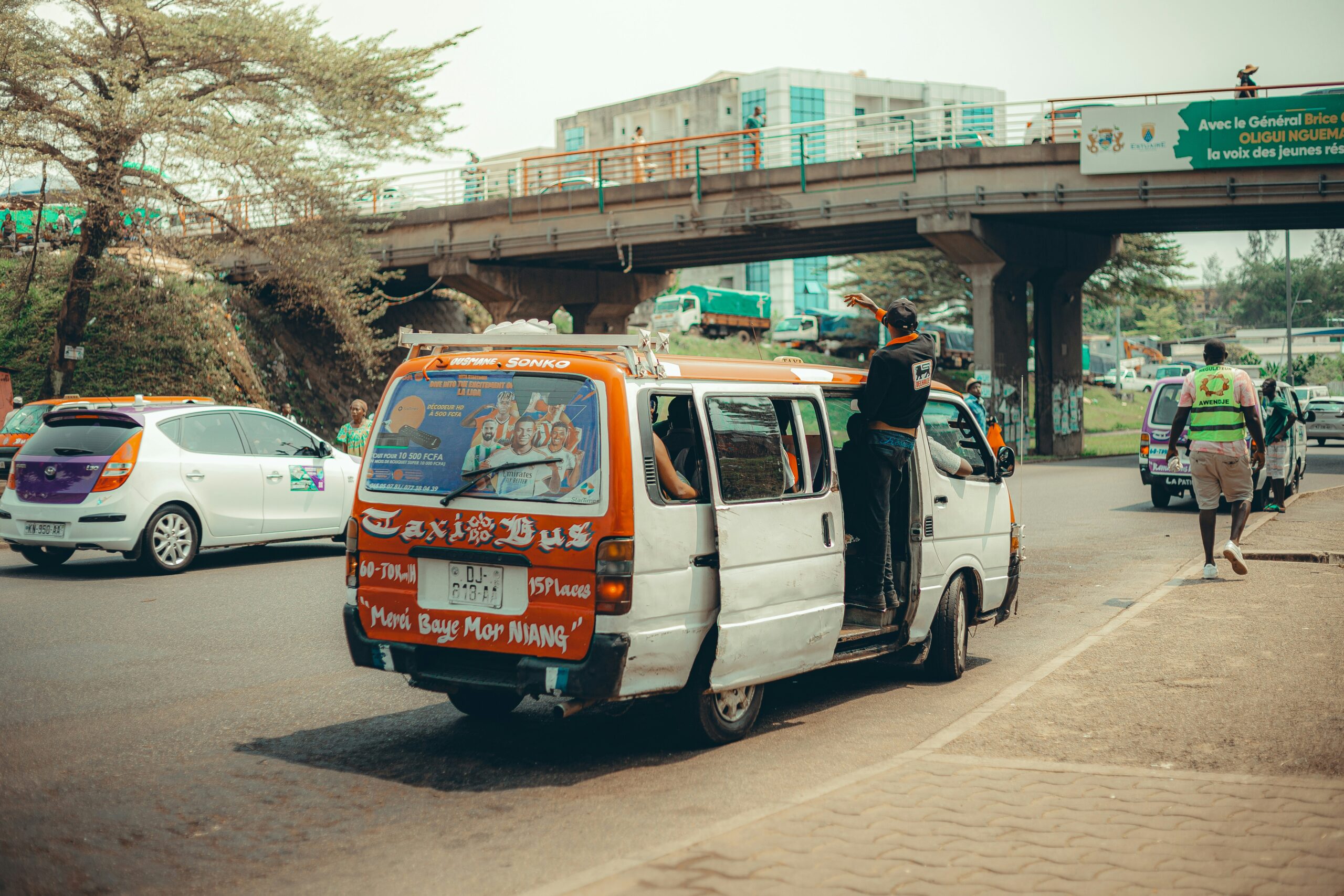
The ability to move an injured person safely and effectively during an emergency, especially when modern equipment is unavailable, relies on fundamental principles and resourceful application of readily available materials. These primitive methods, born out of necessity and honed over centuries, are crucial for survival in situations ranging from natural disasters to remote wilderness accidents. Understanding these techniques empowers individuals to provide critical aid before professional help can arrive, minimizing further harm and maximizing the chances of a positive outcome. The core of these methods lies in understanding the body’s limitations, the principles of leverage, and the importance of communication and teamwork.
Understanding the Fundamentals of Safe Movement
Before delving into specific techniques, a foundational understanding of patient assessment and the biomechanics of lifting and carrying is paramount. The primary goal is to stabilize the injured individual, prevent further injury during movement, and minimize pain. This involves a rapid, albeit basic, assessment of the situation and the person’s condition.
Initial Assessment and Prioritization
In an emergency, time is often of the essence. A quick, systematic assessment is vital to determine the nature and severity of the injuries and to prioritize the most urgent interventions. This begins with ensuring the rescuer’s safety. Is the environment stable? Are there ongoing threats like falling debris, unstable ground, or hazardous materials? Once the rescuer is safe, a brief survey of the injured individual is necessary. This is not a full medical examination but a rapid check for life-threatening conditions such as severe bleeding, airway obstruction, or obvious signs of spinal injury.
The assessment should focus on the “ABC”s: Airway, Breathing, and Circulation. Is the airway open? Is the person breathing? Is there severe, uncontrolled bleeding? For non-critical injuries, the focus shifts to identifying fractures, dislocations, and other painful conditions that might be exacerbated by movement. This initial assessment dictates the urgency of relocation and the type of handling required. For instance, a person with suspected spinal trauma will need extremely careful immobilization, while someone with a minor sprain might be moved more readily.
Principles of Leverage and Body Mechanics
Moving another person, especially one who is injured and potentially uncooperative, requires understanding basic physics. Applying leverage correctly distributes the weight and reduces the strain on the rescuer. This means keeping the back straight, bending the knees, and using the leg muscles to lift, not the back. When possible, a team approach is far more effective and safer than a solo effort. Communication between rescuers is crucial, with one person typically taking the lead to direct the movement and ensure coordination.
The concept of a “center of gravity” is also important. By keeping the injured person’s center of gravity as close as possible to the rescuers’ center of gravity, the movement becomes more stable and less prone to tipping or dropping. Understanding how to use the ground for support and how to roll or pivot rather than lift entirely can also make a significant difference. These principles are not just about brute strength; they are about intelligent application of force and strategic positioning.
In emergency situations, transporting injured individuals can be a critical challenge, especially when modern resources are unavailable. Primitive methods of transport, such as using a makeshift stretcher or carrying the injured person on a blanket, can be effective in ensuring their safety until professional medical help arrives. For those interested in exploring the implications of resource management in various contexts, including emergency responses, a related article discusses the risks associated with commercializing orbital space. You can read more about it here: The Risks of Commercializing Orbital Space.
Improvised Stretchers and Carriers

When a standard stretcher is unavailable, the ability to improvise is key. Various materials can be fashioned into effective carrying devices, providing support and facilitating transport over difficult terrain or for extended distances. The design of an improvised stretcher aims to distribute the patient’s weight evenly and minimize discomfort.
Utilizing Natural Materials for Support
In wilderness or disaster scenarios, natural materials are often the most accessible resources for creating makeshift carrying devices. Sturdy branches, poles, or even thick bamboo can serve as the primary support structure for a stretcher. These can be lashed together to create a frame. For the carrying surface, strong fabric such as a tarp, blankets, coats, or even large pieces of clothing can be used. The key is to find materials that are durable enough to hold the patient’s weight without tearing or breaking.
The Blanket Drag and Variations
One of the simplest and most immediate methods for moving an injured person over short distances is the blanket drag. A strong blanket, tarp, or even a coat can be spread beneath the injured person. The rescuers then grasp the edges of the material and pull, effectively dragging the person to a safer location. This method is particularly useful when a spinal injury is suspected, as it helps to maintain a relatively stable position for the patient. However, it is important to note that a drag should be used cautiously, as it can still cause friction and discomfort.
More advanced variations involve using poles as handles. Two long, sturdy poles are laid parallel on either side of the patient. A blanket or similar material is then spread over the patient and the poles, with the ends of the blanket being folded over the poles and secured. This creates a rudimentary stretcher that can be lifted and carried by two or more rescuers. This “pole and blanket” stretcher is a classic example of an effective improvised device.
Techniques for Moving Immobilized Patients

When an injury necessitates immobilization, particularly suspected spinal injuries, the methods of transport become more specialized and require meticulous care. The goal is to move the person as a single unit, preventing any twisting or bending of the spine or neck.
The Log Roll Maneuver
The log roll is a critical technique for moving patients suspected of having spinal injuries. It requires at least three rescuers. One rescuer is positioned at the head to support the head and neck, ensuring it remains aligned with the rest of the body. The other two rescuers stand on opposite sides of the patient. On a coordinated count, typically from the head rescuer, the two side rescuers simultaneously roll the patient onto their side, as if they were a single log. This allows for examination of the back or the placement of a backboard or other support.
Once the back is accessible or the new position is achieved, the patient is rolled back to the supine position, again as a unit. This maneuver minimizes movement of the spinal column. It is crucial to maintain communication and a steady, coordinated movement throughout the process. Any sudden jerks or uneven pulling can have severe consequences.
Securement and Stabilization During Transport
Once an injured person, especially one with a suspected spinal injury, is placed on an improvised stretcher, they must be securely fastened to prevent them from shifting during movement. This is where improvisation becomes crucial. Straps, belts, rope, or even strips of strong fabric can be used to tie the patient to the stretcher. The securement should be firm but not so tight as to impede breathing or circulation.
Padding is also important. Any gaps between the patient and the stretcher, or pressure points, should be filled with soft materials like clothing or blankets to enhance comfort and prevent further injury. If a head injury is suspected, the head should be gently stabilized to prevent lateral movement. This can be achieved by using rolled blankets or clothing placed on either side of the head.
Short-Distance and Emergency Relocations
In immediate life-threatening situations, such as a fire or imminent collapse, the priority is to move the injured person to safety as quickly as possible, even if it means sacrificing some degree of perfect immobilization. These are often last-resort measures employed when time is of the essence.
The Fireman’s Carry and Variations
The fireman’s carry is a well-known technique for moving an incapacitated person over short distances. The rescuer walks behind the injured person, slips one arm under the person’s thigh and the other arm over the person’s shoulder, then lifts the person onto their shoulders. The person’s arms are then draped over the rescuer’s shoulders. This method allows the rescuer to use their legs and core to carry the weight, freeing up their hands.
Variations exist, such as the pistol carry or the cradle carry, depending on the size of the injured person and the rescuer’s strength and agility. These methods are effective for quick evacuations but are generally not suitable for individuals with severe spinal injuries due to the inherent bending and twisting involved. They are best employed when the immediate threat to life outweighs the risk of exacerbating an unknown injury.
The Pack-Strap Carry and Two-Person Carries
The pack-strap carry is another effective method for moving an injured person over moderate distances, especially on uneven terrain. The injured person is seated, and the rescuer stands behind them. The rescuer passes the injured person’s arms over their own shoulders, then bends forward, allowing the injured person to lean forward, distributing their weight. The rescuer then stands up, using their legs to lift. This method can be more stable than the fireman’s carry.
For situations requiring more coordinated effort, two-person carries are employed. These can range from simple “shoulder-to-shoulder” carries where both rescuers hold the injured person by the legs and arms respectively, to more complex carries involving improvised handles or specialized grips. The key to any two-person carry is constant communication and synchronized movement to ensure stability and prevent the patient from being dropped. These methods require practice and a good understanding of how to distribute the weight efficiently.
In emergency situations, knowing how to transport injured people using primitive methods can be crucial when modern resources are unavailable. Techniques such as using a makeshift stretcher or creating a sling from available materials can make a significant difference in the care provided to the injured. For those interested in exploring more about practical survival skills and navigating challenging scenarios, a related article discusses the complexities of managing difficult situations, which can be found here. Understanding these methods not only enhances one’s ability to respond effectively but also prepares individuals for various emergencies.
Considerations for Different Injury Types
| Primitive Transport Method | Description | Materials Needed | Advantages | Disadvantages | Typical Use Case |
|---|---|---|---|---|---|
| Fireman’s Carry | Carrying the injured person over the shoulders | None (requires physical strength) | Quick and requires no equipment | Can be tiring for the carrier; not suitable for severe injuries | Short distance evacuation |
| Blanket or Cloth Drag | Wrapping the injured person in a blanket or cloth and dragging | Blanket, cloth, or large fabric | Distributes weight; protects from ground | Requires a blanket or cloth; can cause discomfort | Moving someone from dangerous area |
| Stretcher Made from Poles and Cloth | Constructing a stretcher using two poles and fabric | Two sturdy poles, cloth or clothing | Allows multiple carriers; stable transport | Requires materials and multiple people | Longer distance transport |
| Improvised Sled | Using a flat surface or tied branches to slide the injured | Flat board, large leaves, or tied branches | Reduces friction; useful on snow or smooth ground | Needs suitable terrain; materials may be hard to find | Transport over snow or soft ground |
| Two-Person Carry | Two people carrying the injured person by arms and legs | None | Simple and effective for short distances | Requires two carriers; tiring over time | Short distance, stable terrain |
The methods employed for transporting injured individuals should ideally be tailored to the specific nature of the injury. While improvisation is often necessary, understanding which techniques are more or less suitable for certain conditions can significantly impact the outcome.
Managing Fractures and Dislocations
When dealing with suspected fractures or dislocations, the primary objective during transport is to immobilize the affected limb and prevent further displacement. This might involve splinting the injured area before attempting to move the person. Improvised splints can be made from sturdy branches, rolled-up magazines, or even cardboard, and secured with bandages, cloth strips, or tape. The splint should extend beyond the joints above and below the fracture to provide maximum stability.
When carrying someone with a fracture, the injured limb should be supported to reduce strain on the break. This might involve cradling the limb, using slings made from fabric, or ensuring the stretcher design accommodates the injured area without putting undue pressure on it. If the injury is to a leg, it might be more comfortable and safer to have the person lie down rather than attempt to walk with assistance.
Handling Unconscious or Severely Weakened Individuals
Moving an unconscious or severely weakened individual presents unique challenges. The absence of verbal cooperation means rescuers must be extra vigilant about maintaining their position and preventing them from falling or sliding. As mentioned previously, the log roll is crucial for repositioning such individuals, especially if a spinal injury is suspected.
For short-distance moves of an unconscious person, the fireman’s carry or a similar technique can be used, but with extreme caution. It’s vital to ensure the person’s airway remains open and that their head is adequately supported. If possible, it is always preferable to move an unconscious person on a stable surface, like an improvised stretcher, to minimize jarring movements. Teamwork is paramount here, with rescuers communicating about the person’s condition and ensuring a smooth, controlled movement.
In conclusion, primitive methods for transporting injured people in emergencies, while seemingly basic, are a testament to human ingenuity and the fundamental principles of care. They underscore the importance of understanding the human body, applying basic physics, and utilizing readily available resources. Mastery of these techniques, even through practice and theoretical understanding, can be the difference between life and death when modern medical assistance is out of reach. The emphasis on safety, assessment, and coordinated effort remains paramount, regardless of the sophistication of the tools at hand.