Facing bone-chilling cold means your survival hinges on mastering a few key principles, primarily focused on generating and retaining heat, finding or building shelter, and managing your energy. Think of it as a constant battle against heat loss, where every decision counts.
Harnessing the Power of Flame and Fabric
Fire and proper clothing are your absolute lifelines when the mercury plummets. They are the cornerstones of staying alive in frigid environments, and mastering them is non-negotiable. Modern understanding, drawing from insights into Ice Age survival, consistently points back to these fundamental elements as the most critical.
The Art of Ignition in the Frost
Making fire in the cold isn’t just about rubbing sticks together; it’s about understanding how moisture and wind conspire against you and having the right techniques and materials to overcome them. Think of it as coaxing a tiny spark into a life-saving inferno.
- Material Selection is Crucial: Forget damp twigs. You need bone-dry tinder. Look for inner bark from dead, standing trees (birch is excellent, even when wet, due to its oils), dry grasses that have been protected from rain, or even bird nests. Pine needles, if thoroughly dried, can also work. The key is that it needs to catch a spark or ember easily and burn long enough to ignite larger fuel.
- Ignition Methods: While matches and lighters are ideal if you have them, always have a backup. A ferrocerium rod (ferro rod) and striker are incredibly reliable, even when wet. Practice using it. Flint and steel is another classic, but requires more skill. For the truly primitive, friction-based methods like a bow drill or hand drill are immensely difficult but achievable with practice. The key here is creating fine char material from your spindle that can catch an ember.
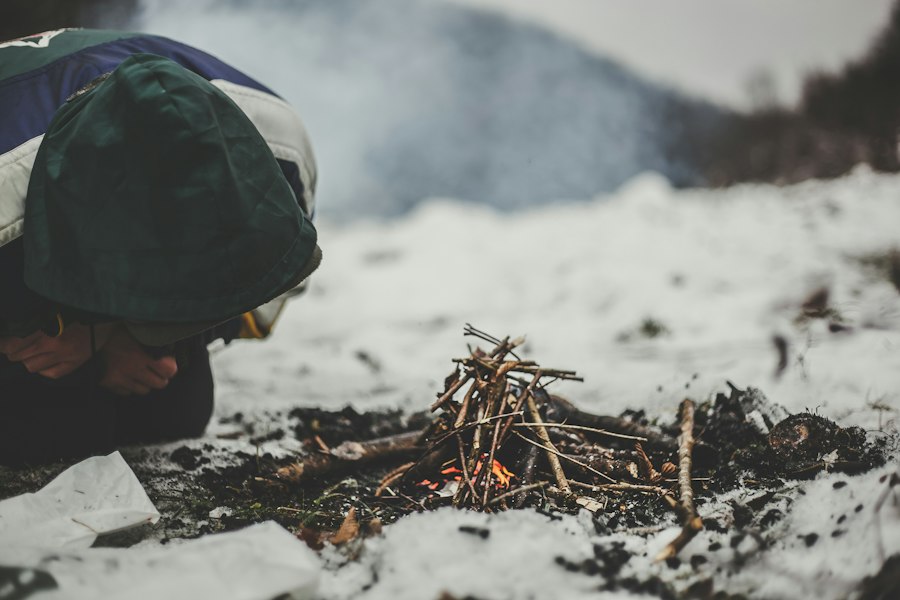
- Fuel Progression: Once you have a spark or ember, you need to nurse it. Gently blow on it while shielding it from the wind. Gradually add your smallest, driest tinder. Once you have a small flame, add progressively larger pieces of fuel. Start with pencil-lead-sized twigs, then finger-sized, then wrist-sized. Always have a substantial pile of dry fuel ready before you even attempt to start the fire.
Layering Up: Your Personal Insulation System
Clothing in extreme cold is all about layers. This creates air pockets that trap your body heat and act as insulation. Think of it as building your own personal microclimate.
- The Base Layer: This is what’s next to your skin. Its job is to wick away moisture. Wool or synthetic materials are best. Cotton is a killer in the cold because once it gets wet, it stays wet and draws heat away from your body rapidly.
- The Mid Layer: This is your primary insulation. Fleece, down, or wool sweaters and pants work well here. The goal is to trap body heat. You might need multiple mid-layers depending on how cold it is.
- The Outer Layer: This is your windproof and waterproof shell. It needs to block the elements without trapping too much moisture from your body. Breathable materials are a huge advantage here, allowing some vapor to escape.
- Extremities are Key: Hands, feet, and head lose heat rapidly. Mittens are generally warmer than gloves because your fingers can share warmth. Thick wool socks are essential, and you should have spares. A warm hat that covers your ears is vital. Consider a balaclava or scarf to protect your face and neck.
- Animal Hides: A Historical Advantage: Evidence suggests early humans were masters of using animal hides. Properly prepared furs, with the hair facing inward, provided exceptional insulation. The dense fur traps air, and the hide itself acts as a barrier. Think about the thickness and density of fur from animals adapted to cold climates.
In exploring the essential primitive survival skills needed to endure brutal cold, one can gain valuable insights from various historical practices. A related article that delves into the resourcefulness of ancient societies is titled “Rationing Systems in the Ancient World.” This piece highlights how early civilizations managed their resources during harsh conditions, which can be directly applicable to modern survival strategies in extreme environments. For more information, you can read the article here: Rationing Systems in the Ancient World.
Shelter from the Storm: Building a Winter Haven

When the wind howls and the snow piles up, shelter isn’t a luxury; it’s a necessity. The goal is to create a barrier between you and the elements, trapping your body heat inside. Early humans understood this implicitly, using natural features and readily available materials to their advantage.
Leveraging Natural Forms for Protection
Don’t always feel like you need to build from scratch. Nature often provides excellent starting points.
- Windbreaks: Even a simple cluster of thick evergreen trees can offer significant protection from wind. You can augment this by piling snow or brush against it.
- Snow Caves and Quinzees: Snow is an excellent insulator. A well-constructed snow cave or quinzee can maintain a surprisingly stable temperature, often just above freezing, even when it’s far colder outside.
- Snow Cave: Find a deep snowdrift or a hillside with ample snow. Dig in, ensuring the entrance is lower than the main chamber to trap warm air. Create a ventilation hole at the top.
- Quinzee: Pile up a large mound of snow and let it set and harden for a few hours. Then, hollow out the inside, leaving thick walls (at least a foot thick). This method allows you to create a dome-shaped shelter with excellent structural integrity and insulation. Remember to poke small ventilation holes.
- Rock Overhangs and Boulders: These can offer a natural windbreak and a foundation for a more robust shelter. You can build walls of snow, branches, or rocks to close off the open sides.
Constructing Improvised Dwellings
When natural features aren’t readily available, you need to build. This is where resourcefulness and understanding of basic construction come into play.
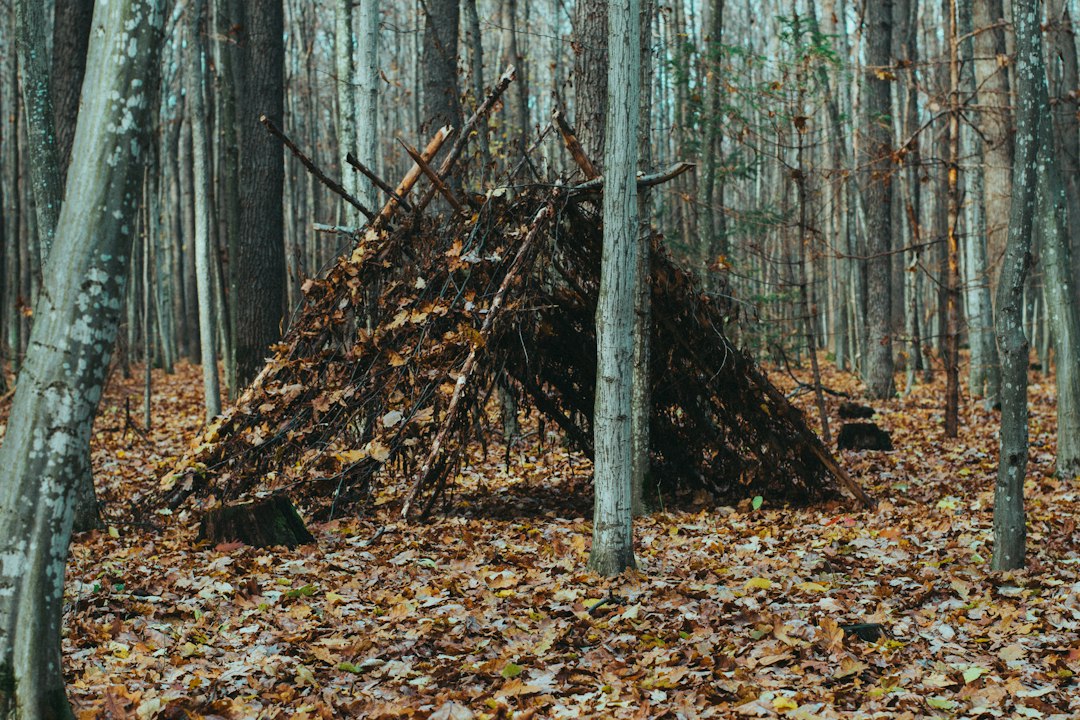
- Debris Huts: The simplest form is a lean-to. Find a sturdy ridgepole and lean branches against it to form a V-shape. Then, pile on as much insulating material as possible – leaves, pine needles, grass, snow. The thicker the insulation, the warmer it will be. Aim for at least two to three feet of packed material.
- Mammoth Bone Structures: A Glimpse into the Past: Archaeological finds show that early humans, during glacial periods, built sophisticated structures using large animal bones, particularly mammoth ribs and skulls, as a framework. These were then covered with hides and turf. This created robust, windproof dwellings that effectively trapped heat. While you won’t have mammoth bones, the principle of using large, strong elements as a frame and then insulating heavily with available materials remains relevant. Think about fallen logs or large rocks as potential structural components.
- Entrance Design: Always design your shelter with a small, low entrance. This minimizes heat loss. You can even create a small “airlock” by having an inner and outer door or flap. The idea is to prevent drafts from directly entering your living space.
Fueling the Furnace: Energy and Diet in the Cold
Your body is a furnace, and in extreme cold, it works overtime to keep you warm. This means you need to feed it efficiently. Storing and consuming calorie-dense foods is paramount, and the cold itself can be your ally in food preservation.
The Power of Calories: What to Eat and When
In survival situations, especially in the cold, your primary dietary goal is to consume as many calories as possible.
- Fat is Your Friend: Fat is the most calorie-dense macronutrient. Animal fats, like marrow from bones, rendered animal fat, or fatty cuts of meat, are invaluable. These provide sustained energy and help with insulation.
- Carbohydrates for Quick Energy: While fat is for the long haul, carbohydrates provide quicker energy. Think dried fruits if available, or starchy roots if you know how to identify and prepare them safely.
- Protein for Repair: Protein is essential for repairing tissues, but in extreme cold, calorie intake often takes precedence. However, lean meats still contribute to your overall intake.
- Marooned Marrow: A Glacial Freezer: Historical evidence points to the importance of marrow. Not only is it incredibly calorie-dense, but the cold conditions served as a natural freezer, allowing early humans to store and preserve it for later consumption. If you encounter bone, don’t discard it – the marrow is a treasure trove of calories.
Strategic Food Caching and Consumption
Thinking ahead about your food supply is crucial. The cold can help you with this.
- Natural Refrigeration: Utilize the cold to your advantage. If you have excess meat or other perishables, freezing them is the best preservation method. Hang meat in a cool, dry place where scavengers cannot access it.
- Caching for Later: If you find a good food source, don’t eat it all at once. Cache some of it in a safe location, buried in snow or a protected spot, to ensure you have food for the coming days. Be mindful of animal activity, though.
- Eating Regularly: Try to eat small, frequent meals rather than one large one. This provides a more consistent energy supply to your body.
The Silent Heat Generator: Understanding Your Body’s Innate Systems
Beyond external aids, your body possesses remarkable internal mechanisms to generate heat, even without shivering. Understanding these, and how to encourage them, can be a game-changer in extreme cold.
Beyond the Shivers: Non-Shivering Thermogenesis
Recent research has shed light on the concept of non-shivering thermogenesis (NST). This is your body’s ability to produce heat through metabolic processes rather than muscular contractions like shivering.
- Brown Adipose Tissue (BAT): This specialized fat tissue is rich in mitochondria and can burn calories to produce heat. While more prevalent in infants, adults do have BAT, and its activity can be influenced. Cold exposure can stimulate the development and activation of BAT.
- Hormonal Influences: Hormones like thyroid hormones and adrenaline play a role in regulating metabolic rate and heat production. Maintaining good overall health and managing stress can indirectly support these systems.
- Active Lifestyle: While excessive exertion can lead to sweating and heat loss, moderate, consistent activity that doesn’t induce heavy sweating can help keep your metabolism elevated and encourage heat production. This is about finding a balance.
Physiological Adaptations to Cold
Over time, and even with short-term exposure, the human body can adapt to cold conditions in subtle yet significant ways.
- Blunted Cold Shock: Individuals who spend time in cold water, for example, often develop a reduced cold-shock response. This means their initial gasp for air and the sudden surge of adrenaline are less intense, allowing them to function better in a cold environment.
- Metabolic Adjustments: While not as dramatic as in some animals, humans can experience some metabolic rate increases in response to prolonged cold. This is your body trying to burn more fuel to stay warm.
- Vasoconstriction and Vasodilation: Your body will strategically constrict blood vessels in your extremities to conserve core body heat. Understanding this can help you manage your circulation by keeping extremities warm when possible, and recognizing when your body is prioritizing core warmth.
In exploring the essential techniques for thriving in brutal cold environments, one can gain valuable insights from various resources. For instance, an intriguing article discusses the historical significance of survival strategies, particularly in relation to ancient civilizations. This piece delves into the lost knowledge that has shaped our understanding of survival, much like the methods used by those who once navigated the harsh climates of their time. To learn more about this fascinating topic, you can read the article on the Library of Alexandria’s legacy here.
Navigating the White Wilderness: Movement and Environmental Awareness
| Skill | Description | Importance Level | Typical Tools/Materials | Estimated Survival Impact |
|---|---|---|---|---|
| Fire Starting | Ability to create and maintain fire for warmth, cooking, and signaling. | High | Flint, dry tinder, friction methods (bow drill) | Critical for preventing hypothermia and purifying water |
| Shelter Building | Constructing insulated shelters to protect from wind and cold. | High | Branches, snow, leaves, animal hides | Significantly reduces heat loss and exposure risk |
| Clothing and Insulation | Using natural materials to create layered clothing for insulation. | High | Animal furs, grasses, bark | Maintains body heat and prevents frostbite |
| Water Procurement | Finding and melting snow or ice safely for hydration. | Medium | Fire, containers, snow/ice | Prevents dehydration which can worsen cold injuries |
| Food Foraging and Hunting | Locating and capturing food sources in cold environments. | Medium | Traps, spears, knowledge of edible plants/animals | Provides energy necessary for body heat production |
| Navigation | Using natural signs and tools to avoid getting lost. | Medium | Sun, stars, landmarks | Prevents prolonged exposure and aids rescue |
| First Aid for Cold Injuries | Recognizing and treating frostbite and hypothermia. | High | Warm water, insulation, rest | Reduces risk of permanent damage or death |
Surviving in the brutal cold isn’t just about enduring it; it’s also about moving through it efficiently and understanding its unique challenges and opportunities. This involves knowledge of the terrain, weather patterns, and how to travel safely.
The Language of Snow and Ice
Becoming attuned to the nuances of a winter landscape is a survival skill in itself.
- Snow Types and Their Properties: Not all snow is the same. Powdery snow is poor for building but can be good insulation if packed. Wet, heavy snow is excellent for building snow structures. Ice depth is critical for travel over frozen water. Learn to assess these conditions visually and by touch.
- Freeze-Thaw Cycles: Understanding how temperatures fluctuate is vital. Unstable snowpack can lead to avalanches. Ice can become dangerous if it thaws and refreezes.
- Reading the Wind and Weather: Windchill is a major factor in heat loss. Observe wind direction and how it affects snowdrifts. Learn to recognize signs of approaching storms.
Efficient Winter Travel
Moving through snow and cold requires different techniques than traveling in milder conditions.
- Pacing and Rest: Conserve energy. Move at a steady, sustainable pace. Take short, frequent rests in sheltered locations if possible. Avoid overexertion that leads to heavy sweating.
- Footwear and Traction: Proper footwear is crucial. Insulated, waterproof boots are essential. If traveling on ice or packed snow, consider using crampons or other traction devices if available.
- Route Selection: Choose your route wisely. Avoid areas with high avalanche risk. Look for natural windbreaks and sheltered paths. Sometimes, a slightly longer but more protected route is the safer choice.
- Using the Cold: As mentioned with food, use the cold to your advantage. If you need to travel a long distance, the cold can preserve your energy if you manage heat loss effectively. It can also make travel on frozen surfaces possible.
Signaling for Rescue
If you are in a situation where you need rescue, being able to signal effectively is paramount.
- Fire and Smoke: A signal fire, especially one with green branches added to create smoke, is highly visible. Maintain three fires in a triangle for a universal distress signal.
- Mirrors and Light: Reflective surfaces can be seen from miles away.
- Visual Signals: Creating large, contrasting signals on the ground (e.g., an “SOS” made of rocks or branches against snow) can be seen from the air.
Mastering these skills is a continuous process, not a one-time event. Practice in controlled environments whenever possible. The ability to remain calm, think logically, and apply these fundamental survival principles will be your greatest asset when facing the unforgiving brutality of extreme cold.

Life 20,000 Years Ago | When Your Ice Age Family Can’t Feed the Dog
FAQs
What are primitive survival skills in brutal cold environments?
Primitive survival skills in brutal cold environments refer to techniques and knowledge that enable individuals to survive in extreme cold conditions using natural resources and traditional methods. These skills include building shelters, finding food, creating fire, and navigating through snow and ice without modern tools.
How can one build an effective shelter in cold weather?
To build an effective shelter in cold weather, one should look for natural windbreaks like trees or rocks. A snow cave or a lean-to made from branches and leaves can provide insulation. It’s essential to insulate the floor with leaves or pine boughs to prevent heat loss and to ensure the shelter is small enough to retain body heat.
What are some methods for finding food in cold climates?
In cold climates, food can be found through various methods such as ice fishing, trapping small animals, and foraging for edible plants that may be available. Learning to identify animal tracks can also help locate sources of food. Additionally, hunting larger game may be possible with the right tools and techniques.
How can one create fire without modern tools?
Creating fire without modern tools can be achieved using methods such as the bow drill, hand drill, or flint and steel. These techniques require friction or striking materials together to produce sparks. It’s important to gather dry tinder, kindling, and fuel to sustain the fire once it is started.
What clothing is best suited for survival in brutal cold?
For survival in brutal cold, layered clothing is essential. The base layer should wick moisture away from the skin, the middle layer should provide insulation, and the outer layer should be windproof and waterproof. Materials like wool and synthetic fibers are preferred for their insulating properties and ability to retain warmth even when wet.