
Harnessing the Wild: The Primal Ingenuity of Early Humans
Twenty thousand years ago, the Earth was a vastly different place, a landscape sculpted by the harsh beauty of the Late Pleistocene epoch. For the early humans of this era, survival was not a passive state but an active, constant endeavor, a testament to their profound understanding and manipulation of the natural world. They were not passive observers of their environment but active participants, their lives intrinsically woven into the intricate tapestry of ecosystems. Their existence was a sophisticated dance with predator and prey, with the changing seasons, and with the fundamental resources that sustained life. This was an age where knowledge was passed down through generations, not through written texts, but through observation, imitation, and rigorous practice. The skills they honed were not mere tricks; they were the very foundation of their continued existence, enabling them to thrive in environments that would challenge even the most well-equipped modern individual.
Early humans, approximately 20,000 years ago, relied heavily on primitive survival skills to navigate their harsh environments. These skills included foraging for edible plants, crafting tools from stone and bone, and mastering the art of fire-making, which was crucial for warmth and cooking. Understanding these techniques provides valuable insight into the resourcefulness of our ancestors and their ability to adapt to changing conditions. For a deeper exploration of how early human ingenuity parallels modern resource management, you can read more in this article about the economic value of lunar resources: The Economic Value of Lunar Helium-3.
Mastering the Hunt: Strategies for Sustenance
The quest for food was a paramount concern for early humans, and their hunting strategies were a sophisticated blend of intellect, observation, and sheer physical prowess. The availability of game, ranging from small mammals to massive megafauna, dictated the approaches employed. These were not random chases but carefully planned expeditions, often involving the collective efforts of a group, demonstrating an early form of cooperative social structure and strategic thinking. The success of these hunts was directly proportional to the depth of their understanding of animal behavior, migration patterns, and anatomical vulnerabilities.
The Art of the Chase: Pursuit and Ambush
Chasing prey was a foundational hunting technique, requiring immense stamina and an intimate knowledge of terrain. Early humans understood the physiological limitations of different animals, knowing when an animal was fatigued and most susceptible to capture. This often involved driving herds towards natural traps such as cliffs, ravines, or dense thickets where escape was impossible. Ambush hunting, conversely, relied on patience and cunning. Hunters would conceal themselves, often for extended periods, utilizing natural camouflage to blend seamlessly with their surroundings. They would wait for unsuspecting animals to wander within striking distance, demonstrating an acute awareness of animal movement and a remarkable ability to remain still and undetected. The element of surprise was their greatest ally, allowing them to overcome prey far larger and stronger than themselves.
Tools of the Trade: Projectile Technology
The development and refinement of projectile weapons marked a revolutionary leap in hunting efficiency. Spear throwers, or atlatls, dramatically increased the velocity and range of spears, allowing hunters to engage prey from a safer distance. The construction of these atlatls required a deep understanding of leverage and material properties. The spears themselves were meticulously crafted, often tipped with sharpened stone points, bone, or hardened wood. The effectiveness of these points was enhanced through careful knapping, creating razor-sharp edges capable of inflicting deep wounds. Furthermore, early humans understood the importance of hafting, securely attaching the projectile point to the shaft to ensure maximum impact and prevent breakage. The creation of these tools was not a solitary pursuit but likely involved specialized individuals within the group, contributing to a division of labor and a shared pool of knowledge.
Tracking and Reading the Signs: Reading the Wilderness
The ability to track animals was an indispensable survival skill. Twenty thousand years ago, the wilderness was an open book to those who knew how to read its subtle inscriptions. Footprints, scat, broken vegetation, and even the faint scent of an animal were all indicators that conveyed crucial information about the presence, direction, and proximity of prey. Hunters meticulously studied these signs, piecing together a narrative of the animal’s recent movements. They understood the nuances of different substrates and how they retained or obliterated tracks. This required a keen observational eye and a developed sense of deduction, allowing them to anticipate the animal’s trajectory and plan their approach accordingly. This was a form of ecological literacy, a deep-seated understanding of the interconnectedness of living things and their environment.
Shelter and Comfort: Building for Survival

Protection from the elements was as vital as sustenance. Early humans were adept at creating shelters that offered refuge from harsh weather, predators, and the biting cold of the Pleistocene. Their building techniques were remarkably varied, reflecting the diverse environments they inhabited and the readily available resources. These structures were not merely temporary hovels but were often designed for longevity and comfort, demonstrating a foresight and planning capability.
Utilizing Natural Abodes: Caves and Rock Overhangs
Caves and rock overhangs provided natural shelters that early humans readily exploited. These offered immediate protection from wind, rain, and snow, as well as a degree of security from predators. However, simply occupying a cave was not enough. Early humans would enhance these natural shelters, often using animal hides and woven branches to create rudimentary walls that further insulated the space and blocked drafts. They would also strategically position hearths within these spaces, providing warmth and light, and acting as a deterrent to some nocturnal predators. The selection of a suitable cave involved an assessment of its accessibility, defensibility, and proximity to resources like water and game.
Constructing Portable Dwellings: Tents and Huts
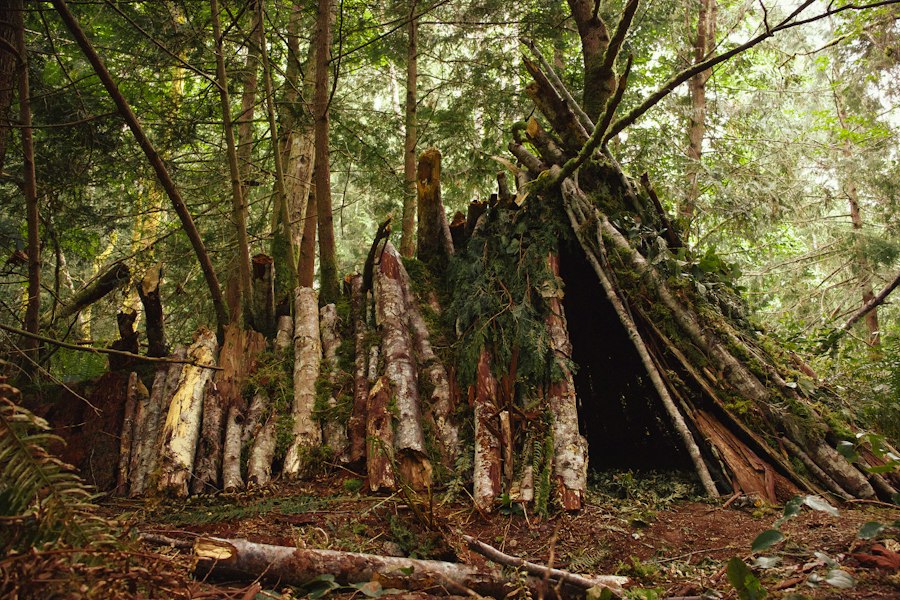
Beyond utilizing natural formations, early humans were skilled builders of portable shelters. In areas where caves were scarce or strategically unfavorable, they would construct tents and huts from readily available materials. These structures were often made from animal hides stretched over a framework of branches, poles, or even mammoth bones. The construction of these dwellings required an understanding of basic engineering principles, ensuring stability and weather resistance. In colder regions, these shelters were likely insulated with a thick layer of moss, grass, or leaves, creating a surprisingly warm and dry living space. The portability of these dwellings was crucial for nomadic groups who followed game herds or migrated with the changing seasons, allowing them to relocate their homes with relative ease.
The Hearth: A Center of Life and Warmth
The control of fire was a monumental achievement, and the hearth became the undeniable heart of the early human dwelling. Fire provided warmth, crucial for survival in frigid climates, and a means to cook food, making it more digestible and killing harmful bacteria. It also served as a powerful deterrent against predators, illuminating the darkness and creating a psychological barrier. The management of fire was a learned skill, involving the careful selection of fuel, the maintenance of embers, and the ability to rekindle a flame. The communal nature of the hearth fostered social bonding, providing a central gathering place for sharing stories, knowledge, and the warmth of companionship.
Foraging and Gathering: The Bounty of the Earth
While hunting provided crucial protein, the reliance on foraging and gathering was equally, if not more, significant for the daily survival of early humans. Their knowledge of the plant kingdom was extensive, a detailed inventory of edible roots, berries, seeds, nuts, and leaves, understood through generations of careful observation and experimentation. This was not a haphazard process but a sophisticated understanding of plant life cycles, seasonal availability, and nutritional content.
Identifying Edible Plants: A Botanical Encyclopedia
Early humans possessed an intimate understanding of the local flora. They could distinguish between edible and poisonous plants with a high degree of accuracy, a skill honed through trial and error, and crucially, through the transmission of knowledge from elders to younger generations. They knew which plants were safe to consume raw and which required preparation, such as boiling or roasting, to neutralize toxins or improve digestibility. This botanical knowledge extended to understanding the optimal harvesting times for different plants, ensuring a continuous supply of food throughout the year. They likely recognized the medicinal properties of certain plants, using them to treat ailments and injuries, further demonstrating their deep connection to the natural world.
Harvesting Techniques and Preservation
The act of gathering involved more than simply plucking berries. Early humans developed specific techniques for harvesting roots, seeds, and nuts without damaging the plant, ensuring future growth. They understood the importance of seed dispersal, often scattering seeds after consumption to promote regrowth. Preservation methods were also likely employed to store food for leaner times. This could have included drying fruits and vegetables in the sun, or storing nuts and seeds in cool, dry places. Understanding how to process and store food was critical for surviving periods of scarcity, particularly during harsh winters when fresh produce was unavailable.
Seasonal Cycles and Resource Management
The foraging strategies of early humans were inextricably linked to the seasonal cycles of their environment. They understood the ebb and flow of nature, knowing when certain fruits would ripen, when roots were most abundant, and when specific seeds were ready for harvest. This seasonal awareness allowed them to plan their movements and their foraging efforts effectively. Furthermore, they likely practiced a form of resource management, avoiding over-harvesting in any single area to ensure the long-term availability of edible plants, demonstrating an early understanding of ecological sustainability.
Early humans, approximately 20,000 years ago, relied heavily on primitive survival skills to navigate their harsh environments. These skills included foraging for edible plants, crafting tools from stone, and mastering the art of fire-making, which were essential for warmth, cooking, and protection. Understanding these ancient techniques not only sheds light on our ancestors’ daily lives but also highlights the resilience and adaptability of early human societies. For a deeper exploration of how environmental changes impact human survival, you can read more in this insightful article about the challenges faced by island nations at the threat of sinking island nations.
Crafting and Toolmaking: Innovation in Materials
| Survival Skill | Description | Purpose | Estimated Usage Frequency |
|---|---|---|---|
| Fire Making | Creating and controlling fire using friction or flint tools | Cooking food, warmth, protection from predators | Daily |
| Stone Tool Crafting | Shaping stones into cutting, scraping, and hunting tools | Hunting, food preparation, crafting other tools | Regularly |
| Foraging | Identifying and gathering edible plants, nuts, and berries | Food source, nutrition | Daily to weekly |
| Hunting Techniques | Using spears, traps, and coordinated group strategies | Obtaining meat and animal products | Weekly to monthly |
| Shelter Building | Constructing temporary shelters from natural materials | Protection from weather and predators | Seasonally or as needed |
| Water Sourcing | Locating and purifying water from natural sources | Hydration and survival | Daily |
| Tracking | Reading animal tracks and environmental signs | Hunting and avoiding danger | Regularly |
| Clothing Creation | Using animal hides and plant fibers to make garments | Protection from cold and environment | Seasonally |
The ability to craft tools and adapt materials was a defining characteristic of early humans, a testament to their ingenuity and problem-solving skills. Their toolkit was diverse, reflecting a profound understanding of the properties of stone, bone, wood, and other natural resources. Each tool was designed for a specific purpose, meticulously shaped and refined to maximize its effectiveness.
Lithic Technology: The Art of Stone Tool Production
The creation of stone tools, or lithic technology, was a cornerstone of early human survival. This involved a complex process of selecting appropriate stones, such as flint or obsidian, and then systematically fracturing them to create sharp edges and points. This knapping process required immense skill, precision, and an understanding of conchoidal fracture. Tools ranged from simple handaxes and scrapers for butchering and processing hides, to more refined blades and projectile points for hunting. The development of different tool types reflected an evolving understanding of how to exploit their environment more effectively.
Working with Bone and Antler: Versatility and Durability
Bone and antler offered a more malleable material for toolmaking, allowing for the creation of a wider array of implements. These materials could be ground, polished, and drilled, resulting in tools such as needles for sewing, awls for piercing hides, and harpoon points for fishing. The durability of bone and antler made them ideal for tools that experienced significant wear and tear. Furthermore, the natural shapes of these materials could often be utilized, reducing the amount of shaping required. The use of bone and antler demonstrated a resourcefulness, utilizing every part of the animal carcass.
Utilizing Wood and Other Organic Materials: Adaptability in Application
Wood was a versatile material, used for constructing shelters, making spears, bows, and arrows, and for crafting containers. Early humans understood the different properties of various woods, selecting those that were strong, flexible, or durable as needed. They also utilized other organic materials such as plant fibers for cordage, resins for binding, and animal sinew for strong lashing. The creation of cordage, in particular, was a significant advancement, enabling the lashing of tools, the construction of nets, and the creation of binding for various purposes. This mastery over diverse materials highlights their adaptability and their ability to harness the full potential of their surroundings.
Social Organization and Knowledge Transmission: The Power of Community
Survival in the harsh world of 20,000 years ago was not solely an individual endeavor. The success of early humans was deeply rooted in their social organization and their sophisticated methods of knowledge transmission. These elements fostered cooperation, ensured the survival of the group, and allowed for the continuous development and refinement of vital skills.
The Role of the Band: Cooperation and Specialization
Early human societies were likely organized into small, nomadic bands, typically consisting of extended family groups. Within these bands, a division of labor likely existed, with individuals specializing in tasks such as hunting, gathering, toolmaking, and childcare. This specialization increased efficiency and allowed for the development of expertise within the group. Cooperation was essential for the success of large hunts, the defense of the group, and the shared responsibility of raising children. The intimate nature of these bands fostered strong social bonds and a sense of collective responsibility.
Oral Tradition and Apprenticeship: Passing Down Wisdom
In the absence of written language, knowledge was passed down through generations via oral tradition and direct apprenticeship. Elders played a crucial role as repositories of accumulated wisdom, sharing stories, practical advice, and survival techniques with younger members of the group. Children learned by observing, imitating, and actively participating in the daily tasks of their community. This hands-on learning process ensured that essential skills were retained and refined, allowing for incremental improvements over time. The stories and myths of the community also served to reinforce cultural values and provide a framework for understanding the world.
Ritual and Symbolism: Shared Beliefs and Identity
While the specifics remain elusive, evidence suggests that early humans engaged in ritualistic practices and possessed a capacity for symbolic thought. These could have played a vital role in reinforcing social cohesion, communicating shared beliefs, and fostering a sense of group identity. Rituals surrounding hunts, births, and deaths, for example, could have served to unite the community and provide a framework for coping with life’s challenges. The development of symbolic representation, evident in early art and ornamentation, suggests a complex inner life and a capacity for abstract thought, further contributing to their ability to navigate and understand their world.

Life 20,000 Years Ago | When an Ice Age Wildfire Traps Your Primitive Family
FAQs
What are primitive survival skills used by early humans?
Primitive survival skills refer to the basic techniques and knowledge that early humans utilized to survive in their environments. These skills included hunting and gathering food, making fire, building shelters, and crafting tools from natural materials. Mastery of these skills was essential for securing food, protection from the elements, and ensuring overall survival.
How did early humans make fire?
Early humans made fire using various methods, including friction techniques such as the hand drill or bow drill, striking flint against iron pyrite, or using natural sources like lightning strikes. Fire was crucial for cooking food, providing warmth, and protection from predators, making it a vital survival skill.
What types of tools did early humans create?
Early humans created a variety of tools from stone, bone, and wood. Common tools included hand axes, scrapers, and spears, which were used for hunting and processing food. The development of these tools marked significant advancements in human technology and contributed to more efficient survival strategies.
How did early humans find food?
Early humans were primarily hunter-gatherers, relying on a combination of hunting animals and foraging for wild plants, fruits, nuts, and seeds. They developed knowledge of animal behavior and seasonal plant availability, which helped them locate food sources effectively. This dual approach allowed them to adapt to changing environments and food scarcity.
What role did shelter play in early human survival?
Shelter was essential for early human survival as it provided protection from harsh weather conditions, predators, and other environmental hazards. Early humans constructed shelters using natural materials such as branches, leaves, and animal hides. These structures varied in complexity, from simple lean-tos to more elaborate dwellings, depending on the resources available and the climate of the region.