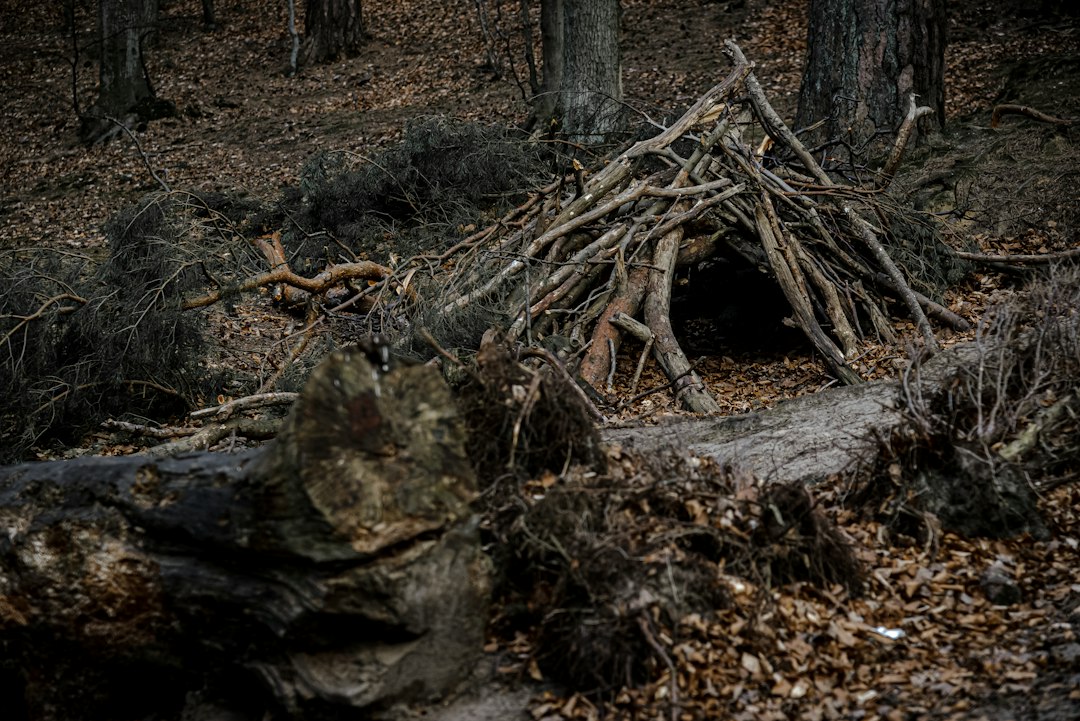
The biting winds and unforgiving landscapes of the Ice Age demanded a mastery of survival that modern humanity can only begin to fathom. Our Ice Age ancestors, living in a world vastly different from our own, possessed a profound understanding of their environment, honed by millennia of necessity. Their primitive survival skills, far from being crude or rudimentary, represent a sophisticated adaptation to the challenges of a glacial epoch, offering invaluable lessons even today. These skills, etched into our evolutionary heritage, provide a window into the ingenuity and resilience that allowed our forebears to not only endure but thrive in one of Earth’s most extreme periods.
Mastering the Cold: Shelter and Warmth
The paramount challenge facing Ice Age humans was undoubtedly the intense cold. Without advanced insulation or artificial heating, they relied on an intimate knowledge of natural resources and clever engineering to create shelters that could withstand brutal temperatures and blizzard conditions. These shelters were not mere windbreaks but sophisticated structures designed to trap heat and provide a safe haven from the elements.
The Art of the Igloo: Snow as an Insulator
While often associated with later Arctic cultures, the principles of snow construction were likely understood and utilized by Ice Age peoples. Snow, when compacted and layered, possesses remarkable insulating properties. Ice Age ancestors, keenly aware of this, would have chosen suitable snowdrifts or constructed their own from packed snow. The hollow interior of a snow structure minimizes the surface area exposed to the cold, while the trapped air within the snow acts as a thermal barrier. The entrance, often designed with a tunnel or a stepped opening, further prevented heat loss. The body heat of occupants, combined with the insulation of the snow, could create a surprisingly warm and stable environment. Imagine the skill required to shape these structures, ensuring structural integrity against wind and snow load, all with rudimentary tools and sheer determination.
Caves and Rock Shelters: Nature’s Embrace
Before the widespread development of constructed shelters, natural formations like caves and rock overhangs offered immediate and effective protection from the elements. Ice Age populations would have systematically explored and exploited these geological features. The inherent thermal mass of rock helped regulate internal temperatures, absorbing heat during the day and radiating it slowly throughout the night. The strategic placement of entrances, often facing away from prevailing winds, further enhanced their utility. Evidence suggests that these natural shelters were not simply occupied but actively improved. Stone walls might have been erected to block drafts, hearths were dug to contain fires, and sleeping platforms were created to elevate individuals above the cold ground. The careful selection and modification of these sites demonstrate a deep understanding of how to harness the environment for survival.
Hide Tents and Mammoth Bone Dwellings: Nomadic Ingenuity
For those who were more mobile, or in regions lacking extensive cave systems, constructed shelters were essential. The remains of nomadic Ice Age peoples often reveal the ingenious use of animal hides stretched over frames. Large mammals like mammoths and reindeer provided not only food and tools but also vast expanses of hide that, when treated, could create durable and relatively waterproof coverings. These tents, likely conical or dome-shaped, could be erected and dismantled relatively quickly, allowing for movement in pursuit of game or in response to changing environmental conditions. In areas rich with megafauna, particularly mammoths, their colossal bones were ingeniously incorporated into shelter construction. Massive ribs and skulls could form the framework for sturdy dwellings, providing both support and a degree of insulation. These structures, sometimes quite large, suggest sophisticated social organization and a deep understanding of engineering principles derived from observing the natural world.
Understanding the primitive survival skills of our Ice Age ancestors provides fascinating insights into how early humans adapted to their harsh environments. These skills, such as foraging, hunting, and shelter-building, were crucial for survival during a time when resources were scarce and the climate was unforgiving. For a deeper exploration of how these ancient practices relate to modern human interactions and societal structures, you can read more in this article on political geography: Understanding Political Geography: A Key Aspect of Global Relations.
The Art of the Hunt: Sustaining Life

The procurement of food was a constant, life-or-death endeavor for Ice Age ancestors. Their hunting strategies were characterized by an acute understanding of animal behavior, keen observation skills, and the development of specialized tools and techniques that allowed them to bring down large and dangerous prey.
Tracking and Stalking: Reading the Landscape
The ability to track and stalk prey was a fundamental survival skill. Ice Age hunters were masters of reading the subtle signs left behind by animals: a broken twig, a disturbed patch of grass, animal tracks imprinted in mud or snow. They understood the preferred routes of herds, their watering holes, and their seasonal movements. This knowledge, passed down through generations, allowed them to anticipate where and when to find game. Stalking required immense patience and stealth. Hunters would move silently, using natural cover to their advantage, their senses constantly alert for any sound or scent that might betray their presence or the presence of their quarry. The success of a hunt often hinged on the hunter’s ability to become one with the landscape, a living extension of the environment.
The Power of the Spear and Spear Thrower: Projectile Technology
The development of projectile weaponry was a significant leap forward in hunting efficiency. The spear, a fundamental tool, allowed hunters to engage prey from a safer distance. However, the true revolution came with the invention of the spear thrower, or atlatl. This ingenious device, a lever that extended the hunter’s arm, greatly increased the velocity and range of a thrown spear. By harnessing mechanical advantage, the atlatl enabled hunters to deliver powerful, accurate thrusts, increasing their chances of a quick kill and reducing the risk of injury. The craftsmanship involved in creating these atlatls, often from bone, antler, or wood, speaks to a deep understanding of physics and tool design. The ability to throw a spear with lethal force, coupled with the knowledge of where to aim for vital organs, was a cornerstone of Ice Age sustenance.
Group Hunting Strategies: Cooperation and Coordination
While individual prowess was important, many of the most successful hunts involved sophisticated group strategies. Ice Age communities would coordinate their efforts to bring down large and dangerous megafauna like mammoths, woolly rhinoceroses, and cave bears. These hunts required immense cooperation, clear communication, and a shared understanding of roles. Strategies might include driving herds towards natural traps like cliffs or bogs, employing decoys, or using coordinated attacks from multiple directions. The success of such endeavors relied on trust, discipline, and the ability to work together as a cohesive unit, a testament to the social bonds that underpinned their survival. The planning and execution of these large-scale hunts demonstrate a level of social organization and strategic thinking that is often underestimated in our perception of primitive societies.
Resourcefulness and Toolmaking: Adapting the Environment
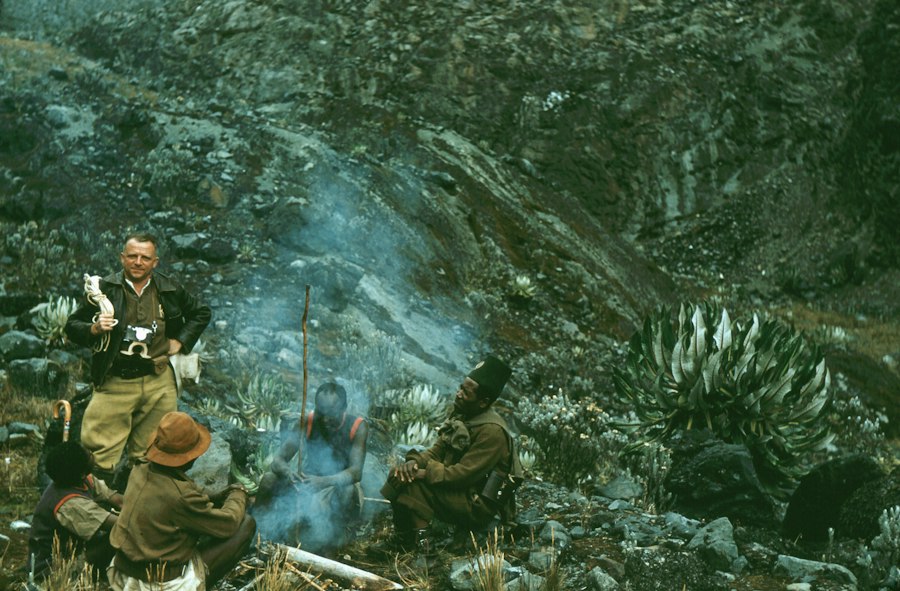
The Ice Age demanded constant innovation in toolmaking. Our ancestors possessed an extraordinary ability to transform raw materials into essential implements, demonstrating a keen understanding of material properties and a remarkable knack for improvisation.
Flintknapping: Shaping Stone for Survival
The mastery of flintknapping was perhaps the most crucial technological skill of the Ice Age. Through a process of striking and pressure flaking, they could shape hard stones like flint, chert, and obsidian into a vast array of tools. Sharp edges for cutting and scraping, points for spears and knives, and broad blades for chopping were all meticulously crafted. The process was not haphazard but a highly skilled art form, requiring precision, patience, and an intimate knowledge of how different stones fracture. The discovery of carefully worked stone tools at archaeological sites is a direct testament to the ingenuity and dedication of these early artisans. These tools were not just functional; their form often reflected an aesthetic sensibility, suggesting a deeper connection to the objects they created.
Bone and Antler: Versatile Materials
Beyond stone, bone and antler were invaluable resources. These materials offered a different set of properties, being both strong and somewhat flexible. They were used to fashion awls for piercing hides, needles for sewing, barbed points for fishing and hunting, and decorative elements. Mammoth tusks, in particular, were a source of ivory, which could be carved into intricate tools, ornaments, and even structural components for shelters. The ability to work these organic materials, shaping them with stone tools and polishing them to a smooth finish, further expanded the toolkit of Ice Age survival. The transformation of what might seem like waste products into essential implements highlights a profound understanding of resourcefulness and a refusal to let anything go to waste.
Cordage and Textiles: Binding and Weaving
The creation of cordage and textiles was another vital skill. Ropes and cords, made from plant fibers or animal sinew, were essential for binding tools, constructing shelters, securing loads, and creating snares for small game. The ability to weave or braid these fibers into strong and durable materials demonstrates a sophisticated understanding of materials science and knot-tying. While direct evidence of early textiles is scarce due to their perishable nature, the presence of bone needles and awls strongly suggests the use of clothing and other fabric items. These would have provided crucial insulation and protection, particularly for infants and the elderly. The development of textile arts allowed for a more comfortable and secure existence in the harsh climate.
Navigating the Wilderness: Knowledge of Plants and Animals
Survival in the Ice Age was not solely about hunting and shelter; it also involved a deep and nuanced understanding of the surrounding flora and fauna, including their medicinal properties and ecological roles.
Edible and Medicinal Plants: A Natural Pharmacy
Ice Age populations possessed an intimate knowledge of the plants that grew in their environment. They would have identified and utilized a wide variety of edible roots, tubers, berries, leaves, and seeds, supplementing their diet and providing essential vitamins and minerals. Equally important was their understanding of medicinal plants. Evidence suggests they used specific herbs and roots to treat ailments, wounds, and infections. This knowledge would have been accumulated through generations of observation and experimentation, passed down through oral traditions. The ability to distinguish between beneficial and poisonous plants was a matter of life and death, and their success in this regard speaks to a remarkable level of ecological awareness.
Understanding Animal Behavior: Predicting and Adapting
Beyond hunting, a thorough understanding of animal behavior was crucial for survival. Knowing the migration patterns of herds, the territorial habits of predators, and the social structures of various species allowed Ice Age peoples to avoid danger and exploit opportunities. For instance, understanding the denning habits of cave bears would have informed decisions about which caves to inhabit and when to avoid them. Similarly, knowledge of predator behavior could help in avoiding encounters or even in using predators to their advantage, perhaps by scavenging from their kills. This ecological intelligence was not abstract; it was a practical, applied science that directly contributed to their longevity.
The Symbiotic Relationship with Fire: Warmth, Light, and Protection
Fire was a transformative element for Ice Age humans, providing warmth, light, and a means of protection. The ability to consistently create and maintain fire was a fundamental survival skill. While the exact methods of ignition are debated, evidence points to the use of friction methods, such as fire drills and bow drills, and potentially the use of naturally occurring sources like lightning strikes. Fire served multiple purposes: it kept predators at bay, allowed for the cooking of food (making it more digestible and safer), provided warmth during long, cold nights, and offered a focal point for social gatherings. The control of fire was a significant cognitive and technological leap, allowing humans to expand their habitable range and significantly improve their quality of life.
Understanding the primitive survival skills of Ice Age ancestors can provide valuable insights into how early humans adapted to their harsh environments. These skills, which included foraging, hunting, and shelter building, were essential for survival during a time when resources were scarce. For those interested in exploring how these ancient techniques relate to modern practices, a fascinating article can be found here, highlighting the importance of adaptability in both historical and contemporary contexts.
Legacy of Resilience: Lessons for Today
| Skill | Description | Purpose | Estimated Time to Master | Tools/Materials Used |
|---|---|---|---|---|
| Fire Making | Creating and maintaining fire using friction or flint stones | Warmth, cooking food, protection from predators | Several weeks to months | Wood, flint stones, dry tinder |
| Stone Tool Crafting | Shaping stones into cutting and hunting tools | Hunting, butchering animals, building shelters | Months to years | Flint, chert, bone, antler |
| Tracking and Hunting | Identifying animal tracks and behaviors for successful hunting | Food acquisition | Years of practice | Spears, traps, bows |
| Clothing and Shelter Construction | Using animal hides and natural materials to create clothing and shelters | Protection from cold Ice Age climate | Months | Animal hides, bones, wood, grasses |
| Food Preservation | Techniques like drying and smoking meat to store food | Ensuring food supply during scarce periods | Weeks to months | Fire, smoke, drying racks |
The primitive survival skills of our Ice Age ancestors offer profound lessons for modern humanity. In an era of increasing reliance on technology and convenience, understanding their resourcefulness, adaptability, and deep connection to the natural world can foster a greater appreciation for our own capabilities and the environment we inhabit.
Environmental Stewardship: A Model for Sustainability
The Ice Age peoples lived in a delicate balance with their environment. Their survival depended on not depleting resources and understanding the cyclical nature of ecosystems. They were intimately aware that their actions had consequences, and their ability to thrive for millennia suggests a form of inherent environmental stewardship. In a world grappling with ecological challenges, their approach serves as a potent reminder of the importance of living sustainably and respecting the limits of our planet.
Adaptability and Ingenuity: The Enduring Human Spirit
Perhaps the most enduring lesson from the Ice Age is the remarkable adaptability and ingenuity of the human spirit. Faced with seemingly insurmountable challenges, our ancestors found solutions, innovated, and persevered. This inherent capacity to overcome adversity, to learn, and to create is a defining characteristic of our species. Studying their skills allows us to recognize and perhaps rekindle these qualities within ourselves, encouraging resilience in the face of modern difficulties.
The Value of Knowledge and Tradition: Passing Down Wisdom
The survival of Ice Age communities was heavily reliant on the transmission of knowledge and skills across generations. This oral tradition and mentorship ensured that vital information about the environment, toolmaking, hunting, and healing was not lost. In our fast-paced, digitally driven world, there is a renewed appreciation for the importance of deep, practical knowledge and the value of intergenerational learning, reminding us that wisdom is often best cultivated through direct experience and shared understanding.