The hunter-gatherer societies of the Pleistocene Epoch, a vast span of Earth’s history stretching from roughly 2.6 million to 11,700 years ago, were masters of their environments. Their lives were intricately woven with the natural world, demanding a sophisticated understanding and application of primitive survival skills that allowed them to thrive in diverse and often challenging landscapes. These early humans, our ancestors, possessed an intimate knowledge of flora and fauna, a keen observational ability, and an ingenuity born of necessity. Their survival was not a matter of chance but a testament to their learned behaviors, passed down through generations, and their remarkable adaptability.
The archeological record, though fragmented, offers glimpses into the sophisticated toolkit of these ancient peoples. From stone tools chipped with remarkable precision to evidence of controlled fire and strategic hunting techniques, the story of Pleistocene survival is one of deep ecological understanding and practical mastery. These skills were not merely about brute force but about intelligence, cooperation, and a profound respect for the delicate balance of nature. They navigated the world using their senses, their knowledge, and their ability to work together, forming the bedrock of human civilization.
Mastering the Environment: Shelter and Fire
The Pleistocene was a time of considerable climatic fluctuation, with periods of glaciation and warmer interglacial intervals. Regardless of the prevailing conditions, shelter and fire were fundamental to human survival, offering protection from the elements, predators, and providing the means to cook food, purify water, and create tools. These early humans did not possess the manufactured comforts of modern life; their survival depended on their ability to leverage the resources immediately available to them.
Ingenious Habitation: Natural and Constructed Dwellings
Pleistocene hunter-gatherers were adept at identifying and utilizing natural shelters. Caves and rock overhangs provided immediate protection from wind, rain, and snow, often requiring minimal modification. Archeological sites within these natural formations reveal evidence of prolonged occupation, including hearths and discarded tools, indicating their significance as safe havens.
Where natural shelters were scarce or insufficient, these early humans demonstrated remarkable ingenuity in constructing temporary or semi-permanent dwellings. These structures varied in design and materials depending on local resources and climate. In colder regions, they might have built substantial shelters from mammoth bones, hides, and turf, creating insulated structures that could withstand harsh winters. Evidence suggests the use of wooden poles and branches as frameworks, overlaid with animal skins and plant matter for insulation. The construction of these dwellings would have required coordinated effort and a deep understanding of structural integrity, showcasing early forms of social organization and communal labor. In warmer climates, simpler shelters made of branches, leaves, and grasses would have provided shade and protection from rain. The ability to assess terrain, identify suitable building materials, and erect structures quickly was a critical survival skill, ensuring safety and comfort in unpredictable environments.
The Transformative Power of Fire
Fire was arguably one of the most significant discoveries and essential tools of Pleistocene hunter-gatherers. Its control and maintenance provided a multitude of benefits that dramatically improved survival rates. The ability to create and manage fire allowed for the transformation of raw food into more digestible and nutritious meals, a crucial step in human evolution. Cooking broke down tough fibers, killed parasites, and made nutrients more accessible, expanding the human diet and reducing the risk of foodborne illnesses.
Beyond sustenance, fire served as a powerful deterrent against predators. The flickering flames and the scent of smoke kept dangerous animals at bay, allowing early humans to sleep more soundly and feel secure in their shelters. Fire also provided warmth, extending their habitable range into colder climates and making nights less perilous. The light of a fire extended the useful hours of the day, enabling activities like tool making, food processing, and social interaction to continue after sunset. Furthermore, fire played a vital role in tool manufacture. Heat could be used to harden wooden spear tips, making them more effective for hunting. The controlled burning of certain plants might have also yielded useful substances or facilitated the extraction of materials. The knowledge of how to reliably start a fire, whether through friction methods like hand drills or bow drills, or by finding and preserving natural ignition sources, was a highly prized and essential skill, often passed down with great care.
Understanding primitive survival skills during the Pleistocene epoch provides valuable insights into how early humans adapted to their environment. These skills were crucial for hunting, gathering, and shelter-building, enabling our ancestors to thrive in diverse and often harsh conditions. For a deeper exploration of how environmental changes influenced human migration and community dynamics, you can read the article on this topic at Environmental Migration: Understanding the Impact on Communities.
Sustenance from the Earth: Hunting and Gathering Strategies
The daily lives of Pleistocene hunter-gatherers revolved around securing food. Their survival depended on their ability to efficiently locate, acquire, and process both animal and plant resources. These were not passive foragers; they were active participants in their ecosystems, employing sophisticated strategies honed over millennia of observation and experience.
The Art and Science of the Hunt
Hunting was a high-stakes endeavor that demanded immense skill, knowledge, and cooperation. Pleistocene hunters were not simply chasing prey; they were strategic hunters who understood animal behavior, migration patterns, and anatomical weaknesses. They developed specialized tools for hunting, the most iconic of which are projectile points made from stone. These points, attached to spears, allowed for greater range and impact, increasing the hunter’s safety and effectiveness.
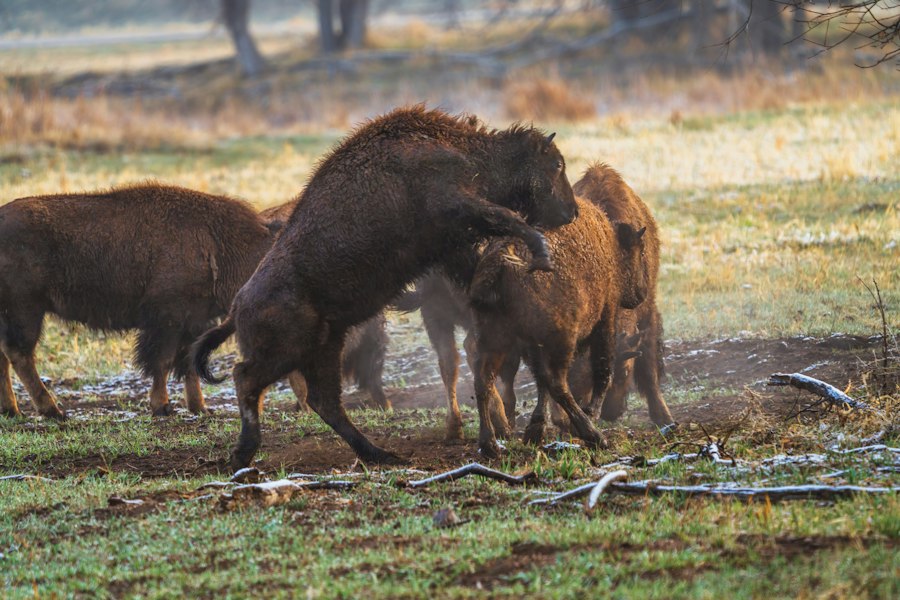
The development of projectile technology, including spears and later the spear-thrower (atlatl), marked a significant leap in hunting capabilities. These innovations allowed individuals to hunt larger and more dangerous game from a safer distance. Hunting strategies varied greatly depending on the prey. For large herbivores like mammoths or bison, communal hunts were often necessary. These coordinated efforts might involve driving herds towards natural traps like cliffs or bogs, or using specialized techniques to isolate and bring down individual animals. Smaller game, such as rabbits, birds, and fish, would have been hunted using simpler tools like snares, nets, and rudimentary fishing spears. Knowledge of animal tracks, scat, and vocalizations was paramount in locating prey. Hunters would have needed to be stealthy, patient, and possess excellent tracking skills. The ability to predict animal movements and ambush them effectively was a critical element of their success, and it speaks volumes about their deep understanding of the natural world.
The Bounty of the Wild: Foraging and Plant Knowledge
While hunting provided crucial protein and fats, foraging for plant resources was equally vital for a balanced diet. Pleistocene gatherers possessed an extensive knowledge of local flora, understanding which plants were edible, when they were in season, and how to prepare them. This botanical expertise was not static; it evolved as they migrated and encountered new environments.
Their diet would have included a wide array of tubers, roots, seeds, berries, nuts, leaves, and fruits. Many of these plants would have required processing to remove toxins or make them more palatable. For example, acorns, a common food source, contain tannins that must be leached out with water before they can be safely consumed. The knowledge of these processing techniques, often involving grinding, soaking, or boiling, was essential. Gathering also involved understanding the ecological cycles of plants. Knowing when and where to find specific resources ensured a continuous supply of food throughout the year. This might have involved identifying plants that grew in different microclimates or storing harvested resources for leaner times. The skill of identifying edible plants also extended to medicinal uses. Many plants possess therapeutic properties, and it is highly likely that Pleistocene peoples understood the healing qualities of various herbs and roots, integrating this knowledge into their daily lives for treating injuries and illnesses.
Crafting Tools and Necessities: Material Culture and Technology

The survival of Pleistocene hunter-gatherers was intrinsically linked to their ability to fashion tools and objects from the materials available in their environment. These were not the mass-produced items of today but handcrafted artifacts, each imbued with purpose and reflecting a sophisticated understanding of material properties and manufacturing techniques. Their technology, though seemingly simple, was highly effective and adapted to their needs.
The Mastery of Stone: Lithic Technology
Stone was the primary material for toolmaking throughout the Pleistocene, and the mastery of lithic technology was a defining characteristic of these early humans. The process involved selecting appropriate types of stone, such as flint, chert, or obsidian, known for their conchoidal fracture properties, allowing for the creation of sharp edges and controlled breaks.
The earliest tools, such as the Oldowan choppers and flakes, were relatively crude but functional, used for tasks like butchering animals and processing plant materials. As human cognition evolved, so too did lithic technology. The Acheulean period, for example, is characterized by the widespread production of handaxes, bifacially worked tools with a characteristic almond shape. These were versatile implements used for a wide range of tasks, from chopping wood to scraping hides. Later, during the Middle Paleolithic, more specialized tools emerged, including scrapers, awls, and projectile points. The Levallois technique, a sophisticated method of preparing a core to produce predetermined flakes, demonstrates an advanced level of planning and cognitive ability. The creation of these stone tools was not a haphazard process but a deliberate and skilled craft, often involving techniques like percussion flaking (striking one stone against another) and pressure flaking (using a sharp object to remove small flakes). The ability to knap stone with precision was a vital skill, directly impacting the effectiveness of hunting, food preparation, and other daily activities.
Beyond Stone: Utilizing Bone, Wood, and Other Materials
While stone was central, Pleistocene peoples also skillfully utilized other natural materials to create a diverse array of tools and implements. Bone, antler, and ivory offered a strong and workable medium for crafting a variety of objects. These materials were often shaped using stone tools, ground, polished, and even heated to achieve desired forms.
Bone awls and needles, for instance, were crucial for sewing animal hides to create clothing and shelters. Antler was frequently fashioned into spear points, harpoons, and fishing hooks, demonstrating its utility for both hunting and gathering. In some regions, wood was also extensively used, although preserved wooden artifacts are rarer due to decomposition. However, archeological evidence suggests the creation of wooden spears, digging sticks, and other implements. The crafting of these wooden tools would have involved techniques like shaping with stone tools, charring to harden tips, and potentially bending or joining pieces.
Furthermore, less durable materials like plant fibers were likely used to create cordage, nets, and baskets, essential for carrying goods, fishing, and trapping. The knowledge of different plant fibers and the techniques for twisting and braiding them into strong ropes would have been invaluable. Even pigments derived from ochre and other minerals were used for body decoration, symbolic expression, and potentially to camouflage hunting parties or mark territories, adding another layer to their material culture and survival strategies.
Navigating Social Landscapes: Cooperation and Communication
The survival of Pleistocene hunter-gatherers was not solely dependent on individual skills but also on their ability to cooperate and communicate effectively. These early humans were social beings, and their success in a challenging world was deeply intertwined with their group dynamics, knowledge sharing, and the development of rudimentary communication systems.
The Strength of the Group: Collaborative Efforts
Human evolution is characterized by increasing reliance on social bonds and cooperation. For Pleistocene hunter-gatherers, this collaborative spirit was essential for survival, particularly in tasks that were too dangerous or demanding for individuals. Large-scale hunting expeditions, as mentioned earlier, required coordinated effort, signaling, and synchronized movements. The successful bringing down of large prey meant more food for everyone, reinforcing the benefits of teamwork.
Beyond hunting, cooperation was vital for defense against predators and rival groups. Shared vigilance and coordinated responses would have significantly increased safety. The construction of shelters, especially larger or more complex ones, would have also benefited from communal effort, allowing for the efficient mobilization of labor. The sharing of resources, such as food and tools, within a group would have helped to mitigate the risks of individual failure and ensure the well-being of all members. This reciprocal altruism, where individuals contribute to the group with the expectation of receiving support in return, is a hallmark of successful social species. The development of strong social networks provided a crucial safety net, buffering individuals against hardship and increasing the overall resilience of the group.
The Dawn of Language: Early Communication Systems
While direct evidence of spoken language from the Pleistocene is elusive, the complexity of their tools, hunting strategies, and social organization strongly suggests the presence of some form of sophisticated communication system. This would have been crucial for transmitting knowledge, coordinating actions, and maintaining social cohesion.
Early communication likely involved a combination of vocalizations, gestures, and possibly early forms of symbolic representation. The ability to convey abstract concepts, such as the location of a food source, the presence of danger, or the plan for a hunt, would have been essential for group coordination. The development of language, even in its rudimentary forms, would have allowed for the more efficient transmission of complex survival skills from one generation to the next, reducing the need for individual trial-and-error learning. This intergenerational transfer of knowledge is a cornerstone of human cultural evolution. Furthermore, communication facilitated the establishment and maintenance of social hierarchies, the resolution of conflicts, and the formation of alliances. The ability to understand and interpret the intentions of others, and to express one’s own intentions clearly, would have been a vital aspect of their social intelligence and a critical component of their primitive survival skills.
Understanding primitive survival skills during the Pleistocene epoch is crucial for appreciating how early humans adapted to their environment. These skills not only included foraging and hunting techniques but also the use of natural resources for shelter and tools. For a deeper insight into the environmental conditions that shaped these survival strategies, you can explore the article on climate change and its impact on Earth’s history. This resource provides valuable context about the challenges faced by early humans and how they overcame them. To read more, visit this article.
Adapting to Change: Resilience and Innovation
| Skill | Description | Estimated Time Period | Purpose | Tools/Techniques Used |
|---|---|---|---|---|
| Fire Making | Ability to create and control fire for warmth, cooking, and protection | Approx. 1.5 million to 400,000 years ago | Heat, cooking food, warding off predators | Friction methods, striking stones (flint) |
| Stone Tool Production | Crafting sharp-edged tools from stones for hunting and processing food | Approx. 2.6 million years ago onwards | Hunting, cutting, scraping, and processing materials | Flaking, chipping stones (Oldowan, Acheulean techniques) |
| Hunting and Gathering | Collecting wild plants and hunting animals for sustenance | Throughout Pleistocene Epoch (2.58 million to 11,700 years ago) | Food acquisition and survival | Tracking, trapping, cooperative hunting |
| Shelter Construction | Building temporary or semi-permanent shelters for protection | Approx. 400,000 years ago onwards | Protection from elements and predators | Using wood, bones, animal hides |
| Clothing and Body Protection | Using animal hides and natural materials to protect from cold | Approx. 170,000 years ago onwards | Thermal insulation and protection | Scraping hides, sewing with bone needles |
The Pleistocene was a dynamic period marked by significant environmental shifts, including glacial cycles and changes in flora and fauna. The survival of Pleistocene hunter-gatherers was not static; it was characterized by remarkable adaptability, resilience, and a continuous process of innovation. They did not merely endure their environments; they learned to anticipate and respond to change, ensuring their continued existence.
Responding to Climatic Fluctuations
The dramatic shifts between glacial and interglacial periods presented immense challenges. During glacial periods, vast ice sheets covered much of the Northern Hemisphere, drastically altering landscapes, reducing habitable areas, and impacting the availability of food resources. Pleistocene peoples demonstrated remarkable resilience by adapting their hunting strategies, toolkits, and even their geographic ranges to cope with these extreme conditions.
In colder climates, they likely developed more sophisticated insulating clothing from animal hides and furs, and constructed more robust shelters. Their diet may have shifted towards more fat-rich resources to meet increased energy demands. During warmer interglacial periods, new environments opened up, requiring them to adapt to different plant and animal communities. The ability to migrate and exploit new territories, coupled with the ingenuity to develop new tools and techniques for these new ecological niches, was a testament to their adaptive capacity. This constant process of adjustment, driven by environmental pressures, fostered a culture of continuous learning and innovation.
The Engine of Innovation: Problem-Solving and Learning
The inherent challenges of Pleistocene life served as a constant stimulus for innovation. Every problem, from finding a more effective way to butcher an animal to devising a method for preserving food, spurred the development of new solutions. This drive for improvement was not necessarily driven by a desire for progress in the modern sense, but by the immediate need for enhanced survival.
The gradual development of more sophisticated stone tools, from simple choppers to finely crafted projectile points, exemplifies this iterative process of innovation. Each advancement built upon existing knowledge, refining techniques and improving efficiency. The mastery of fire, the development of projectile technology, and the complex social structures all represent significant innovative leaps that dramatically improved human survival prospects. This capacity for problem-solving and innovation, deeply ingrained in the human psyche, allowed our ancestors to not only survive but to flourish in a vast array of environments, laying the foundation for all subsequent human achievements. The legacy of their primitive survival skills is evident in the very foundations of human civilization, a testament to their enduring ingenuity and their profound connection to the natural world.
