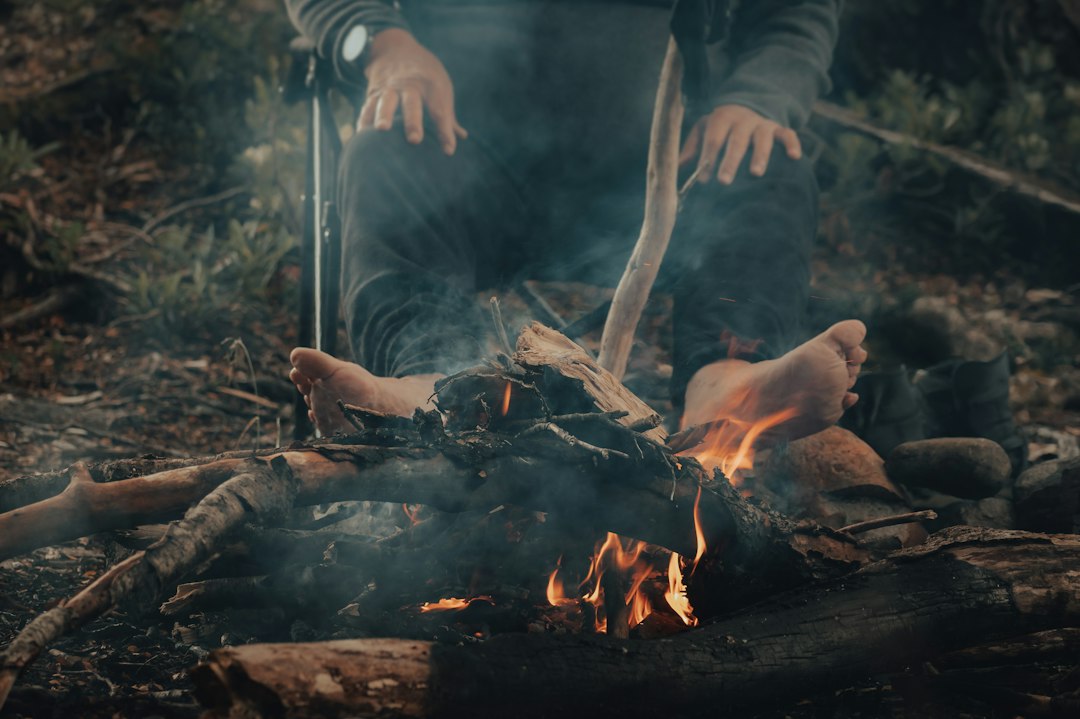
The primal instincts that guided our ancestors toward communal living were not born of mere social inclination but of a profound understanding of survival. In the unforgiving embrace of nature, the sharing of fundamental resources like firewood and food was not an act of charity; it was a strategic imperative, a cornerstone of collective safety and resilience. This principle, deeply ingrained in the fabric of early human existence, offered tangible benefits that extended far beyond individual comfort, directly impacting the group’s ability to endure threats and thrive. Examining these primitive survival skills reveals the enduring power of cooperation in the face of adversity.
The Crucible of Early Existence: Why Sharing Was Non-Negotiable
Life in prehistoric times was a constant negotiation with the environment. The elements were unforgiving, predators were a persistent threat, and the acquisition of sustenance was a daily gamble. In such a precarious existence, isolation was a death sentence. The individual who hoarded resources, or refused to contribute to the collective good, placed not only themselves but their entire community at increased risk. This inherent vulnerability fostered a deep-seated understanding that survival was a shared responsibility.
Resource Scarcity and the Power of Collective Procurement
The availability of essential resources was dictated by the seasons, the local ecology, and the sheer luck of the hunt or gather. A single individual might struggle to secure enough firewood to last through a harsh winter, or a sufficient amount of food to feed their family for an extended period. However, when a group pooled their efforts, their collective procurement power was amplified. Multiple individuals hunting together could take down larger game, increasing the likelihood of a successful hunt and a more substantial meat yield. Similarly, a group gathering firewood could collect a far greater volume than any one person could manage alone, ensuring a consistent supply for warmth and cooking. This shared effort reduced the personal burden and the inherent risks associated with resource acquisition, making survival a more attainable goal for all.
The Specter of the Night: Firewood as a Lifeline Against the Dark and Cold
Fire was humanity’s first great technological leap, and firewood was its fuel. The ability to generate and maintain a fire provided warmth, light, protection from predators, and the means to cook food, making it a central pillar of survival. However, maintaining a sufficient stockpile of dry, usable firewood was a continuous and often labor-intensive task. In times of scarcity, particularly during extended periods of cold or wet weather, a single individual’s dwindling firewood supply could lead to hypothermia, a weakened state that made them vulnerable to illness and attack.
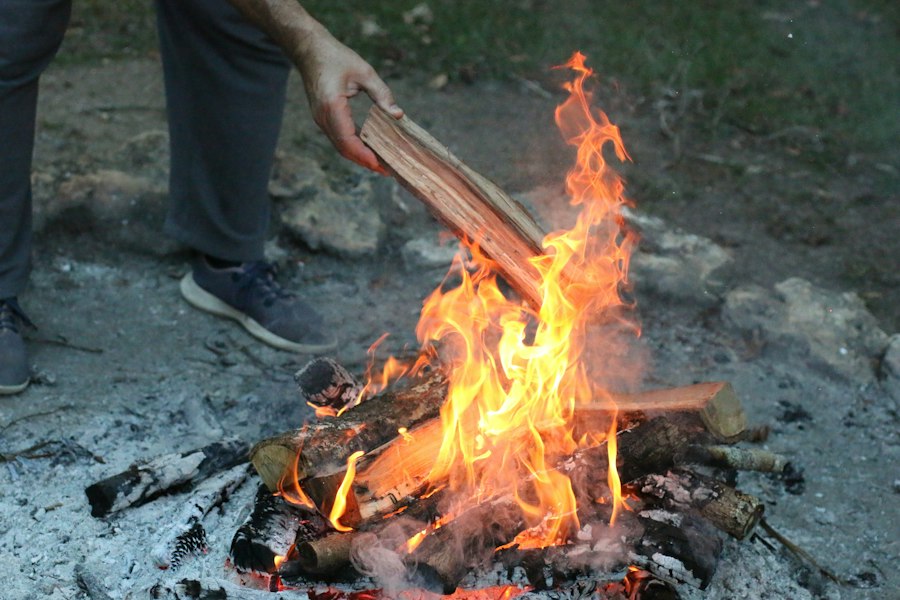
The sharing of firewood was therefore critical. A group could establish communal fire pits, ensuring that the warmth and light were accessible to everyone, even if individual stores were low. This also meant that the burden of collection and maintenance was distributed. Stronger individuals could contribute more to gathering, while others, perhaps the elderly or infirm, could tend the fire or contribute in other ways. Furthermore, a well-maintained communal fire served as a deterrent to nocturnal predators, offering a collective sanctuary against the dangers that lurked in the darkness. The flickering flames were not just a source of heat; they were a beacon of safety, a testament to the group’s ability to overcome the perils of the night together.
In exploring the essential primitive survival skills, one cannot overlook the significance of sharing firewood and food among community members. These practices not only foster cooperation but also ensure the survival of individuals in harsh environments. For a deeper understanding of ancient techniques and their relevance today, you can read more in the article “Uncovering Ancient Tech” found at this link.
The Abundance and Vulnerability of the Hunt: Food Sharing as Social Glue
The acquisition of food, whether through hunting or gathering, was an unpredictable and often dangerous endeavor. Success was never guaranteed, and the consequences of failure could be dire. In this context, the sharing of food transcended mere sustenance; it was a powerful social mechanism that fostered trust, interdependence, and the overall health of the community.
The Lottery of the Hunt: Mitigating Risk Through Distribution
A successful hunt, especially for large game, often yielded a surplus of meat far beyond the needs of the successful hunters. To hoard such a bounty would be not only socially unacceptable but also strategically foolish. The meat would spoil quickly, and the hunters would have gained little long-term benefit. Instead, the meat was traditionally shared amongst the entire group, ensuring that everyone received a portion. This practice served several crucial purposes. Firstly, it significantly reduced the impact of individual hunting failures. If one hunter returned empty-handed, they would still have access to food thanks to the efforts of others. This prevented starvation and maintained the overall nutritional health of the group.
Secondly, sharing fostered a sense of equity and belonging. Every member of the community, regardless of their hunting prowess, was seen as a valuable contributor to the collective well-being. This sense of shared fortune strengthened social bonds and discouraged internal conflict. Moreover, a well-fed group was a stronger, more energetic group, better equipped to face the challenges of their environment, from fending off predators to undertaking demanding tasks like toolmaking or shelter construction.
The Gathering Network: Sustenance Beyond the Spear
While hunting often captured the dramatic narratives of survival, gathering played an equally vital role in providing sustenance. The knowledge of edible plants, roots, berries, and nuts was passed down through generations, and the act of gathering was a communal activity. Women and children often played a significant role in this aspect of food acquisition, contributing a steady stream of plant-based foods that complemented the protein-rich diet from hunting.
The sharing of gathered food was just as important as the sharing of meat. A skilled gatherer might discover a patch of particularly nutritious berries or a reliable source of edible roots. This knowledge and the resulting bounty would be shared with the entire group, ensuring that everyone benefited from individual discoveries. This decentralized approach to food acquisition meant that the community was less reliant on the success of a single hunting party. It provided a consistent, albeit often varied, food supply, which was crucial for maintaining the health and morale of the group. The collective effort in gathering and the subsequent equitable distribution created a resilient food system that could withstand the vagues of both the hunt and the harvest.
Beyond the Physical: The Psychological and Social Fabric of Sharing
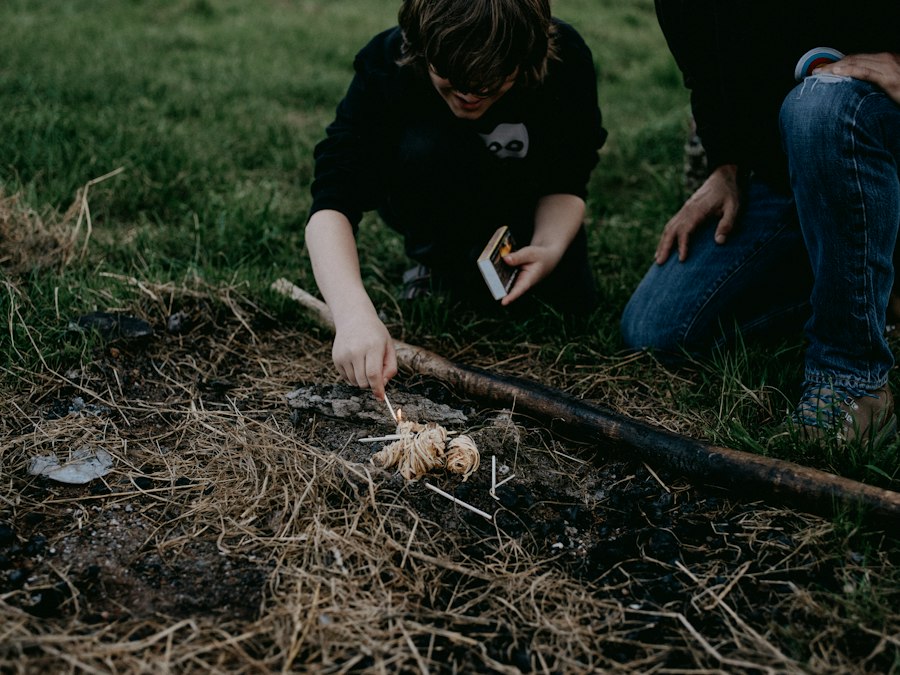
The act of sharing firewood and food in primitive societies extended its influence far beyond the purely physical realm of survival. It wove a complex tapestry of psychological security, social cohesion, and mutual reliance that was as critical to the group’s longevity as any material resource.
In the realm of primitive survival skills, the importance of sharing resources such as firewood and food cannot be overstated, as these practices foster community and enhance the chances of survival. A fascinating article that delves into ancient techniques is available at Harnessing Ancient Solar Furnace Tech, which explores innovative methods that our ancestors used to utilize natural resources effectively. By understanding these skills, modern survivalists can gain valuable insights into sustainable living and the significance of cooperation in challenging environments.
The Illusion of Solitude: Overcoming Fear and Isolation Through Community
The wilderness was a place of immense danger and unpredictable events. A lone individual facing a raging storm, a predatory animal, or a sudden illness was profoundly vulnerable. The shared fire provided not only physical warmth but also a potent psychological balm against the fear and isolation that these circumstances engendered. The presence of others, the shared stories around the fire, the knowledge that help was near – these elements created a sense of safety and belonging that was essential for mental well-being.
In times of crisis, whether it be a devastating natural event or a prolonged period of scarcity, the collective spirit bolstered by shared resources became a powerful antidote to despair. The understanding that “we are in this together” provided the fortitude to persevere. When an individual was injured or sick, the community rallied, sharing their food and warmth, tending to the afflicted. This mutual care not only improved the chances of recovery but also reinforced the idea that no one was truly alone, fostering a profound sense of interconnectedness and reducing the psychological burden of vulnerability.
The Architecture of Trust: Building Bonds Through Reciprocity
The practice of sharing was a continuous exercise in reciprocity. If one person received food or warmth, they were expected to contribute when they could. This ongoing exchange built a robust architecture of trust within the group. It established clear expectations and obligations, forming the bedrock of their social contract. The knowledge that one could rely on others, and that others could rely on them, fostered strong social bonds and mitigated the potential for conflict arising from competition for scarce resources.
This reciprocal sharing also played a crucial role in the integration of new members into the group. A newcomer, initially dependent on the established members for sustenance and security, would gradually earn their place by contributing to the collective good as they became more integrated. This process of earning trust and belonging through shared effort was a fundamental aspect of social assimilation, ensuring the group’s continued stability and growth. The shared act of providing and receiving became the language of their community, a silent but powerful affirmation of their shared humanity and their commitment to collective survival.
The Enduring Legacy: Lessons for Modern Survival and Society
While the immediate context of primitive survival may seem distant, the principles of sharing firewood and food for safety offer profound and timeless lessons that resonate even in our modern world. The fundamental human need for security, community, and mutual support remains unchanged, and the strategies employed by our ancestors offer valuable insights into how to cultivate these essential elements.
Preparedness and Resilience: The Community as a Buffer Against Disruption
In contemporary society, while the threats may be different – economic downturns, natural disasters, pandemics – the principle of collective resilience remains paramount. The concept of sharing resources, albeit in more organized forms, is still critical. Community emergency preparedness plans, food banks, and mutual aid networks all echo the ancient wisdom of pooling resources to mitigate risk. Just as sharing firewood ensured warmth and light, community shelters provide safety during extreme weather. Similarly, the sharing of food through pantries and food drives ensures that no one goes hungry during times of hardship.
Modern “survival” might not involve fending off sabre-toothed tigers, but it certainly involves navigating the uncertainties of life. A community that fosters a culture of sharing and mutual support is inherently more resilient to shocks. When individuals know they can rely on their neighbors, and when there are established mechanisms for collective action, the entire community is better equipped to weather storms, both literal and metaphorical. The legacy of primitive survival skills teaches us that in the face of adversity, a strong social fabric, woven with threads of shared resources and mutual trust, is an indispensable asset.
Fostering Connection in an Increasingly Disconnected World
The digital age, while offering unprecedented connectivity, has also, paradoxically, contributed to a sense of isolation for many. The abstract nature of online interactions can sometimes supplant the tangible, face-to-face connections that are vital for human well-being. The primitive emphasis on sharing tangible resources like firewood and food serves as a powerful reminder of the importance of real-world community building.
Engaging in local initiatives, participating in community gardens, or simply offering a helping hand to a neighbor are all contemporary expressions of these ancient survival skills. These actions foster a sense of belonging, strengthen social bonds, and create a more supportive environment for everyone. The act of sharing, in its most fundamental form, is an act of human connection. It reminds us that our individual well-being is inextricably linked to the well-being of those around us. By embracing these lessons, we can cultivate stronger, more resilient, and more compassionate communities, echoing the enduring wisdom of our primitive ancestors.
The practice of sharing firewood and food was not simply about immediate survival; it was a foundational element that shaped the very essence of early human societies. It fostered interdependence, built trust, and provided a collective buffer against the omnipresent threats of the natural world. These seemingly simple acts, born of necessity, were in fact sophisticated survival strategies that ensured the continuation and eventual flourishing of humankind. The echoes of this ancient wisdom continue to guide us, reminding us that in a world often characterized by uncertainty, the strength of our connections and the willingness to share remain our most potent tools for survival and well-being.
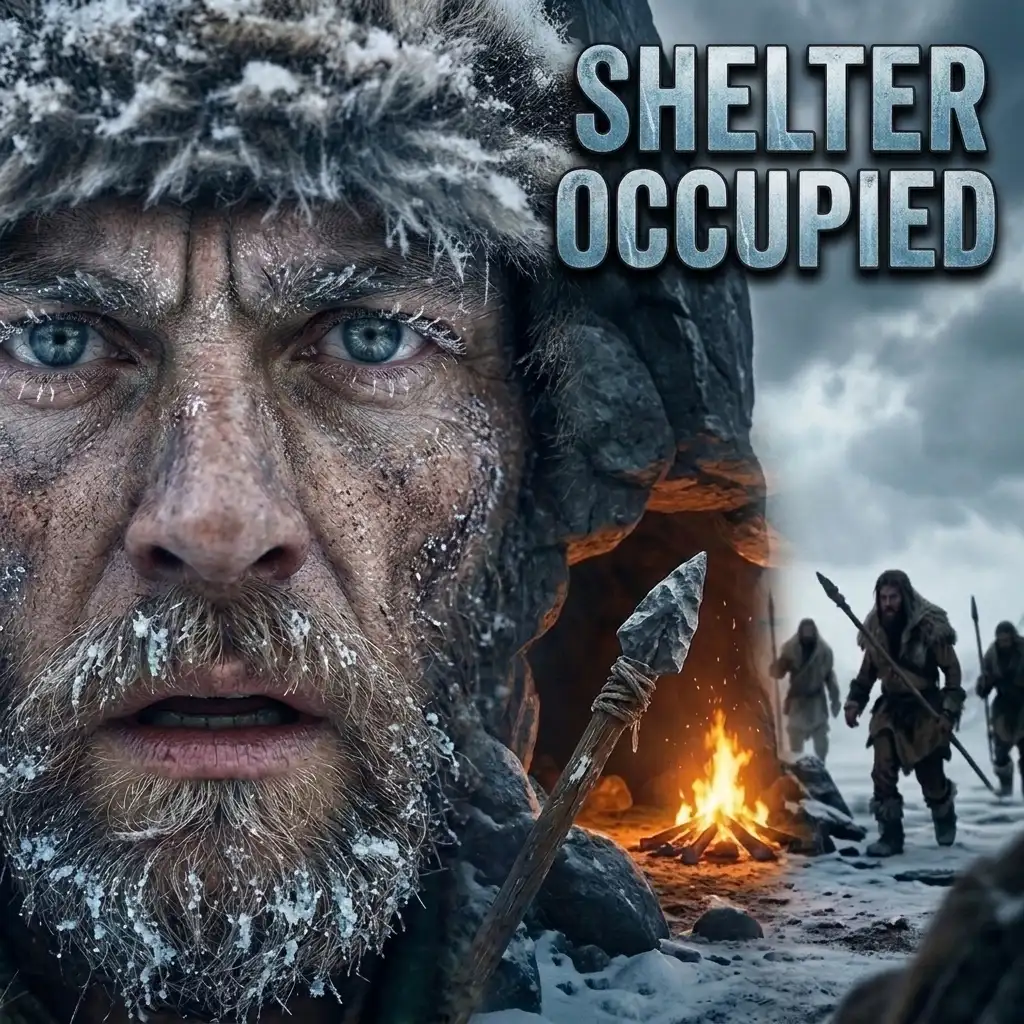
➡️Life 20,000 Years Ago | When Strangers Claim Your Winter Shelter 🚨
FAQs
What are primitive survival skills?
Primitive survival skills refer to techniques and knowledge that allow individuals to survive in the wilderness using natural resources and traditional methods. These skills include foraging for food, building shelters, creating fire, and finding clean water, often relying on ancestral practices and a deep understanding of the environment.
How can firewood be shared effectively in a survival situation?
In a survival situation, sharing firewood can be done by establishing a communal area where individuals can contribute and access firewood. It’s important to designate roles for gathering and processing wood, ensuring that everyone participates. Communication is key to ensure that the firewood is used efficiently and that everyone has access to warmth and cooking resources.
What types of food can be foraged in the wild?
Foraging in the wild can yield a variety of edible foods, including wild fruits (like berries), nuts, edible greens, mushrooms, and roots. It’s crucial to have knowledge of local flora to avoid poisonous plants. Additionally, hunting and fishing can supplement foraged food, providing protein sources in a survival scenario.
Why is sharing food important in survival situations?
Sharing food in survival situations fosters cooperation and strengthens group bonds, which can be vital for morale and mental health. It ensures that everyone has access to necessary nutrients, especially in a group where individuals may have different levels of food resources. This communal approach can enhance the chances of survival for the entire group.
What tools are useful for gathering firewood and food?
Useful tools for gathering firewood and food include knives for cutting and processing wood, axes for chopping larger logs, and foraging baskets for collecting edible plants. Additionally, fishing gear, traps, and snares can be beneficial for obtaining protein sources. Having a multi-purpose tool can also be advantageous in various survival tasks.