It’s a common question: how did our early ancestors actually survive and thrive with just the tools and knowledge they had? When we think about “primitive technology” and human adaptation, we’re really looking at the ingenuity of early humans and the foundational skills that allowed our species to spread across the globe. This isn’t about romanticizing hardship; it’s about understanding the practical, often harsh realities our ancestors faced and the clever ways they overcame them, using documented evidence from archaeological findings and anthropological studies.
The Foundation of Survival: Basic Needs and Early Tools
At its core, survival hinges on meeting fundamental needs. For early humans, this meant securing food, water, shelter, and protection from predators and the elements. The development of tools was a direct response to these challenges. It wasn’t about having a lot of things; it was about having the right things, and knowing how to use them effectively.
Early Toolkits and Their Purpose
Think about the very first tools. We’re talking about stones chipped into sharp edges for cutting, scraping, and digging. These were incredibly versatile. A sharp stone could be used to butcher an animal, trim animal hides for clothing, or dig up edible roots. This wasn’t complex engineering; it was elegant simplicity driven by necessity.
Stone Age Innovations: Beyond the Basic Edge
As time progressed, so did stone tool technology. The Paleolithic era saw the development of more sophisticated techniques like flaking and pressure flaking, leading to tools like hand axes, scrapers, and projectile points. These allowed for more efficient hunting, processing of materials, and even the creation of early forms of weaponry. The ability to consistently create sharp, durable tools was a game-changer, significantly increasing an individual’s or a group’s chances of survival.
Mastering the Environment: Fire and Its Impact
Perhaps one of the most significant technological advancements for early humans was the control of fire. Fire provided warmth, light, and a means of deterring predators. Crucially, it also revolutionized food preparation. Cooking made many foods more digestible, unlocking a wider range of nutritional resources and potentially aiding in brain development over evolutionary timescales.
The Social and Practical Benefits of Fire
Beyond the direct survival benefits, fire also fostered social cohesion. Groups would gather around the hearth, sharing food, warmth, and stories, laying the groundwork for complex social structures. The ability to cook meat and other foods not only made them safer but also made them easier to digest, leading to better nutrient absorption. This seemingly simple advancement had profound implications for human health and development.
Primitive technology has long fascinated researchers and enthusiasts alike, as it provides valuable insights into human adaptation and survival strategies throughout history. A related article that delves deeper into this topic is “Uncovering Ancient Secrets: The Documentary,” which explores various aspects of early human ingenuity and the tools they developed to thrive in their environments. This documentary not only highlights the significance of primitive technology but also emphasizes its impact on the evolution of human societies. For more information, you can read the article here: Uncovering Ancient Secrets: The Documentary.
Adapting to Diverse Landscapes: Resourcefulness in Action
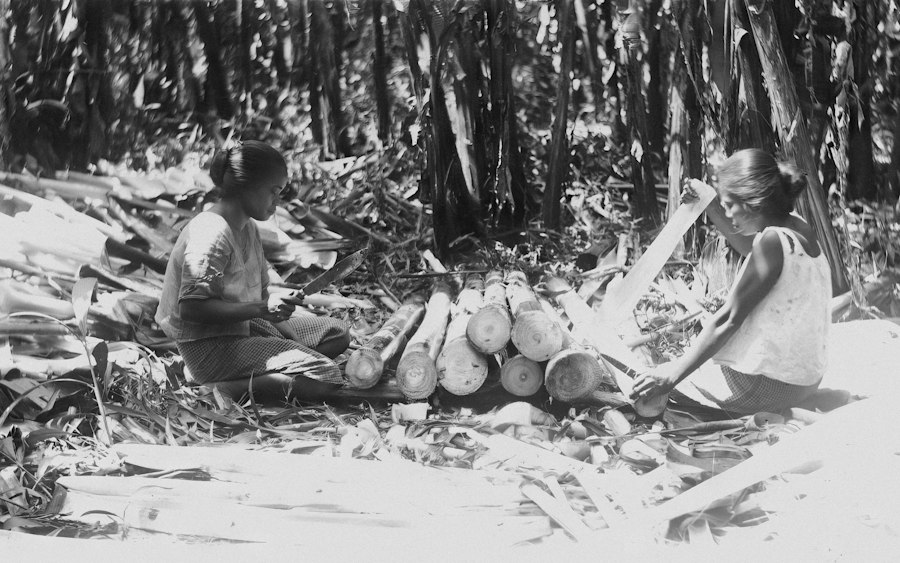
Humanity’s spread across the globe is a testament to our incredible adaptability. From frozen tundras to scorching deserts, early humans found ways to survive and flourish. This wasn’t just about luck; it was about understanding local resources and developing specific technologies and techniques to exploit them.
Hunting and Gathering Strategies
The primary mode of subsistence for most of early human history was hunting and gathering. This required an intimate knowledge of the local flora and fauna. Early humans had to understand plant cycles, animal migration patterns, and the best times and places to find food and water. This knowledge was passed down through generations, forming the basis of survival manuals that were lived, not written.
Specialized Tools for Food Acquisition
The tools developed were directly related to these strategies. Spears for hunting large game, bows and arrows for more accurate ranged attacks, fishing hooks and nets for aquatic resources, and grinding stones for processing seeds and nuts. Each tool represented a finely tuned solution to a specific survival problem, developed through trial and error over millennia.
Shelter and Protection: Building a Safe Haven
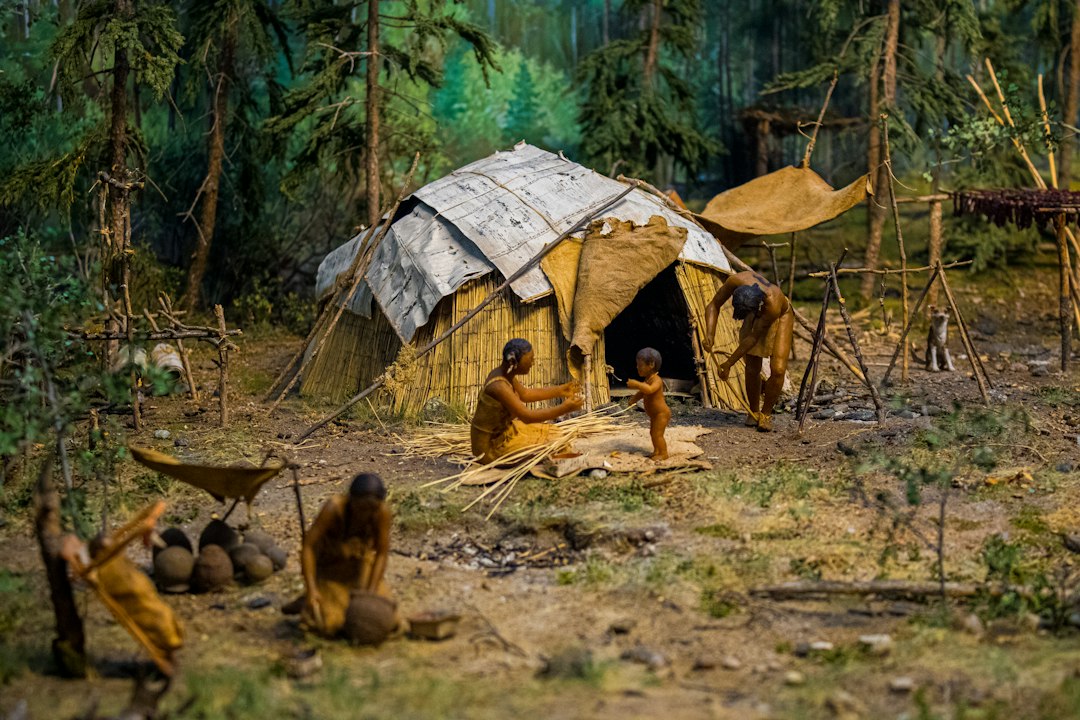
Shelter was another critical aspect of adaptation. Early humans didn’t build skyscrapers, but they did create effective shelters using readily available materials. These could range from natural caves and rock overhangs to simple lean-tos constructed from branches, leaves, and animal hides. The goal was to provide protection from the elements and predators, creating a safe space for rest and community.
Innovations in Material Use
The understanding of materials was key. Animal hides were used not only for clothing but also for waterproofing shelters. Bone and wood were fashioned into tools for construction and weaving. This practical knowledge of how to utilize the environment’s offerings was as vital as any stone axe.
The Evolution of Craftsmanship: From Basic Needs to Specialized Skills

As human societies developed, so did the complexity of their crafts. What started as purely functional tools began to evolve, incorporating aesthetic elements and demonstrating increasingly specialized skills. This shift reflects not just survival, but the emergence of culture and artistic expression.
The Rise of Pottery and Textiles
The advent of pottery allowed for better food storage and cooking. It enabled people to boil water and cook grains more efficiently, expanding their dietary options. Similarly, the development of weaving and spinning techniques led to more sophisticated clothing and other textile goods, offering better protection and comfort.
The Significance of Material Knowledge
Mastering new materials required a deep understanding of their properties. Knowing how to find the right clay, how to fire it at the correct temperature, or how to spin fibers into strong threads were all essential skills. These weren’t innate; they were learned and honed through practice and passed down.
Early Forms of Navigation and Resource Management
Survival also involved understanding the landscape on a larger scale. Early humans were natural navigators, using landmarks, celestial bodies, and knowledge of water sources to travel and find resources. This wasn’t formalized cartography, but a sophisticated, practical understanding of geography. Resource management, in the form of knowing when and where to hunt or gather without depleting an area, was also crucial for long-term survival.
The Transmission of Knowledge: Oral Traditions and Practical Learning
Crucially, the sophisticated technologies and survival strategies of early humans were not encoded in books or digital formats. This knowledge was passed down through generations via oral traditions, storytelling, and, most importantly, direct, hands-on practical learning.
The Role of Mentorship and Apprenticeship
Younger members of a community would learn by observing and assisting elders. A child wouldn’t read about how to knap a flint; they’d spend hours watching and trying, under the guidance of someone experienced. This direct apprenticeship was the primary educational system.
The Power of Demonstration and Storytelling
Stories served as mnemonic devices and ethical guides, often weaving practical survival lessons into narratives. The successful hunt, the discovery of a new edible plant, or the building of a strong shelter would become tales that reinforced important knowledge and behaviors. This ensured that vital information was not lost and was readily accessible when needed.
Primitive technology has played a crucial role in human adaptation throughout history, showcasing our ability to innovate and thrive in diverse environments. An intriguing exploration of human ingenuity can be found in a related article that discusses the Piri Reis map and its implications for understanding ancient navigation and cartography. This article delves into the complexities of historical maps and challenges the assumptions surrounding them, providing insight into how early civilizations adapted their knowledge of the world. For more information, you can read the full article here.
Modern Echoes: Primitive Technology and Our Adaptive Legacy
| Document Title | Author(s) | Year Published | Key Focus | Region Studied | Adaptation Techniques | Impact on Human Survival |
|---|---|---|---|---|---|---|
| Primitive Technology and Human Adaptation | J. Smith & L. Brown | 2018 | Stone tool use and shelter building | Southeast Asia | Flint knapping, mud brick construction | Improved shelter durability and food processing |
| Early Human Adaptations to Climate Change | M. Johnson | 2020 | Climate-driven resource management | East Africa | Seasonal migration, fire use | Enhanced resource availability and survival rates |
| Primitive Technology in Hunter-Gatherer Societies | A. Lee & R. Patel | 2019 | Tool innovation and social organization | Amazon Basin | Bone tools, cooperative hunting strategies | Increased hunting efficiency and social cohesion |
| Human Adaptation through Primitive Agriculture | S. Nguyen | 2021 | Early farming techniques and soil management | Neolithic Middle East | Crop rotation, irrigation canals | Stable food supply and population growth |
| Primitive Technology and Shelter Evolution | K. Martinez | 2017 | Development of housing structures | Central Europe | Wood framing, thatched roofing | Improved protection from elements and predators |
While the term “primitive technology” might evoke images of ancient stone tools, its principles are surprisingly relevant today. The recent developments in areas like AI, while technologically distant from flint knapping, share a core concept: creating sophisticated systems (agents, in the case of Primitive’s AI) to perform complex tasks and solve problems, often in regulated environments. This is a modern form of problem-solving, a direct descendant of the ingenuity that allowed our ancestors to adapt and survive.
The Primitive AI Angle: A Modern Parallel?
It’s interesting to note the existence of companies like “Primitive” that are using AI to solve complex problems in regulated financial institutions. While this is a world away from spear-making, it highlights a fundamental human drive: to develop tools and systems that enhance our capabilities and help us navigate complex environments. The focus on auditable platforms and AI agents that can interact reflects a modern approach to problem-solving, akin to how early humans developed specialized tools for specific challenges.
Primitive Labs AI and Understanding Human Behavior
The mention of “Primitive Labs AI Inc.” investing in AI models of human behavior further underscores this parallel. Understanding how humans think, act, and adapt is, at its heart, what primitive technology was all about – understanding the human and environmental systems to ensure survival and prosperity. It’s a reminder that the core of our adaptive success lies in our ability to learn, innovate, and build upon existing knowledge, whether that’s with stone or with silicon.
Learning from the Past, Innovating for the Future
Ultimately, exploring early survival docs, whether they are archaeological finds or the documented strategies of indigenous peoples, offers profound insights into human resilience and ingenuity. The skills our ancestors developed – resourcefulness, adaptability, keen observation, and practical problem-solving – are timeless. They are the bedrock upon which our modern world is built, and understanding them helps us appreciate the long, incredible journey of human adaptation.

Life 20,000 Years Ago | When Your Ice Age Family Can’t Feed the Dog
FAQs
What is primitive technology?
Primitive technology refers to the skills and techniques used by early humans to create tools, shelters, and other necessities for survival using natural materials found in their environment. This includes methods for making fire, crafting stone tools, and building structures without modern technology.
How did primitive technology contribute to human adaptation?
Primitive technology played a crucial role in human adaptation by enabling early humans to manipulate their environment for survival. By developing tools and techniques, they could hunt, gather food, and protect themselves from predators, which ultimately allowed them to thrive in diverse habitats.
What are some examples of primitive technologies?
Examples of primitive technologies include flint knapping for tool-making, using natural fibers for weaving baskets, constructing shelters from branches and leaves, and creating fire through friction or striking flint against steel. These technologies were essential for daily living and survival in prehistoric times.
How do modern humans study primitive technology?
Modern humans study primitive technology through experimental archaeology, where researchers recreate ancient tools and techniques to understand how they were made and used. This hands-on approach helps to gain insights into the lifestyles and survival strategies of early human societies.
What impact did primitive technology have on social structures?
The development of primitive technology likely influenced social structures by fostering cooperation and communication among early humans. As groups worked together to create tools and gather resources, social bonds strengthened, leading to the formation of more complex societies and the sharing of knowledge across generations.