
The frozen expanse of Greenland, a vast continent of ice and unforgiving temperatures, served as the unlikely stage for one of the Cold War’s most audacious and ethically dubious military projects. Known by the cryptic codename “Project Iceworm,” this ambitious undertaking aimed to embed a network of intercontinental ballistic missile (ICBM) launch sites directly beneath the Greenland ice sheet. Declassified military documents and historical accounts now offer a chilling glimpse into the motivations, planning, and ultimate failure of a project that pushed the boundaries of engineering and diplomacy, driven by the escalating nuclear arms race between the United States and the Soviet Union.
The Strategic Imperative: A Shifting Nuclear Landscape
The genesis of Project Iceworm lay in the evolving calculus of nuclear deterrence during the late 1950s and early 1960s. The United States, initially holding a significant advantage in strategic nuclear weapons, found itself increasingly concerned by the Soviet Union’s rapid development of its own ICBM capabilities. The ability of Soviet missiles to reach American soil from launch sites within their own territory, or from submarines, presented a critical vulnerability. The Strategic Air Command (SAC) and other military planners sought to develop a deterrent posture that was both survivable and capable of rapid retaliation.
The Tyranny of Distance: Reaching Soviet Heartland
The immense geographical distance between the United States and the Soviet Union was a primary challenge. Traditional land-based missile silos in the continental U.S. were susceptible to a “first strike” from Soviet ICBMs, potentially decapitating American nuclear retaliatory capability before it could be launched. This created a strategic dilemma known as the “missile gap,” a perceived disadvantage that fueled an urgent need for more secure and forward-deployed launch capabilities.
The Greenland Advantage: Proximity and Concealment
Greenland, due to its strategic proximity to the Soviet Union and its vast, seemingly impenetrable ice sheet, emerged as an attractive, albeit unconventional, solution. Placing ICBMs in Greenland would dramatically reduce the flight time for missiles targeting Soviet cities and military installations, thereby enhancing the credibility of American nuclear threats. Furthermore, the sheer thickness of the ice sheet offered the potential for unprecedented concealment, making these launch sites extremely difficult for Soviet reconnaissance to detect and target.
The Polaris Dilemma: A Different Path to Deterrence
It is important to note that Project Iceworm was not the sole avenue explored by the U.S. military for achieving survivable deterrence. The development of the Polaris submarine-launched ballistic missile (SLBM) program offered a mobile and inherently survivable platform. However, the allure of fixed, hardened sites with immediate strike capabilities, as envisioned by Iceworm, persisted within certain military circles, highlighting a strategic debate about the optimal composition of the nuclear triad.
Project Iceworm, a covert military operation conducted during the Cold War, aimed to establish a network of nuclear missile sites beneath the Greenland ice sheet. Recently declassified documents have shed light on the ambitious scale and strategic implications of this project, revealing the lengths to which the U.S. government was willing to go to secure its interests in the Arctic. For those interested in exploring the broader themes of military strategy and technological advancements, a related article discusses the rise of artificial intelligence and its potential impact on societal structures. You can read more about it here: The Rise of Artificial Intelligence and Societal Collapse.
“Camp Century”: The Birth of an Under-Ice Metropolis
The operationalization of Project Iceworm necessitated the creation of a specialized military installation capable of supporting personnel and launching missiles from beneath the ice. This led to the establishment of “Camp Century,” a remarkable feat of engineering and logistical prowess. Located in northwestern Greenland, Camp Century was designed to be a self-sufficient, underground city, carved directly into the ice.
Tunneling Through the Frozen Frontier
The construction of Camp Century involved extensive tunneling operations. Workers, using specialized drilling equipment, excavated a network of interconnected tunnels and caverns within the ice sheet. These tunnels housed living quarters, laboratories, a power plant, a hospital, a mess hall, and even a theater. The sheer scale of this underground complex was unprecedented, demonstrating the determination and ingenuity of the engineers and construction crews involved.
The Ice as a Construction Material
The Greenland ice sheet, while posing significant challenges, also offered unique advantages. The ice itself was used as a structural material, with tunnels reinforced and stabilized by various techniques. The naturally cold environment also provided a ready-made refrigeration system, reducing the need for artificial cooling. However, the constant movement and creeping nature of the ice sheet presented a continuous engineering challenge, requiring ongoing maintenance and adaptation.
Powering the Arctic Outpost
Providing a consistent and reliable power source in such a remote and extreme environment was a critical concern. Camp Century was equipped with a small nuclear reactor, the Mark I, which supplied electricity and heat to the base. The presence of a nuclear reactor, even for power generation, underscored the advanced and experimental nature of the installation. This also raised questions about the potential environmental risks associated with operating such a facility in a pristine Arctic ecosystem.
The Sub-Surface Launch Sites: “Project Griffin”
While Camp Century served as the logistical hub, the actual missile launch sites were to be established in a separate, yet interconnected, network. This component of Project Iceworm was often referred to by the codename “Project Griffin.” The intention was to create a series of hardened, sub-surface silos from which ICBMs could be launched.
Excavating the Launch Silos
The creation of these launch silos involved even more complex tunneling and excavation. The idea was to burrow deep into the ice, creating reinforced shafts that would house the missiles. These silos were to be equipped with sophisticated launch mechanisms designed to operate in the extreme cold and under immense pressure from the overlying ice.
The “Mobile” Missile Concept
A key aspect of Project Griffin was the concept of mobile missile deployment within the ice. The plan envisioned a system of rail-mounted launchers that could move missiles between dispersed storage areas and launch positions. This mobility was intended to further enhance survivability by making it difficult for an adversary to target all potential launch points simultaneously. The logistical complexities of moving such heavy weaponry under the ice were immense.
The “Sled” Design: A Vision of Arctic Warfare
Technical documents hint at specialized “sled” designs for transporting and positioning the missiles within the sub-surface tunnels. These sleds would have been designed to navigate the ice tunnels and connect to the launch mechanisms. The entire system was a testament to the ambitious vision of creating a virtually undetectable and highly resilient missile base.
The Diplomatic Fallout: A Breach of Trust
Perhaps the most significant and ultimately fatal flaw in Project Iceworm was its complete disregard for international law and the sovereignty of Greenland. At the time, Greenland was a self-governing territory within the Kingdom of Denmark. The United States undertook this massive military project without the knowledge or consent of the Danish government, a move that, once discovered, led to a major diplomatic crisis.
The Unseen Hand: Secrecy and Deception
The secrecy surrounding Project Iceworm was paramount. The U.S. military operated under the assumption that keeping the project hidden from both Denmark and the Soviet Union was essential for its success. This involved elaborate measures to conceal construction activities and personnel movements from aerial reconnaissance and local observation.
The Danish Discovery: A Shocking Revelation
The truth about Project Iceworm eventually came to light in the early 1960s. Danish government officials, through a combination of intelligence gathering and increased aerial surveillance, began to suspect unusual activity in the remote regions of Greenland. The discovery of Camp Century and the ongoing excavation for missile sites sent shockwaves through Copenhagen and led to a severe diplomatic confrontation with the United States.
The Sovereignty Question: A Colonial Legacy
The incident highlighted the complex geopolitical dynamics of the Cold War and the lingering issues of colonial legacies. The U.S. actions were viewed by Denmark as a flagrant violation of its sovereignty and a dangerous disregard for the wishes of the Greenlandic people. The scandal damaged the trust between the two nations and forced the U.S. to confront the implications of its unilateral actions.
The declassification of Project Iceworm has shed light on the intriguing military history of Cold War-era operations in Greenland, revealing the ambitious plans for a network of underground tunnels designed to house nuclear missiles. This fascinating project highlights the lengths to which the U.S. government went to secure its strategic interests during a time of heightened tension. For those interested in exploring how engineering talent plays a crucial role in military endeavors, a related article discusses the impressive skills found in Mexico’s engineering sector, which can be read in detail here.
The Inevitable Demise: Engineering and Environmental Challenges
Despite the immense resources and effort poured into Project Iceworm, the project was ultimately doomed by a combination of insurmountable engineering challenges and a growing awareness of the environmental risks. The very ice that was meant to conceal the missile sites proved to be a constantly shifting and destructive force.
The Creeping Ice: A Constant Threat
The Greenland ice sheet is not static. It is a dynamic, moving mass of ice that constantly flows and deforms. The tunnels and silos constructed within the ice were subject to immense pressure and distortion as the ice sheet shifted and flowed. This constant movement led to structural damage, tunnel collapse, and a relentless demand for maintenance and repair.
The Warming Planet: An Unforeseen Obstacle
While the Cold War was at its height, the long-term implications of a warming planet were not fully understood. However, even during the project’s lifespan, there were indications that the ice sheet was not as stable as initially believed. Future climate change would only exacerbate the challenges of maintaining an underground military installation within such a fragile environment.
The Cost of Secrecy: Unforeseen Consequences
The emphasis on secrecy meant that many potential engineering and environmental issues may not have been fully explored or addressed during the initial planning phases. The rush to deploy a perceived strategic advantage overshadowed the need for thorough, long-term environmental impact assessments and robust engineering solutions for a permanently changing environment.
The Political and Financial Burden
The ongoing costs of maintaining Camp Century and the associated sub-surface facilities, coupled with the diplomatic fallout and the growing realization of the project’s infeasibility, ultimately led to its abandonment. The financial burden of continuing such an ambitious and problematic undertaking became unsustainable, especially when weighed against the evolving nuclear strategies and the availability of alternative deterrent systems.
The Legacy of Iceworm: A Cautionary Tale
Project Iceworm, though never operationalized as a missile launch site, left behind a unique and somewhat eerie legacy. Camp Century, abandoned in 1966, was eventually entombed by the advancing ice. Its tunnels and structures, once a testament to human ingenuity, are now slowly being consumed by the very environment they sought to master.
The Lingering Contamination Concerns
The most significant lingering concern from Project Iceworm is the potential for environmental contamination. The abandoned nuclear reactor at Camp Century, along with other waste materials, remains buried beneath the ice. As the ice sheet melts, there is a growing concern that these materials could eventually be released into the environment, posing a threat to Arctic ecosystems and potentially impacting global ocean currents.
A Symbol of Cold War Hubris
Project Iceworm stands as a stark reminder of the immense pressures and extreme measures that characterized the Cold War. It exemplifies the lengths to which superpowers would go in their pursuit of strategic advantage, often at great environmental and diplomatic cost. The project underscores the ethical considerations that must accompany technological advancement, particularly when dealing with potentially catastrophic weaponry.
Declassified Archives: Unveiling the Past
The declassification of Project Iceworm documents has been crucial in understanding this hidden chapter of military history. These archives provide invaluable insights into the strategic thinking, technological aspirations, and flawed decision-making processes that shaped the Cold War. They serve as a historical record, allowing future generations to learn from the ambitions and mistakes of the past.
Project Iceworm, a clandestine endeavor born from the anxieties of nuclear war, serves as a powerful case study in the intersection of military ambition, engineering innovation, and geopolitical consequence. Its story, etched in the ice of Greenland, continues to offer valuable lessons about the complexities of international relations, the limits of human ingenuity, and the enduring responsibility to safeguard our planet for future generations.
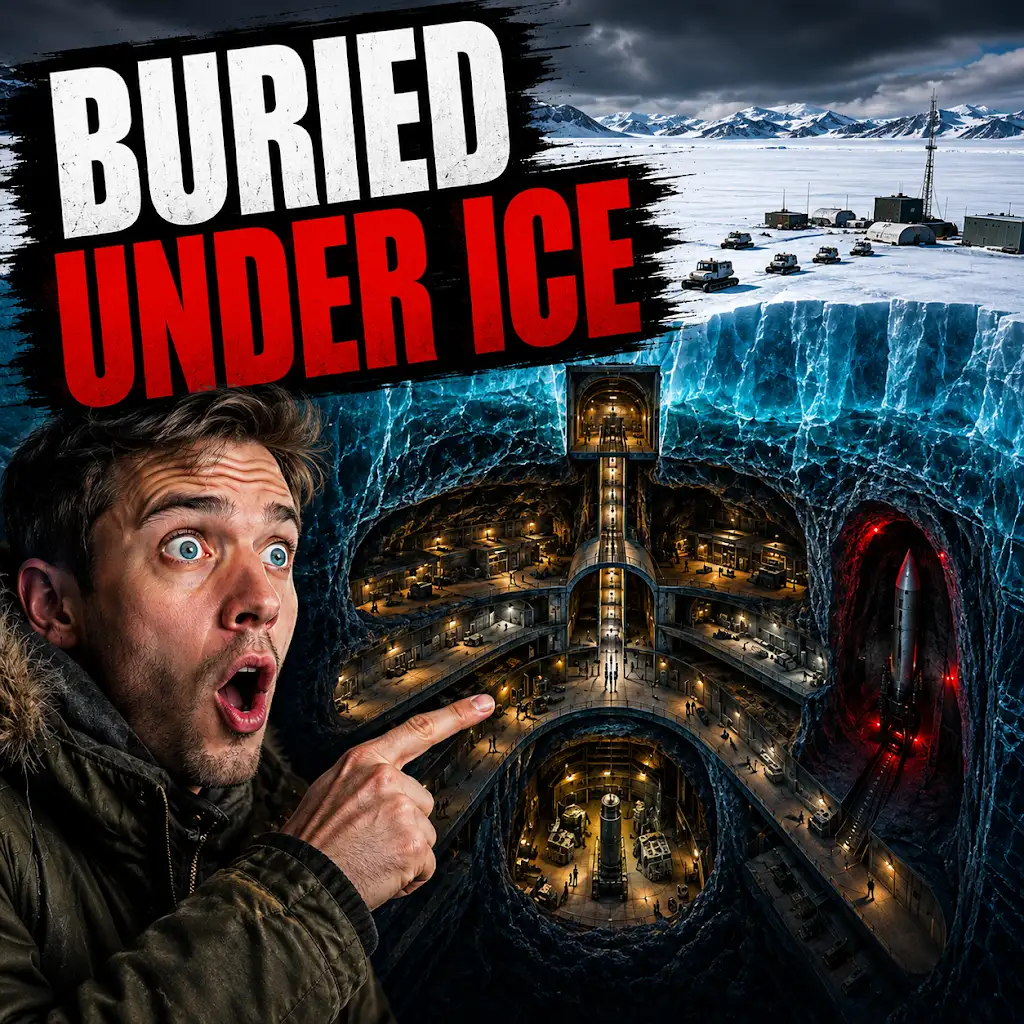
The U.S. Built a Nuclear City Under Greenland. The Ice Won.
FAQs
What was Project Iceworm?
Project Iceworm was a secret United States Army program during the Cold War to build a network of mobile nuclear missile launch sites under the Greenland ice sheet.
When did Project Iceworm take place?
Project Iceworm was initiated in 1959 and continued until 1967 when it was abandoned due to technical difficulties and environmental concerns.
What was the purpose of Project Iceworm?
The purpose of Project Iceworm was to establish a strategic nuclear missile launch capability within striking distance of the Soviet Union, while being hidden under the ice sheet to avoid detection.
Why was Project Iceworm abandoned?
Project Iceworm was abandoned due to the unstable and shifting nature of the ice sheet, which made it impossible to maintain the infrastructure and the environmental impact of the project.
What was the impact of Project Iceworm?
Although Project Iceworm was ultimately a failure, it highlighted the extreme measures taken during the Cold War and the environmental risks associated with military operations in remote locations.