
The primal world of the Paleolithic era was a tapestry woven with threads of constant struggle, not merely against the harshness of nature but, perhaps more insidiously, against the presence of other human groups. For early Homo sapiens and their contemporaries, survival was a multifaceted challenge, and the psychological toll of existing in a landscape populated by unknown and potentially hostile tribes cannot be overstated. This was a time when the very concept of “other” was deeply intertwined with the fundamental drive for survival. The anxieties, fears, and cognitive adaptations that arose from these intergroup dynamics shaped the human psyche in profound ways, leaving an indelible mark on our evolutionary trajectory.
The Ever-Present Shadow of the Unknown
The vastness of the Paleolithic landscape, while offering opportunities for resource acquisition, also harbored a significant and omnipresent threat: the unknown. This unknown was most acutely embodied by other human groups, distinct in appearance, language, and likely social customs. For a small, mobile band of hunter-gatherers, encountering strangers could signal a range of outcomes, from potential trade and alliance to outright conflict and annihilation. This constant uncertainty fostered a deep-seated vigilance and a heightened sense of threat perception.
Navigating the Labyrinth of Social Boundaries
The absence of formalized borders or universally recognized laws meant that social boundaries were fluid and often enforced through immediate, physical means. A band’s territory was not a marked plot of land but a zone of influence, defended by its members. Entering this zone without invitation was a transgression, perceived as a direct threat to the resources, safety, and social cohesion of the resident group. The psychological burden of this constant territorial awareness was immense. Individuals would have been perpetually scanning their environment for signs of intrusion, their minds occupied with the potential consequences of encountering outsiders. This vigilance wasn’t just about spotting an approaching group; it involved interpreting subtle cues like unfamiliar tracks, distant smoke signals, or unusual animal behavior that might indicate the presence of others.
The Primacy of Group Identity and Exclusion
In such an environment, the concept of “us” versus “them” would have been exceptionally potent. Strong in-group loyalty was not merely a social preference but a survival imperative. Belonging to a cohesive unit provided shared labor for hunting, defense, and childcare, as well as emotional support. Conversely, an outsider was a potential competitor for scarce resources like water, game, and shelter. This binary thinking, while perhaps crude by modern standards, was a necessary psychological adaptation for navigating a world where trust was a high-stakes gamble. The fear of the “other” would have been amplified by the perceived difference – differences in dialect, adornment, or even physical stature could have served as markers of potential danger, triggering immediate alarm responses. This ingrained tendency to categorize and, often, to distrust those outside one’s immediate social circle likely laid the groundwork for many of the intergroup biases observed even today.
The Weight of Constant Readiness
Survival in the Paleolithic was not a passive endeavor; it demanded perpetual readiness for action. This readiness extended beyond anticipating a predator’s pounce to preparing for a potential raid or skirmish with rival tribes. The psychological stress of this constant state of alert would have been considerable, manifesting as heightened arousal, a sustained release of stress hormones like cortisol, and a pervasive sense of unease. Sleep itself would have been precarious, punctuated by the need for sentry duty and the fear of surprise attacks.
The Burden of Defensive Vigilance
The psychological energy expended on maintaining defensive vigilance was likely enormous. Every rustle in the undergrowth, every unusual sound, could be interpreted as a sign of impending danger. This hyper-vigilance would have been a constant drain on cognitive resources, making it difficult to focus on tasks unrelated to immediate survival. Imagine the mental strain of a mother constantly scanning the horizon for threats while trying to feed her child, or a hunter pausing mid-stalk, his senses on high alert for sounds of approaching strangers rather than the footsteps of prey. This was a world where relaxation was a luxury often denied, and the mind was perpetually wired for threat detection.
The Cycle of Anticipation and Reaction
The psychological pressure was not solely about the immediate moment of encounter but also the anticipation of future encounters and the planning of responses. This involved not only the physical preparation of weapons but also the mental rehearsal of defensive strategies, escape routes, and potential alliances. This constant cognitive load, coupled with the emotional toll of fear and anxiety, would have contributed to a chronic stress load, potentially impacting long-term health and well-being. The psychological burden of anticipating and reacting to intertribal threats would have permeated all aspects of life, from the mundane act of gathering berries to the complex rituals of social interaction within the band.
The psychological pressures faced by early humans during the Paleolithic era, particularly in interactions with foreign tribes, can be further understood through the lens of environmental challenges and societal changes. An insightful article that explores the broader implications of survival pressures in ancient times is titled “The Bronze Age Collapse: Climate’s Role,” which discusses how climatic shifts influenced societal dynamics and inter-tribal relations. For a deeper understanding of these themes, you can read the article here: The Bronze Age Collapse: Climate’s Role.
The Scars of Conflict and Loss
Intertribal encounters were not always benign. Competition for resources, territorial disputes, and perceived insults could easily escalate into violence. The experience of conflict, even as a witness or survivor, left deep psychological scars on individuals and communities. The trauma of witnessing violence, losing loved ones, and facing the constant threat of further harm shaped the emotional landscape of Paleolithic humans.
The Lingering Echoes of Aggression
The aftermath of violent encounters would have been characterized by profound emotional distress. For those who survived, the memories of battle, the sight of fallen comrades, and the realization of their own vulnerability would have been deeply traumatic. This trauma could manifest in various ways, including persistent fear, nightmares, hyperarousal, and avoidance behaviors. The psychological impact of such experiences would have been particularly severe for individuals who were directly involved in the fighting, but even those who were not could suffer from secondary trauma by witnessing the suffering of their kin. The psychological landscape of a band that had recently experienced conflict would have been one of heightened fear and suspicion, making it even more difficult to engage with any unknown groups.
The Grief of the Fallen
The loss of kin due to intertribal violence was a devastating blow to small, tightly knit Paleolithic bands. Each individual played a crucial role in the group’s survival, and their absence created a void that was difficult to fill. The grief associated with such losses would have been profound and likely prolonged. In societies where life expectancy was already low, the premature death of individuals due to violence would have been a constant source of sorrow and a stark reminder of the fragility of life. The psychological burden of mourning, coupled with the practical challenges of replacing lost skills and knowledge, would have added another layer of stress to already challenging lives.
The Cycles of Retaliation and Revenge
The psychological imperative for retribution could also drive cycles of violence. The loss of a loved one or a perceived injustice could fuel a desire for revenge, leading to further conflict. This could create a perpetual state of hostility between certain groups, characterized by a deep-seated animosity and a constant readiness for retaliation. The psychological burden of harboring such grudges, of living with the constant threat of reprisal, would have been immense. This dynamic would have created a self-perpetuating cycle of fear and aggression, further contributing to the psychological pressures of Paleolithic survival. The mental energy invested in planning and executing acts of revenge, and the subsequent fear of retaliation, would have been a significant distraction from other essential survival activities.
The Evolution of Trust and Cooperation
Despite the pervasive threats, the Paleolithic was also a time of remarkable human resilience and ingenuity. The need for cooperation, both within and between groups, was paramount for long-term survival. This led to the development of complex social strategies and a nuanced understanding of trust, often forged in the crucible of shared challenges.
The Delicate Dance of Alliance Formation
While conflict was a reality, so too was the potential for beneficial intergroup relationships. Trade in essential resources like stone for tools, medicinal plants, or even unique decorative items could be advantageous for both parties. Alliances, though fragile, could offer mutual protection against common threats or provide access to new territories and resources. The psychological process of forging such alliances involved careful observation, assessment of intentions, and the gradual building of rapport. This was a delicate dance, where a misstep could lead to disaster, but a successful partnership could significantly improve a group’s chances of survival. The psychological skill involved in discerning genuine intentions from deception would have been a critical evolutionary advantage.
The Rituals of Diplomacy and Exchange
The development of rituals, shared ceremonies, and standardized exchange practices likely played a crucial role in fostering trust between groups. These established protocols provided a framework for interaction, reducing uncertainty and signaling peaceful intentions. The psychological effect of participating in these rituals would have been to create a sense of shared humanity, even between groups with different customs. The shared experience of a feast, a song, or a trade negotiation could create temporary bonds that transcended immediate differences, offering moments of respite from the constant anxiety of the unknown.
The Pragmatism of Reciprocity
Underlying many intergroup relationships would have been a pragmatic understanding of reciprocity. The expectation that favors would be returned, or that an act of aggression would elicit a response, shaped social interactions. This fundamental principle of reciprocity, honed through countless intergroup encounters, fostered a more predictable social environment. The psychological benefit of understanding and participating in these reciprocal exchanges was a greater sense of security and a reduction in the constant need for hyper-vigilance. The knowledge that certain actions would predictably lead to certain responses provided a degree of cognitive comfort in an otherwise unpredictable world.
The Cognitive Toolkit for a Hostile World
The psychological pressures of Paleolithic survival amidst foreign tribes likely drove the evolution of specific cognitive abilities and coping mechanisms. The human mind, in its quest for survival, developed sophisticated ways to assess risk, manage fear, and navigate complex social landscapes.
The psychological pressures faced by early humans during the Paleolithic era were profoundly influenced by their interactions with foreign tribes, as survival often depended on navigating complex social dynamics and competition for resources. An insightful article that explores these themes in greater depth can be found here, shedding light on how environmental challenges and tribal relations shaped early human behavior and mental resilience. Understanding these factors not only enriches our knowledge of prehistoric life but also offers valuable perspectives on the evolution of human psychology.
The Art of Threat Assessment and Social Cognition
The ability to quickly and accurately assess the threat posed by unfamiliar individuals or groups was a critical survival skill. This involved interpreting a myriad of cues – body language, vocalizations, facial expressions, and even the way an individual carried themselves. Enhanced social cognition, the capacity to understand and predict the behavior of others, would have been particularly important when dealing with unknown groups. This might have involved developing mental models of potential motivations and intentions, allowing for a more nuanced and adaptive response. The psychological advantage of being able to quickly discern a potential ally from a foe would have been immense, saving valuable cognitive resources and potentially life itself.
Reading Between the Lines: Non-Verbal Communication
The importance of non-verbal communication cannot be overstated in a context where spoken language might not have been readily understood. Subtle shifts in posture, the widening of eyes, or the clenching of a fist could convey crucial information about a stranger’s disposition. The psychological pressure to be adept at reading these non-verbal cues would have been immense. Individuals who were more attuned to these subtle signals would have been better equipped to anticipate danger and respond appropriately, thus increasing their chances of survival. This skill would have been honed through repeated exposure and direct feedback, reinforcing the psychological pathways associated with threat detection.
The Intuition of Danger: Gut Feelings and Heuristics
Over time, repeated experiences of encountering hostile groups would have likely imprinted certain intuitive responses. These “gut feelings” or heuristics, while not always consciously understood, could serve as rapid warning systems. A sense of unease or discomfort in the presence of certain individuals or in specific situations might have been a powerful, albeit primitive, form of risk assessment. The psychological advantage of these intuitive mechanisms was their speed; they allowed for an immediate reaction before a thorough cognitive analysis could be completed, which might have been too slow in a life-or-death situation.
The Resilience of the Human Spirit
Despite the overwhelming psychological pressures, Paleolithic humans demonstrated remarkable resilience. The ability to adapt, to learn from past experiences, and to maintain social bonds in the face of adversity were crucial for their continued existence. The psychological fortitude required to endure constant threat and loss speaks to the deep-seated capacity for hope and the drive to persist.
The Power of Storytelling and Shared Memory
Oral traditions and shared stories played a vital role in transmitting knowledge about potential threats and successful strategies for dealing with foreign tribes. These narratives would have served to educate younger generations, instill caution, and reinforce group identity. The psychological benefit of these shared memories was a collective wisdom that could guide future actions and provide a sense of continuity and shared purpose. The recounting of past encounters, whether tales of bravery or cautionary tales of defeat, helped to prepare individuals psychologically for the realities they might face.
The Comfort of Kin and Community
Perhaps the most significant psychological buffer against the harsh realities of intertribal existence was the support of one’s own kin and community. The bonds of family and band provided a source of emotional security, practical assistance, and shared purpose. In a world fraught with external dangers, the internal cohesion of the group was a vital anchor, offering a sense of belonging and mutual protection that was indispensable for psychological well-being. The shared laughter, the comfort of a familiar face, and the collective effort towards a common goal would have provided essential psychological sustenance, enabling individuals to endure and ultimately thrive.
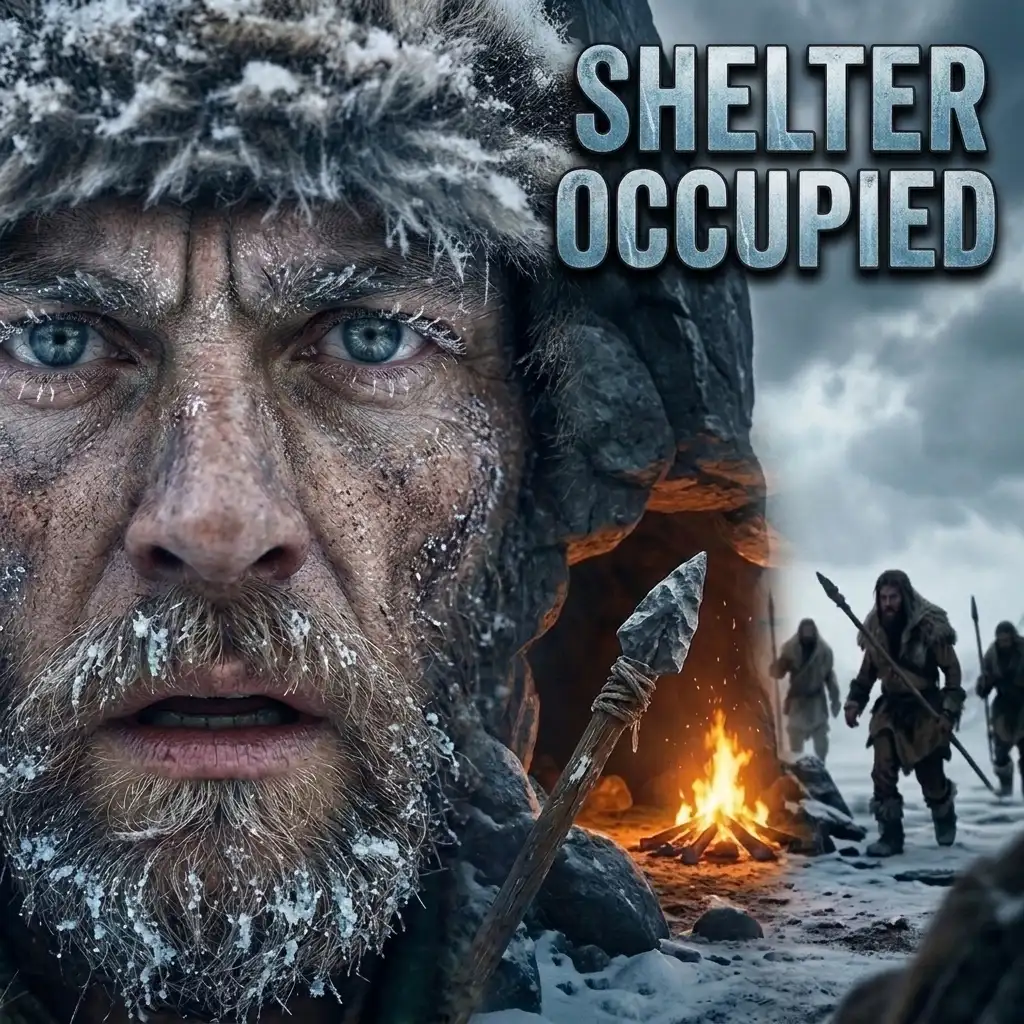
➡️Life 20,000 Years Ago | When Strangers Claim Your Winter Shelter 🚨
FAQs
What were the primary psychological pressures faced by Paleolithic humans in survival situations?
Paleolithic humans faced numerous psychological pressures, including the constant threat of predation, scarcity of resources, and the need for social cohesion within their tribes. The fear of starvation and the stress of hunting and gathering in hostile environments could lead to anxiety and depression. Additionally, the need to maintain social bonds and navigate complex group dynamics added to their mental strain.
How did interactions with foreign tribes impact the psychological well-being of Paleolithic humans?
Interactions with foreign tribes could lead to both positive and negative psychological effects. On one hand, trade and alliances could enhance survival chances and foster a sense of community. On the other hand, encounters with hostile tribes could result in fear, aggression, and trauma, impacting mental health and group cohesion. The uncertainty of these interactions often heightened stress levels among individuals.
What coping mechanisms might Paleolithic humans have developed to deal with psychological pressures?
Paleolithic humans likely developed various coping mechanisms, such as forming strong social bonds within their tribes, sharing resources, and engaging in communal activities like storytelling and rituals. These practices would help alleviate stress and foster a sense of belonging. Additionally, physical activities such as hunting and gathering could serve as outlets for anxiety and frustration.
How did the environment contribute to the psychological pressures of Paleolithic survival?
The environment played a significant role in shaping the psychological pressures faced by Paleolithic humans. Harsh climates, unpredictable weather, and the presence of dangerous wildlife created a constant state of alertness and anxiety. Limited access to food and water sources could lead to feelings of hopelessness and despair, further exacerbating mental health challenges.
What role did cultural practices play in mitigating psychological pressures among Paleolithic tribes?
Cultural practices, such as rituals, art, and spiritual beliefs, likely played a crucial role in mitigating psychological pressures. These practices provided a framework for understanding the world, fostering resilience, and promoting group identity. Engaging in rituals could offer comfort and a sense of control in an unpredictable environment, helping individuals cope with the stresses of survival.