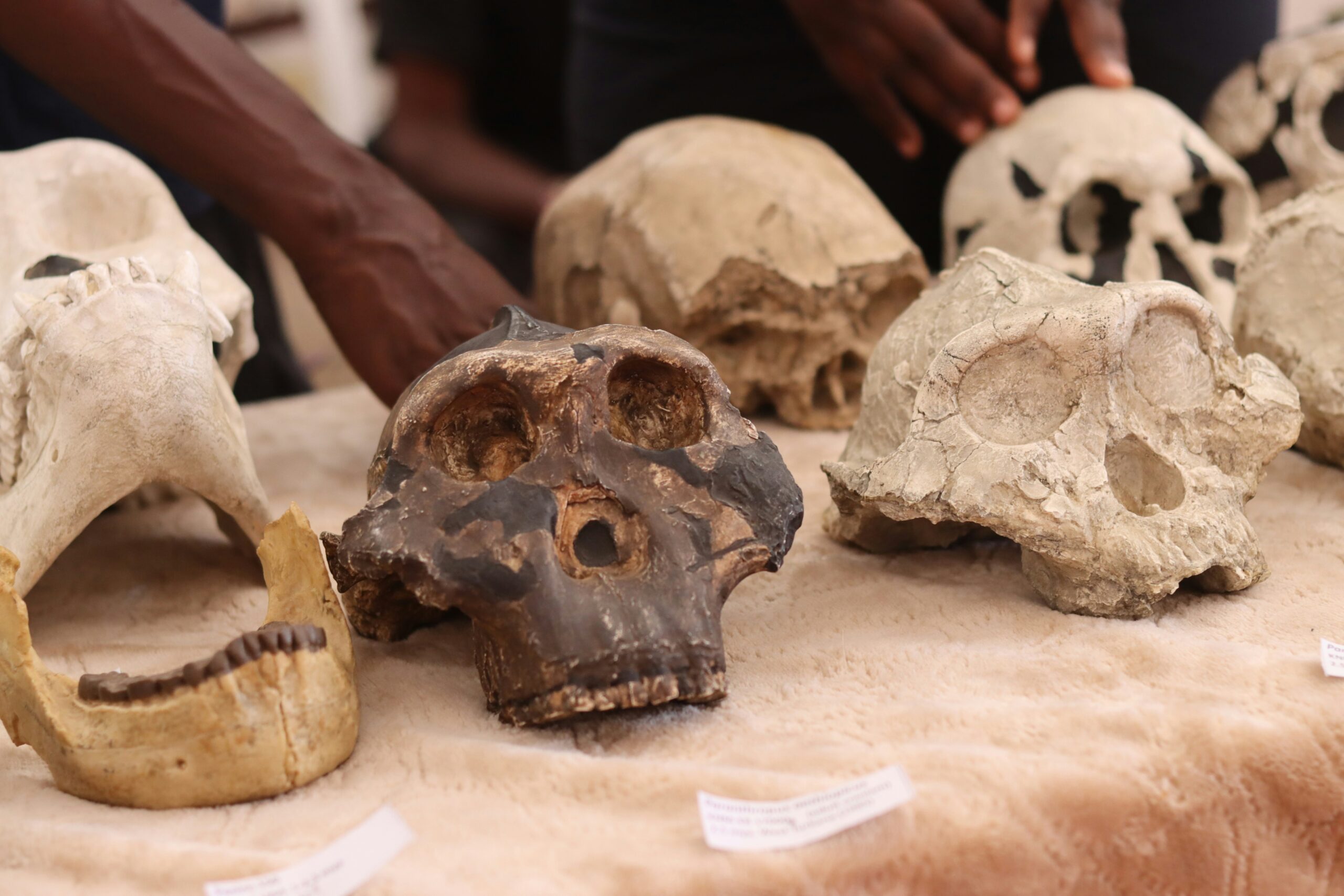
The human mind, a product of eons of evolution, has always been deeply intertwined with the demands of survival. When contemplating the lives of our prehistoric ancestors, it is easy to focus on the physical challenges they faced – the hunt, the shelter, the ever-present threat of predators. Yet, beneath the surface of these observable behaviors lies a complex tapestry of psychological adaptations that allowed our species to not only endure but to thrive. The formation and maintenance of prehistoric survival groups were not merely practical arrangements; they were underpinned by fundamental psychological principles of unity, cooperation, and adaptability, principles that continue to resonate within human societies today.
The Primal Drive for Social Connection
At the core of prehistoric group survival was an innate, deeply ingrained need for social connection. This was not a preference, but a necessity, a powerful evolutionary imperative that shaped early human psychology. Isolation, in the harsh environments of prehistory, was virtually synonymous with death. Therefore, the psychological mechanisms that fostered belonging and deterred solitude were paramount for the continuation of the species.
The Evolutionary Advantage of the Pack Mentality
The concept of a “pack mentality” is often used to describe the behavior of animals that hunt and live in groups, but it applies equally, if not more profoundly, to early humans. This mentality was driven by a profound psychological understanding that safety and success were amplified within a collective. The individual brain, while capable, was vulnerable. A group, however, offered distributed awareness, shared responsibility for defense, and a pooled reservoir of knowledge and skills. Psychologically, this translated into a powerful sense of security and a reduction in individual anxiety. The mere presence of others provided a buffer against fear, a feeling of being protected, which in turn allowed for more effective cognitive functioning in high-stress situations. This primal drive for social bonding, far from being a weakness, was a cornerstone of prehistoric resilience, fostering an environment where cooperation became as natural as breathing.
The Neurochemical Reinforcement of Group Cohesion
The human brain is exquisitely wired to reward social interaction. Neurochemicals like oxytocin, often dubbed the “bonding hormone,” played a crucial role in cementing these early group ties. As individuals engaged in cooperative activities – sharing food, caring for young, participating in communal hunts – their brains released oxytocin, creating feelings of trust, empathy, and affection. This neurochemical feedback loop reinforced prosocial behaviors, making individuals more inclined to help, protect, and cooperate with group members. Serotonin and dopamine also contributed, fostering feelings of well-being and satisfaction when acting in concert with the group, further strengthening the psychological bonds that held these survival units together. These biological underpinnings ensured that unity was not just a conscious decision but a deeply felt, rewarding experience.
The Psychology of Mutual Aid and Reciprocity
The concept of reciprocity, the expectation that favors will be returned, was a fundamental psychological tenet of prehistoric group survival. This was not just a matter of fairness; it was a sophisticated strategy for ensuring long-term group viability. When one individual shared a kill, tended to another’s wounds, or stood guard while they rested, they were psychologically investing in the future well-being of the group, and by extension, their own. This created a complex web of mutual obligation and reliance. The psychological satisfaction derived from helping and the anticipation of future assistance created a powerful incentive for altruistic behavior, even at a potential short-term cost. This inherent understanding of give-and-take was a sophisticated cognitive tool that promoted resource sharing, conflict resolution, and the overall resilience of the group in the face of adversity.
The psychology of prehistoric survival groups is a fascinating area of study that delves into how early humans collaborated and formed social bonds to enhance their chances of survival. A related article that explores the complexities of human behavior and decision-making in ancient contexts can be found at Decoding the Piri Reis Map: Uncovering the Truth. This piece not only examines the historical significance of the Piri Reis map but also touches upon the cognitive and social dynamics that may have influenced navigation and exploration among prehistoric communities.
Navigating a Hostile World: The Psychology of Shared Purpose

Prehistoric survival was a constant negotiation with a dangerous and unpredictable environment. The psychological framework of group living provided the essential scaffolding for collective action, enabling individuals to pool their mental and physical resources to overcome challenges that would have been insurmountable alone. The shared purpose that emerged from these cooperative endeavors was a powerful motivator, transcending individual needs and fostering a collective drive for survival.
The Cognitive Benefits of Collective Problem-Solving
The act of living and surviving in groups offered significant cognitive advantages. When faced with a complex problem, such as devising a strategy for a difficult hunt or finding a new source of water, the collective mind of the group could engage in a form of distributed cognition. Different individuals, with their unique perspectives and experiences, could contribute to the solution. This led to a richer pool of ideas and a greater likelihood of finding effective strategies. Psychologically, this fostered a sense of shared intelligence and agency, reducing feelings of helplessness and increasing confidence in the group’s ability to overcome obstacles. The process of brainstorming and collaborative decision-making, even in its most rudimentary form, likely triggered reward pathways in the brain, reinforcing the value of group interaction for problem-solving.
The psychology of prehistoric survival groups offers fascinating insights into how early humans banded together for protection and resource sharing. Understanding these dynamics can shed light on modern social structures and cooperative behaviors. For a deeper exploration of how collaboration and investment can shape communities, you might find this article on China’s investment in Mexican factories particularly relevant. It highlights the importance of partnerships in fostering growth and resilience in today’s interconnected world, which can be seen as a modern reflection of those ancient survival instincts. You can read more about it here.
The Psychology of Shared Risk and Collective Defense
The constant threat of predators and rival groups necessitated a unified approach to defense. Psychologically, this meant individuals had to overcome their innate fear responses and act in concert for the greater good. The presence of others not only provided a physical deterrent but also a psychological one. The knowledge that others were also on alert, and willing to fight, reduced individual anxiety and increased the collective courage. This phenomenon is akin to a “diffusion of responsibility” in a positive sense, where the burden of defense is shared, making it more manageable for each individual. The development of collective alarm systems and coordinated defensive maneuvers were not just tactical innovations; they were manifestations of a deep-seated psychological adaptation that prioritized the safety of the many over the immediate comfort of the few.
The Power of Collective Memory and Knowledge Transmission
Survival in prehistoric times depended heavily on accumulated knowledge. This knowledge – the location of edible plants, the behaviors of animals, the signs of changing weather – was a precious resource that needed to be preserved and transmitted across generations. Groups provided the ideal incubator for this collective memory. Storytelling, ritual, and direct apprenticeship were all psychological mechanisms that facilitated the transfer of vital information. Younger members learned by observing and imitating elders, internalizing not just factual knowledge but also the underlying values and social norms that governed group behavior. This shared repository of knowledge acted as a powerful adaptive advantage, preventing the constant reinvention of the wheel and accelerating the group’s ability to respond to environmental challenges. The psychological comfort of learned wisdom, passed down through communal narratives, also contributed to a sense of stability and continuity in a often-unpredictable world.
The Adaptive Dance of Group Dynamics and Individual Roles
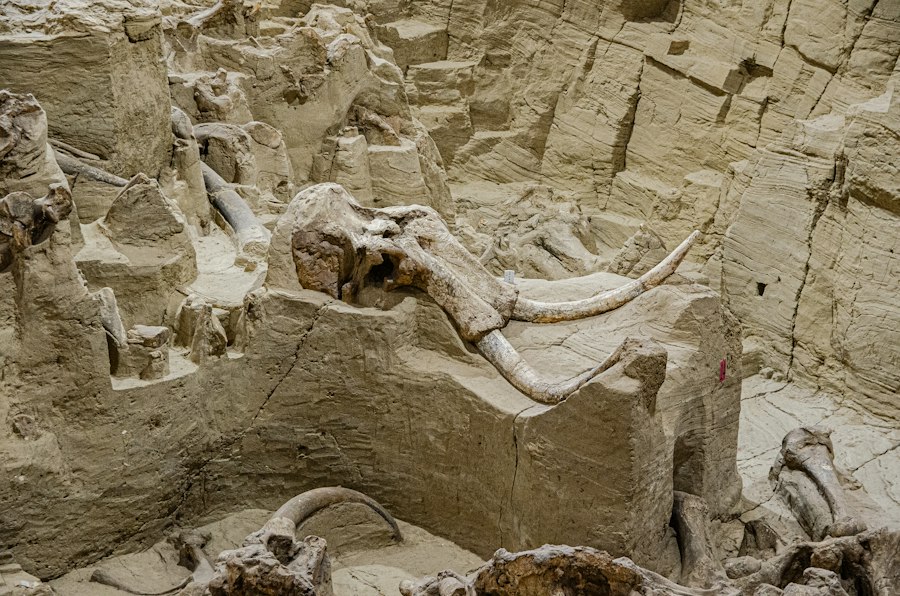
Within the cohesive unit of a prehistoric survival group, a complex interplay of social dynamics and individual roles emerged. These roles, while seemingly hierarchical or specialized, were psychologically vital for efficient operation and adaptation. The ability of individuals to find their niche, contribute their unique skills, and adhere to group norms was crucial for collective success.
The Psychology of Specialization and Interdependence
As groups grew and their survival strategies became more sophisticated, specialization began to emerge. Some individuals might have excelled at hunting, others at tool-making, and yet others at identifying medicinal plants. This division of labor was not just practical; it had profound psychological implications. Individuals who found success and recognition in their specialized roles likely experienced increased self-esteem and a stronger sense of belonging. This specialization also fostered a deep sense of interdependence. Each member understood that their well-being was intrinsically linked to the contributions of others. This psychological awareness of mutual reliance reinforced the bonds of the group and discouraged individualistic pursuits that could jeopardize collective survival. The satisfaction of contributing to a shared goal, and the knowledge that one’s skills were valued, were powerful psychological motivators.
The Management of Conflict and the Maintenance of Harmony
No group, no matter how cohesive, is entirely free of conflict. Prehistoric survival groups, however, likely developed sophisticated, albeit perhaps unwritten, psychological mechanisms for managing disagreements and maintaining social harmony. Ostracism, public shaming, and ritualized conflict resolution may have been employed to address transgressions and maintain group cohesion. Psychologically, the fear of being excluded from the group was a potent deterrent against antisocial behavior. Conversely, the positive reinforcement of belonging and social acceptance encouraged adherence to group norms. The ability to forgive and reintegrate individuals after conflict, while still maintaining accountability, would have been a crucial adaptive skill, preventing the fragmentation of the group and preserving its collective strength.
The Emergence of Leadership and Followership Psychology
While not necessarily formal in the modern sense, leadership likely emerged within prehistoric groups. This leadership was not always based on brute force but on qualities like experience, wisdom, charisma, and the ability to inspire confidence. Psychologically, followership involved a degree of trust and deference to those perceived as capable and beneficial to the group. The ability to identify and support effective leaders was a crucial adaptive trait. Leaders, in turn, had to understand the psychological needs of their group members, fostering a sense of unity and purpose. This dynamic interplay between leadership and followership, driven by mutual understanding and a shared goal of survival, was a key element in the success of these early human communities.
The Enduring Legacy: Adaptation and the Modern Psyche
The psychological adaptations that facilitated survival in prehistoric groups are not relics of the past. They are woven into the very fabric of the modern human psyche, influencing our social behavior, our need for belonging, and our capacity for cooperation. Understanding the psychology of our ancestors offers a profound insight into our own motivations and the enduring power of social connection.
The Biological Roots of Prosociality in Modern Humans
The neurochemical pathways that rewarded cooperation and bonding in prehistoric times continue to shape our brains today. The pleasure derived from social interaction, the empathy we feel for others, and our innate desire to be part of a community are all echoes of our evolutionary past. While modern societies present different challenges, the fundamental psychological mechanisms that promoted group cohesion remain potent. The study of evolutionary psychology reveals how these ancient drives continue to manifest in our modern social structures, from our preference for tight-knit families to our participation in large-scale communities and organizations.
The Psychological Drive for Belonging in Contemporary Society
Despite the increasing individualism of modern life, the fundamental human need to belong remains a powerful motivator. This drive can be seen in our engagement with social media, our participation in fan communities, and our desire for acceptance in workplaces and social circles. The fear of isolation, a primal survival instinct from our prehistoric past, continues to influence our behavior, driving us to seek connections and validation from others. Understanding this innate need for belonging can help explain a wide range of human behaviors, from the formation of friendships to the development of social movements.
The Timeless Value of Cooperation and Collective Action
The lessons learned from prehistoric survival groups underscore the enduring value of cooperation and collective action. In a world facing complex global challenges, from climate change to pandemics, the ability to work together towards common goals is more critical than ever. The psychological foundations of unity, shared purpose, and mutual aid that allowed our ancestors to thrive are the very same principles that can guide us towards a more sustainable and equitable future. The prehistoric human mind, shaped by the crucible of survival, bequeathed to us a legacy of interconnectedness, a testament to the profound truth that in unity, and through adaptation, lies our greatest strength.

20,000 Years Ago | The Coldest Journey in Human History
FAQs
What is the psychology of prehistoric survival groups?
The psychology of prehistoric survival groups refers to the study of how early human groups functioned and survived in harsh environments, focusing on their social dynamics, decision-making processes, and strategies for survival.
How did prehistoric survival groups communicate with each other?
Prehistoric survival groups likely communicated through a combination of verbal language, gestures, facial expressions, and body language. These forms of communication were essential for coordinating activities, sharing knowledge, and building social bonds within the group.
What role did leadership play in prehistoric survival groups?
Leadership in prehistoric survival groups was crucial for making decisions, resolving conflicts, and providing direction during times of crisis. Leaders were often individuals who demonstrated strength, intelligence, and the ability to inspire and motivate others within the group.
How did prehistoric survival groups adapt to changing environments?
Prehistoric survival groups adapted to changing environments by developing new tools, techniques, and strategies for hunting, gathering, and shelter-building. They also relied on their collective knowledge and experience to navigate unfamiliar territories and overcome challenges.
What can we learn from the psychology of prehistoric survival groups?
Studying the psychology of prehistoric survival groups can provide insights into human behavior, social dynamics, and resilience in the face of adversity. By understanding how early humans survived and thrived in challenging environments, we can gain a deeper appreciation for the importance of cooperation, communication, and adaptability in modern society.