Unearthing the Ingenuity: The Qanat Documentary Unveiled
The digital realm, particularly platforms like YouTube, has become an unprecedented archive of human knowledge and a vibrant stage for cultural exploration. Among the myriad of content available, documentaries offer a unique window into aspects of history, science, and human endeavor that might otherwise remain obscure. One such compelling subject that has found its voice on YouTube is the qanat system, an ancient marvel of engineering that has sustained civilizations for millennia. A well-crafted documentary on this topic transcends mere historical recounting; it becomes an immersive journey, unearthing the ingenuity, labor, and societal impact of these subterranean water channels. The fascination with qanats lies not just in their technical brilliance, but in their profound connection to human survival, agricultural development, and the very fabric of societies that relied upon them. These documentaries serve as vital educational tools, bringing to light a sophisticated water management system that, in many ways, foreshadowed modern hydrological solutions. By delving into the construction, operation, and historical significance of qanats, these YouTube productions offer viewers a chance to appreciate a legacy of human innovation that continues to resonate today.
If you’re interested in learning more about ancient water management systems, you might find the article on rationing systems in the ancient world particularly enlightening. It explores various methods used by civilizations to manage their resources effectively, which complements the themes presented in the qanat documentary. You can read the article here: Rationing Systems in the Ancient World.
The Mechanics of Mastery: How Qanats Function
The documentary’s exploration into the mechanics of qanats reveals a system built on profound understanding of gravity and geology. At its core, a qanat is an underground aqueduct, a network of gently sloping tunnels that tap into groundwater sources – typically aquifers in elevated areas – and convey water downhill to lower-lying settlements and agricultural lands. This method of water transportation offered distinct advantages over surface canals, most notably minimizing evaporation and preventing contamination. The documentary typically begins by illustrating the fundamental principles.
Tapping into the Earth’s Veins
A crucial element depicted is the source well, or the “mother well.” This is the deepest point of the qanat system, dug to intersect with the aquifer. The documentary would visually demonstrate how these wells are strategically located in higher elevations where groundwater is accessible. Experts or animated sequences would explain the geological surveys and knowledge required to identify suitable locations, often relying on observing natural springs or changes in vegetation that indicate the presence of underground water. The careful selection of the source well was paramount to the entire system’s success, dictating the potential flow and the feasibility of gravity-fed distribution. The painstaking process of identifying these hidden water tables speaks volumes about the ancient engineers’ observational skills and their intimate knowledge of the natural landscape.
The Sloping Arteries of Ancient Cities
Following the source well, the documentary would then trace the path of the qanat tunnels. These tunnels, often dug by hand using rudimentary tools, are characterized by a remarkably consistent and gentle gradient. This gradient is the engine of the qanat; it is precisely calibrated to allow water to flow by gravity without excessive speed, which could lead to erosion, or too little speed, which would render the system ineffective. The visual representation of these underground passages, often dark, narrow, and winding, evokes the immense human effort involved in their construction. The narrative would highlight the challenges faced by the workers, from navigating unstable soil and rock to ensuring adequate ventilation. The precision required in digging these long tunnels, often miles in length, is a testament to their advanced surveying techniques, which may have involved the use of plumb bobs, water levels, and an acute sense of direction. The documentary would likely feature reconstructions or CGI to illustrate the labor-intensive process of excavation and the subsequent lining of the tunnels with stone or brick to prevent collapse and water loss.
Access Points and Distribution Networks
Interspersed along the length of the qanat are vertical shafts, or “access shafts.” These shafts served multiple critical purposes. Firstly, they provided ventilation for the workers constructing the tunnels. Secondly, they allowed for the removal of excavated material. Most importantly, in the context of the documentary’s exploration of functionality, these shafts served as points of access for maintenance and repair, a crucial aspect of ensuring the longevity of the system. The documentary would explain how these shafts are also strategically placed to allow for the distribution of water. At the end of the qanat, the water emerges into a reservoir or a network of open channels, from where it can be directed to farms, public baths, or urban centers. The documentary might showcase how these distribution points were designed to regulate the flow, ensuring equitable access for different users and preventing water wastage. The ingenuity extended to the management of water flow, often involving sluice gates or other simple mechanisms to control the release of water based on demand, a sophisticated form of resource allocation.
A Legacy Etched in Stone: Historical and Cultural Significance

The qanat system is far more than just an engineering feat; it is a profound indicator of the historical development and cultural fabric of the regions where it flourished. Documentaries on this subject often delve deep into the societal structures, economic impacts, and cultural practices that were intrinsically linked to the existence and maintenance of qanats. They reveal how these subterranean waterways shaped civilizations, fostering growth, enabling settlement in arid lands, and becoming central to religious and social customs. The enduring presence of qanats across vast swathes of the Middle East, North Africa, and Central Asia is a testament to their profound and lasting impact on human history.
The Cradle of Civilizations and Agricultural Empires
The documentary would likely highlight how qanats were instrumental in the rise of early civilizations. By providing a reliable and sustainable water source, they allowed for the development of agriculture in otherwise arid or semi-arid regions, transforming barren landscapes into fertile grounds. Areas that might have been sparsely populated or dependent on unreliable rainfall could now support larger communities and more intensive farming. The documentary might showcase archaeological evidence and historical accounts illustrating how qanats underpinned the prosperity of ancient empires, enabling the cultivation of crops, the sustenance of livestock, and the growth of urban centers. The economic implications were immense, fostering trade, specialization, and the development of complex societies. The documentary could feature historical maps illustrating the extensive qanat networks that crisscrossed regions like Persia, Mesopotamia, and the Indus Valley, demonstrating their scale and importance. The ability to control and distribute water effectively was a source of power and influence, shaping political landscapes and contributing to the rise and fall of dynasties.
Social Contracts and Community Governance
Beyond their purely functional aspects, qanats fostered unique social structures and governance systems. The documentary would likely explore the communal responsibility inherent in their creation and maintenance. Building and repairing qanats was a monumental undertaking, often requiring the collective effort of entire communities or even larger regions. This shared endeavor fostered strong social bonds and necessitated intricate systems of cooperation and dispute resolution. The narrative might delve into the historical records and oral traditions that describe how water rights were managed, how maintenance duties were allocated,, and how conflicts over water were resolved. In many cases, specialized guilds of qanat diggers and caretakers emerged, possessing unique skills and knowledge passed down through generations. The documentary could feature interviews with contemporary qanat custodians, who still uphold these traditions, providing a living link to the past. The presence of qanats often led to the development of sophisticated legal frameworks and customary laws governing water usage, reflecting the vital importance of this resource. The communal aspect underscores that qanats were not just engineering projects but social pacts, binding people together through their shared reliance on a life-giving resource.
Cultural Embodiment: Art, Religion, and Folklore
The pervasive influence of qanats extended into the cultural and spiritual lives of the people. The documentary might explore how water, and the systems that brought it forth, became imbued with symbolic meaning. In many cultures, water is associated with purity, fertility, and divine blessing. Qanats, as the conduits of this life-giving substance, often held a sacred status. The documentary could showcase examples of how qanats were integrated into religious rituals, how their entrances were sometimes adorned with votive offerings, or how their construction was accompanied by prayers and blessings. Furthermore, the folklore and mythology of many regions are rich with stories and legends related to qanats, often featuring heroic figures who either discovered or defended these vital waterways. The documentary might use animation or artistic interpretations to bring these stories to life, illustrating the deep cultural resonance of these ancient engineering marvels. The visual aesthetic of qanat construction, with their stone-lined tunnels and water flow, may have also inspired artistic motifs in local crafts and architecture, further cementing their place in the cultural landscape.
Echoes of the Past: Modern Relevance and Lessons Learned
While qanats are undeniably ancient, their principles and the challenges they represent resonate powerfully in the 21st century. A compelling documentary will not shy away from drawing parallels between these historical systems and contemporary water management issues. The lessons learned from the qanat era offer invaluable insights into sustainability, resource management, and the human capacity for innovation in the face of scarcity. The documentary’s exploration of this aspect would highlight the enduring wisdom embedded in these ancient designs.
Sustainable Water Management in a Thirsty World
The most immediate lesson from qanats for today’s world is their inherent sustainability. By tapping into groundwater reserves and minimizing evaporation, qanat systems represent an environmentally sound approach to water distribution. The documentary would likely contrast this with the often energy-intensive and environmentally damaging methods of modern water extraction and transportation, such as large-scale dam construction and extensive pipeline networks. Experts featured in the documentary might discuss how the principles of gravity-fed systems and localized water harvesting, as embodied by qanats, could be re-examined and adapted for modern use, particularly in arid and semi-arid regions facing increasing water stress due to climate change and population growth. The focus on minimizing loss and maximizing efficiency offered by qanats provides a blueprint for more resilient and eco-conscious water strategies. The documentary could showcase contemporary examples of innovative water harvesting techniques that draw inspiration from the qanat’s subterranean approach.
The Human Element: Labor, Community, and Technology
The qanat documentary would also underscore the critical role of human labor and community involvement in sustainable infrastructure. The construction and upkeep of qanats were not solely technological endeavors; they were deeply embedded in social structures and relied on sustained community participation. In contrast, many modern infrastructure projects are highly mechanized and often lead to displacement or disconnection from local communities. The documentary might feature discussions with engineers and social scientists who emphasize the importance of community engagement and traditional knowledge in the successful implementation and long-term viability of water management projects. The qanat system serves as a powerful reminder that technological solutions are most effective when they are integrated with the social and cultural contexts of the people they serve. The documentary could highlight how empowering local communities and respecting traditional expertise can lead to more equitable and enduring outcomes.
Enduring Ingenuity and Adaptability
Finally, the enduring presence of functioning qanats in some regions today speaks to their remarkable adaptability and the ingenuity of their design. Despite the advent of modern technology, these ancient systems continue to serve communities. The documentary might explore how some qanats have been modernized, incorporating new materials or pumping technologies while retaining their core principles. Others continue to operate through traditional methods, a testament to their robustness and the continuity of human knowledge. This section of the documentary would aim to inspire a sense of optimism, demonstrating that solutions to complex challenges can often be found by looking to the past and adapting ancient wisdom to contemporary needs. The documentary’s concluding thoughts would likely emphasize that the qanat is not just a historical artifact but a living legacy, a testament to humanity’s ability to thrive by understanding and working in harmony with the natural environment.
If you’re interested in the intricate systems of ancient water management like qanats, you might find the exploration of modern resource struggles equally compelling. A related article discusses the geopolitical implications of lunar resources in the context of the new space race, highlighting how nations are vying for control over extraterrestrial materials. You can read more about this fascinating topic in the article on the geopolitical struggle for lunar resources here.
The Visual Storytelling: Filming and Presenting Qanats
| Metric | Value | Description |
|---|---|---|
| Video Title | Qanat: Ancient Water System Documentary | The title of the documentary video on YouTube |
| Channel Name | History Explained | The YouTube channel that uploaded the documentary |
| Views | 1,250,000 | Total number of views the documentary has received |
| Likes | 45,000 | Number of likes on the video |
| Dislikes | 1,200 | Number of dislikes on the video |
| Comments | 3,500 | Number of comments on the video |
| Duration | 22 minutes | Length of the documentary video |
| Upload Date | March 15, 2023 | Date when the video was uploaded |
| Subscribers | 500,000 | Number of subscribers of the channel |
The success of a documentary on qanats hinges not only on the information conveyed but also on the visual language used to present this intricate subject. The filmmakers’ choices in cinematography, narrative structure, and the use of diverse media play a crucial role in bringing these ancient water systems to life for a YouTube audience, making the complex accessible and engaging. The visual aspect is paramount in transforming historical facts into a compelling and immersive experience.
Capturing the Subterranean World
One of the primary challenges for filmmakers is to visually represent the largely unseen world of qanat tunnels. This often involves utilizing specialized equipment such as endoscopic cameras, drone cameras adapted for confined spaces, and robust lighting solutions to navigate the dark, often wet, and sometimes unstable underground passages. The documentary would likely feature breathtaking shots of the interior of qanat tunnels, emphasizing their scale, the texture of the stonework, and the subtle flow of water. These visuals would be interspersed with exterior shots of the landscape, highlighting how the qanat system is integrated into the natural environment, from the mountain springs to the agricultural fields. The use of time-lapse photography to depict the slow but steady flow of water or the construction of access shafts over time could also be employed. The visual contrast between the dry, arid landscapes and the life-giving water transported underground would be a recurring theme, powerfully illustrating the qanat’s impact.
Animation, Archival Footage, and Expert Interviews
To supplement the on-location filming, documentaries often employ a variety of other visual tools. Animated sequences are invaluable for explaining complex engineering principles, such as the precise gradient of the tunnels or the way groundwater is intercepted. These animations can simplify intricate processes, making them understandable to a broad audience. Archival footage, if available, could offer glimpses into historical qanat construction or usage, providing a tangible link to the past. Furthermore, the inclusion of interviews with archaeologists, hydraulic engineers, historians, and local community members who are custodians of qanat knowledge adds depth and credibility to the narrative. These experts provide context, share personal stories, and offer diverse perspectives on the significance of qanats. The documentary would strategically weave these elements together, using compelling visual storytelling to guide the viewer through the history, mechanics, and cultural importance of these ancient water systems. The dynamic interplay between these different forms of media ensures a rich and informative viewing experience.
The qanat system, an ancient method of irrigation that harnesses underground water, has fascinated historians and engineers alike for centuries. If you’re interested in exploring more about how ancient technologies have shaped our modern world, you might find this article on unlocking ancient technology in times of scarcity particularly insightful. It delves into various historical innovations, including qanats, and their relevance in today’s context. You can read it here: unlocking ancient technology in times of scarcity.
The Enduring Echo: Qanats in the Digital Age
The presence of qanat documentaries on YouTube signifies a broader trend: the democratization of knowledge and the resurgence of interest in ancient technologies that offer sustainable solutions for the future. These films serve as crucial digital archives, preserving and disseminating information about a vital aspect of human history that might otherwise fade from collective memory. The accessibility of YouTube allows these stories to reach a global audience, fostering cross-cultural understanding and inspiring new approaches to modern challenges. The digital age, far from rendering these ancient systems obsolete, has provided them with a new platform for relevance and continued appreciation.
Preserving and Disseminating Ancient Wisdom
The digital format of YouTube offers an unparalleled opportunity for the preservation and dissemination of information about qanats. Unlike traditional academic texts or limited-run films, YouTube videos can be accessed by anyone with an internet connection, anytime and anywhere. This accessibility is crucial for ensuring that the knowledge associated with qanats – their construction techniques, maintenance practices, and socio-cultural significance – is not lost to time. Documentaries on this platform serve as dynamic educational resources, capable of reaching students, researchers, policymakers, and the general public alike. They can spark curiosity, inform research, and contribute to a deeper understanding of human ingenuity and historical adaptation. The interactive nature of YouTube, with its comment sections and sharing capabilities, also allows for dialogue and further exploration of the subject, creating virtual communities of interest around these ancient marvels. The ability to embed these videos in educational materials further amplifies their reach and impact.
Inspiring Contemporary Solutions and Global Awareness
The widespread availability of qanat documentaries on YouTube has the potential to inspire contemporary solutions to pressing global issues, particularly water scarcity. By showcasing the efficiency, sustainability, and community-driven nature of qanat systems, these films can encourage a re-evaluation of modern water management strategies. They highlight the possibility of low-tech, high-impact solutions that are in harmony with the environment. Furthermore, these documentaries contribute to a broader global awareness of the historical achievements of diverse cultures. They challenge ethnocentric perspectives by demonstrating the sophistication of ancient technologies developed in regions often overlooked in mainstream historical narratives. This increased awareness can foster greater appreciation for cultural heritage and promote a more inclusive understanding of human innovation. The visual narratives presented are powerful tools for fostering empathy and recognizing the shared challenges and triumphs of humanity across time and geography, thereby promoting a more interconnected and informed global citizenry.
The Future of Qanat Studies in the Digital Landscape
The digital landscape offers exciting possibilities for the future of qanat studies. Beyond documentary films, interactive maps, virtual reality reconstructions, and online archives of qanat-related data are likely to emerge. These digital tools will allow for even more immersive and detailed exploration of qanat systems, facilitating research and education. The collaborative nature of online platforms can also foster new avenues for interdisciplinary research, connecting experts from different fields and geographical locations. As climate change continues to exert pressure on water resources, the lessons learned from qanats are likely to become even more critical. YouTube documentaries and other digital resources will play a pivotal role in ensuring that this ancient wisdom remains accessible and relevant, guiding future generations in their quest for sustainable water management and a deeper understanding of our shared human heritage. The continued production and sharing of such content will undoubtedly solidify the qanat’s place not just in history, but in the ongoing dialogue about a sustainable future.
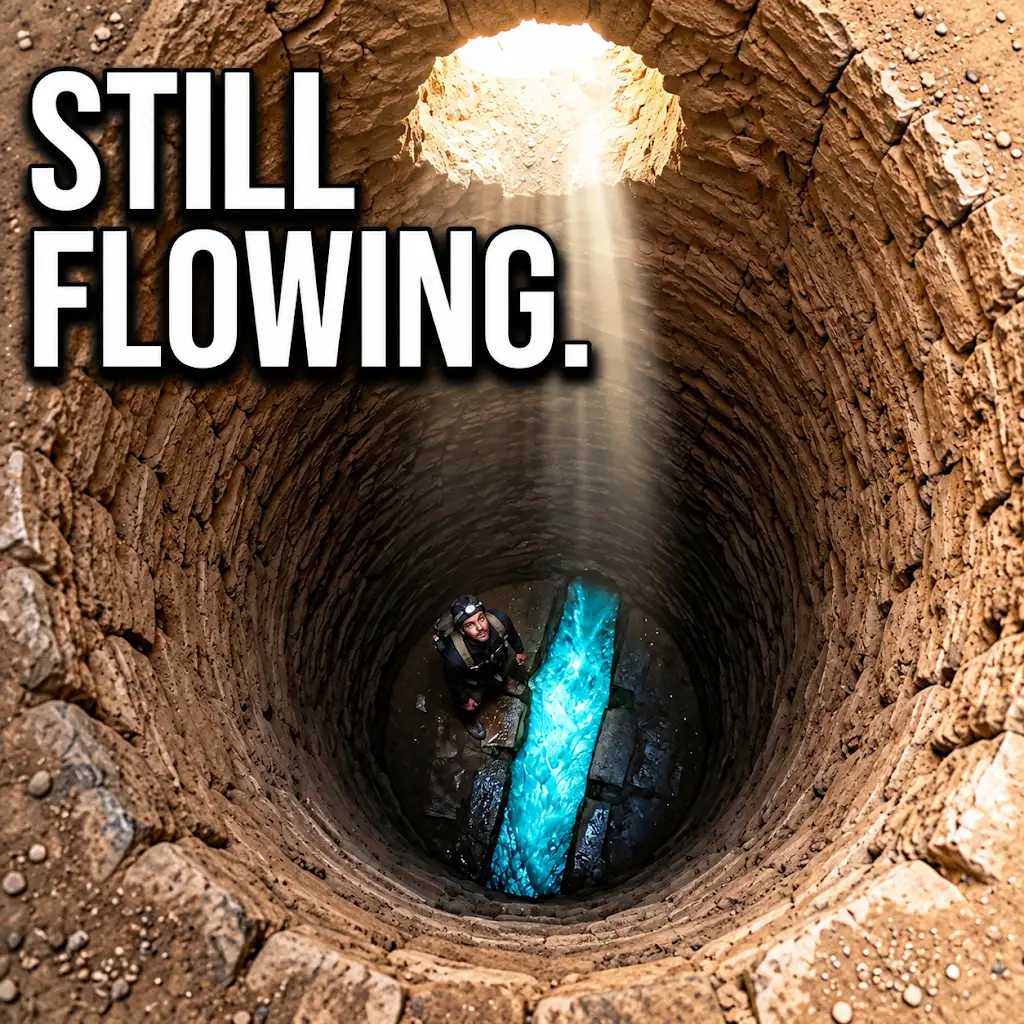
They Dug Water Tunnels Under the Desert… And They Still Flow
FAQs
What is a qanat?
A qanat is an underground channel used to transport water from an aquifer under a hill to the surface, providing water for irrigation and drinking in arid regions.
How do qanats work?
Qanats work by tapping into underground water sources and using gravity to bring the water to the surface through a series of gently sloping tunnels.
Where are qanats commonly found?
Qanats are commonly found in arid and semi-arid regions of the Middle East, North Africa, and Central Asia, where they have been used for centuries to provide a reliable source of water.
What is the significance of qanats in history?
Qanats have played a crucial role in the development of ancient civilizations by enabling agriculture in regions where water is scarce, leading to the growth of cities and the establishment of trade routes.
Are qanats still in use today?
Yes, qanats are still in use today in many parts of the world, particularly in regions facing water scarcity, where they continue to provide a sustainable source of water for agriculture and human consumption.