
The Enduring Legacy of Qanats and the Imperative of Water Rights
Across arid and semi-arid landscapes, from the sun-baked plains of Iran to the dusty hills of North Africa and beyond, a silent testament to human ingenuity flows beneath the earth: the qanat. These ancient, gravity-fed irrigation systems, often stretching for miles, represent a remarkable feat of engineering, meticulously crafted to tap into subterranean aquifers and deliver precious water to agricultural lands and settlements. For millennia, qanats have sustained communities, fostered biodiversity, and shaped the very fabric of societies in regions where surface water is scarce. However, the continued viability of these invaluable systems hinges not only on their physical integrity but critically on the establishment and enforcement of robust water rights. Without clear, equitable, and sustainably managed water rights, the future of qanat irrigation, and the communities it supports, remains precarious. This article will delve into the intricate world of qanat water rights, exploring their historical evolution, the challenges they face today, and the crucial strategies for ensuring their sustainable access for generations to come.
The intricate history of qanat water rights is deeply intertwined with ancient irrigation practices and the management of water resources in arid regions. For those interested in exploring how historical maps, such as the Piri Reis map, reflect the complexities of water rights and resource management, a related article can provide valuable insights. You can read more about this fascinating topic in the article titled “Unraveling the Piri Reis Map Controversy” available at this link.
Historical Foundations of Qanat Water Management
The construction of qanats predates recorded history in many regions, with evidence suggesting their origins in Persia around the 8th century BCE. These subterranean aqueducts were not merely engineering marvels; they were intrinsically linked to complex social structures and established systems of water allocation. The builders, often skilled artisans and laborers, invested immense effort and communal knowledge into their creation, and this investment naturally translated into a deep understanding of water’s value and the necessity for its careful management.
The Role of Communal Governance and Traditional Practices
Historically, the management of qanat water was deeply embedded within the social fabric of the communities they served. Water rights were not typically codified in written laws in the modern sense, but rather evolved through generations of customary practices, community agreements, and the authority of local elders or water masters. These traditional systems, while sometimes informal, were often remarkably effective. They were based on principles of shared responsibility, customary shares, and a collective understanding of the resource’s limitations.
The allocation of water was often determined by factors such as the land’s proximity to the qanat, the historical contribution of the landowner to the qanat’s maintenance, and the recognized needs of different agricultural plots. These customary rights were passed down through families, creating a sense of inherited entitlement and responsibility. Maintenance of the qanat itself – the de-silting of channels, the repair of tunnels, and the management of access shafts – was also a communal undertaking, often governed by specific rules and schedules. Failure to contribute to maintenance could, in some cases, lead to the forfeiture of water rights. This inherent link between contribution and entitlement fostered a strong incentive for collective action and ensured the long-term functionality of the systems.
Water as a Communal Resource, Not Private Property
In many traditional qanat societies, water was viewed less as private property to be owned and more as a communal resource to be managed and shared. While specific individuals or families held rights to a certain portion or flow of the water, the source and the infrastructure itself were often considered the collective heritage of the community. This philosophical distinction was crucial in shaping water allocation practices. It encouraged a sense of stewardship rather than exploitation, recognizing that the sustainability of the entire system depended on the well-being of all its users. The concept of “water stealing” or excessive diversion was not only illegal but also a social taboo, undermining the trust and cooperation essential for the qanat’s survival. This communal ethos, deeply ingrained in the socio-cultural landscape, provided a foundation for equitable distribution and conflict resolution.
Modern Challenges to Qanat Water Rights
While the historical foundations of qanat water management were rooted in communal stewardship and customary law, the advent of modernity has introduced a new set of complex challenges that threaten the equitable and sustainable access to these ancient systems. The interplay of changing land ownership, state intervention, population growth, and environmental degradation has placed immense pressure on traditional water rights regimes.
Land Privatization and Shifting Ownership Patterns
One of the most significant challenges to traditional qanat water rights arises from the process of land privatization. As land ownership patterns shift from communal or state holdings to private ownership, the notion of water rights can become fragmented and contested. When land is bought and sold, the associated water rights, which were often implicitly tied to the land through customary law, may not be clearly transferred or understood. New landowners may not be aware of or respect the traditional allocation systems, leading to disputes.
Furthermore, the consolidation of landholdings by wealthier individuals or entities can lead to the acquisition of significant water rights, potentially at the expense of smaller farmers. This can exacerbate existing inequalities and undermine the principle of equitable access. In some cases, water rights might be detached from the land altogether, becoming commodities that can be traded independently. This commercialization can lead to the abstraction of water for non-agricultural uses or for export, further straining the limited supply and disenfranchising traditional users. The complexity of legally defining and transferring water rights alongside land ownership presents a significant hurdle in ensuring continuity and fairness.
State Intervention and Legal Ambiguities
The increasing involvement of central governments in water resource management has also had a profound impact on qanat water rights. While the intention is often to bring order and efficiency, state-led interventions can sometimes overlook or even dismantle established customary practices. Governments may impose new legal frameworks for water allocation that do not adequately account for the unique characteristics of qanat systems or the historical rights of their users.
In many jurisdictions, water is declared a state-owned resource, with permits and licenses required for its abstraction. This can create a legal conflict with deeply ingrained customary rights that predate state intervention. Traditional water users may find themselves in a position where their long-held rights are no longer recognized by the formal legal system, requiring them to navigate complex bureaucratic processes to secure their access. This can be particularly challenging for marginalized communities or those with lower literacy levels, who may lack the resources or knowledge to engage effectively with state institutions. Moreover, the enforcement of these new regulations can be inconsistent, leading to further uncertainty and potential for corruption.
Over-extraction and Depletion of Aquifers
The growing demand for water, driven by population growth and expanding agricultural activities, has placed immense pressure on the aquifers that feed qanats. In many areas, the rate of water extraction now exceeds the natural replenishment rate of the aquifer, leading to a decline in water tables. This over-extraction directly impacts the flow of qanats, reducing the volume of water available for distribution and intensifying competition among users.
The legal frameworks governing water rights often struggle to address the issue of sustainable abstraction. While permits might be issued for a certain volume of water, monitoring and enforcement of these limits can be challenging, especially in areas with many small-scale users. The economic incentives for individual users to extract as much water as possible can outweigh concerns about long-term sustainability, particularly when traditional water rights are perceived as guarantees of access, regardless of the aquifer’s condition. This creates a classic “tragedy of the commons” scenario, where individual actions, driven by immediate needs, can lead to the depletion of a shared resource, ultimately harming everyone.
Principles for Sustainable Qanat Water Rights Management
Ensuring the long-term viability of qanat irrigation requires a fundamental shift towards principles that prioritize sustainability, equity, and community participation. Modern water rights frameworks must be designed to complement, rather than undermine, the inherent strengths of traditional qanat management, while also addressing contemporary challenges.
Recognition and Integration of Customary Rights
A critical first step towards sustainable qanat water rights management is the formal recognition and integration of existing customary rights into national legal frameworks. This does not necessarily mean simply codifying every traditional practice verbatim, but rather acknowledging the historical legitimacy and ongoing relevance of these established systems. Governments should engage in participatory processes to understand the nuances of traditional water allocation and develop legal mechanisms that respect these arrangements where they are equitable and sustainable.
This might involve establishing legal categories for customary water rights or creating special provisions for qanat users within broader water legislation. The goal is to provide a legal basis for traditional rights, making them enforceable against new claims or competing demands and offering a clear pathway for dispute resolution. Furthermore, such recognition can empower communities to defend their rights and participate more effectively in water governance. Without this foundational respect for existing entitlements, any attempts at reform are likely to face resistance and fail to achieve their intended objectives.
Participatory Governance and Community Empowerment
Effective water rights management is inextricably linked to participatory governance structures that empower local communities. Qanat users, who possess intimate knowledge of their local water resources and the historical context of their rights, must be central stakeholders in decision-making processes. This involves creating platforms for dialogue, consultation, and collaborative management between water users, local authorities, and relevant government agencies.
Community-based water user associations, revitalized or newly formed, can play a vital role in managing day-to-day operations, resolving disputes, and advocating for their rights. These associations can be empowered to monitor water abstraction, enforce agreed-upon allocation schedules, and contribute to the maintenance of the qanat infrastructure. Investing in capacity-building for these associations, providing training in water management techniques, legal literacy, and conflict resolution, can significantly enhance their effectiveness. By fostering a sense of ownership and shared responsibility, participatory governance ensures that water management decisions are contextually relevant, socially equitable, and environmentally sustainable.
Adaptive Management and Resource Monitoring
The dynamic nature of water resources, influenced by climate variability and changing demand, necessitates an adaptive approach to water rights management. This means that water allocation plans and regulations should not be static but should be capable of adjusting to changing conditions. Robust monitoring systems are crucial for understanding the actual availability of water in the aquifer and the current demand from users.
This monitoring should encompass not only the volume of water extracted but also the health of the aquifer itself, including water table levels and water quality. Data collected from these monitoring efforts should be transparently shared with water users and used to inform periodic reviews and adjustments to water rights and allocation quotas. Adaptive management frameworks can incorporate mechanisms for temporary reductions in water allocations during periods of scarcity, or for re-allocating water in response to changing agricultural needs or new sustainable uses. This proactive and flexible approach helps to prevent over-extraction, maintain aquifer health, and ensure that water rights remain meaningful and equitable over the long term.
The intricate system of qanat water rights has been a vital aspect of ancient irrigation practices, showcasing the ingenuity of early civilizations in managing scarce water resources. For a deeper understanding of how such ancient technologies have shaped modern water management and the potential consequences of losing these innovations, you can explore a related article that discusses the catastrophic effects of lost innovations. This insightful piece can be found here.
Strategies for Implementing Sustainable Qanat Water Rights
| Metric | Description | Typical Values | Units |
|---|---|---|---|
| Water Allocation per Qanat | Amount of water allocated to each qanat user | 10 – 50 | Liters per second (L/s) |
| Number of Shareholders | Number of individuals or families sharing water rights | 5 – 30 | Count |
| Water Distribution Cycle | Time period for one full rotation of water distribution | 1 – 7 | Days |
| Qanat Length | Length of the qanat tunnel from source to outlet | 500 – 10,000 | Meters |
| Water Rights Transferability | Whether water rights can be sold or transferred | Usually restricted | N/A |
| Seasonal Variation | Change in water flow between dry and wet seasons | 20% – 60% decrease in dry season | Percentage |
| Maintenance Frequency | How often qanat maintenance is performed | Annually or biannually | Times per year |
Translating the principles of sustainable qanat water rights into practical action requires a multi-faceted approach involving legal reform, capacity building, and technological innovation. These strategies must be tailored to the specific contexts of different qanat systems and the communities that rely on them.
Legal and Policy Reforms
A cornerstone of sustainable qanat water rights lies in enacting comprehensive legal and policy reforms that explicitly recognize and protect these traditional entitlements. This involves moving beyond general water legislation to create specific frameworks that address the unique challenges and opportunities presented by qanat irrigation. Such reforms should:
- Define and Register Water Rights: Establish clear legal definitions of qanat water rights, considering both historical use and communal agreements. Implement a transparent and accessible registration process to document existing rights, creating a legal record that can be used for enforcement and dispute resolution. This registration should include details on the volume, timing, and conditions of water use.
- Establish Equitable Allocation Mechanisms: Develop allocation mechanisms that are based on principles of fairness, sustainability, and historical precedent. This may involve formalizing traditional share systems or establishing a tiered approach that prioritizes domestic and essential agricultural needs. The process of developing these mechanisms should be participatory, involving all relevant stakeholders.
- Strengthen Enforcement and Dispute Resolution: Create effective mechanisms for enforcing water rights and resolving disputes. This could involve establishing specialized water courts, mediation services, or community-based conflict resolution committees. Penalties for illegal abstraction or violation of allocation agreements should be clearly defined and consistently applied.
- Integrate Qanat Management with Broader Water Resource Planning: Ensure that qanat water management is integrated into national and regional water resource planning. This means considering the contribution of qanats to the overall water balance and ensuring that their sustainability is a key consideration in the development of new water infrastructure or policies.
Capacity Building and Knowledge Transfer
Empowering communities and stakeholders with the knowledge and skills necessary for effective water rights management is paramount. This requires targeted capacity-building initiatives that address various aspects of water management and legal literacy. Key areas for capacity building include:
- Legal Literacy and Rights Awareness: Educating water users about their legal rights and responsibilities under the new frameworks. This can be achieved through workshops, community outreach programs, and the development of accessible informational materials in local languages.
- Water Management and Technical Skills: Providing training in modern water management techniques, including efficient irrigation methods, water conservation practices, and basic hydrological monitoring. This can help users maximize the benefits from their allocated water and reduce waste.
- Organizational and Governance Skills: Strengthening the capacity of water user associations to effectively manage their affairs. This includes training in financial management, record-keeping, participatory decision-making, and conflict resolution.
- Data Collection and Analysis: Equipping communities with the skills to collect and analyze data related to water availability, abstraction rates, and aquifer conditions. This empowers them to participate more meaningfully in monitoring and adaptive management processes.
- Intergenerational Knowledge Transfer: Developing programs that facilitate the transfer of traditional knowledge about qanat management from older generations to younger ones. This ensures the continuity of invaluable local expertise and fosters a sense of cultural heritage associated with these systems.
Technological Innovation and Modern Tools
While qanats are ancient, modern technologies can play a crucial role in enhancing their sustainability and the management of their water rights. These innovations can improve monitoring, efficiency, and the equitable distribution of water.
- Remote Sensing and GIS: Utilizing satellite imagery and Geographic Information Systems (GIS) for mapping qanat networks, identifying areas of potential leakage or degradation, and monitoring land use changes around water sources. This can provide a macro-level understanding of the water system and inform management decisions.
- Smart Metering and Flow Measurement: Implementing smart water meters at distribution points or abstraction sites can provide real-time data on water usage. This data can be used to ensure adherence to allocated volumes, detect unauthorized diversions, and inform billing or fee structures if applicable.
- Groundwater Monitoring Technologies: Employing advanced technologies for monitoring groundwater levels and quality, such as automated sensors and data loggers. This provides crucial data for assessing aquifer health and ensuring that water rights are not leading to unsustainable depletion.
- Information Management Systems: Developing digital platforms for registering water rights, tracking allocations, managing maintenance records, and facilitating communication among water users and authorities. These systems can improve transparency and efficiency in water governance.
- Renewable Energy for Pumping (Where Applicable): In some cases, where gravity flow is insufficient or needs augmentation, integrating solar-powered or other renewable energy sources for pumps can provide a sustainable solution for water delivery, reducing reliance on fossil fuels and lowering operational costs.
The intricate system of qanat water rights has significant implications for water management in arid regions, particularly as climate change intensifies water scarcity. Understanding these rights is essential for maintaining sustainable practices in agriculture and urban development. For a deeper exploration of how such issues can lead to broader societal challenges, you may find it insightful to read this article on the threat of state collapse, which discusses the interconnectedness of resource management and political stability.
The Future of Qanats: A Testament to Resilience and Adaptation
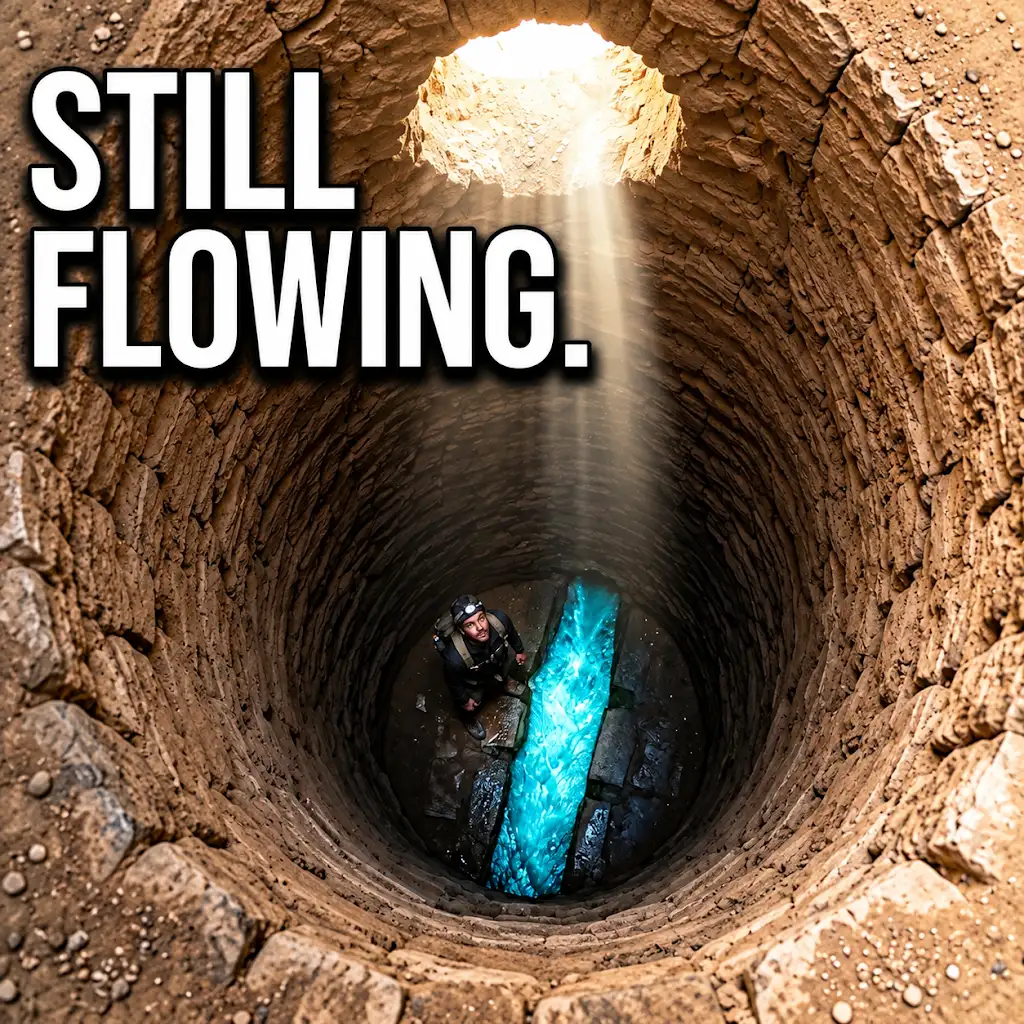
The enduring presence of qanats across the globe is a testament to the resilience of ancient engineering and the adaptability of human societies. These subterranean arteries have sustained life and civilization in arid regions for millennia, providing a vital source of water for agriculture, domestic use, and the ecological health of their surrounding landscapes. However, their continued existence is not
They Dug Water Tunnels Under the Desert… And They Still Flow
FAQs
What are qanats and how do they work?
Qanats are underground tunnels used to transport water from an aquifer to the surface for irrigation and drinking. They work by using gravity to channel water from a higher elevation to a lower one.
What are qanat water rights?
Qanat water rights refer to the traditional system of allocating and managing water resources from qanats among different users, typically based on historical agreements and local customs.
How are qanat water rights typically managed?
Qanat water rights are often managed by local communities or water user associations, who establish rules and regulations for the distribution and use of water from the qanats.
What are some challenges associated with qanat water rights?
Challenges related to qanat water rights include disputes over water allocation, declining water levels in aquifers due to overuse, and the need to modernize traditional water management practices.
How can qanat water rights be sustained for future generations?
To sustain qanat water rights for future generations, it is important to promote sustainable water management practices, invest in qanat maintenance and restoration, and involve local communities in decision-making processes related to water resources.