The Ingenious Network: Understanding Qanats, Ancient Underground Water Systems
For millennia, arid and semi-arid regions across the globe have faced a perpetual challenge: the scarcity of water. Civilizations that flourished in these dry landscapes often owed their very existence to ingenious solutions for harnessing and distributing precious water resources. Among the most remarkable of these innovations are qanats, an ancient system of underground water channels that have sustained communities for thousands of years. These marvels of engineering, predating many modern water management techniques, represent a profound understanding of hydrology, geology, and community cooperation. Their construction and maintenance required immense skill, meticulous planning, and a deep respect for the environment. The qanat system is not merely a conduit for water; it is a testament to human ingenuity and resilience in the face of environmental adversity, a sophisticated method of tapping into subterranean aquifers and delivering life-giving water to the surface without the need for pumps or significant energy expenditure.
Qanats, an ancient system of underground aqueducts, are ingeniously designed to transport water from aquifers to arid regions, showcasing remarkable engineering skills developed over centuries. For a deeper understanding of how these structures are built and their significance in historical contexts, you may find the article on the implications of state collapse and its impact on infrastructure particularly insightful. It discusses how such systems, including qanats, are vital for sustaining communities in challenging environments. You can read more about it in this article: The Threat of State Collapse.
The Genesis and Evolution of Qanat Technology
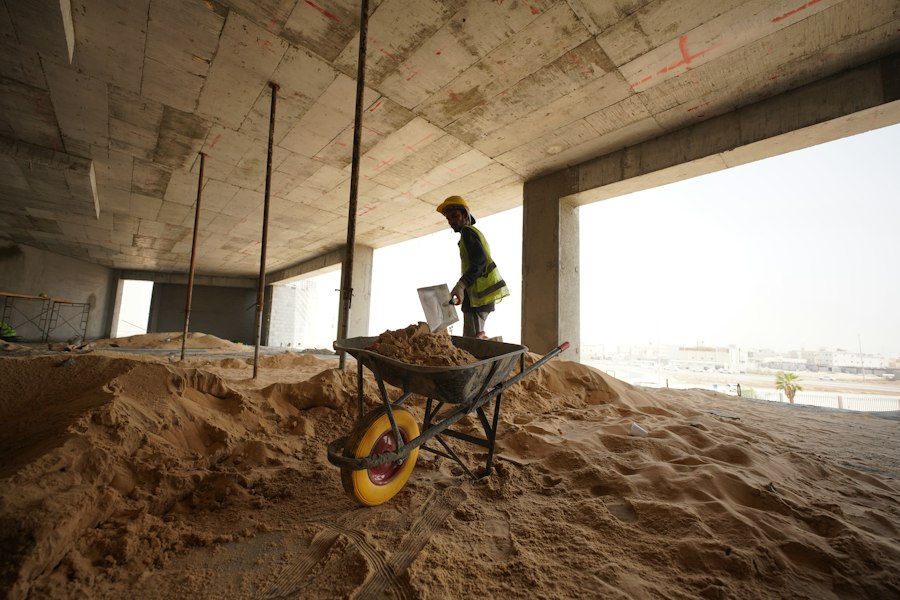
The origins of qanat technology are shrouded in the mists of antiquity, but their development is widely attributed to ancient Persia, modern-day Iran. The earliest definitive evidence of qanats dates back to the first millennium BCE, though some scholars suggest even earlier origins in Mesopotamia or the Indus Valley. The Persians, masters of irrigation and hydraulic engineering, refined and popularized this system, spreading its influence across vast swathes of the Middle East, North Africa, Central Asia, and even into parts of Spain and China. The success of the qanat system lay in its ability to overcome several limitations of surface irrigation. Surface canals were vulnerable to evaporation, contamination, and theft. Furthermore, they required a constant, reliable surface water source, which was often scarce or seasonal in arid lands. Qanats, by contrast, tapped into reliable groundwater reserves, protecting the water from the harsh elements and ensuring a consistent supply. This subterranean approach also minimized water loss through evaporation, a critical advantage in sun-baked regions. The evolutionary trajectory of qanats reflects a growing understanding of subterranean water tables and the geological strata through which water could flow. Early qanats may have been relatively simple in design, but over centuries, their construction became more complex, involving sophisticated surveying techniques and a deep knowledge of soil and rock mechanics. The system’s adaptability to diverse geological conditions is a testament to the continuous refinement of this ancient technology.
The Persian Cradle of Subterranean Hydrology
Persia, with its vast desert expanses and challenging climate, provided the ideal environment for the development and widespread adoption of qanat technology. The Pars, an ancient Indo-Iranian people, are credited with developing the principles of qanat construction. Their ability to identify promising groundwater sources, understand the subtle gradients required for water flow, and organize labor on a massive scale was crucial to their success. The sheer number and scale of qanats in Iran, with estimates of over 30,000 still existing, attest to their deep integration into Persian society and economy. These networks were not just for irrigation; they supplied water for domestic use, industry, and even for qanat baths. The establishment of a qanat was a significant undertaking, often involving the collaboration of entire villages or even cities. It was a long-term investment that yielded benefits for generations, solidifying the qanat as a cornerstone of Persian civilization. The success of the Persian model was so profound that it became the blueprint for qanat construction in many other cultures.
Diffusion and Adaptation Across Continents
The influence of Persian qanat technology was not confined to its geographical origins. Through trade routes, conquest, and cultural exchange, the principles of qanat construction spread far and wide. In North Africa, particularly in areas of Egypt and the Maghreb, qanats, often referred to by different names like “foggaras” or “ghalil,” were adapted to local conditions. Similarly, in Central Asia, along the Silk Road, qanats played a vital role in sustaining oasis towns and agricultural communities. The Iberian Peninsula, under Moorish rule, saw the construction of impressive qanat systems, remnants of which can still be found today. Even as far east as China, in the Xinjiang Uyghur Autonomous Region, qanats were adopted to irrigate arid lands. This remarkable diffusion highlights the universality of the problem qanats addressed – water scarcity – and the effectiveness of this particular solution. Each region adapted the qanat system to its unique geological and climatic circumstances, often incorporating local building materials and techniques, demonstrating the inherent flexibility of this ancient technology.
The Art and Science of Qanat Construction: A Multi-Stage Process
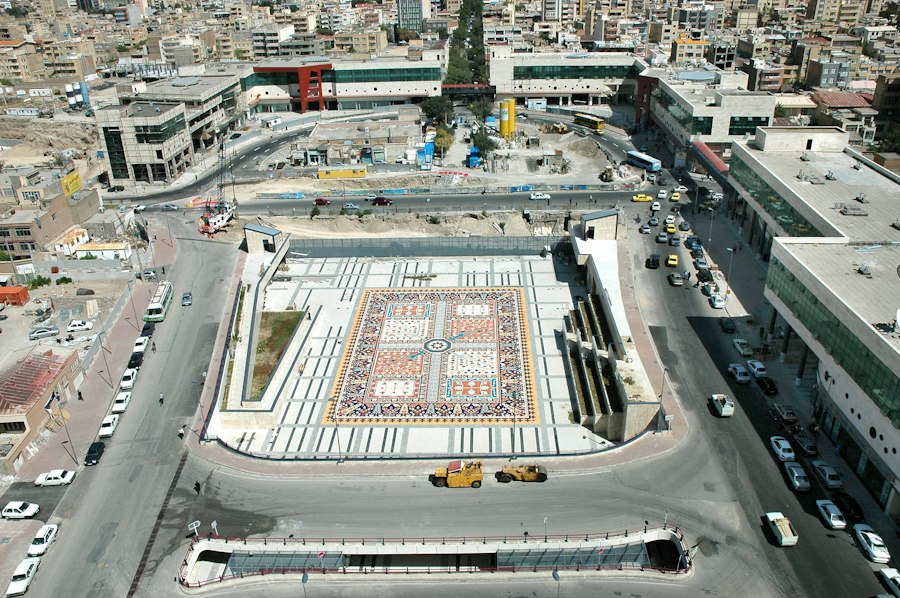
Building a qanat was a monumental undertaking, requiring meticulous planning, specialized knowledge, and a considerable workforce. It was a multi-stage process, beginning with the identification of a suitable water source and culminating in a functional underground aqueduct. The success of a qanat depended on a deep understanding of the local geology and hydrology, as well as the ability to maintain a consistent, gentle slope throughout the entire length of the channel. This was not a haphazard endeavor but a carefully orchestrated sequence of operations, each critical to the overall functionality and longevity of the system. The construction process often took years, even decades, to complete, and it was an investment that required significant community commitment and resources.
Locating the Lifeblood: Identifying the Aquifer
The first and perhaps most crucial step in constructing a qanat was identifying a viable subterranean water source. This involved a thorough understanding of local hydrology and geology. Engineers and surveyors would examine the landscape, looking for indicators of groundwater, such as specific types of vegetation, natural springs, or depressions in the terrain that suggested the presence of an aquifer. The goal was to find a saturated geological formation that could yield a sufficient and consistent flow of water. The elevation of the aquifer relative to the land where the water was needed was also paramount. A gentle, consistent downward slope was essential for gravity to do its work, transporting water from the source to the distribution point. This initial assessment required keen observation and a wealth of empirical knowledge passed down through generations.
The Mother Well: Accessing the Water Source
Once a promising location was identified, the construction of a vertical shaft, known as the “mother well” or “chah,” commenced. This well was sunk deep into the ground to reach the aquifer. The depth of the mother well could vary significantly, from a few meters to hundreds of meters, depending on the depth of the groundwater table. This was a labor-intensive process, often involving manual excavation using rudimentary tools. The spoil removed from the well had to be transported to the surface, which was a significant logistical challenge. The mother well served as the primary access point to the water and also as a reservoir, allowing water to seep into the shaft. The construction of this initial well was critical, as any miscalculation in its location or depth could render the entire project futile.
The Undulating Journey: Excavating the Gallery
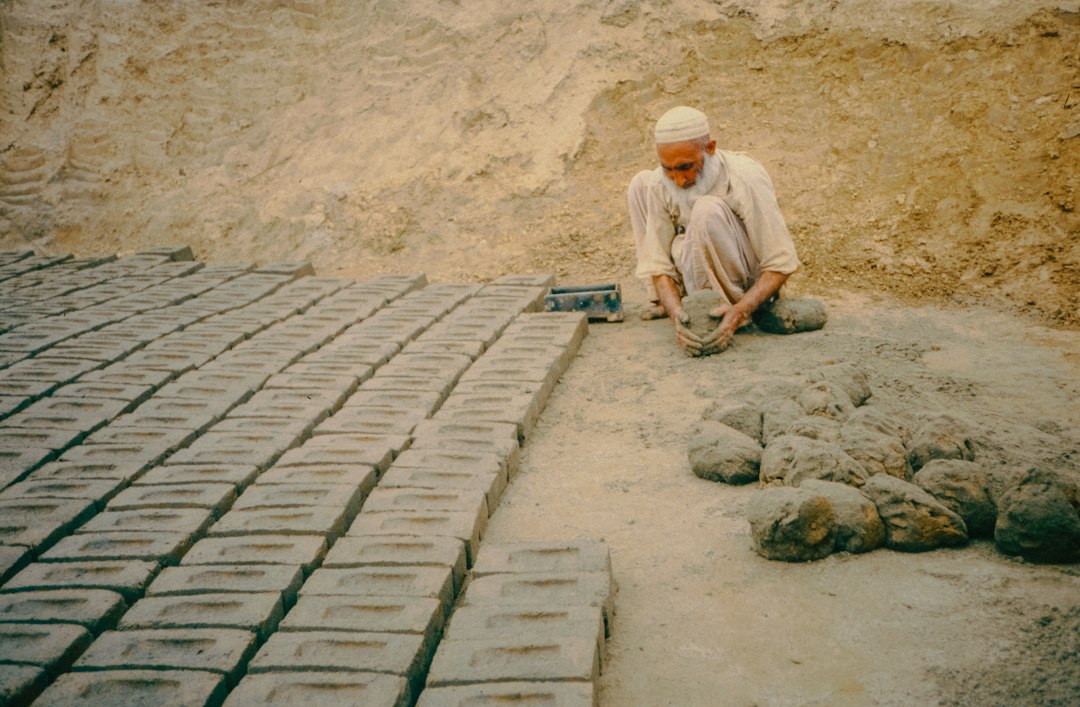
The heart of the qanat system was the underground gallery, a gently sloping tunnel that ran from the mother well towards the surface, typically to an agricultural area or a settlement. The excavation of this gallery was the most challenging and time-consuming aspect of qanat construction. Teams of laborers worked simultaneously from the mother well and from a series of progressively deeper vertical shafts, known as “access wells” or “mirabs,” which were dug at regular intervals along the intended path of the gallery. The access wells served multiple purposes: they provided fresh air to the excavators working underground, allowed for the removal of excavated material, and facilitated surveying and alignment of the tunnel. The crucial element was maintaining a consistent, slight downward gradient from the mother well to the exit point. Even a minor deviation could result in water pooling or failing to flow. This required constant surveying and precise measurement, often using simple but effective tools. The excavated earth was hauled to the surface via baskets and pulleys, creating large mounds of spoil around each access well.
Securing the Flow: Lining and Reinforcement
As the gallery was excavated, it was often lined with materials like clay, bricks, or stones to prevent collapse and to ensure the water flowed smoothly. The specific materials used depended on the local geology and availability. In areas with unstable soil, more robust lining was necessary. The primary goal was to create a watertight and structurally sound conduit. The lining also helped to prevent water loss through seepage into the surrounding soil. In some cases, particularly in areas prone to seismic activity, reinforcement techniques were employed to enhance the structural integrity of the gallery. The maintenance of the gallery was an ongoing process, as these underground structures were susceptible to collapse due to geological shifts, erosion, or ingress of sand and debris.
The Multifaceted Benefits of the Qanat System
The qanat system offered a remarkable array of benefits, extending far beyond simply providing water. Its sustainable nature, reliance on gravity, and ability to supply pure, consistent water made it an indispensable asset for the communities it served. The qanat was more than just infrastructure; it was a social and economic engine that fostered stability and prosperity. Its influence on settlement patterns, agricultural practices, and even architectural design was profound, shaping the very fabric of life in arid regions. The qanat represented a holistic approach to water management, integrating engineering with a deep understanding of the environment and the needs of the population.
Sustaining Agriculture in Arid Lands
The most significant impact of the qanat system was its ability to transform arid and semi-arid regions into fertile agricultural lands. By providing a reliable and consistent supply of water, qanats enabled the cultivation of crops that would otherwise be impossible. This led to increased food production, supporting larger populations and fostering economic growth. The water delivered by qanats was also often of high quality, free from the surface contaminants that could affect open canals. This purity contributed to healthier crops and a more reliable harvest. The ability to irrigate crops with a controlled and consistent water flow also allowed for more sophisticated agricultural practices, leading to higher yields and greater crop diversity.
Providing Potable Water for Communities
Beyond irrigation, qanats were a vital source of clean drinking water for the communities they served. The underground nature of the system protected the water from pollution and contamination, ensuring a relatively pure supply for domestic use. The consistent flow also meant that communities had a dependable source of water, reducing reliance on unpredictable rainfall or distant, potentially contaminated surface water sources. The provision of clean water was fundamental to public health and sanitation, contributing to the well-being of entire populations. The emergence of settlements and cities in otherwise inhospitable desert environments was often directly attributable to the presence of well-developed qanat networks.
Economic and Social Ramifications
The presence of a qanat often dictated the location of settlements and the economic activities that could be sustained. Villages and towns grew around the exit points of qanats, as water was essential for survival and prosperity. The construction and maintenance of qanats also provided employment for a significant portion of the population, fostering a sense of community and shared purpose. The ownership and management of qanats often involved complex social structures, with water rights and distribution meticulously managed. This created a stable socio-economic environment, contributing to the longevity and resilience of these communities. The shared responsibility for qanat maintenance also fostered strong social bonds and a sense of collective ownership.
Qanats, an ancient method of water management, showcase the ingenuity of early civilizations in arid regions. These underground channels are designed to transport water from aquifers to surface irrigation systems, ensuring a sustainable water supply. To learn more about the fascinating technologies developed by lost civilizations, you can explore this related article on ancient innovations. Understanding how qanats were built not only highlights the engineering skills of the past but also emphasizes the importance of preserving such knowledge for future generations. For further insights, check out this article.
Modern Relevance and Enduring Legacy of Qanats
| Step | Description | Typical Dimensions | Tools Used | Time Required |
|---|---|---|---|---|
| Survey and Planning | Identify water source and plan tunnel route with gentle slope | Length varies; slope approx. 1:1000 | Leveling instruments, measuring rods | Several days to weeks |
| Digging Vertical Shafts | Excavate vertical shafts along the qanat path for ventilation and access | Diameter: 1-2 meters; Depth: 10-100 meters depending on terrain | Shovels, pickaxes, ropes, buckets | Weeks to months |
| Excavating the Tunnel | Dig horizontal tunnel from water source to outlet using shafts for access | Height: 1.5-2 meters; Width: 0.6-1 meter | Pickaxes, shovels, chisels | Months to over a year |
| Removing Debris | Lift excavated soil through vertical shafts to surface | Volume depends on tunnel length and soil type | Buckets, ropes, pulleys | Concurrent with digging |
| Finishing and Maintenance | Line tunnel walls if needed; maintain shafts and clear blockages | Varies | Stone, bricks, mortar, basic tools | Ongoing |
While modern technologies like pumps and desalination plants have superseded qanats in many areas, the ancient system continues to hold immense relevance. Its principles of sustainable water management, reliance on gravity, and minimal environmental impact offer valuable lessons for contemporary water challenges. The legacy of qanats is not just historical; it is a living testament to the ingenuity of our ancestors and a potential blueprint for future water solutions in arid regions. Their continued existence and function in some parts of the world underscore their enduring effectiveness and adaptability. The qanat system stands as a powerful reminder that sometimes, the most elegant and sustainable solutions are found in the wisdom of the past.
Qanats Today: A Living Heritage
Remarkably, thousands of qanats are still in operation today, particularly in Iran, Afghanistan, and other parts of Central Asia. While their importance may have diminished in some areas due to the advent of modern technology, they remain a vital source of water for many rural communities, especially where electricity or the resources for modern infrastructure are scarce. These active qanats are not mere historical relics but functioning pieces of living heritage, providing water for irrigation, livestock, and domestic use. Their continued operation is a testament to their robust design and the ongoing need for sustainable water sources in these regions. The dedication of communities to maintaining these ancient systems highlights their intrinsic value.
Lessons for Sustainable Water Management
In an era of increasing water scarcity and climate change, the principles embodied by qanats offer valuable insights for modern water management strategies. Their reliance on gravity eliminates the need for energy-intensive pumping, making them environmentally friendly and sustainable. The protection of water from evaporation and contamination underground ensures efficient and pure delivery. These ancient systems demonstrate the power of understanding natural hydrological processes and working in harmony with the environment. As societies grapple with the challenges of providing water for growing populations, the qanat offers a compelling example of how traditional knowledge and simple engineering can provide remarkably effective and sustainable solutions. The emphasis on shared responsibility and community involvement in qanat management also holds lessons for fostering greater cooperation in water resource allocation.
Preserving an Ancient Marvel
The preservation of existing qanat systems is crucial, not only for the communities that depend on them but also for their historical and scientific significance. These remarkable structures are tangible links to the past, offering invaluable insights into the engineering capabilities and societal organization of ancient civilizations. Efforts to document, conserve, and, where feasible, rehabilitate qanats are vital to ensuring that this ancient knowledge is not lost. The recognition of qanats as UNESCO World Heritage sites in some regions is a step towards acknowledging their global importance and promoting their protection for future generations. This preservation effort extends beyond mere physical conservation to include the safeguarding of the traditional knowledge and skills associated with their construction and maintenance.
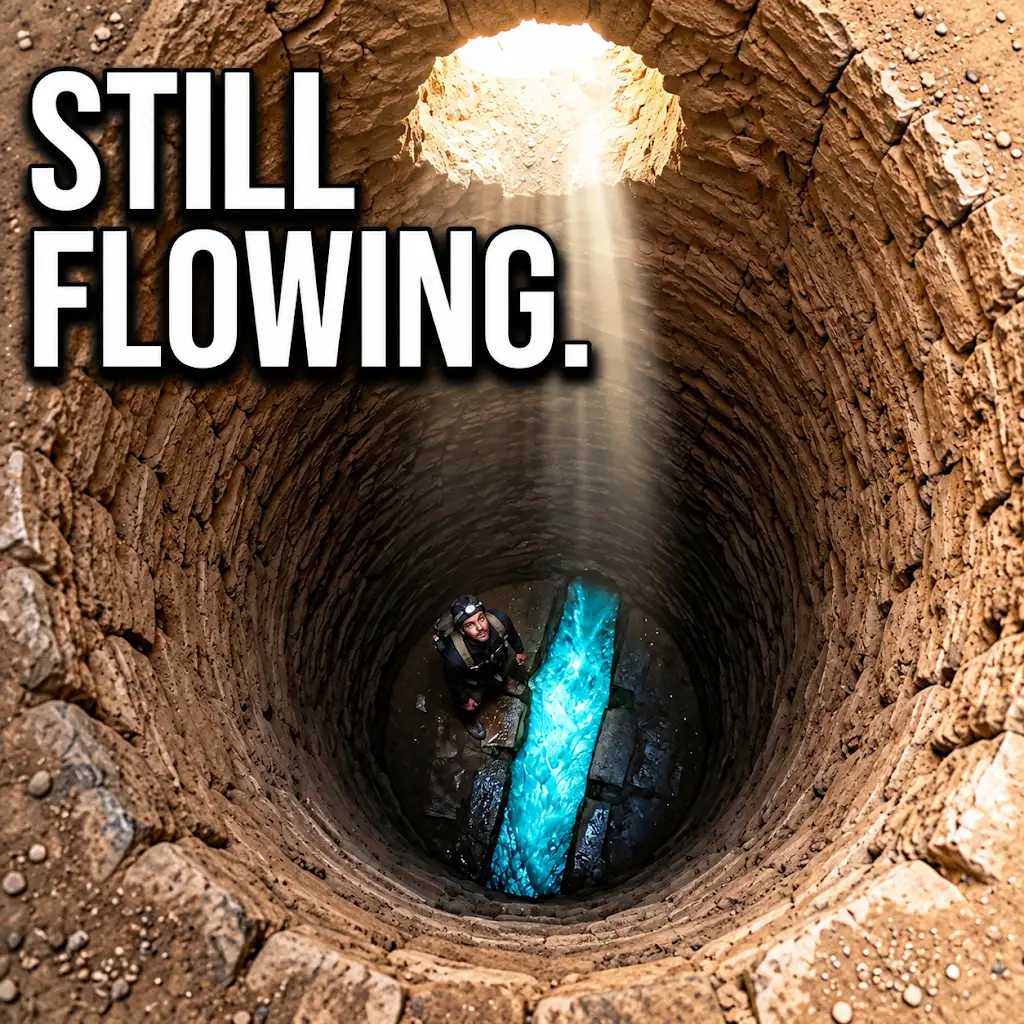
They Dug Water Tunnels Under the Desert… And They Still Flow
FAQs
What materials are typically used to build qanats?
Qanats are typically built using materials such as stone, brick, and mortar. These materials are chosen for their durability and ability to withstand the pressure of the water flowing through the qanat.
How deep are qanats usually dug?
Qanats are usually dug to a depth of around 20 to 50 meters (65 to 164 feet) below the surface. This depth allows the qanat to tap into underground water sources while also maintaining a gentle slope for water to flow through.
What is the purpose of the vertical access shafts in qanats?
Vertical access shafts in qanats serve multiple purposes. They provide ventilation for the qanat, allow for maintenance and repair, and serve as entry points for removing excavated soil during construction.
How are qanats able to transport water over long distances?
Qanats are able to transport water over long distances by utilizing a gentle downward slope. This slope allows gravity to pull the water from the source to the surface, without the need for pumps or other mechanical devices.
What are some challenges faced during the construction of qanats?
Some challenges faced during the construction of qanats include the risk of collapse during excavation, the need for skilled labor to dig and maintain the qanat, and the potential for contamination of the water source if proper precautions are not taken.